

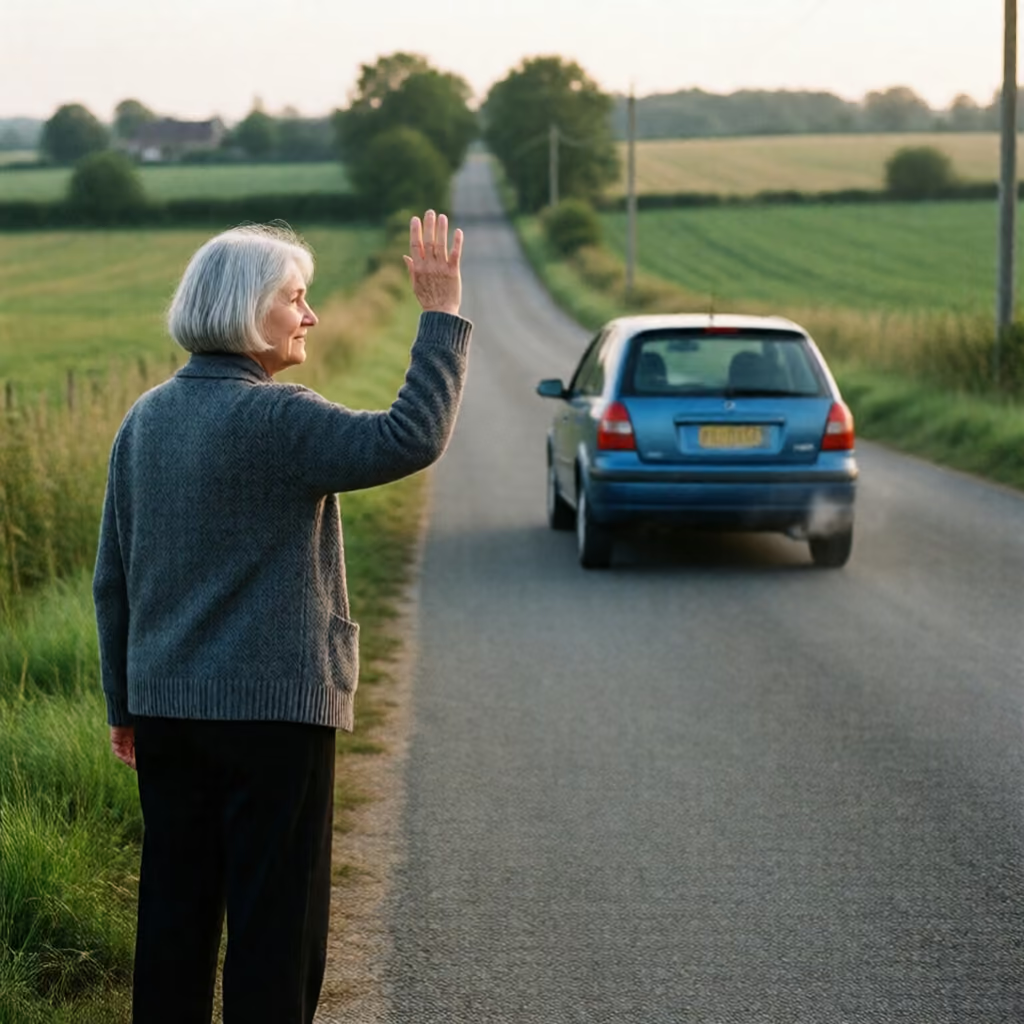
weg
away
Away from a place or no longer at that place; gone.
EXAMPLE
Als ich zurückkam, war mein Bruder schon weg.
When I came back, my brother was already gone.
away / gone
Loading your saved state.
away
Away from a place or no longer at that place; gone.
Als ich zurückkam, war mein Bruder schon weg.
When I came back, my brother was already gone.

gone
No longer present, disappeared, or lost.
Mein Schlüssel ist weg.
My key is gone.

removed
Removed or cleared away so that something is no longer there.
Diese alten Kartons müssen weg.
These old boxes need to go.

used up
Used up or consumed.
Nach dem Einkauf war fast unser ganzes Geld weg.
After shopping, almost all our money was gone.

unconscious
Temporarily unconscious, dazed, or mentally absent.
Nach dem Schlag war er für einige Sekunden weg.
After the blow, he was out for a few seconds.
'Weg' (away/gone) very often follows 'sein' (to be), forming the fixed expression 'weg sein' (to be gone). The intended meaning is usually clear from the subject and context: a person or vehicle may have left a place, an object may be missing, or something may have been used up.
Der Bus ist gerade weg.
The bus has just left.
Die Kekse sind schon wieder alle weg.
The cookies are all gone again.
With a verb of movement, 'weg' (away) can express a command for someone to leave a place. In spoken language, 'Weg!' (Away!) can stand alone as a very direct command.
Geh bitte weg, ich muss mich konzentrieren.
Please go away, I need to concentrate.
Weg mit den Schuhen vom Sofa!
Get those shoes off the sofa!
With the meaning 'no longer at this place', 'weg' (away/gone) often appears together with time or location expressions. Common combinations include 'schon weg sein' (to already be gone), 'gerade weg sein' (to have just left), and 'weit weg sein' (to be far away).
Unsere Nachbarn sind schon weg.
Our neighbors are already gone.
Der Bahnhof ist nicht weit weg.
The train station isn't far away.
When 'weg' (away) expresses removal or disposal, it often appears with 'müssen' (must) or 'sollen' (should). The subject then refers to the thing that is supposed to be removed.
Die leeren Flaschen müssen weg.
The empty bottles need to go.
Diese kaputte Lampe soll endlich weg.
This broken lamp should finally be removed.
With money and other limited resources, 'weg' (gone) often indicates that something is no longer available because it has been spent or consumed. Typical subjects include 'Geld' (money), 'Ersparnisse' (savings), and 'Vorräte' (supplies).
Nach der Reparatur war ein großer Teil meiner Ersparnisse weg.
After the repair, a large part of my savings was gone.
Am Ende des Urlaubs waren unsere Vorräte fast weg.
By the end of the vacation, our supplies were almost gone.
When referring to a person, 'weg sein' (to be out) can describe a brief state of unconsciousness, dazedness, or mental absence. Time expressions such as 'für einige Sekunden' (for a few seconds) or phrases such as 'nach dem Unfall' (after the accident) make this meaning clear.
Nach dem Sturz war sie kurz weg.
After the fall, she was out for a moment.
Während der langen Besprechung war er gedanklich völlig weg.
During the long meeting, he was completely lost in thought.