

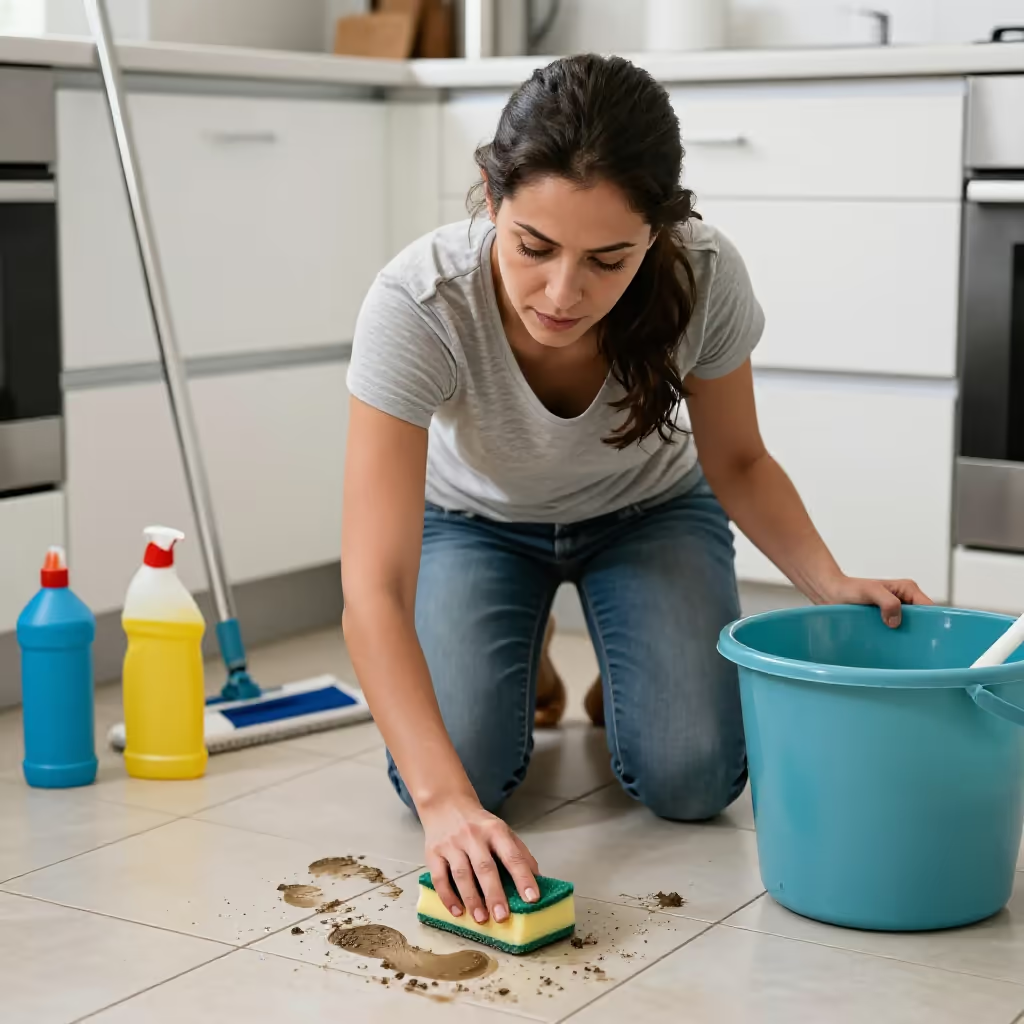
putzen
to clean
To remove dirt from something; to clean or make something clean, usually by wiping, scrubbing, or sweeping.
EXAMPLE
Jeden Samstagmorgen putze ich die ganze Wohnung.
Every Saturday morning I clean the whole apartment.
to clean
Loading your saved state.
to clean
To remove dirt from something; to clean or make something clean, usually by wiping, scrubbing, or sweeping.
Jeden Samstagmorgen putze ich die ganze Wohnung.
Every Saturday morning I clean the whole apartment.
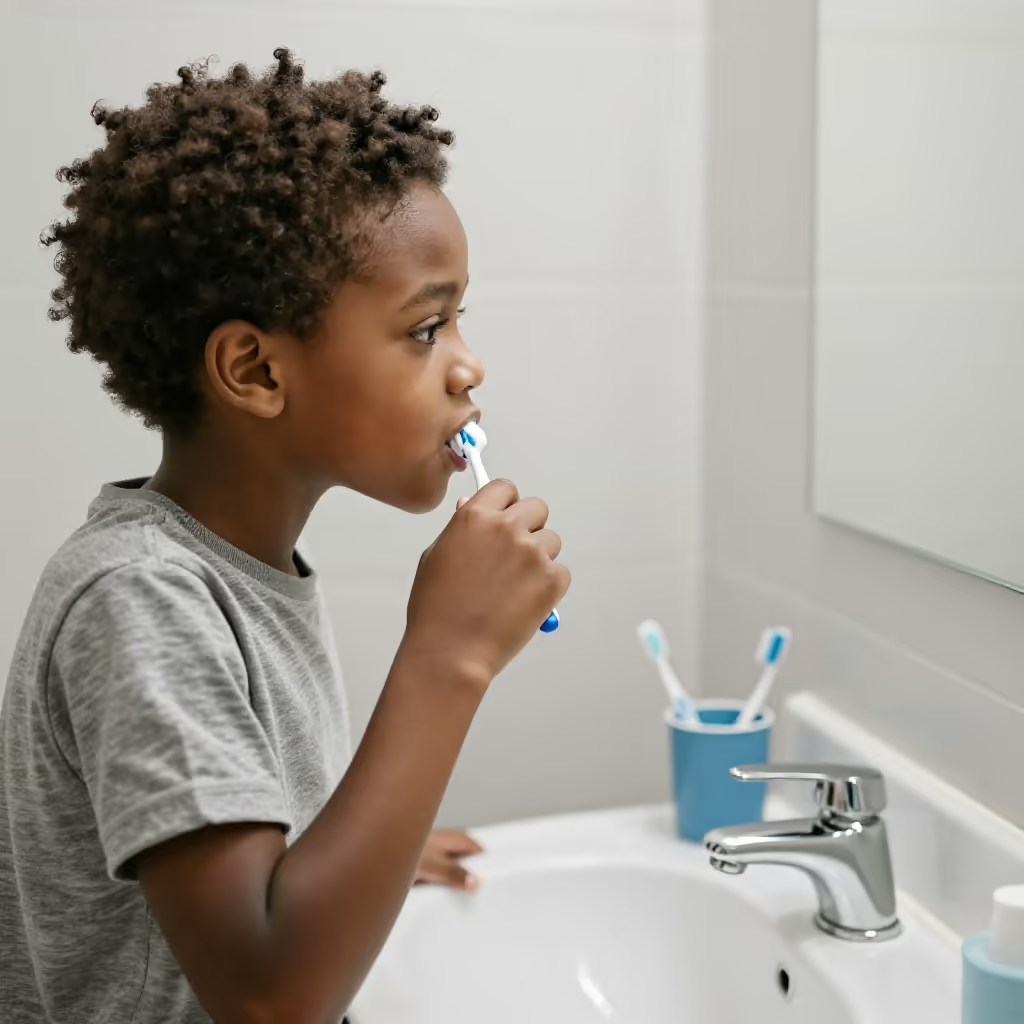
to brush one's teeth
To clean the teeth with a toothbrush and toothpaste.
Man sollte sich mindestens zweimal am Tag die Zähne putzen.
You should brush your teeth at least twice a day.
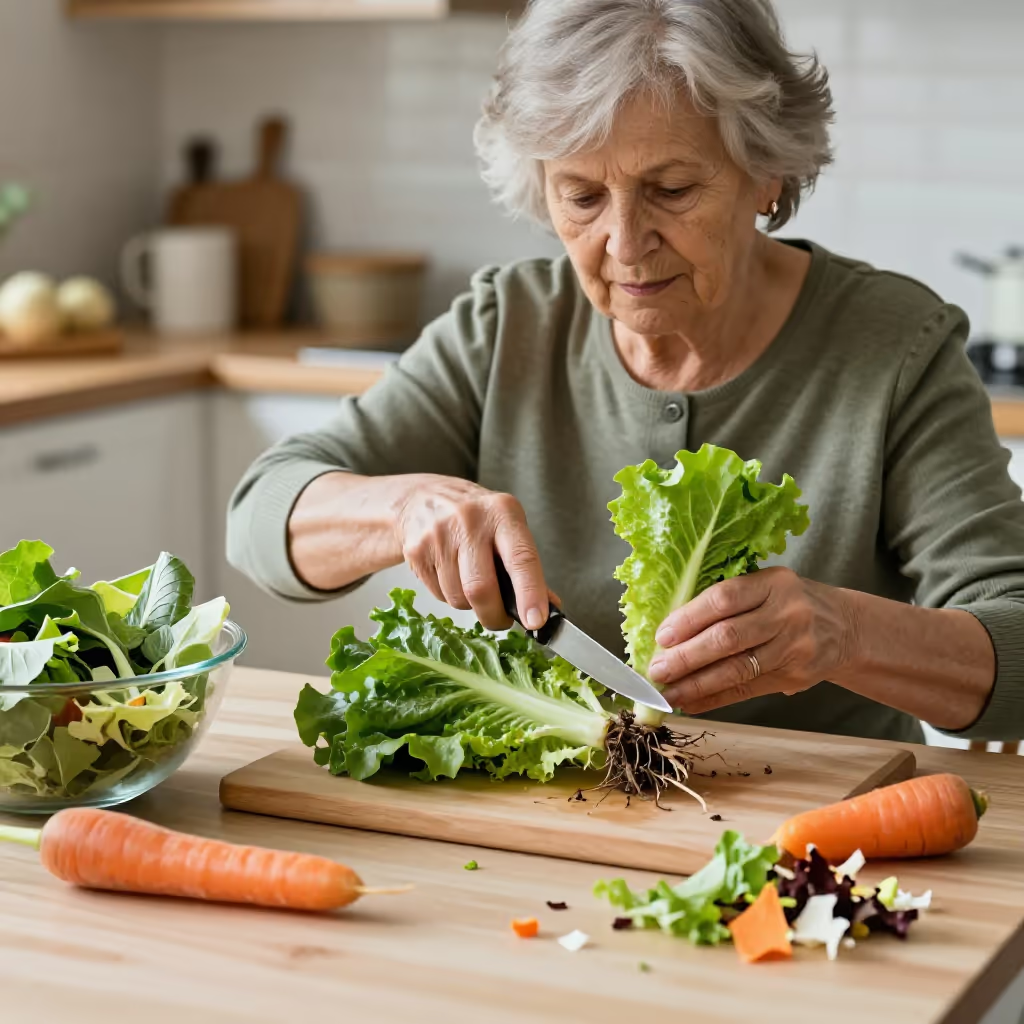
to prepare
To prepare vegetables, fruit, or salad by removing inedible or unwanted parts.
Kannst du bitte die Karotten für den Salat putzen?
Can you please prepare the carrots for the salad?
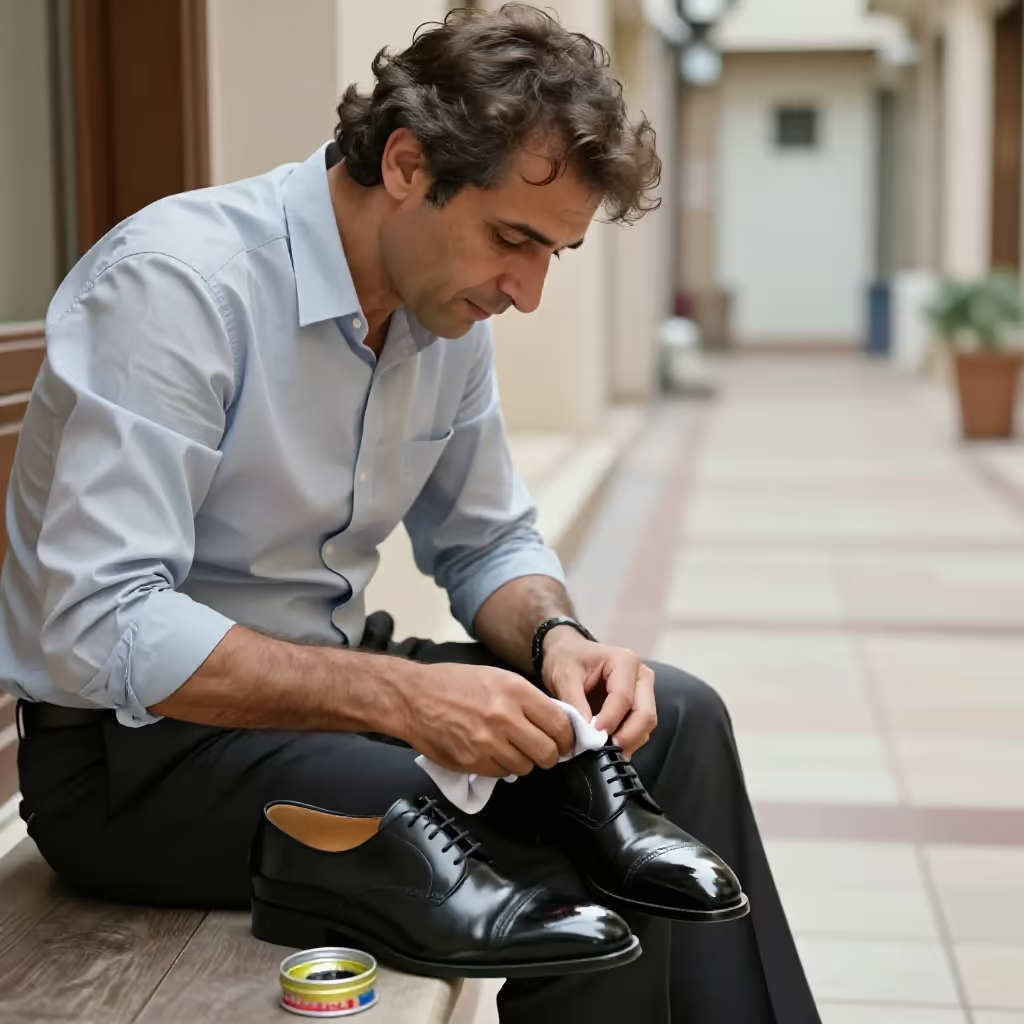
to clean shoes
To clean and polish shoes, especially leather shoes.
Vor der Hochzeit hat er seine besten Schuhe geputzt.
Before the wedding, he cleaned his best shoes.
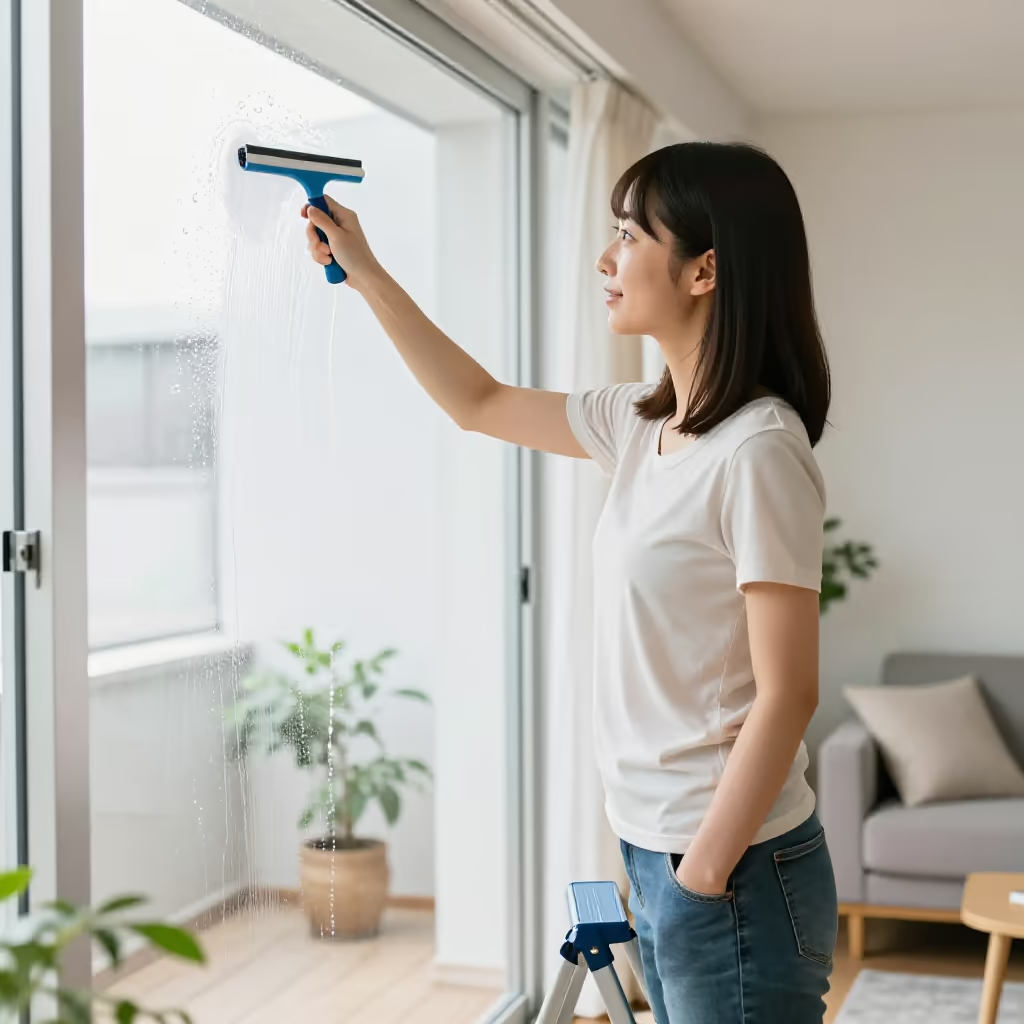
to clean windows
To clean the glass panes of windows.
Durch die frisch geputzten Fenster kommt viel mehr Licht.
Much more light comes in through the freshly cleaned windows.
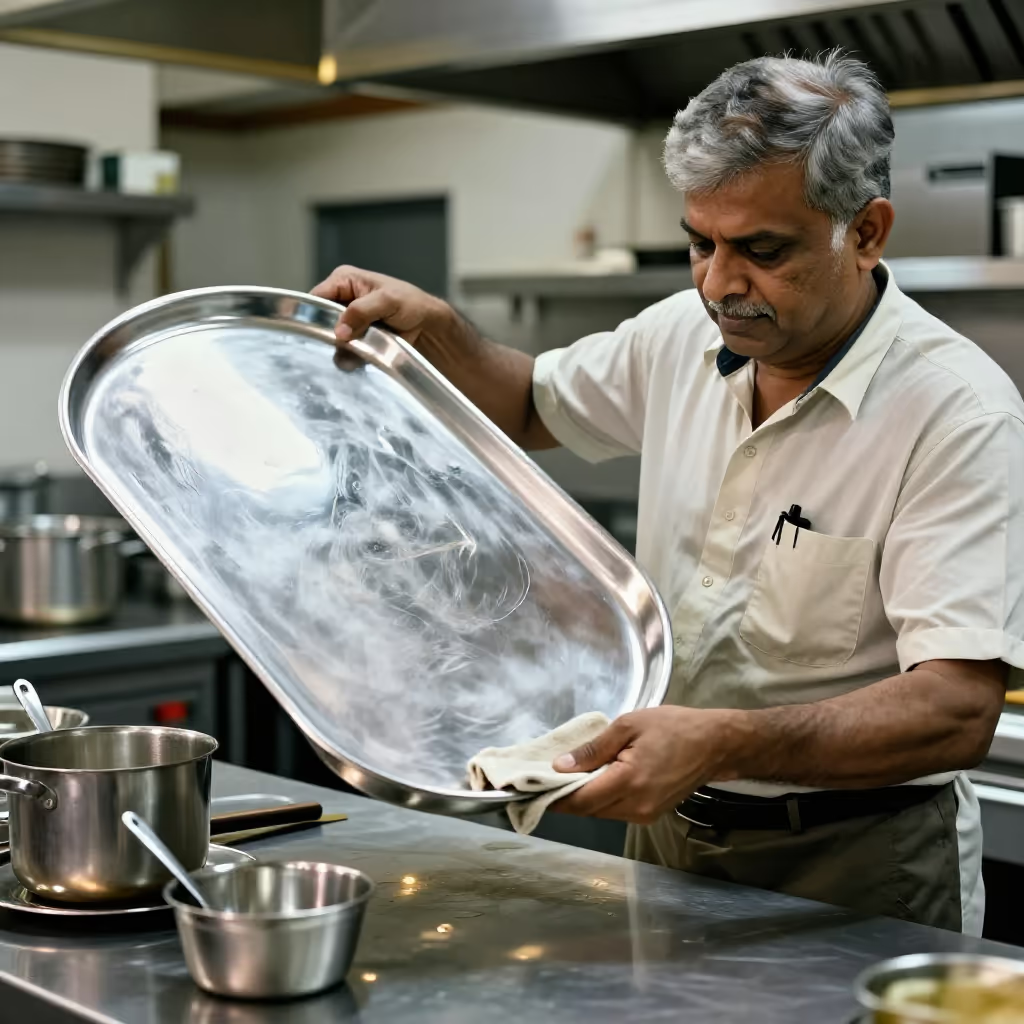
to polish
To polish a surface, especially one made of metal, so that it shines.
Die Großmutter hat ihr altes Silberbesteck geputzt.
Grandmother polished her old silver cutlery.

to slap someone
Colloquial for giving someone a slap in the face; to hit someone.
Wenn du das noch einmal sagst, putz ich dir eine!
If you say that again, I'll slap you!
Be careful: 'putzen' means 'reinigen' (to clean) and not 'hinstellen' (to put). This is a very common mistake for English speakers.
Am Wochenende muss ich die Fenster putzen.
At the weekend I have to clean the windows.
The phrase 'sich die Zähne putzen' (to brush one's teeth) uses a dative: the reflexive pronoun 'sich' shows whose teeth they are. The person is in the dative, and the teeth are in the accusative.
Ich putze mir die Zähne nach dem Essen.
I brush my teeth after eating.
The expression 'jemandem eine putzen' (to slap someone) is a fixed expression. The word 'eine' here is a pronoun and refers to 'eine Ohrfeige' (a slap in the face). The person being hit is in the dative.
Er wurde so wütend, dass er seinem Gegner eine geputzt hat.
He got so angry that he slapped his opponent.
The meaning 'jemanden schlagen' (to hit someone) is very colloquial. This expression is used only in informal situations.
Sei nicht so frech, sonst putz ich dir eine!
Don't be so cheeky, or I'll slap you!
In the general meaning of cleaning, 'putzen' is often combined with rooms or areas in the house. Typical examples are: 'die Wohnung putzen' (to clean the apartment), 'das Bad putzen' (to clean the bathroom), 'die Küche putzen' (to clean the kitchen).
Wir sollten heute das ganze Haus putzen.
We should clean the whole house today.
When 'putzen' is used in the context of food, it means 'vorbereiten' (to prepare). You can recognize this meaning from objects such as vegetables, salad, or mushrooms.
Ich muss noch schnell den Salat für das Abendessen putzen.
I still have to quickly prepare the salad for dinner.
In the meaning 'polieren' (to polish), 'putzen' usually refers to valuable objects made of metal. Typical contexts are silver, cutlery, or jewelry.
Vor dem Festessen hat sie das gute Silberbesteck geputzt.
Before the festive meal, she polished the good silver cutlery.
to wash
Waschen and putzen can both mean making something clean. Waschen emphasizes cleaning with water, while putzen more often refers to manually cleaning a surface or removing unwanted parts from food. For fruit, waschen is appropriate when cleaning it with water, while putzen is used when preparing it.
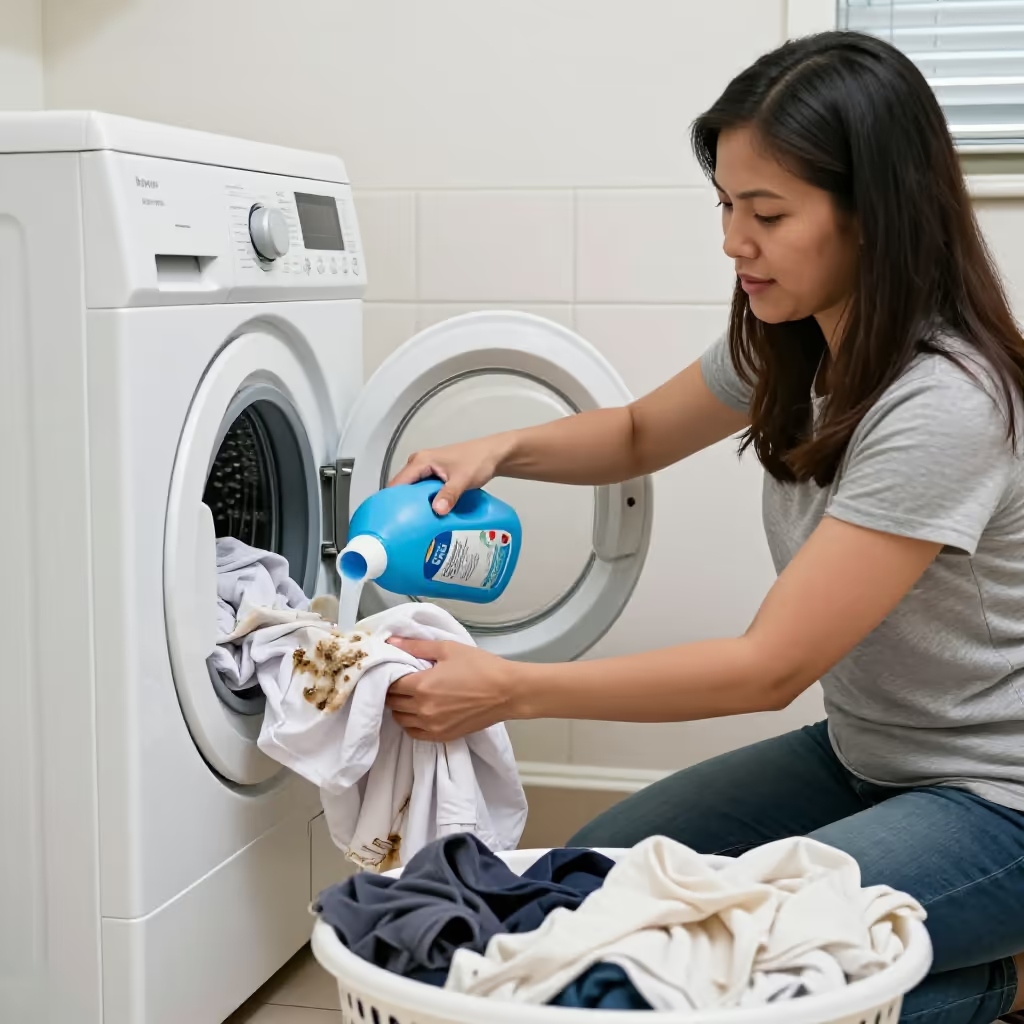
Vor dem Essen putze ich die Erdbeeren und entferne die grünen Blätter.
Before eating them, I prepare the strawberries by removing the green leaves.
Vor dem Essen wasche ich die Erdbeeren vorsichtig mit Wasser.
Before eating them, I carefully wash the strawberries with water.