

wogen
to surge / billow
To be in a wave-like, swaying motion. Typically used for water, grain fields, or large crowds of people.
EXAMPLE
Das Meer wogte heftig während des Sturms.
The sea surged violently during the storm.
to surge / billow
Loading your saved state.
to surge / billow
To be in a wave-like, swaying motion. Typically used for water, grain fields, or large crowds of people.
Das Meer wogte heftig während des Sturms.
The sea surged violently during the storm.

to surge back and forth
With reference to feelings, discussions, or battles: to fluctuate strongly and violently back and forth.
Die Debatte im Parlament wogte stundenlang, ohne dass eine Einigung erzielt wurde.
The debate in parliament surged back and forth for hours without any agreement being reached.
The verb 'wogen' (to surge / billow) belongs to elevated or literary language. You often find it in poems, novels, and vivid descriptions, but rarely in everyday colloquial speech.
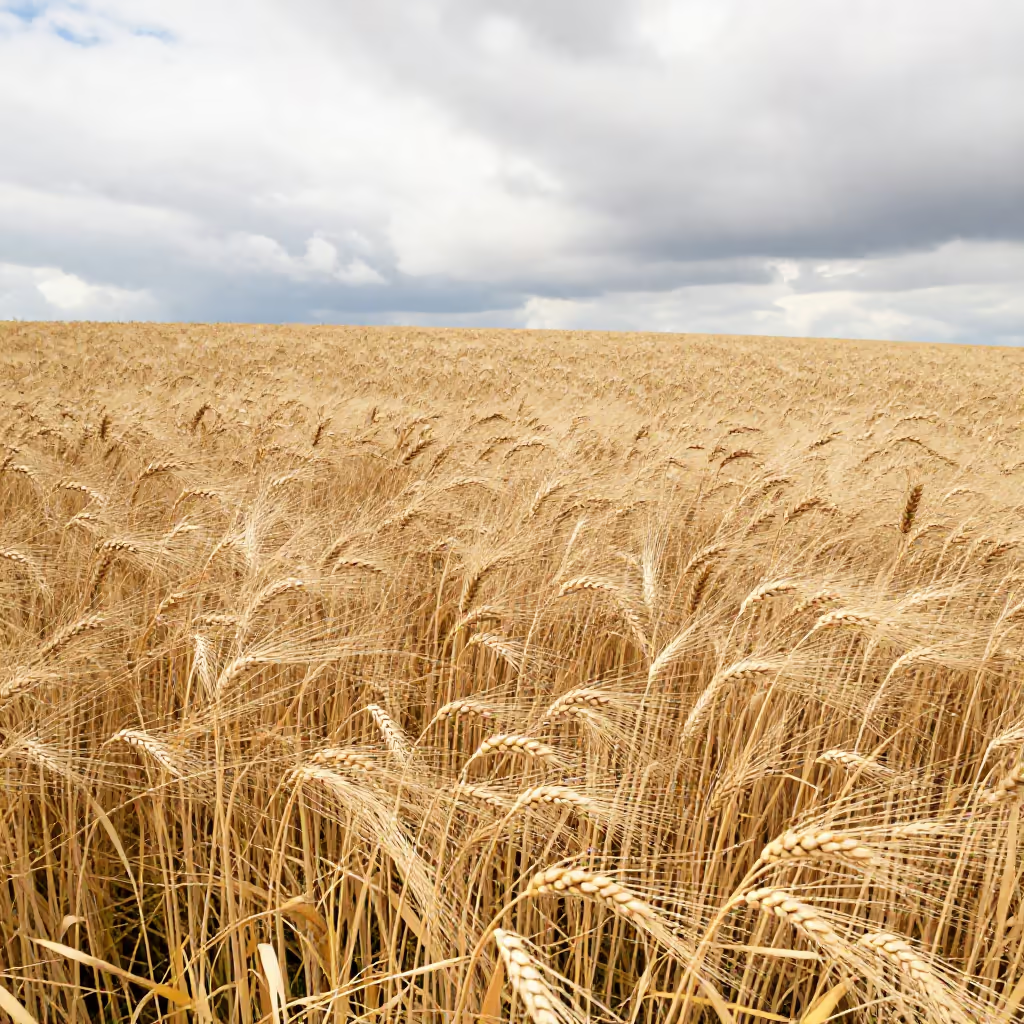
Das goldene Kornfeld wogte sanft im Sommerwind.
The golden field of grain billowed gently in the summer wind.
The verb 'wogen' (to surge / billow) is closely related to the noun 'die Woge' (large wave, billow), which means a large, high wave. The verb therefore describes a movement reminiscent of waves.
Hohe Wogen schlugen gegen die Klippen.
High waves crashed against the cliffs.
In its literal meaning, 'wogen' (to surge / billow) describes a wave-like movement. Typical subjects are the sea, a grain field, or a large crowd of people.
Die Fans wogten nach dem Sieg aus dem Stadion.
After the victory, the fans surged out of the stadium.
In its figurative meaning, 'wogen' (to surge back and forth) is used for intense, unresolved conflicts or strong emotions. Common subjects here are a debate, a battle, or feelings.
Der Streit zwischen den Parteien wogte tagelang hin und her.
The dispute between the parties surged back and forth for days.
to weigh
Sich wiegen and wogen both describe a rhythmic movement. For individual plants or stalks, wiegen is usually used reflexively with sich. Wogen especially describes the broad, wave-like movement of an entire field, a body of water, or a large crowd.
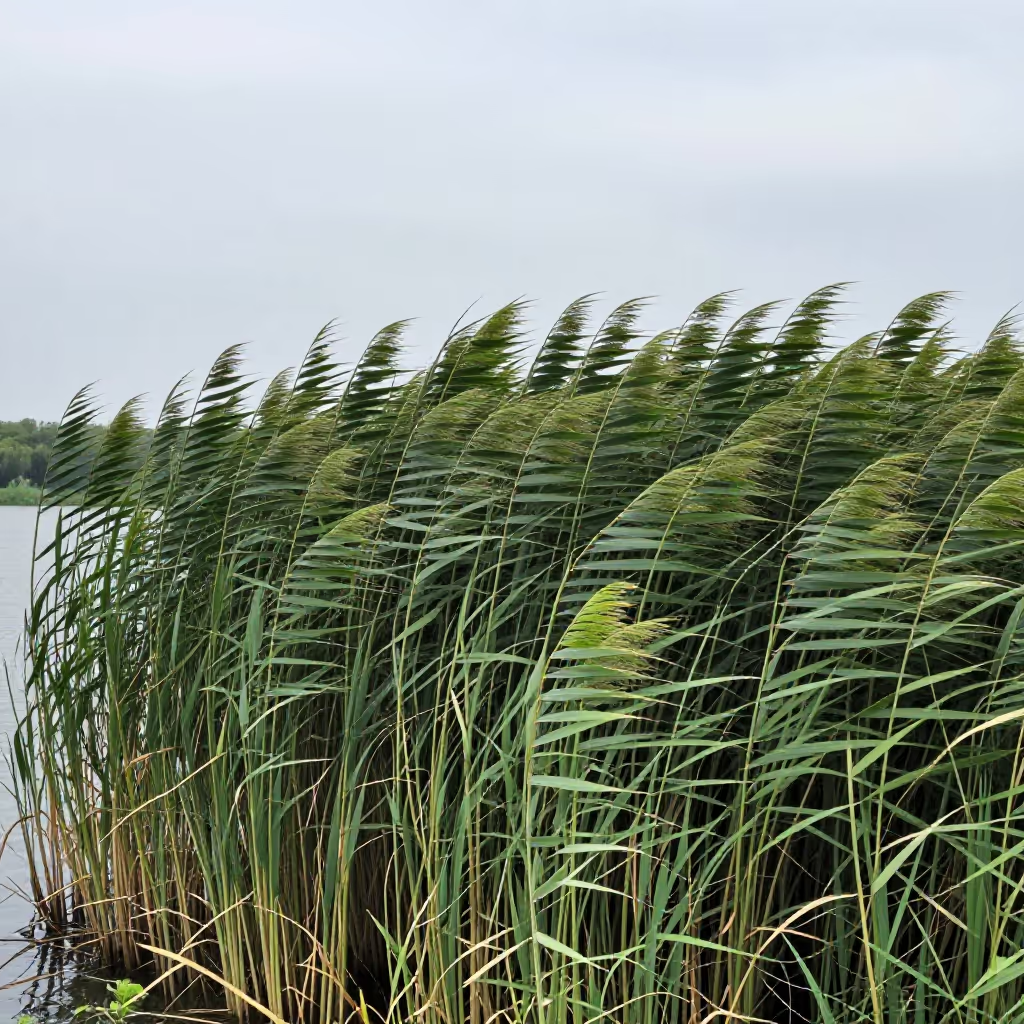
Das ganze Getreidefeld wogt im starken Wind wie eine Welle.
The entire grain field billows in the strong wind like a wave.
Die hohen Halme wiegen sich langsam im Wind.
The tall stalks sway slowly in the wind.