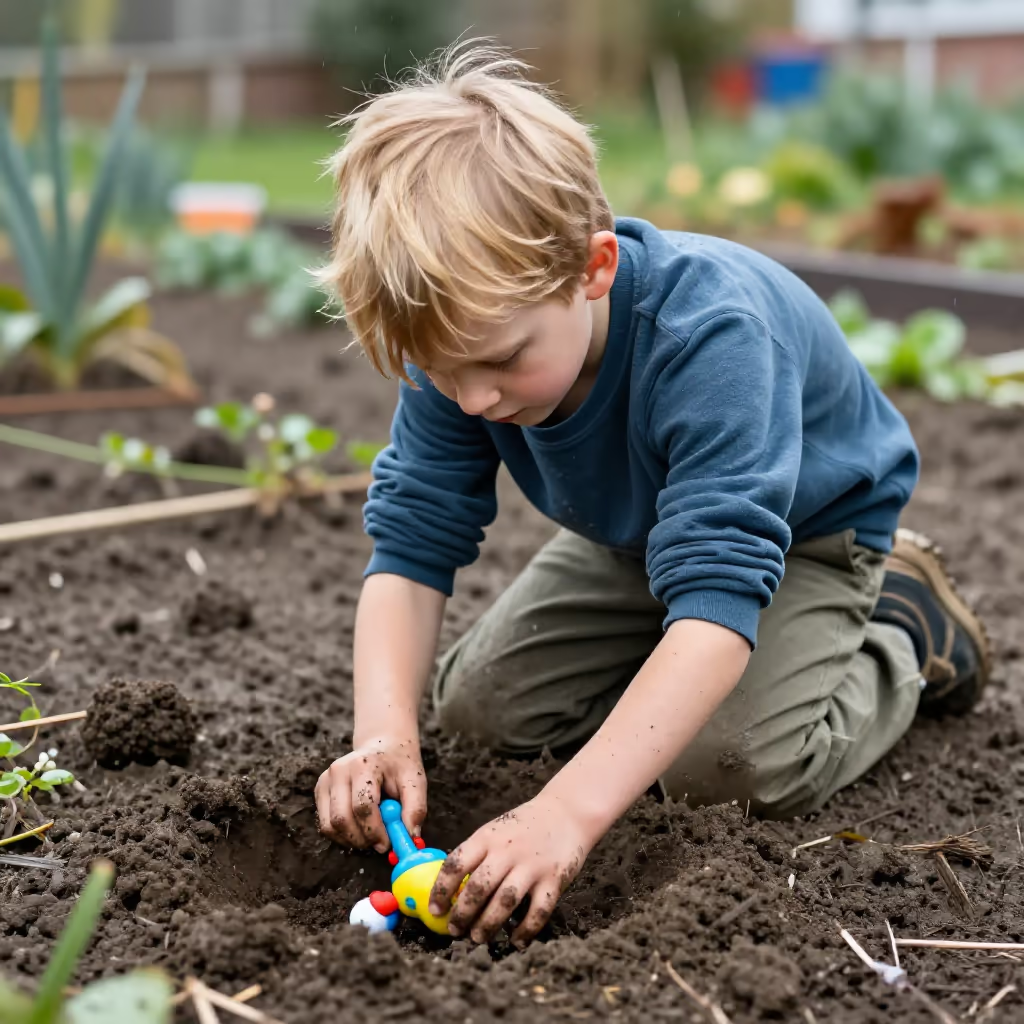
To dig in or move through a soft mass such as soil, sand, or mud, often while looking for something.
example
Die Wildschweine haben nachts im Garten nach Wurzeln gewühlt.
The wild boars rooted around in the garden at night looking for roots.
Usage tips
Sentence structure with preposition
The verb 'wühlen' (to rummage / dig) is almost always used with the preposition 'in' followed by a location in the dative. This pattern applies to all meanings, whether it is a concrete place or an abstract idea.
EXAMPLE
Das Kind wühlte fröhlich im Sandkasten.
The child happily dug around in the sandbox.
Context clue: animals and soil
In the meaning of 'graben' (to dig), 'wühlen' (to dig / root around) is very often used in connection with animals that search for food in the ground. Typical subjects are wild boars or moles.
EXAMPLE
Ein Maulwurf hat in unserem Rasen gewühlt.
A mole has been digging around in our lawn.
Context clue: messy searching
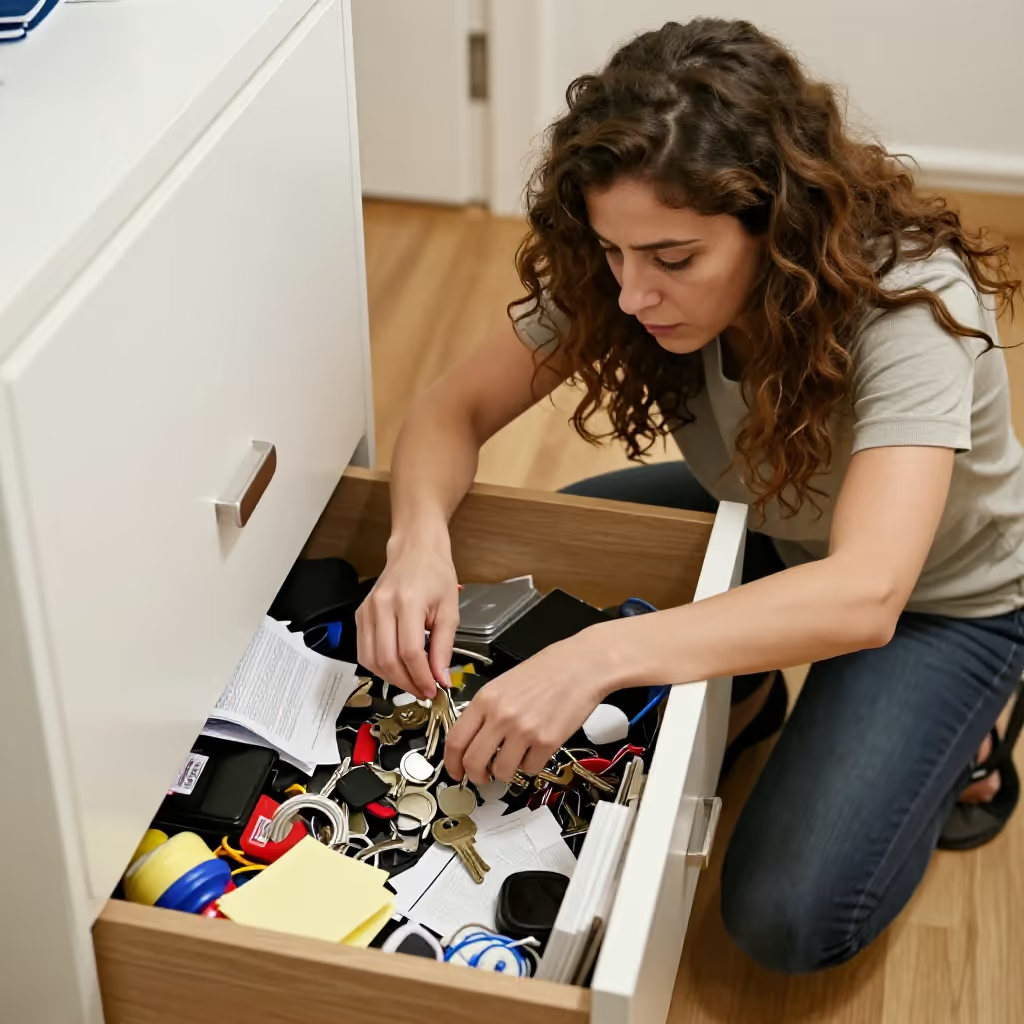
This meaning always describes a messy and hectic search for an object. Typical places are drawers, boxes, bags, or untidy papers.
EXAMPLE
Er wühlte im Kleiderschrank nach einem passenden Hemd.
He rummaged in the wardrobe for a suitable shirt.
Context clue: figurative meaning
You can recognize the figurative meaning from abstract nouns such as 'Vergangenheit' (past), 'Gedanken' (thoughts), or 'Gefühlen' (feelings). It describes an intense and often negative engagement with inner issues.
EXAMPLE
Sie sollte nicht ständig in diesen negativen Gedanken wühlen.
She shouldn't constantly dwell on these negative thoughts.
Compare with
near_synonym · confusable
wühlen vs suchen
to search / look for
'suchen' and 'wühlen' can both mean that you want to find something. 'suchen' is the general word: you can look calmly and in an organized way for a key, a person, or a document. 'wühlen' sounds much more physical and messy. For example, you reach into a bag, a box, or soil and move lots of things around. Learners may confuse the words because 'wühlen' often involves searching too. But 'wühlen' mainly describes the way of searching: intensely, restlessly, and often messily.
wühlen
Im Büro wühlt Tom in seiner Tasche nach dem Ladekabel.
In the office, Tom rummages through his bag for the charging cable.
suchen
Vor dem Termin sucht mein Vater noch seine Unterlagen.
Before the appointment, my father is still looking for his documents.