

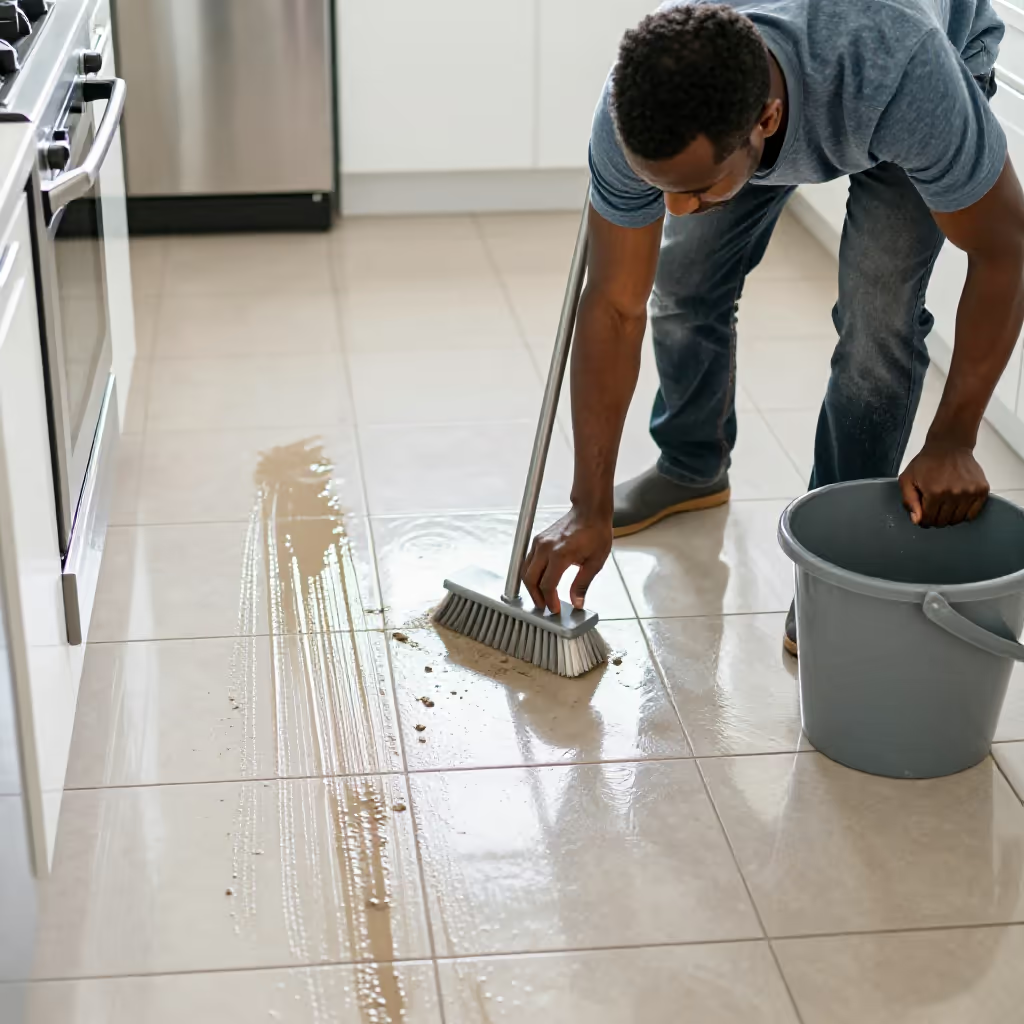
reinigen
to clean
To remove dirt, stains, or impurities from something and make it clean.
EXAMPLE
Nach dem Kochen muss ich immer die Küche reinigen.
After cooking, I always have to clean the kitchen.
to clean
Loading your saved state.
to clean
To remove dirt, stains, or impurities from something and make it clean.
Nach dem Kochen muss ich immer die Küche reinigen.
After cooking, I always have to clean the kitchen.
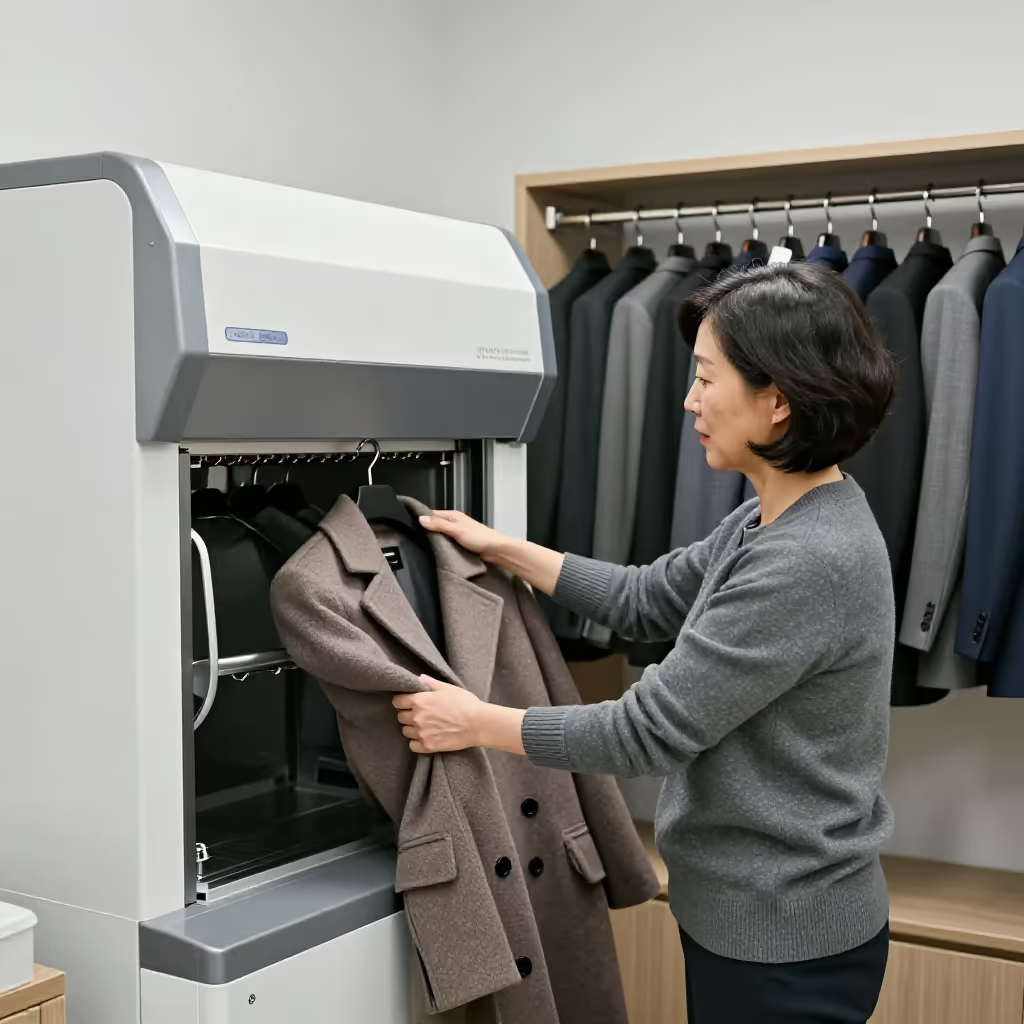
to dry-clean
To subject clothing or textiles to a special chemical treatment in order to clean them, instead of washing them with water.
Diesen Wollmantel darf man nicht waschen, man muss ihn reinigen lassen.
You must not wash this wool coat; you have to have it dry-cleaned.
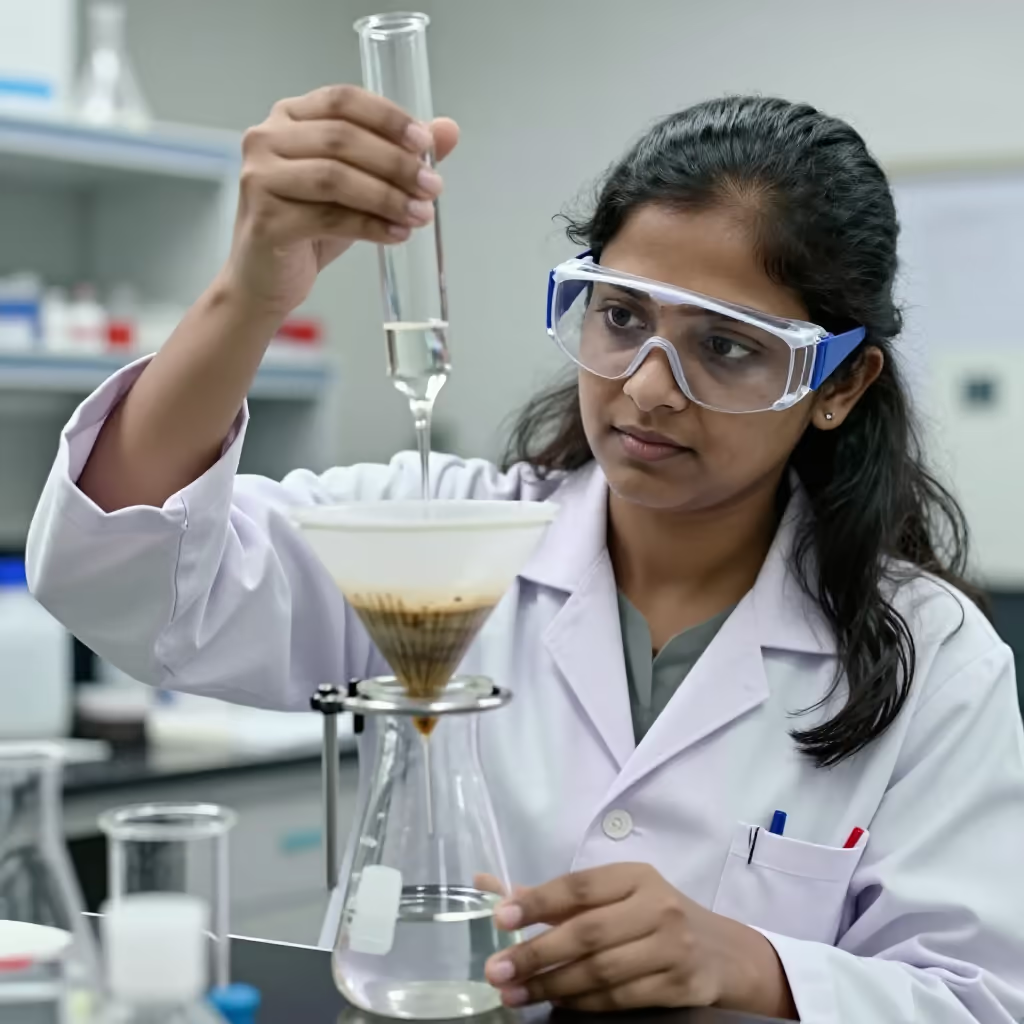
to purify
To remove unwanted components from a substance; to cleanse or purify something.
In der Kläranlage wird das Abwasser gereinigt, bevor es wieder in den Fluss gelangt.
At the sewage treatment plant, the wastewater is purified before it flows back into the river.
The verb 'reinigen' (to clean) is derived from the adjective 'rein' (clean, pure). It literally means 'to make clean/pure'.
Man sollte die Bürste nach jeder Benutzung gründlich reinigen.
You should clean the brush thoroughly after each use.
The related noun is 'die Reinigung' (cleaning). It can refer both to the process of cleaning and to the shop where you have clothes dry-cleaned.
Die Reinigung des Teppichs war sehr aufwendig.
Cleaning the carpet was very labor-intensive.
'Reinigen' (to clean) is often used in a more formal, professional, or technical context. It sounds more thorough than, for example, 'sauber machen' (to clean up/make clean).
Die Wunde muss professionell gereinigt werden.
The wound must be cleaned professionally.
The meaning 'chemisch reinigen' (to dry-clean) can often be recognized from context: delicate clothing such as suits, coats, silk blouses, or the construction 'etwas reinigen lassen' (to have something cleaned/dry-cleaned).
Ich habe meinen Wintermantel reinigen lassen.
I had my winter coat dry-cleaned.
In the meaning 'purifizieren' (to purify), 'reinigen' (to clean/purify) is mostly used for substances such as water, air, or gases. This use is typical of scientific or environmental-technology topics.
Die Anlage reinigt das Trinkwasser von Schadstoffen.
The system purifies the drinking water of pollutants.
to wash
Waschen and reinigen can both be used to make clothing clean. Waschen refers to cleaning with water and usually detergent; with clothing, reinigen can also mean a special chemical treatment. When this treatment is the focus, reinigen is appropriate; otherwise, waschen is usually used.
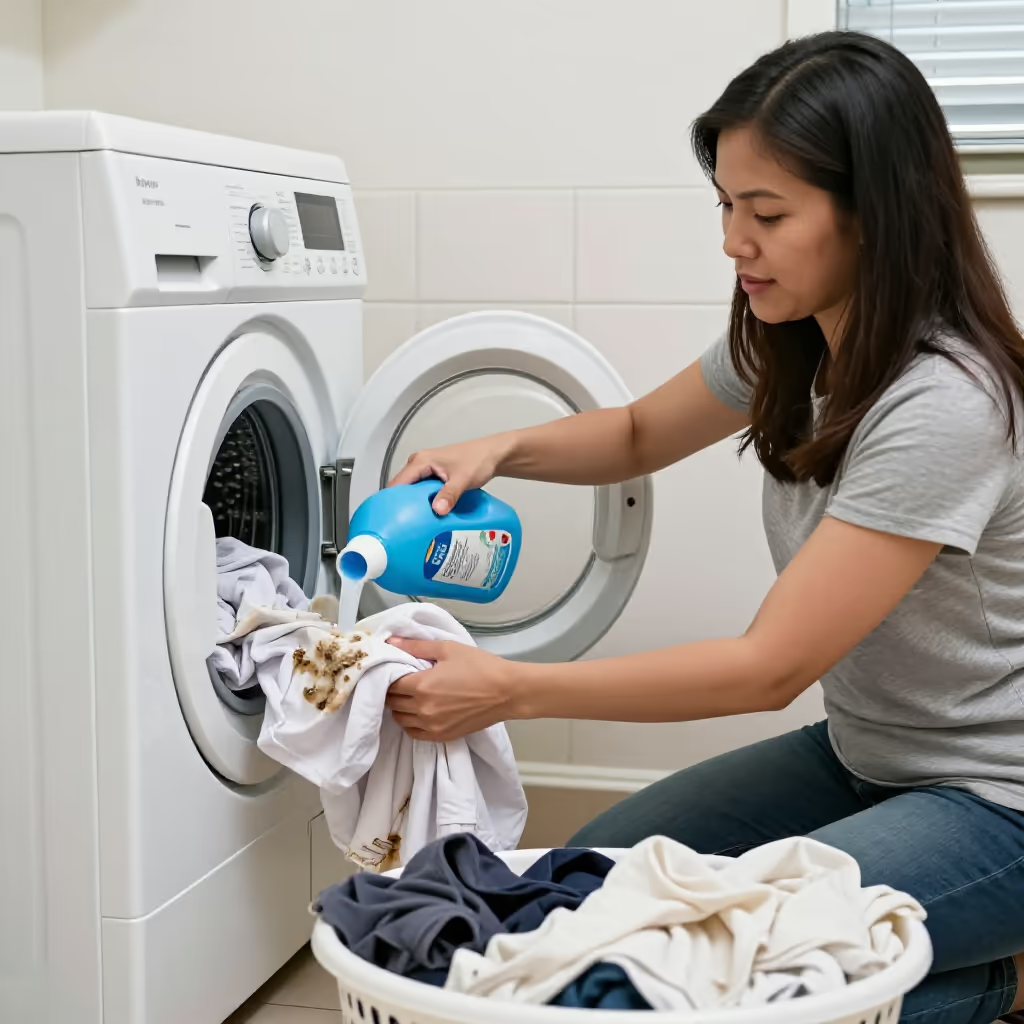
Ich lasse die empfindliche Jacke in der Reinigung chemisch reinigen.
I take the delicate jacket to the dry cleaner to have it dry-cleaned.
Ich wasche die schmutzige Jacke mit Wasser und Waschmittel.
I wash the dirty jacket with water and detergent.