


die Freude
joy
A strong, positive feeling of happiness and satisfaction.
EXAMPLE
Die Freude über das bestandene Examen war riesig.
The joy over passing the exam was enormous.
joy
die Freude, die Freuden
Loading your saved state.
joy
A strong, positive feeling of happiness and satisfaction.
Die Freude über das bestandene Examen war riesig.
The joy over passing the exam was enormous.
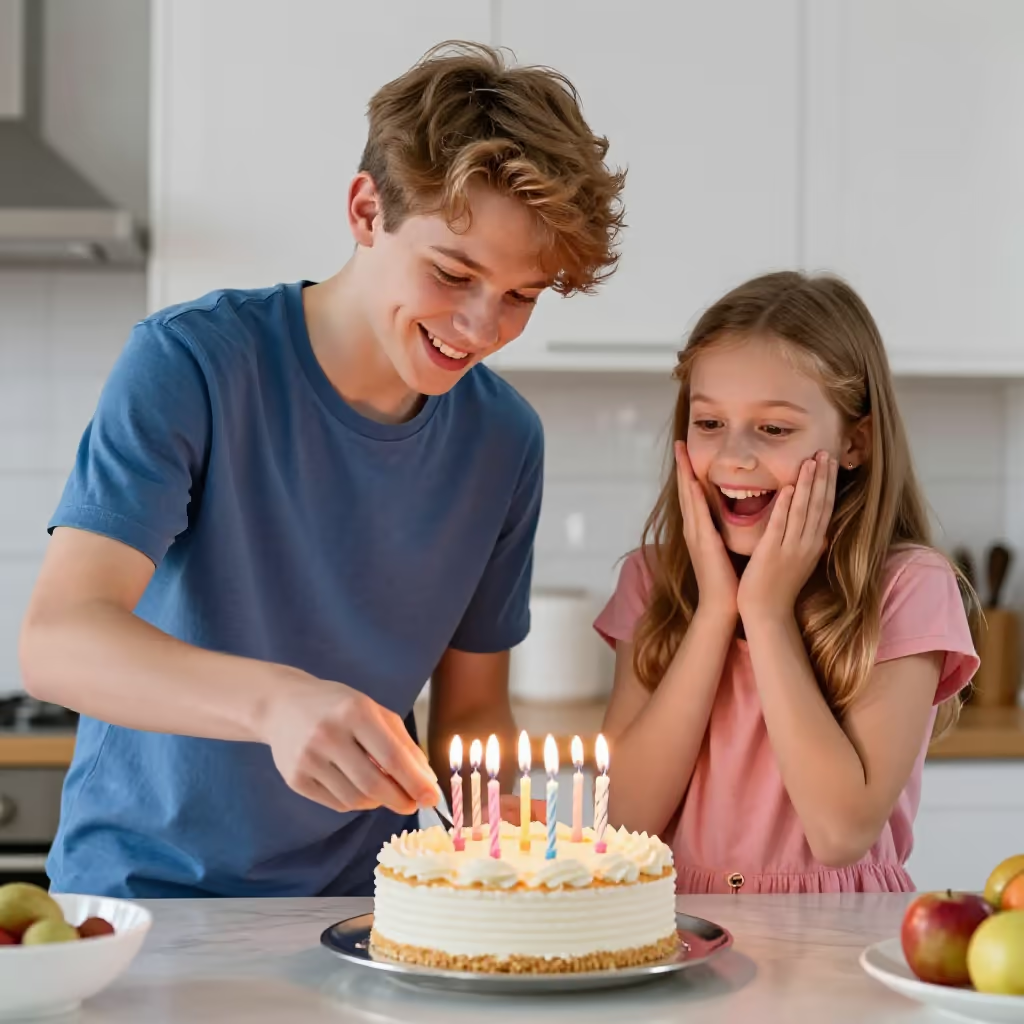
to make someone happy
To do something that makes another person happy or pleased.
Mit einem Blumenstrauß wollte er seiner Mutter eine Freude machen.
He wanted to make his mother happy with a bouquet of flowers.
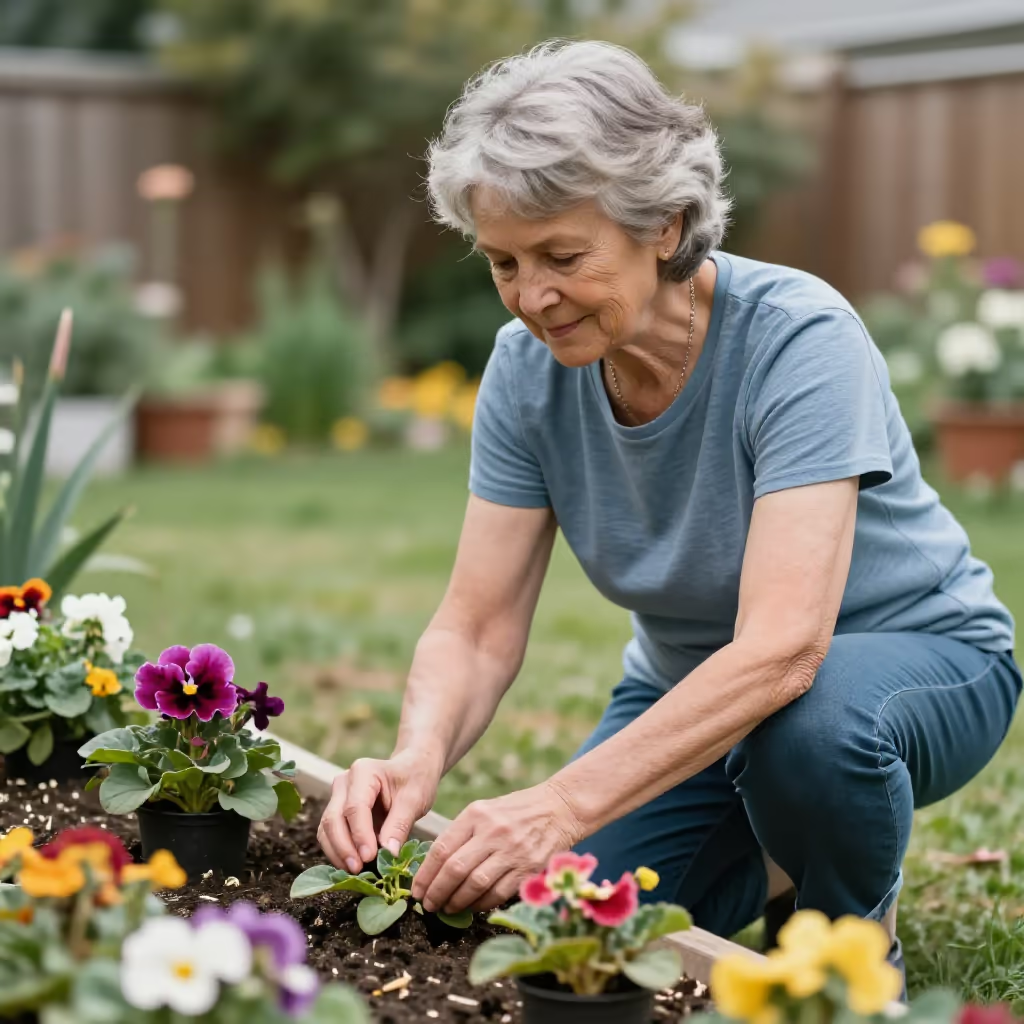
to enjoy something
To take pleasure in an activity or thing; to enjoy something.
Mein Großvater hat große Freude an der Gartenarbeit.
My grandfather greatly enjoys gardening.
| gender | feminine die |
|---|---|
| plural | die Freuden |
| genitive | der Freude |
| singular | plural | |
|---|---|---|
| nominative | die Freude | die Freuden |
| accusative | die Freude | die Freuden |
| dative | der Freude | den Freuden |
| genitive | der Freude | der Freuden |
The article changes with the case; it is shown in colour.
'Die Freude' (joy) belongs to a word family with the reflexive verb 'sich freuen' (to be happy/look forward to) and the adjective 'freudig' (joyful). All of these words express a positive feeling.
Ich freue mich schon auf das Wochenende.
I am already looking forward to the weekend.
The prepositions are crucial: 'Freude über' (+ accusative) describes the reaction to a specific event. 'Freude an' (+ dative) describes a more lasting pleasure in a thing or activity.
Die Freude über das Geschenk war groß.
The joy over the gift was great.
Er hat viel Freude an seinem neuen Hobby.
He takes a lot of pleasure in his new hobby.
Common combinations are 'große Freude' (great joy), 'wahre Freude' (true joy), or 'diebische Freude' (malicious delight). You can also 'empfinden' (feel), 'spüren' (sense/feel), or 'zeigen' (show) joy.
Es war eine wahre Freude, ihr beim Spielen zuzusehen.
It was a true joy to watch her play.
Er konnte seine Freude kaum verbergen.
He could hardly hide his joy.
In the fixed expression 'jemandem eine Freude machen' (to make someone happy), the person who receives the gift or nice gesture is always in the dative.
Ich möchte dir mit diesem kleinen Geschenk eine Freude machen.
I would like to make you happy with this small gift.
happiness / luck
Freude is usually a positive reaction to a specific, pleasing occasion. Glück generally refers more to an all-encompassing state of intense joy and contentment. A good piece of news therefore often calls for Freude, while the positive experience of life as a whole is more likely to be described as Glück.

Über die gute Nachricht empfindet Paul große Freude.
Paul feels great joy at the good news.
Im Kreis seiner Familie empfindet Paul tiefes Glück.
Paul feels profound happiness surrounded by his family.