To occur or take place; to happen. It describes an event that happens without the active involvement of a specific person.
example
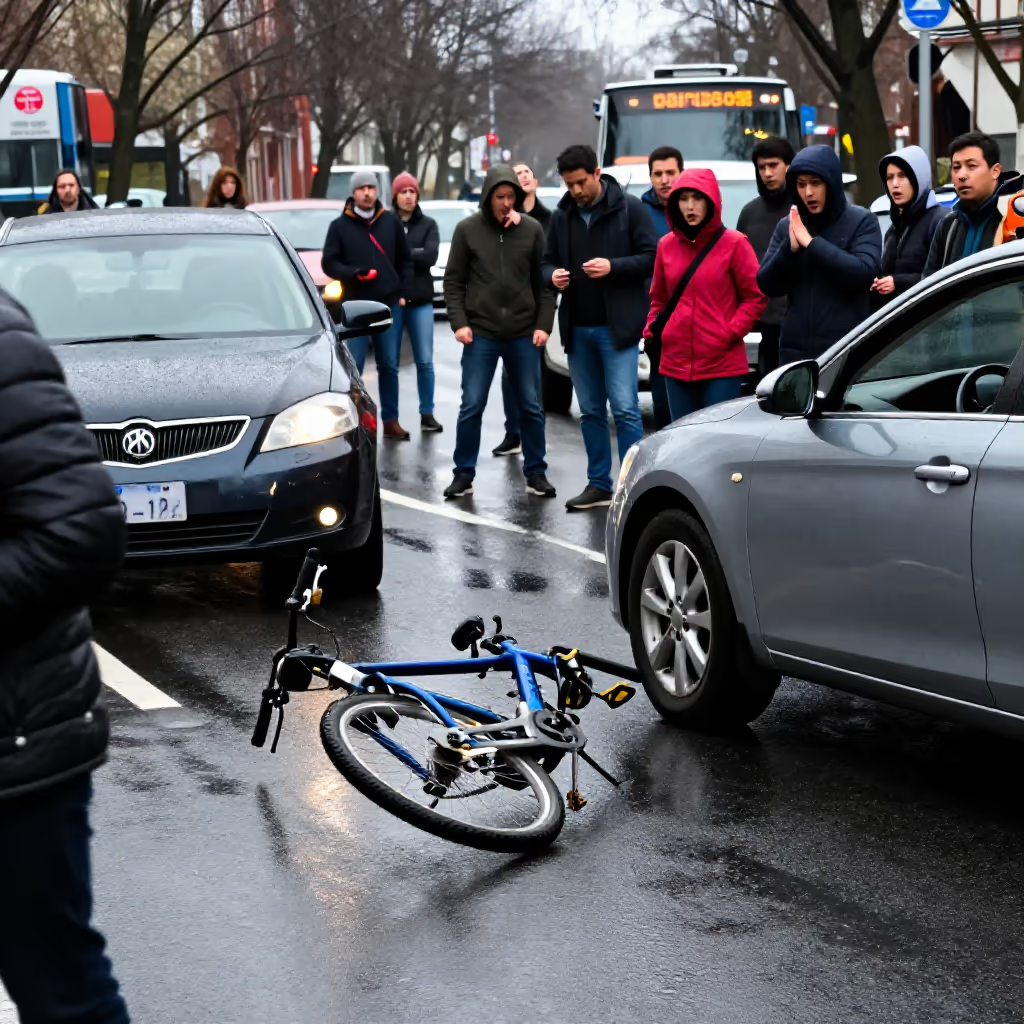
Der Unfall ist gestern Abend auf der Autobahn geschehen.
The accident happened on the highway yesterday evening.
Usage tips
Perfect tense with 'sein'
The verb 'geschehen' (to happen) always forms the perfect tense with the auxiliary verb 'sein' (to be). This is because it describes an event or a change of state. Using 'haben' (to have) here is a common mistake.
EXAMPLE
Was ist denn hier geschehen?
What happened here?
Impersonal use
'Geschehen' (to happen) is very often used impersonally with 'es' (it) as the subject, or the event itself is the subject. It describes something that happens, often without an acting person.
EXAMPLE
Es geschah alles ganz schnell.
It all happened very quickly.
Elevated style
This verb belongs to a rather formal or written style. It is used less often in everyday spoken language.
EXAMPLE
Die Ereignisse, die damals geschahen, prägen den Ort bis heute.
The events that happened back then still shape the place today.
Fixed expression
The idiom 'es ist um jemanden geschehen' has a fixed structure. The person affected is always in the accusative after the preposition 'um'.
EXAMPLE
Als er ihre Stimme hörte, war es sofort um ihn geschehen.
When he heard her voice, he was immediately done for.
Compare with
near_synonym · confusable
geschehen vs machen
to do / make
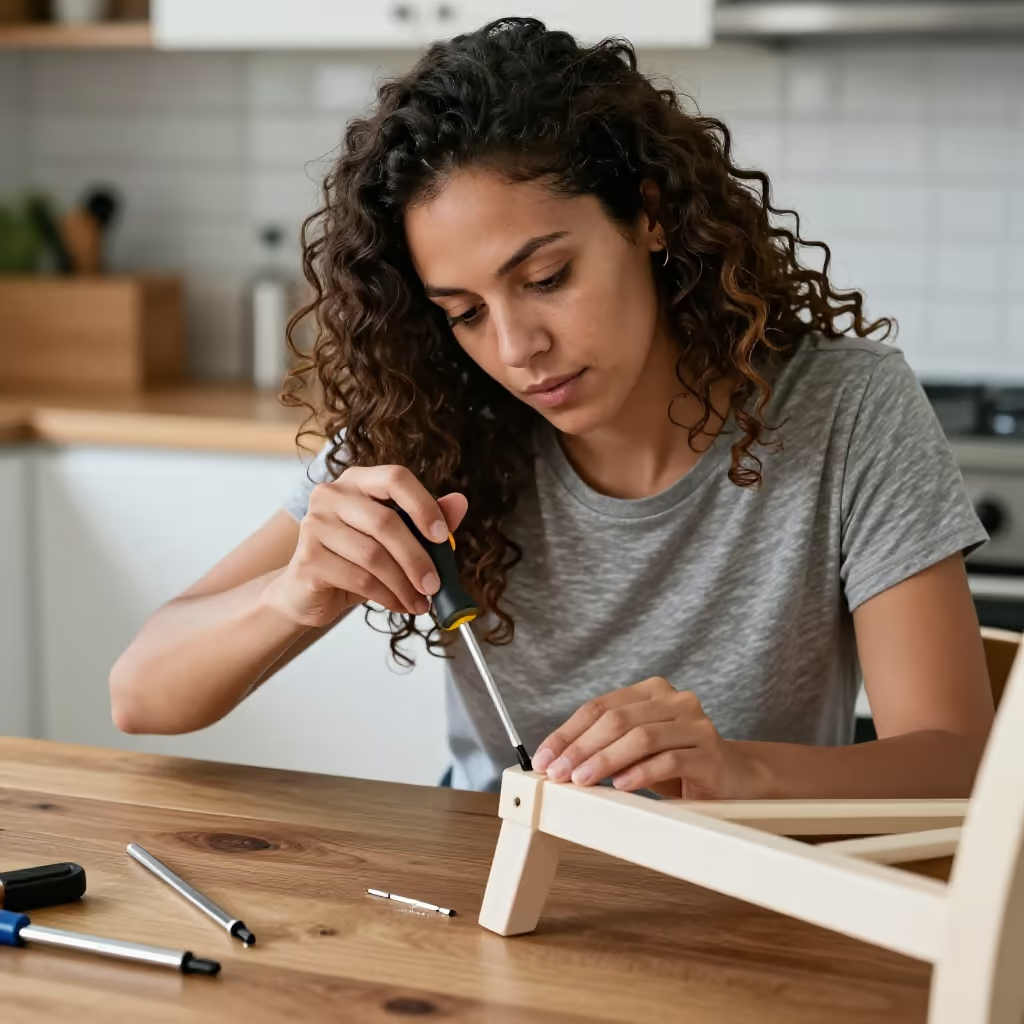
'machen' and 'geschehen' can both have to do with an action or an event. The most important difference is: with 'machen', someone acts actively. With 'geschehen', something happens, often without a specific person being the focus. Learners may confuse the words because you can sometimes talk about the same situation in both ways: a person does something, and as a result something happens. In everyday life, you almost always use 'machen' for your own activities. 'geschehen' fits better when asking what happened.
geschehen
Nach dem Unfall wollte die Familie wissen, was genau geschehen war.
After the accident, the family wanted to know exactly what had happened.
machen
Am Wochenende machen wir die Wohnung sicherer.
At the weekend, we are making the apartment safer.