


passieren
to happen
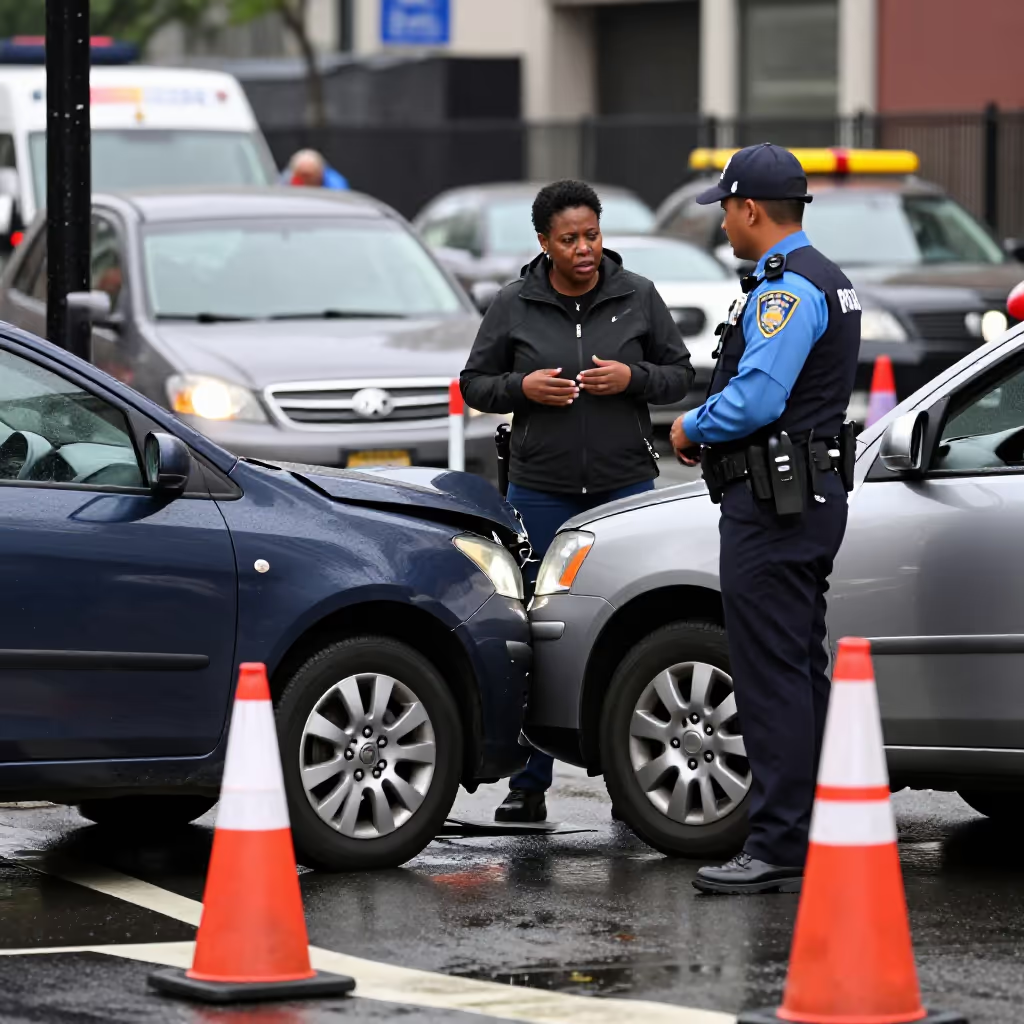
To occur, to take place. Describes an event or incident that happens.
EXAMPLE
Gestern ist auf der Autobahn ein Unfall passiert.
Yesterday, an accident happened on the highway.
to happen / pass
Loading your saved state.
to happen
To occur, to take place. Describes an event or incident that happens.
Gestern ist auf der Autobahn ein Unfall passiert.
Yesterday, an accident happened on the highway.
to pass
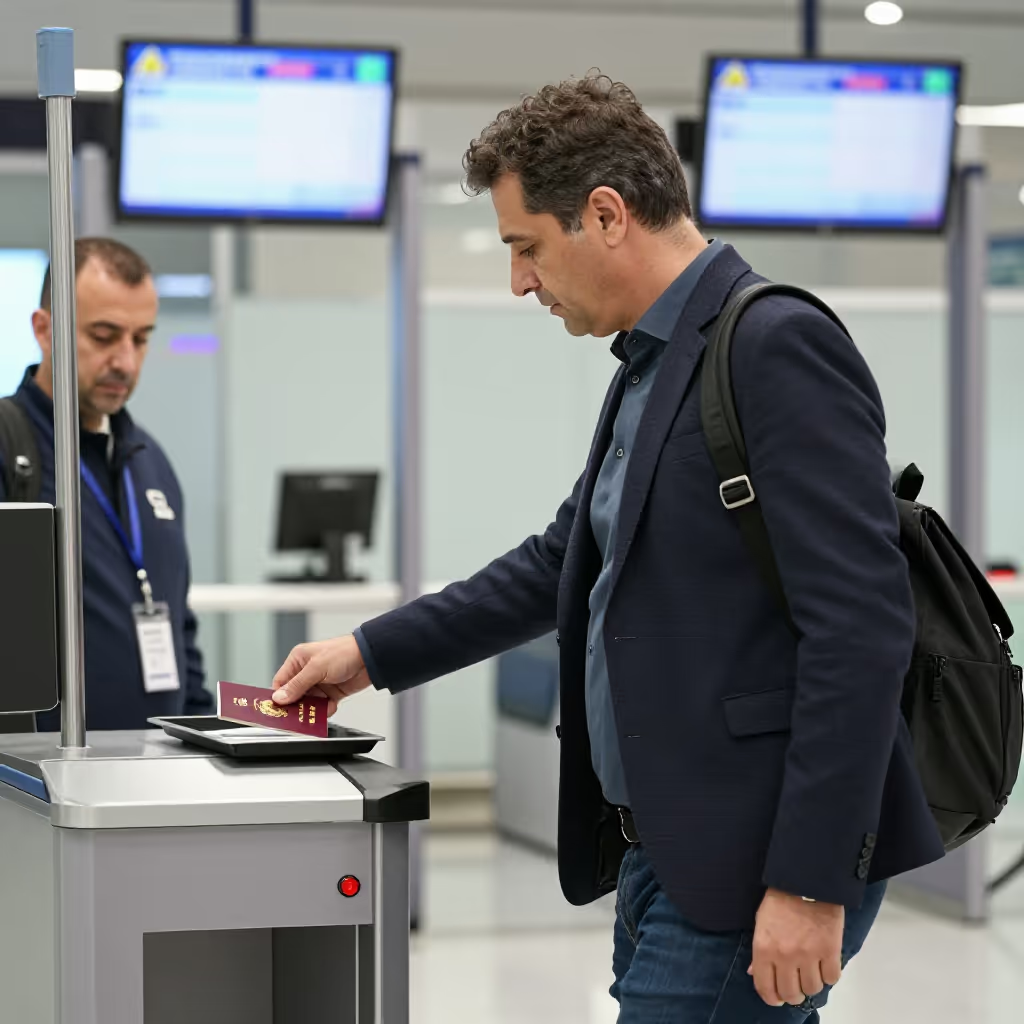
To go past a place or cross a particular point, such as a border or checkpoint.
Um in die Schweiz zu fahren, müssen wir die Grenze passieren.
To drive into Switzerland, we have to pass the border.
to strain / sieve
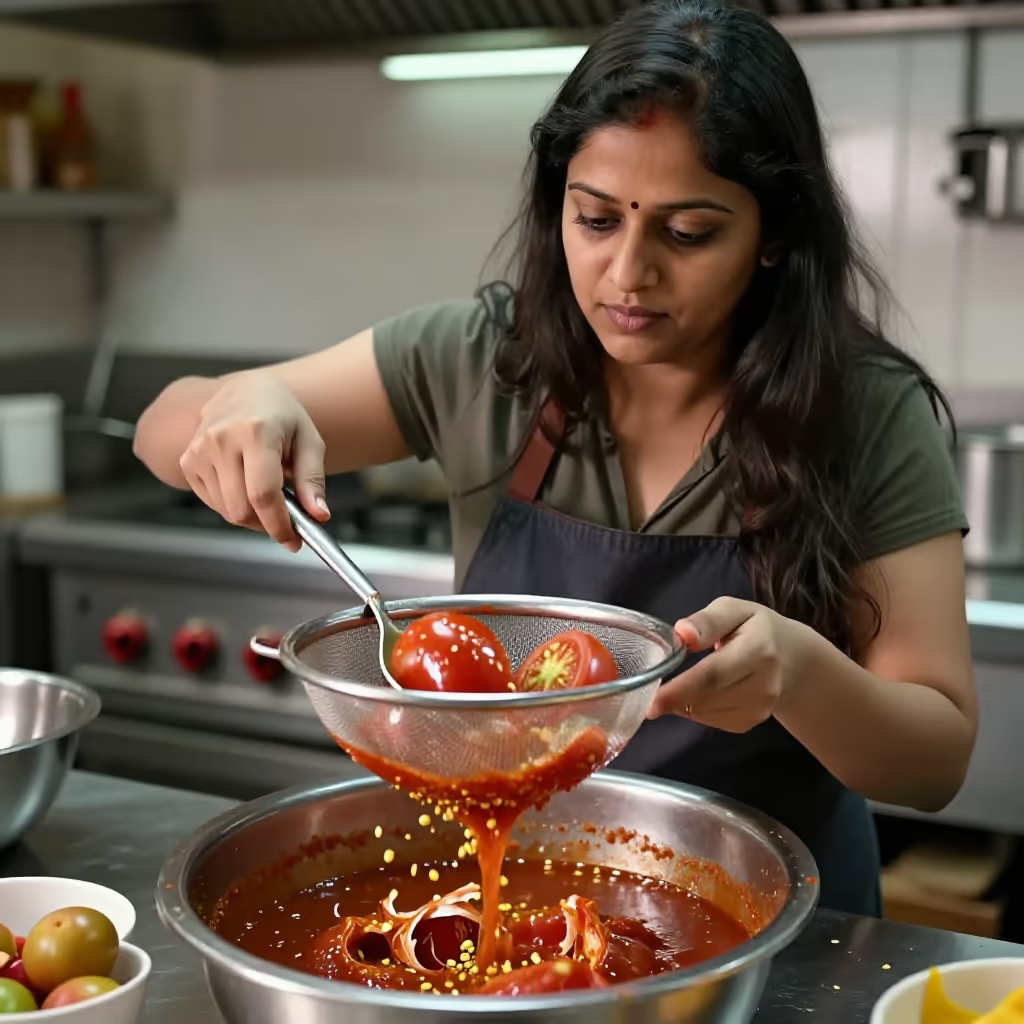
In cooking, to press food through a sieve in order to purée it or separate it from solid parts.
Für die Tomatensoße müssen die gekochten Tomaten passiert werden.
For the tomato sauce, the cooked tomatoes have to be strained.
In the meaning 'geschehen' (to happen), 'passieren' always forms the perfect tense with the auxiliary verb 'sein' (to be), not with 'haben' (to have). This is an important exception for a verb that does not describe movement.
Was ist denn hier passiert?
What happened here?
When 'passieren' means 'geschehen' (to happen), the person something happens to is in the dative. The event itself is the subject of the sentence.
Dem Fahrer ist bei dem Unfall nichts passiert.
Nothing happened to the driver in the accident.
You can recognize the meaning from the context: Is it about an event ('Was ist passiert?' — What happened?), a place ('die Grenze passieren' — to pass the border), or food in the kitchen ('Tomaten passieren' — to strain tomatoes)?
Es kann immer mal ein Fehler passieren.
A mistake can always happen now and then.
When 'passieren' means 'vorbeigehen' (to go past) or 'überqueren' (to cross), it requires an accusative object. This object is the place that one passes.
Die Wanderer müssen noch eine schmale Brücke passieren.
The hikers still have to pass a narrow bridge.
The meaning 'durch ein Sieb streichen' (to press through a sieve) is used almost exclusively in the context of cooking and food preparation. The verb often appears in the passive voice.
Die gekochten Kartoffeln werden für das Püree passiert.
The cooked potatoes are strained for the purée.
to come
Both words can express that an event takes place. passieren is the normal, direct way to refer to something happening, while kommen in certain expressions such as „es kommt zu“ describes the event occurring somewhat more indirectly. Use passieren in general and kommen especially in such fixed expressions.
Nach dem Streit passierte eine kurze Pause.
After the argument, there was a short pause.
Nach dem Streit kam es zu einer kurzen Pause.
After the argument, there was a short pause.