


die Leere
emptiness
A state in which something is empty or nothing is present.
EXAMPLE
Nach dem Umzug herrschte in der Wohnung eine ungewohnte Leere.
After the move, an unfamiliar emptiness filled the apartment.
emptiness / void
die Leere
Loading your saved state.
emptiness
A state in which something is empty or nothing is present.
Nach dem Umzug herrschte in der Wohnung eine ungewohnte Leere.
After the move, an unfamiliar emptiness filled the apartment.
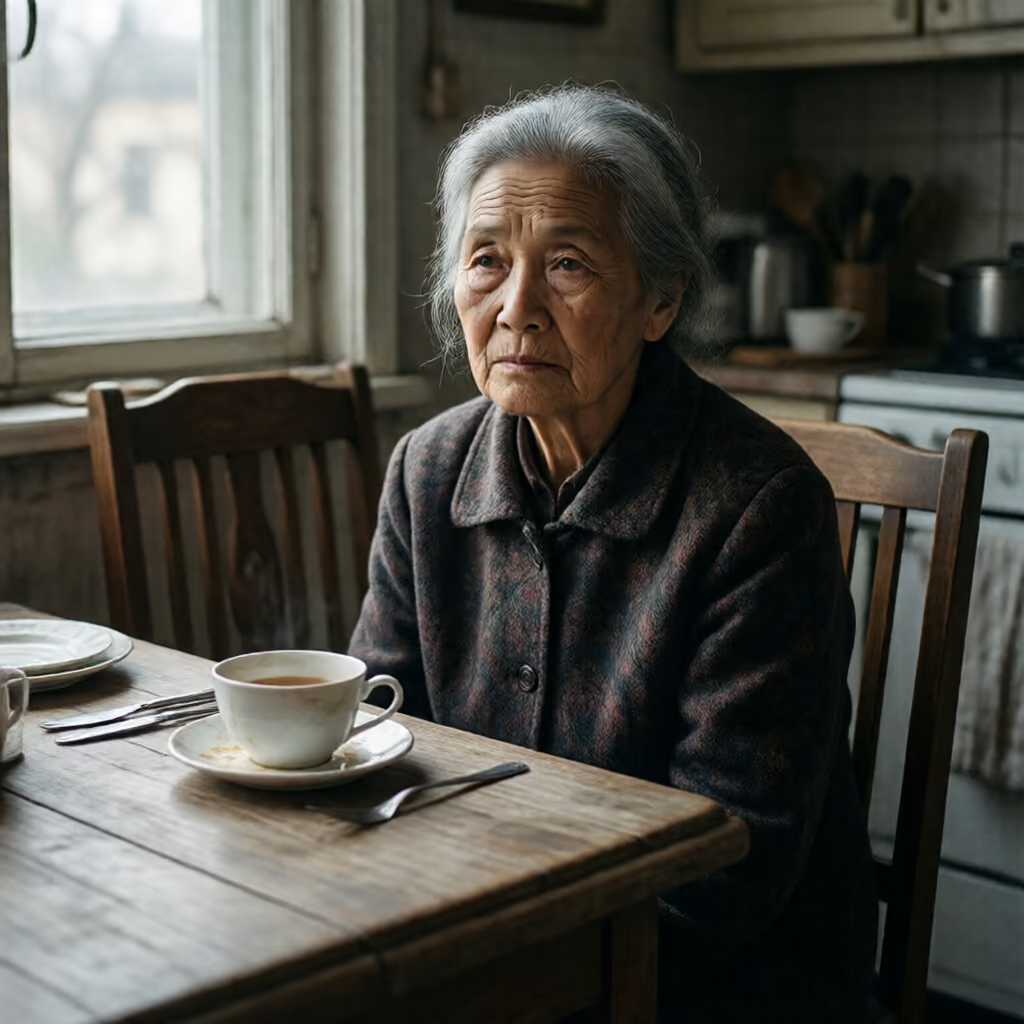
emptiness
An inner feeling of meaninglessness, loneliness, or a lack of fulfillment.
Seit dem Verlust ihres Partners spürt sie eine tiefe Leere.
Since losing her partner, she has felt a deep emptiness.
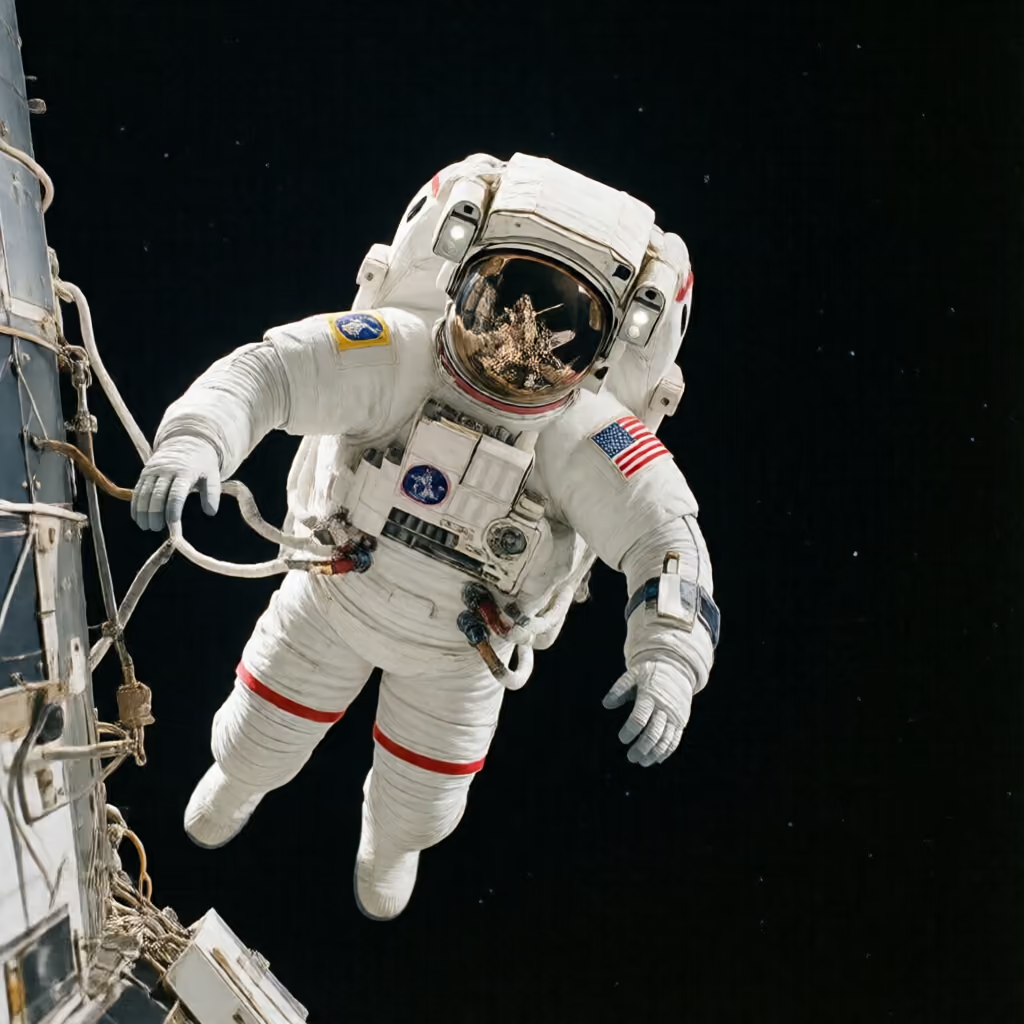
void
An empty space or a large, uninhabited, unused area.
Vor dem Raumschiff lag die endlose Leere des Weltalls.
Ahead of the spacecraft stretched the endless void of outer space.
| gender | feminine die |
|---|---|
| genitive | der Leere |
| singular | plural | |
|---|---|---|
| nominative | die Leere | – |
| accusative | die Leere | – |
| dative | der Leere | – |
| genitive | der Leere | – |
The article changes with the case; it is shown in colour.
'Leere' (emptiness) is derived from the adjective 'leer' (empty). The ending '-e' turns it into a noun and refers to a state or a space in which something is missing.
Das Stadion war fast leer, und die Leere auf den Rängen drückte auf die Stimmung.
The stadium was almost empty, and the emptiness in the stands brought down the mood.
When referring to objects or rooms, 'Leere' (emptiness) usually indicates a lack of contents. Verbs such as 'spüren' (to feel) or 'empfinden' (to experience) often point to an inner feeling, while words such as 'Weltall' (outer space) or 'Horizont' (horizon) indicate a wide, uninhabited space.
Die Leere in den Regalen fiel sofort auf.
The emptiness on the shelves was immediately noticeable.
Nach dem Streit spürte er eine große Leere.
After the argument, he felt a great emptiness.
Bis zum Horizont erstreckte sich die Leere der Wüste.
The emptiness of the desert stretched all the way to the horizon.
When referring to a lack of contents, common phrases include 'gähnende Leere' (gaping emptiness), 'Leere in den Regalen' (emptiness on the shelves), and 'Leere in einem Raum' (emptiness in a room). The word often describes a visible state.
Im Kühlschrank herrschte nach der langen Reise gähnende Leere.
After the long journey, there was a yawning emptiness in the refrigerator.
For the inner feeling, 'Leere' (emptiness) is often used with verbs such as 'spüren' (to feel), 'fühlen' (to feel), or 'empfinden' (to experience), and with intensifiers such as 'tiefe' (deep) or 'große' (great). These collocations often relate to loss, loneliness, or a difficult phase in life.
Nach dem Abschied empfand sie eine tiefe Leere.
After saying goodbye, she felt a deep emptiness.