

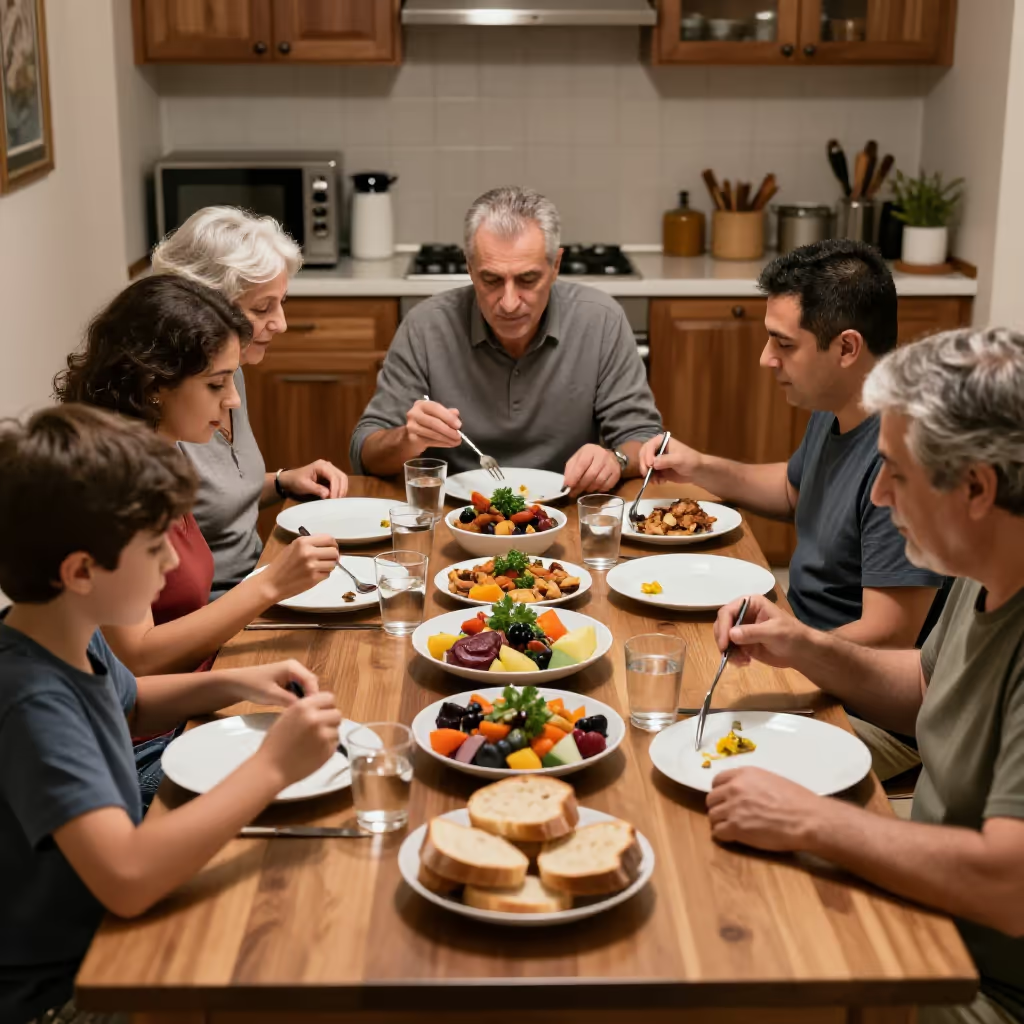
die Mahlzeit
meal
Food eaten at a particular time of day, such as breakfast, lunch, or dinner.
EXAMPLE
Das Abendessen ist für uns die wichtigste Mahlzeit des Tages.
Dinner is the most important meal of the day for us.
meal
Loading your saved state.
meal
Food eaten at a particular time of day, such as breakfast, lunch, or dinner.
Das Abendessen ist für uns die wichtigste Mahlzeit des Tages.
Dinner is the most important meal of the day for us.

Enjoy your meal!
A greeting used around lunchtime, especially among colleagues. It is a shortened form of 'Gesegnete Mahlzeit!' (blessed meal).
Wir sehen uns später in der Kantine. Mahlzeit!
See you later in the cafeteria. Enjoy your meal!
The word is made up of 'Mahl' (an old word for meal/food) and 'Zeit' (time). So it literally means the food eaten at a particular time.
Die Familie isst drei Mahlzeiten am Tag gemeinsam.
The family eats three meals a day together.
Common verbs used with 'Mahlzeit' (meal) are 'eine Mahlzeit zubereiten' (to prepare/cook a meal), 'eine Mahlzeit einnehmen' (to eat/have a meal), or 'eine Mahlzeit auslassen' (to skip a meal).
Sportler sollten nach dem Training eine proteinreiche Mahlzeit zu sich nehmen.
Athletes should have a protein-rich meal after training.
As a standalone exclamation, 'Mahlzeit!' is a typical greeting around lunchtime, especially among colleagues at work. With it, people wish each other a good appetite or greet each other on the way to lunch break.
Ich gehe jetzt in die Kantine. – Mahlzeit!
I'm going to the cafeteria now. – Enjoy your meal!
food / meal / eating
Essen can refer both to the food itself and to a meal. Mahlzeit more specifically refers to a meal as a unit at a particular time of day. When the food is the focus, Essen is appropriate; for breakfast, lunch, or dinner as a set occasion, Mahlzeit is more precise.
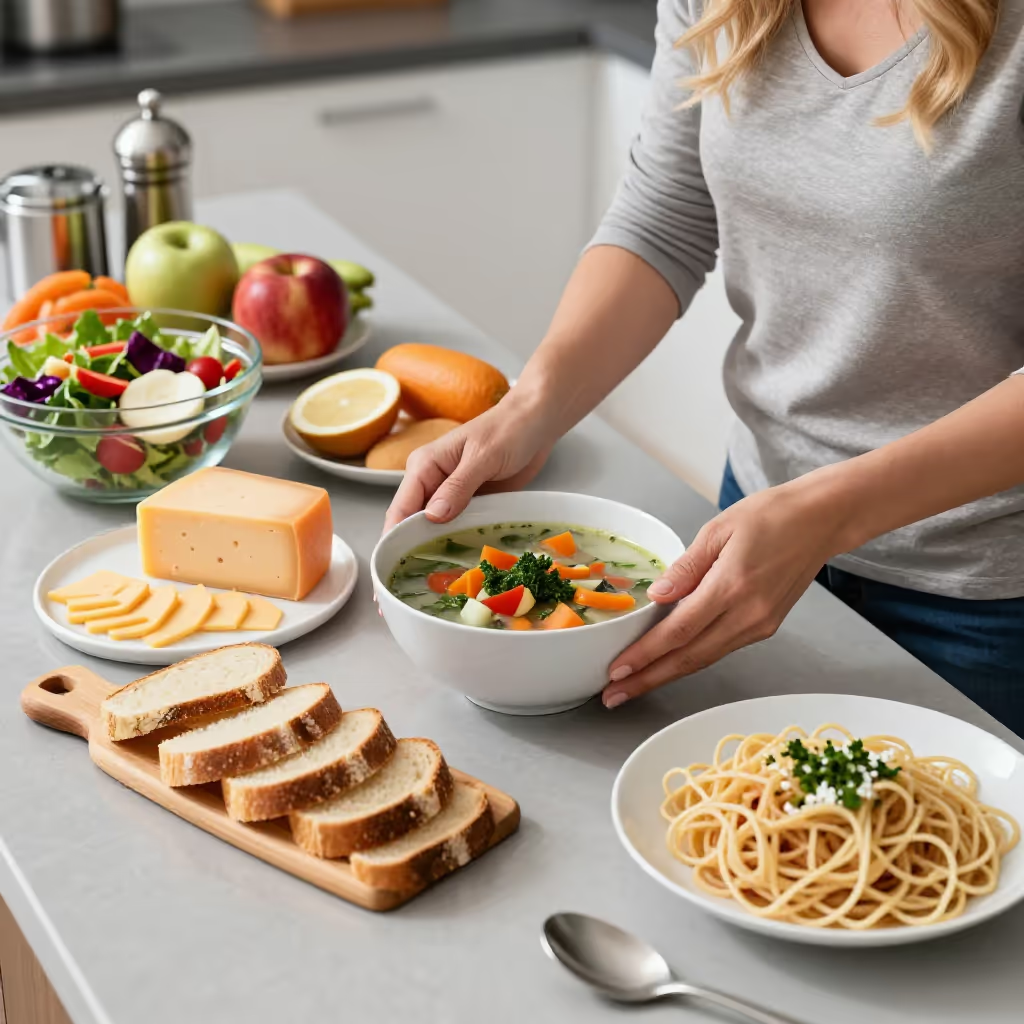
Die heutige Mahlzeit beginnt pünktlich um zwölf Uhr.
Today's meal starts promptly at noon.
Das Essen für heute Mittag steht schon auf dem Tisch.
The food for lunch today is already on the table.