


schnappen
to snap at
To grab something or someone quickly and suddenly.
EXAMPLE
Der Hund schnappte nach dem Ball, den ich geworfen hatte.
The dog snapped at the ball that I had thrown.
to snap / grab
Loading your saved state.
to snap at
To grab something or someone quickly and suddenly.
Der Hund schnappte nach dem Ball, den ich geworfen hatte.
The dog snapped at the ball that I had thrown.

to grab
To quickly take or secure someone or something, often before someone else does.
Ich schnappe mir noch ein Stück Kuchen, bevor alles weg ist.
I'll grab another piece of cake before it's all gone.
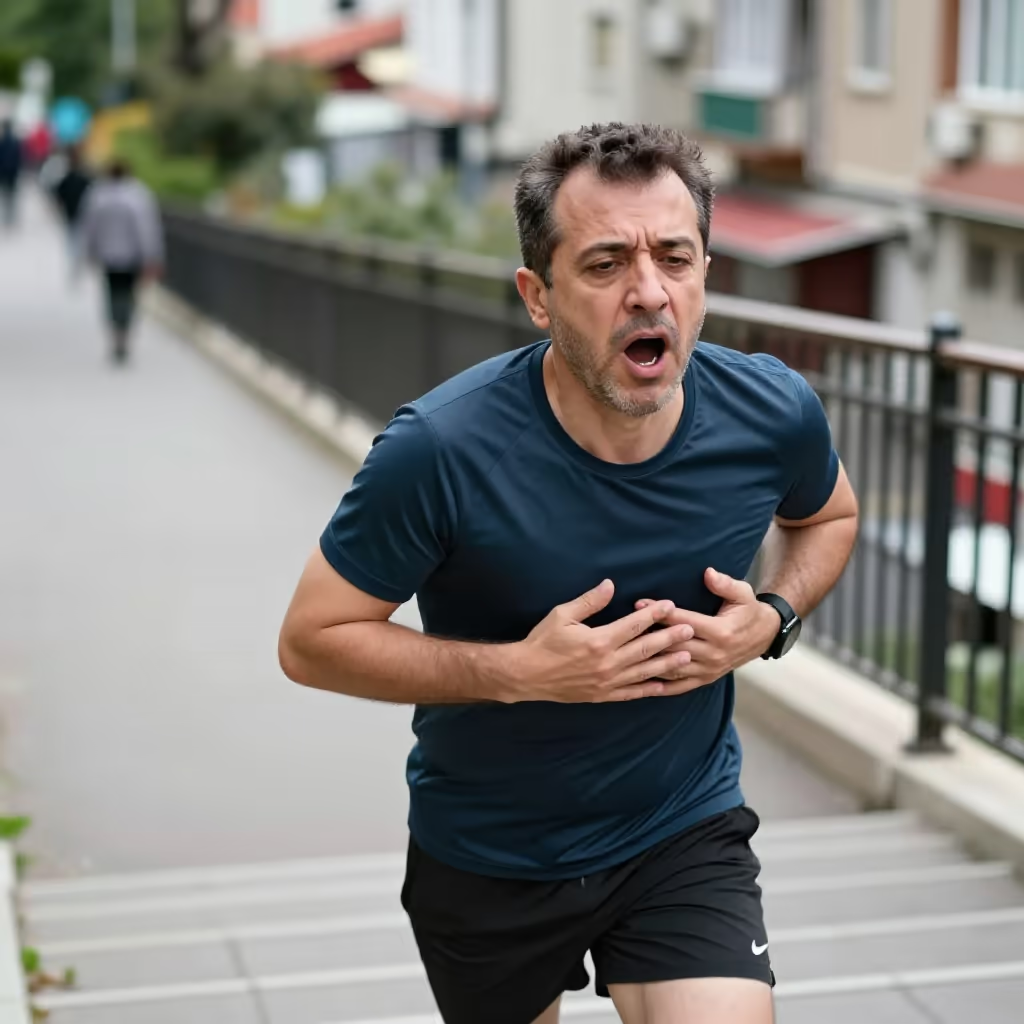
to gasp for air
To breathe in briefly and sharply because you are having trouble breathing, are startled, or have exerted yourself a lot.
Nachdem sie die Treppe hochgerannt war, musste sie erst einmal nach Luft schnappen.
After she had run up the stairs, she first had to gasp for air.
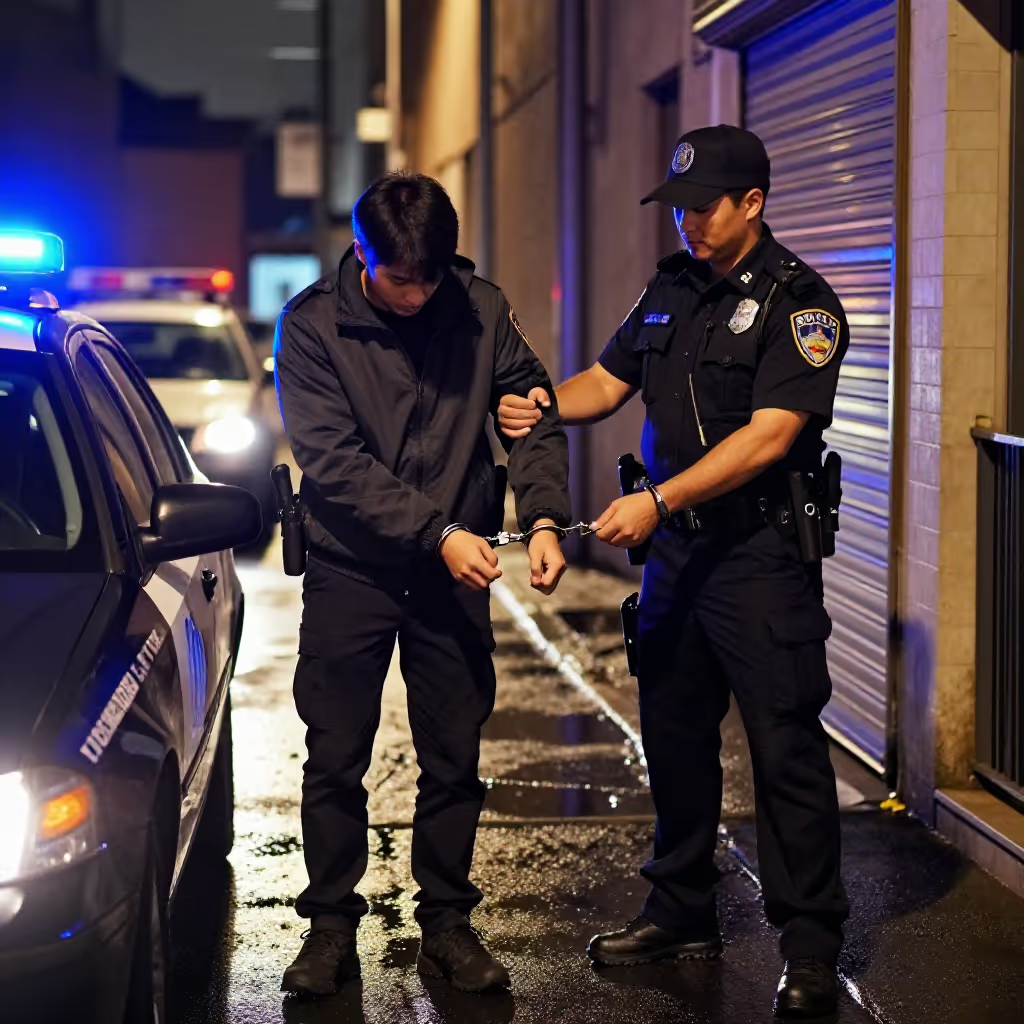
to nab
Colloquial for catching or arresting a criminal by the police.
Die Polizei konnte den Dieb auf frischer Tat schnappen.
The police were able to nab the thief in the act.
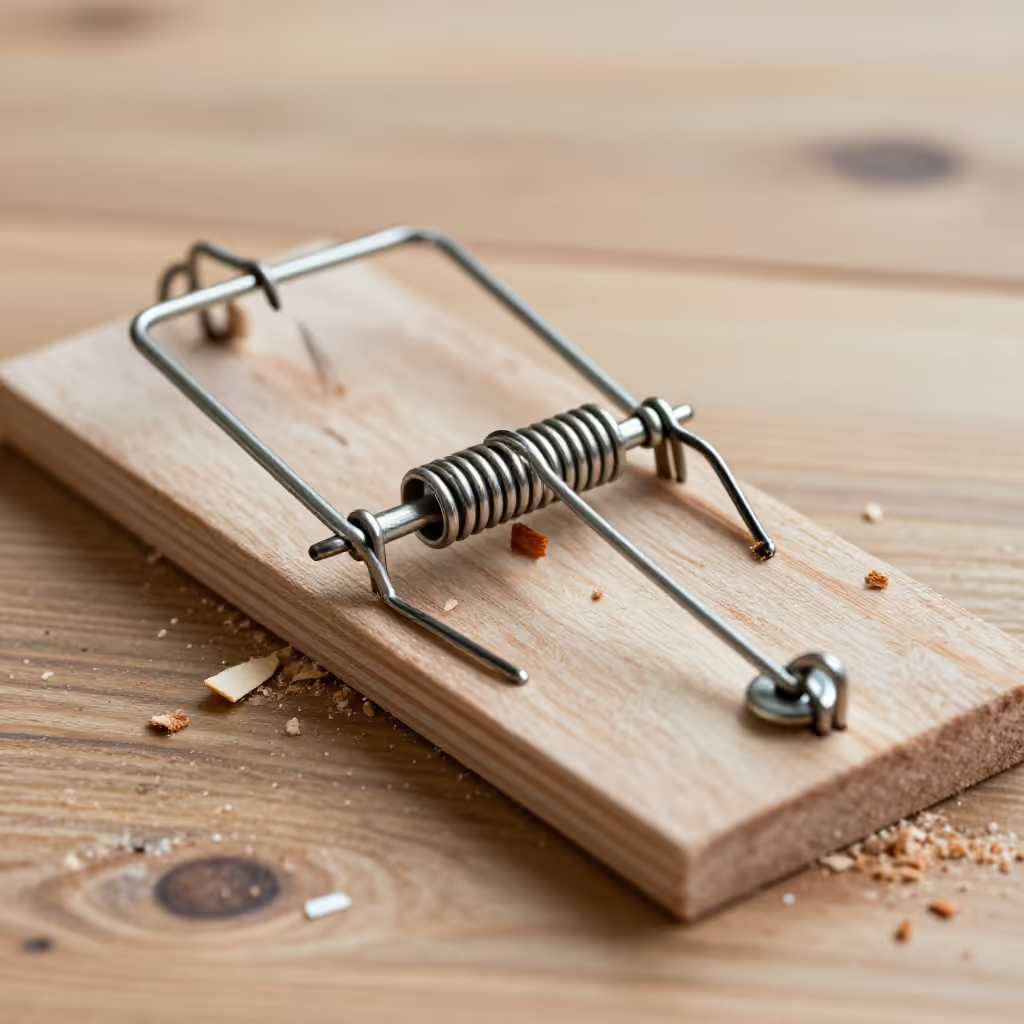
to snap shut
To close quickly and often with a sound, as with a trap or a lock.
Die Mausefalle schnappte zu, als die Maus den Käse berührte.
The mousetrap snapped shut when the mouse touched the cheese.
When 'schnappen' (to snap/grab) describes a quick movement toward something, it is often used with the preposition 'nach' and the dative. This emphasizes the attempt to grab something.
Das Krokodil schnappte nach dem Fleisch, aber verfehlte es.
The crocodile snapped at the meat but missed it.
The phrase 'sich (dative) etwas (accusative) schnappen' means to quickly take something for oneself, often before others do. It is a very common, slightly colloquial expression.
Schnapp dir eine Jacke, es wird langsam kalt draußen.
Grab a jacket; it's starting to get cold outside.
The expression 'nach Luft schnappen' (to gasp for air) is a fixed idiom. It is used when someone breathes in sharply because of exertion, shock, or shortness of breath.
Als er die Rechnung sah, musste er kurz nach Luft schnappen.
When he saw the bill, he had to gasp for air for a moment.
In connection with crime and the police, 'schnappen' (to nab) is a colloquial word for 'festnehmen' (to detain) or 'verhaften' (to arrest). It is not used in official contexts such as police reports.
Die Kommissarin war entschlossen, den Täter zu schnappen.
The detective was determined to nab the culprit.
To express that something closes suddenly and often with a sound, 'schnappen' (to snap) is combined with the particle 'zu'. 'Zuschnappen' (to snap shut) can also be seen as a separate separable verb.
Die Falle schnappte zu, aber die Maus war schon weg.
The trap snapped shut, but the mouse was already gone.
to grab / take effect
Greifen generally describes the movement involved in taking something. Sich etwas schnappen emphasizes taking or securing it quickly and decisively, sometimes before someone else can get it. Use greifen for neutral reaching or taking hold and schnappen for suddenly securing something.

Als ihr Bruder näher kam, schnappte Nina sich schnell das letzte Brötchen.
When her brother came closer, Nina quickly grabbed the last bread roll.
Nina griff nach dem letzten Brötchen auf dem Tisch.
Nina reached for the last bread roll on the table.