


stillstehen
to stand still
To remain in the same place without moving.
EXAMPLE
Bitte steh still, während ich das Foto mache.
Please stand still while I take the photo.
to stand still
stillstehen – stand still – hat stillgestanden
Loading your saved state.
to stand still
To remain in the same place without moving.
Bitte steh still, während ich das Foto mache.
Please stand still while I take the photo.
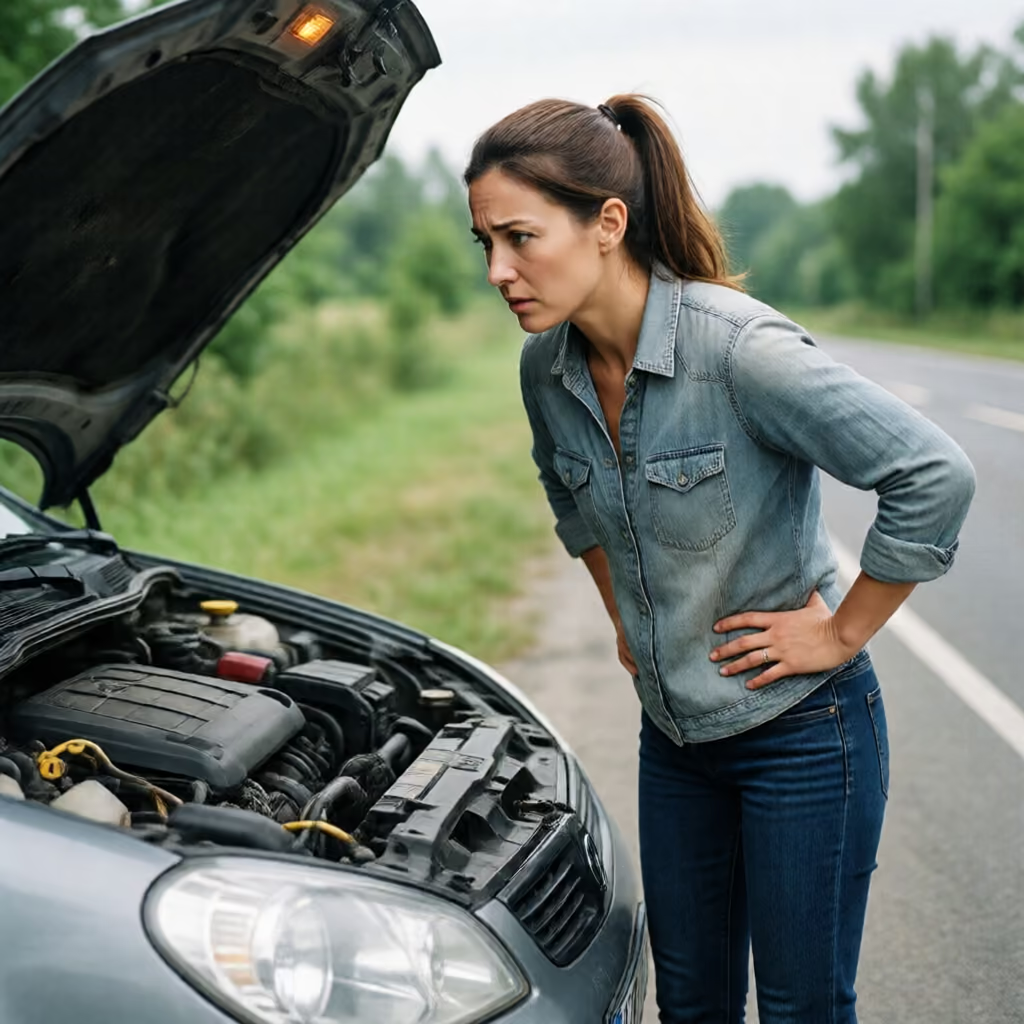
to stop working
To stop functioning or no longer be in operation.
Der Motor steht plötzlich still.
The engine suddenly stops working.

to come to a standstill
To make no progress or be interrupted for a period of time.
Wegen des Streiks steht die Produktion seit Montag still.
Production has been at a standstill since Monday because of the strike.
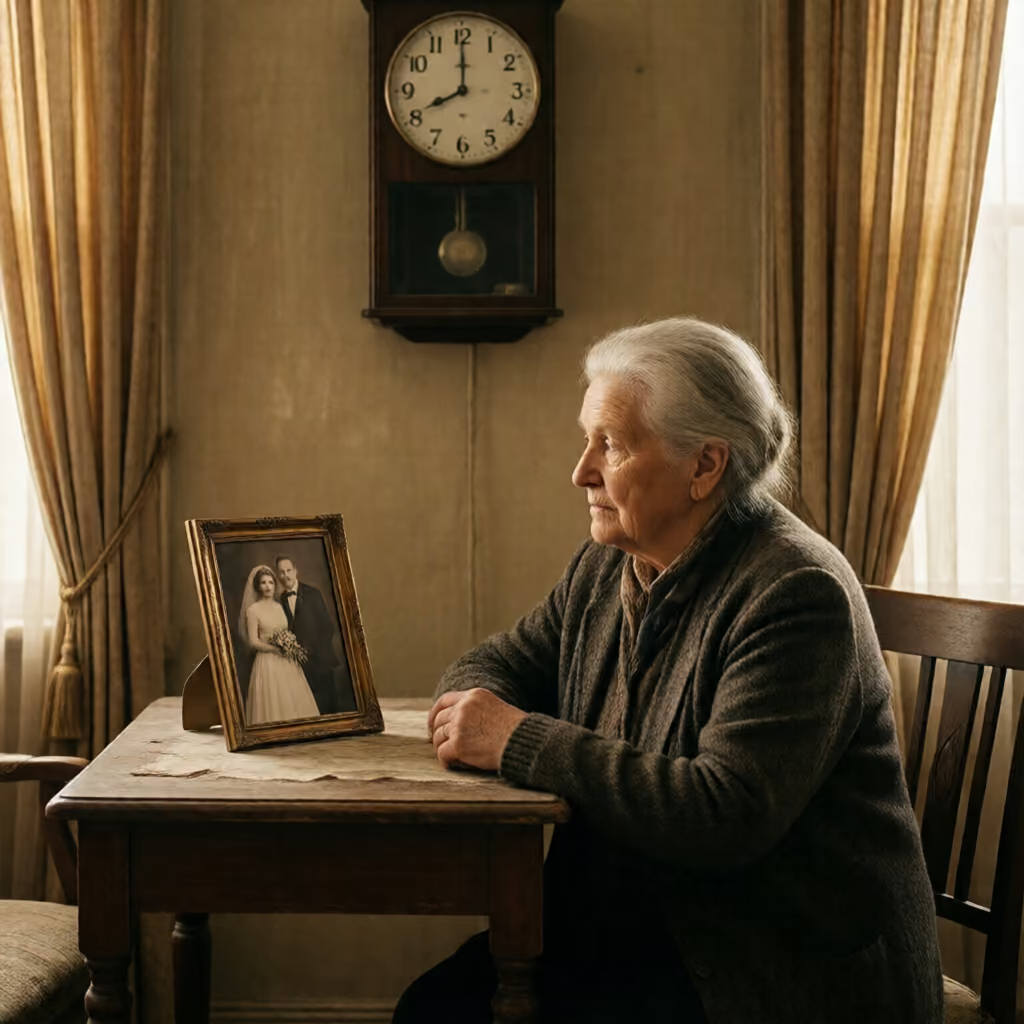
to stand still
In a figurative use, to remain without change or development.
Für einen Moment schien die Zeit stillzustehen.
For a moment, it seemed as if time had stood still.
| ich | stehe still |
|---|---|
| du | stehst still |
| er/sie/es | steht still |
| wir | stehen still |
| ihr | steht still |
| sie | stehen still |
| ich | stand still |
|---|---|
| du | standest still standst still |
| er/sie/es | stand still |
| wir | standen still |
| ihr | standet still |
| sie | standen still |
| ich | habe stillgestanden bin stillgestanden |
|---|---|
| du | hast stillgestanden bist stillgestanden |
| er/sie/es | hat stillgestanden ist stillgestanden |
| wir | haben stillgestanden sind stillgestanden |
| ihr | habt stillgestanden seid stillgestanden |
| sie | haben stillgestanden sind stillgestanden |
| du | steh still! stillgestanden!, stehe still! |
|---|---|
| ihr | steht still! |
| Sie | stehen Sie still! |
| ich | hatte stillgestanden war stillgestanden |
|---|---|
| du | hattest stillgestanden warst stillgestanden |
| er/sie/es | hatte stillgestanden war stillgestanden |
| wir | hatten stillgestanden waren stillgestanden |
| ihr | hattet stillgestanden wart stillgestanden |
| sie | hatten stillgestanden waren stillgestanden |
| ich | werde stillstehen |
|---|---|
| du | wirst stillstehen |
| er/sie/es | wird stillstehen |
| wir | werden stillstehen |
| ihr | werdet stillstehen |
| sie | werden stillstehen |
| ich | stehe still |
|---|---|
| du | stehest still |
| er/sie/es | stehe still |
| wir | stehen still |
| ihr | stehet still |
| sie | stehen still |
Used for reported speech.
| ich | stände still stünde still |
|---|---|
| du | ständest still stündest still |
| er/sie/es | stände still stünde still |
| wir | ständen still stünden still |
| ihr | ständet still stündet still |
| sie | ständen still stünden still |
Used for wishes and “would”.
| infinitive | stillstehen |
|---|---|
| with zu | stillzustehen |
| present participle | stillstehend |
| past participle | stillgestanden |
'Stillstehen' (to stand still) is a separable verb made up of 'still' (still) and 'stehen' (to stand). In a main clause, the prefix appears at the end of the sentence; in a subordinate clause, the verb stays together. With 'zu', the particle comes before 'zu' and the verb.
Der Bus steht wegen einer Panne still.
The bus is standing still because of a breakdown.
Alle warten, bis der Aufzug stillsteht.
Everyone is waiting until the elevator comes to a standstill.
Es ist gefährlich, mitten auf der Straße stillzustehen.
It is dangerous to stand still in the middle of the road.
'Stillstehen' (to stand still) combines 'still' (still) with 'stehen' (to stand): something stands in such a way that no movement or change is visible. This basic idea is also helpful in technical, organizational, and figurative contexts.
Vor dem geschlossenen Tor mussten die Lastwagen stillstehen.
The trucks had to stand still in front of the closed gate.
'Stillstehen' (to stand still) is normally used without an accusative object. The person, vehicle, machine, or process that is not moving forward is itself the focus of the sentence.
Nach dem Stromausfall stand die ganze Anlage still.
The entire system came to a standstill after the power outage.
When referring to people or vehicles, a location phrase often appears, for example 'an der Kreuzung' (at the intersection), 'vor dem Eingang' (in front of the entrance), or 'auf der Stelle' (where one is). This makes it clear where the movement has been interrupted.
Die Radfahrer mussten an der Kreuzung stillstehen.
The cyclists had to stand still at the intersection.
For the meaning 'not functioning', the subject is often a technical device or one of its parts. Typical combinations include 'der Motor steht still' (the engine has stopped), 'die Maschine steht still' (the machine has stopped), and 'die Uhr steht still' (the clock has stopped).
Nach dem Defekt stand die alte Uhr mehrere Stunden still.
After the malfunction, the old clock stood still for several hours.
When referring to work processes and organizations, 'stillstehen' (to come to a standstill) is often used with a time expression, especially with 'seit' (since) or 'für' (for). Typical subjects are 'die Produktion' (production), 'die Arbeit' (work), 'der Betrieb' (the operation), and 'die Verhandlungen' (the negotiations).
Wegen des Materialmangels steht der Betrieb seit zwei Wochen still.
The operation has been at a standstill for two weeks because of the shortage of materials.
In its figurative use, 'stillstehen' (to stand still) often appears with 'die Zeit' (time) or 'die Welt' (the world). Verbs such as 'scheinen' (to seem) or 'fühlen' (to feel) often show that the statement refers to an impression or feeling.
Während des Abschieds fühlte es sich an, als würde die Zeit stillstehen.
During the farewell, it felt as if time had stood still.