

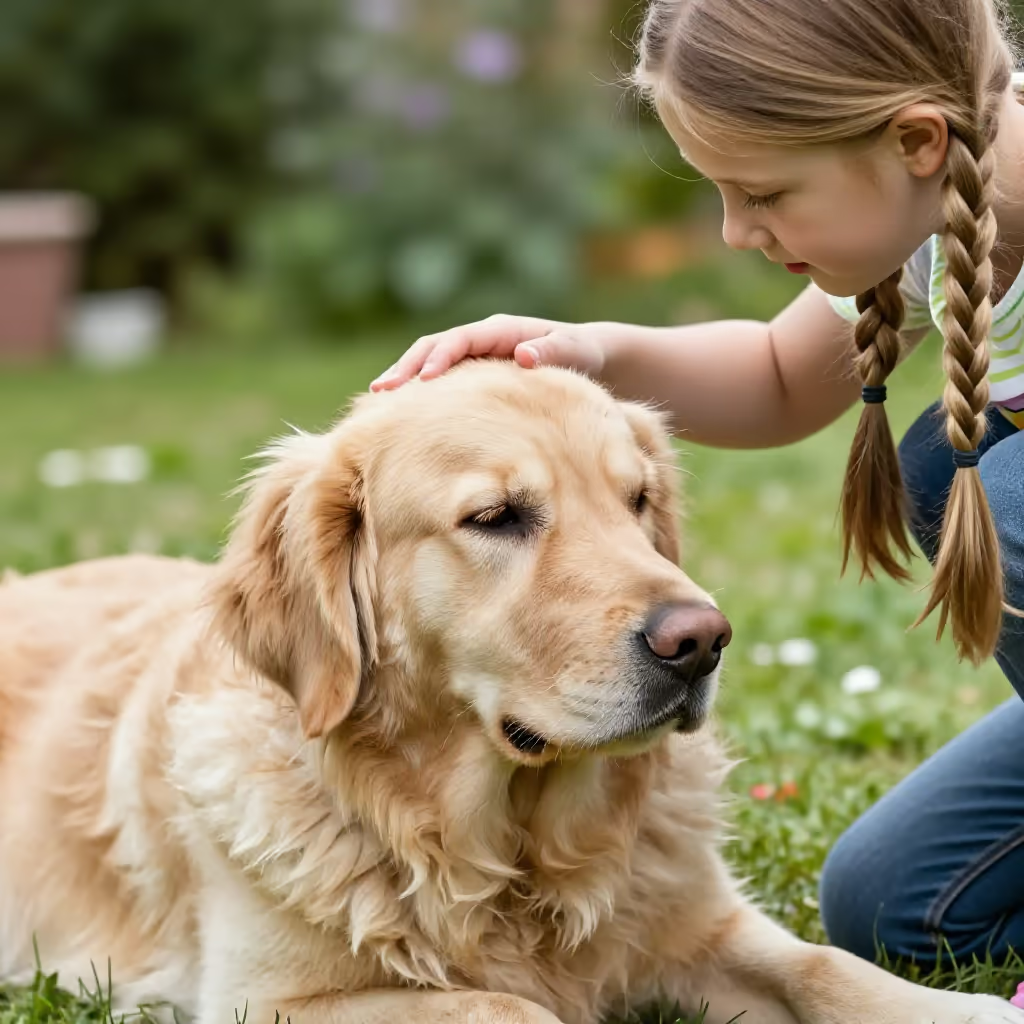
streicheln
to stroke / pet
To move one's hand gently and affectionately over the surface of someone or something, especially an animal.
EXAMPLE
Das Kind liebt es, den Hund zu streicheln.
The child loves to pet the dog.
to stroke / pet
Loading your saved state.
to stroke / pet
To move one's hand gently and affectionately over the surface of someone or something, especially an animal.
Das Kind liebt es, den Hund zu streicheln.
The child loves to pet the dog.

to caress
Used in poetic or figurative language for a gentle, light touch, for example by the wind.
Eine warme Sommerbrise streichelte ihre Haut.
A warm summer breeze caressed her skin.

to feel flattered
To feel flattered and have one's ego boosted by a compliment or recognition.
Durch das Lob seiner Chefin fühlte er sich sichtlich gestreichelt.
Because of his boss's praise, he visibly felt flattered.
'Streicheln' (to stroke/pet) is a diminutive form of 'streichen' (to stroke/brush). It describes a gentler, often repeated, and more affectionate touch than the neutral 'streichen'.
Sie streichelte sanft über den Stoff des Kleides.
She gently stroked the fabric of the dress.
There are two typical sentence patterns. Either you directly stroke the object (accusative), or you stroke over a body part (accusative) of a person (dative).
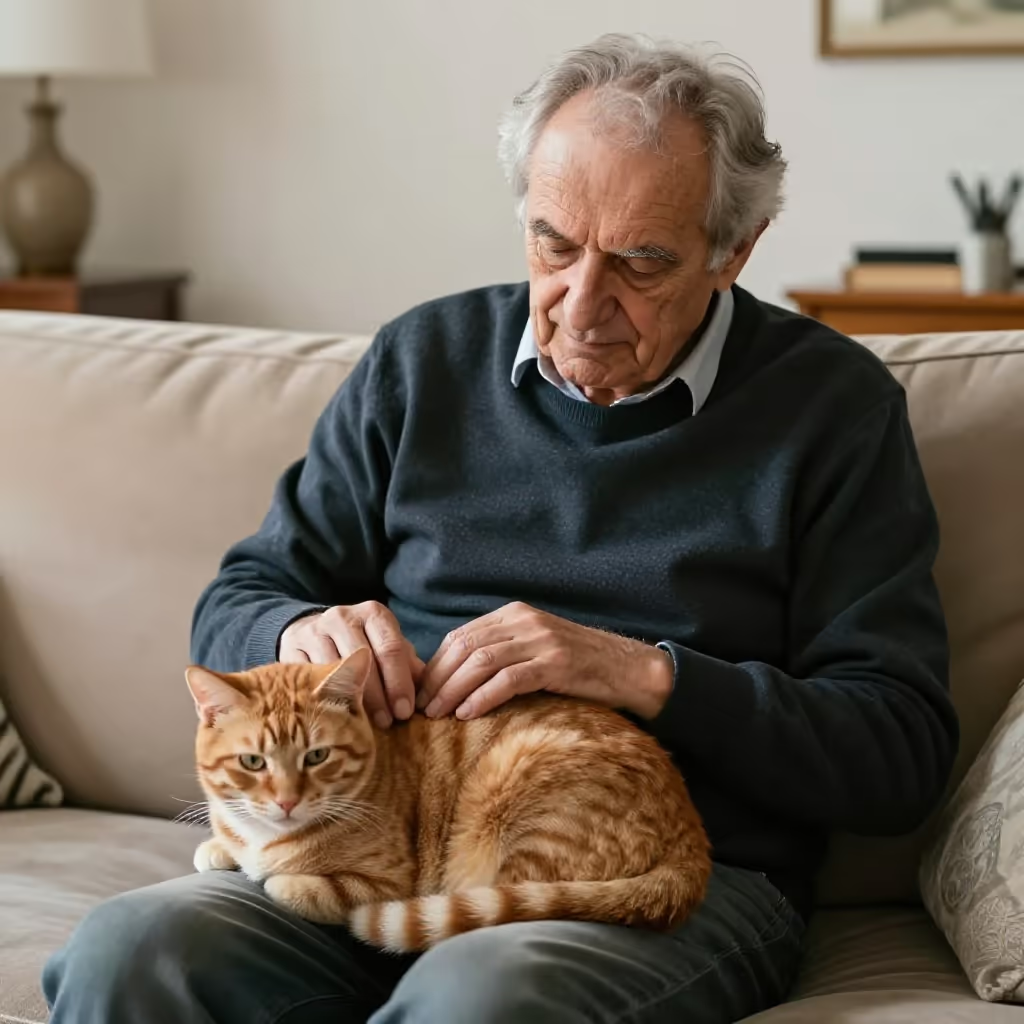
Er streichelt seine Katze.
He pets his cat.
When 'streicheln' (to caress) is used in connection with natural phenomena like wind or sun, it has a poetic or literary effect. It describes a very gentle touch.
Die Abendsonne streichelte die Berggipfel.
The evening sun caressed the mountain peaks.
The reflexive construction 'sich gestreichelt fühlen' (to feel flattered) means that one feels flattered by praise or recognition. The cause is often introduced with 'durch' (through/by).
Durch das positive Feedback fühlte sie sich sichtlich gestreichelt.
Because of the positive feedback, she visibly felt flattered.
to paint / to cancel
Both words can refer to a gentle, affectionate touch. Streichen emphasizes the movement of the hand over a particular area. Streicheln more clearly refers to the entire tender action and is especially used for affectionate interaction with people or animals.
Die Mutter streichelte das müde Kind sanft, bis es einschlief.
The mother gently stroked the tired child until they fell asleep.
Die Mutter strich dem müden Kind sanft über den Rücken.
The mother gently stroked the tired child’s back.