

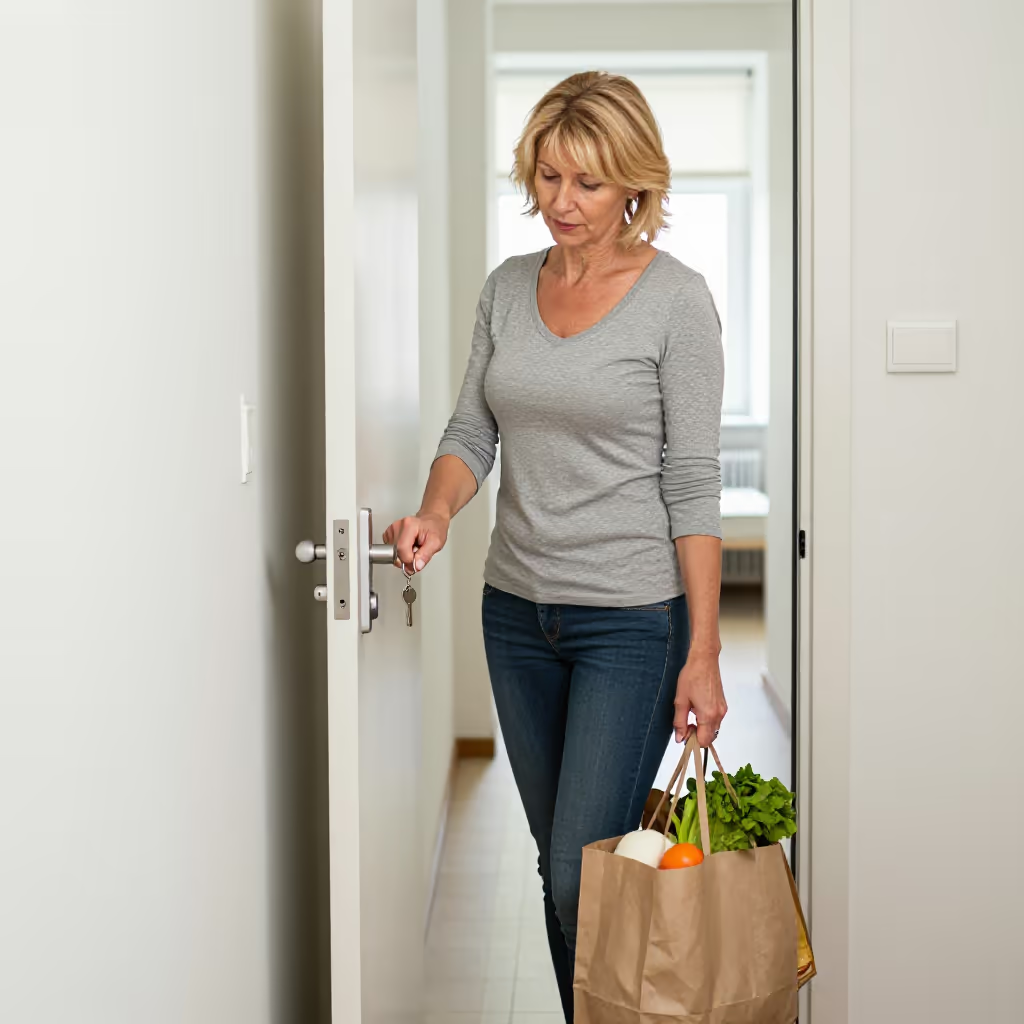
verschließen
to lock
To close something so that it cannot be opened easily, for example with a lock or a lid.
EXAMPLE
Vergiss nicht, die Haustür zu verschließen, wenn du gehst.
Don't forget to lock the front door when you leave.
to lock / seal
Loading your saved state.
to lock
To close something so that it cannot be opened easily, for example with a lock or a lid.
Vergiss nicht, die Haustür zu verschließen, wenn du gehst.
Don't forget to lock the front door when you leave.

to close oneself off
To make oneself emotionally or mentally inaccessible; to be unwilling to talk about feelings or accept new ideas.
Seit dem Streit verschließt sie sich jedem Gespräch.
Since the argument, she has closed herself off to every conversation.
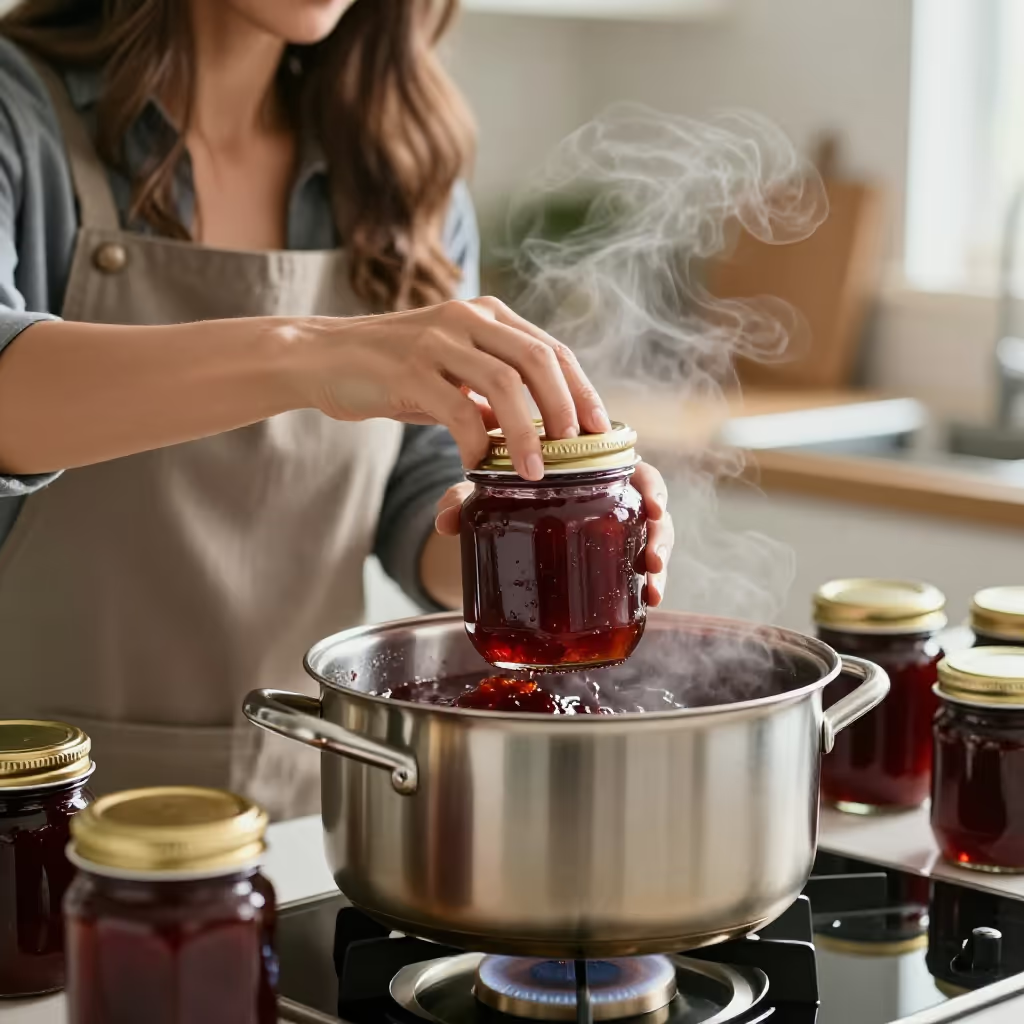
to seal
To seal a container so that nothing can get in or out, especially no air or liquid.
Die Marmelade wird heiß in die Gläser gefüllt und sofort luftdicht verschlossen.
The jam is poured hot into the jars and immediately sealed airtight.
'Verschließen' (to lock/seal) is an inseparable verb. The prefix 'ver-' strengthens the base verb 'schließen' (to close) and means to close something securely, firmly, or finally.
Er verschloss den Briefumschlag sorgfältig.
He carefully sealed the envelope.
The past participle 'verschlossen' (locked/closed off) is very often used as an adjective. It can describe both a locked door (physical) and a reserved person (emotionally inaccessible).
Wir standen vor einer verschlossenen Tür.
We stood in front of a locked door.
To express emotional inaccessibility, the verb is used reflexively: 'sich verschließen' (to close oneself off). It is often followed by a dative object that indicates to whom or what someone is closing themselves off.
Er verschließt sich oft den Ratschlägen seiner Freunde.
He often closes himself off to his friends' advice.
In the meaning of 'versiegeln' (to seal), 'verschließen' is often combined with an adverb that describes the type of closure. Common combinations are 'luftdicht verschließen' (to seal airtight) or 'wasserdicht verschließen' (to seal watertight).
Die Lebensmittel müssen luftdicht verschlossen werden, damit sie frisch bleiben.
The food must be sealed airtight so that it stays fresh.
to close
Schließen generally means closing an opening. Verschließen additionally emphasizes that it cannot then be opened easily, for example because it is locked. Schließen is appropriate for an ordinary closed door; verschließen is more appropriate when securing it with a key.
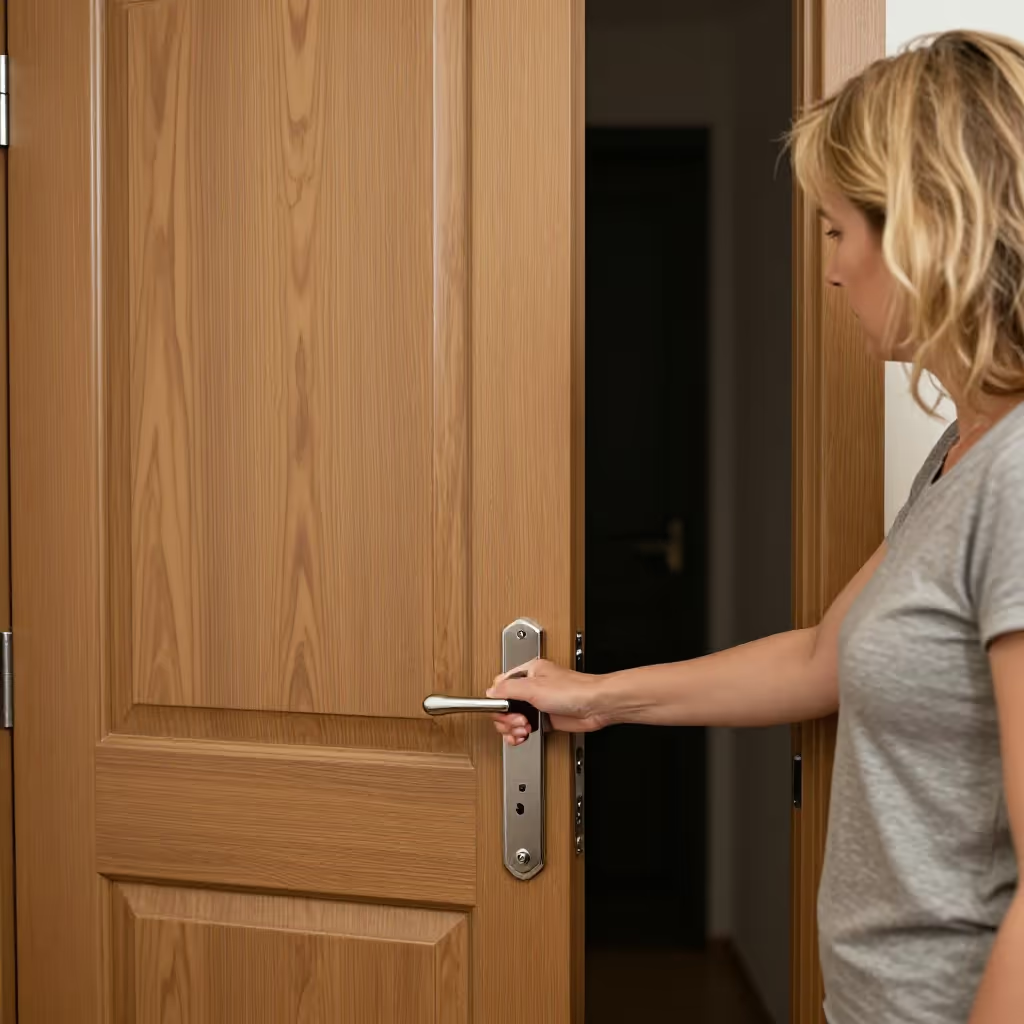
Vor dem Verlassen des Hauses verschließt Mia die Tür mit dem Schlüssel.
Before leaving the house, Mia locks the door with the key.
Wegen des kalten Luftzugs schließt Mia die Tür.
Mia closes the door because of the cold draft.