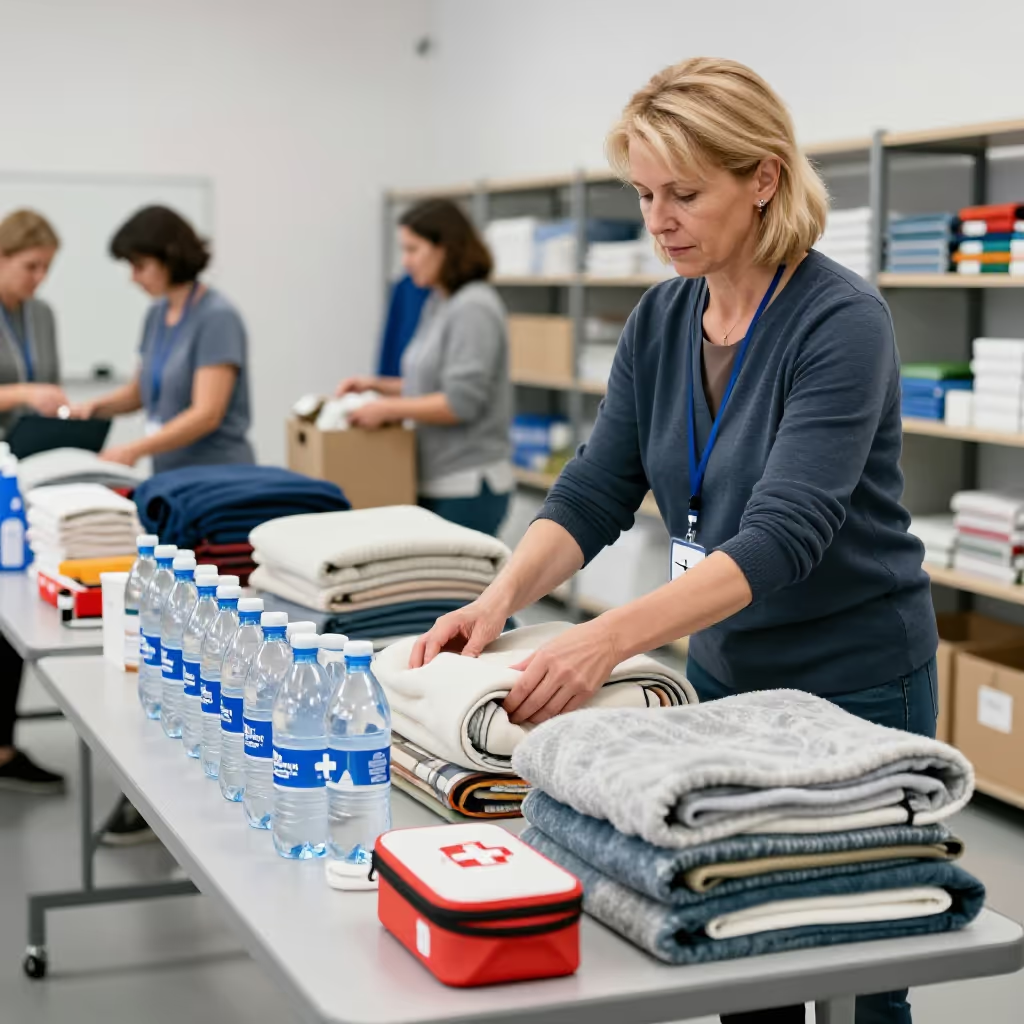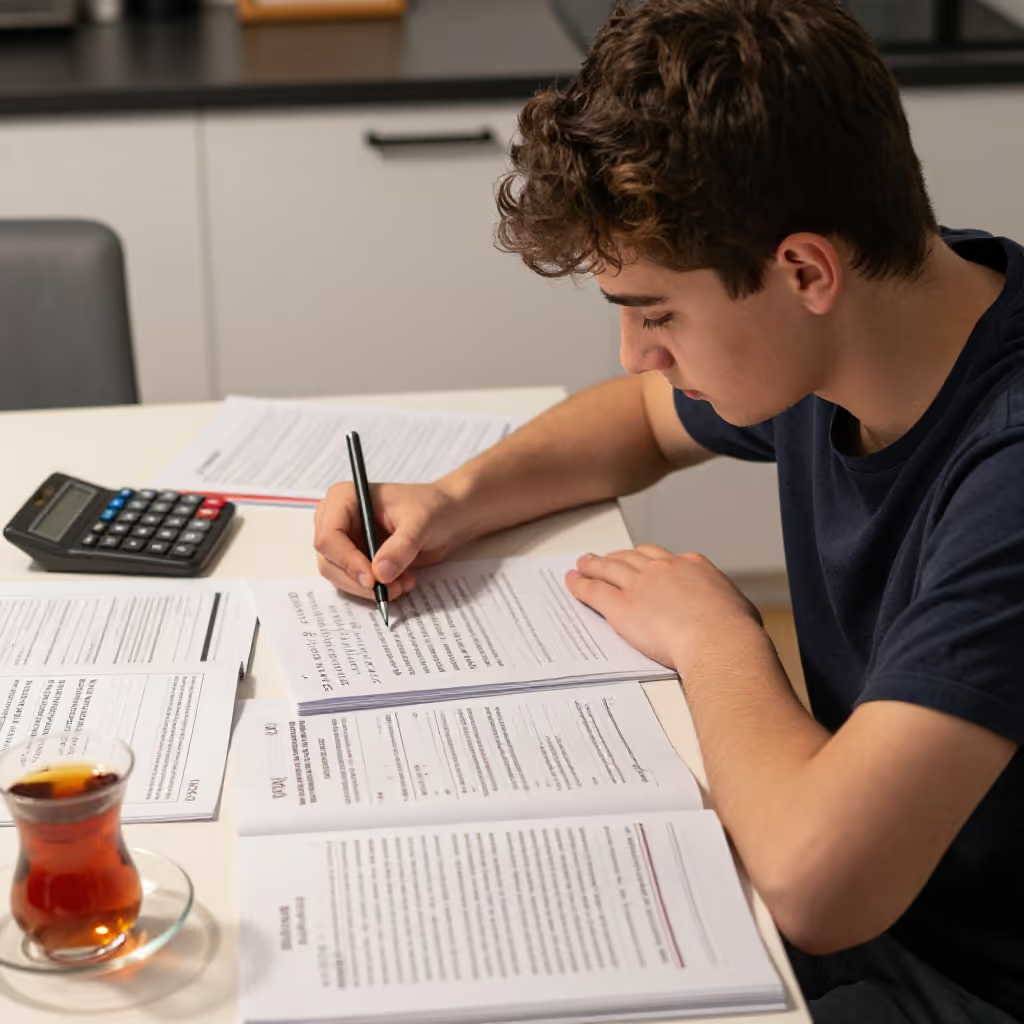
To get oneself ready for an upcoming situation, exam, or event through studying, practicing, or planning.
example
Die Sportler bereiten sich intensiv auf die Olympischen Spiele vor.
The athletes are preparing intensively for the Olympic Games.
Usage tips
Separable verb
'Vorbereiten' (to prepare) is a separable verb. The prefix 'vor-' comes at the end in main clauses. In subordinate clauses and in the infinitive with 'zu', the verb stays together.
EXAMPLE
Ich bereite das Abendessen vor.
I am preparing dinner.
Two structures
There are two main patterns: When you prepare yourself, you use 'sich vorbereiten auf' (to prepare oneself for; reflexive). When you prepare a thing, you use 'etwas vorbereiten' (to prepare something; transitive).
EXAMPLE
Er bereitet sich auf seine Reise vor.
He is preparing for his trip.
Fixed preposition
When you prepare yourself for something, you always need the reflexive form with the fixed preposition 'auf' and the accusative.
EXAMPLE
Die Mannschaft bereitet sich auf das wichtige Spiel vor.
The team is preparing for the important game.
Compare with
near_synonym · confusable
vorbereiten vs lernen
to learn
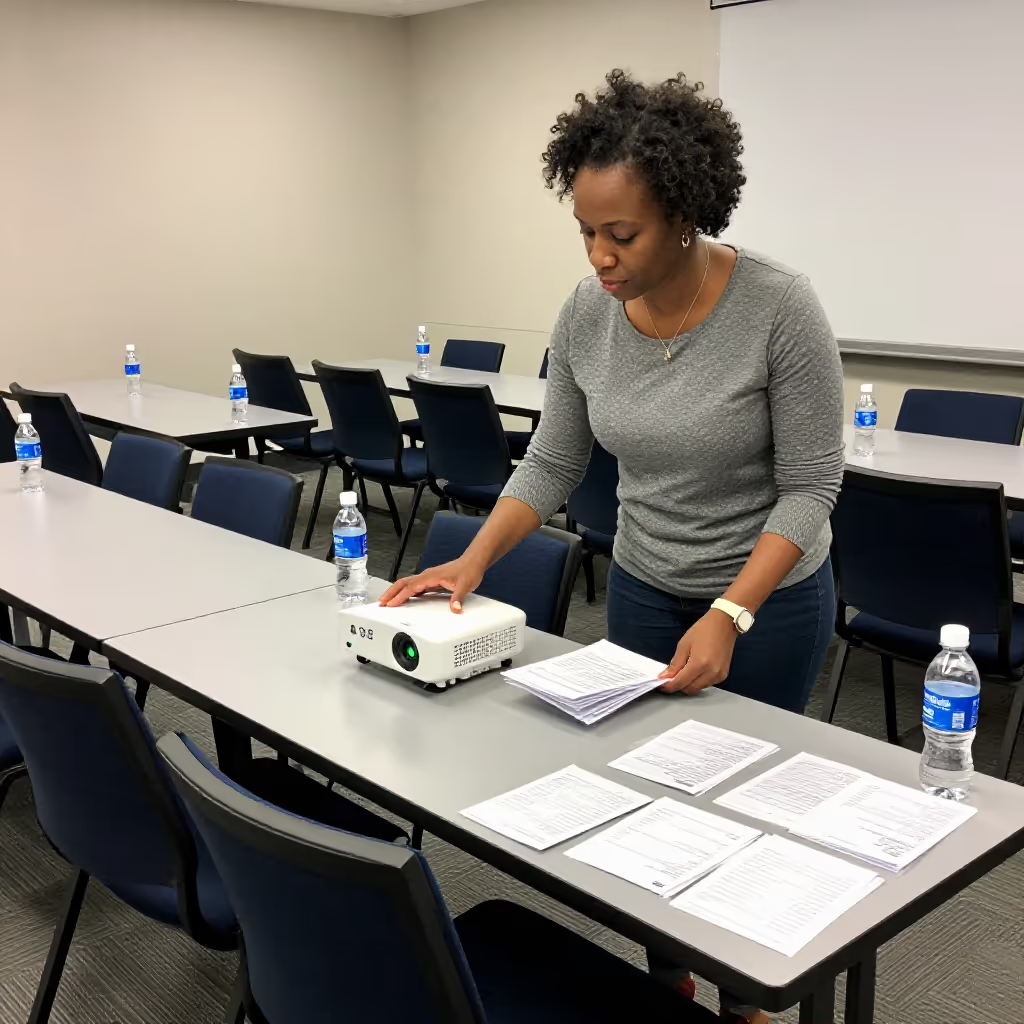
'lernen' and 'vorbereiten' can both be used before an exam, an appointment, or an important situation. 'lernen' means that you acquire new knowledge or a skill, for example through reading, practice, or instruction. 'sich vorbereiten' is broader: you may study, but you also plan, organize documents, or practice a specific situation. 'vorbereiten' can also mean getting something ready for other people or for an event. Learners confuse these words because learning is often part of preparation. When it is about knowledge, 'lernen' fits; when it is about the whole plan before an event, 'vorbereiten' fits.
vorbereiten
Vor dem Termin bereitet der Kunde alle wichtigen Unterlagen vor.
Before the appointment, the client prepares all the important documents.
lernen
Maria lernt jeden Abend neue Wörter für den Deutschkurs.
Maria learns new words for the German course every evening.