

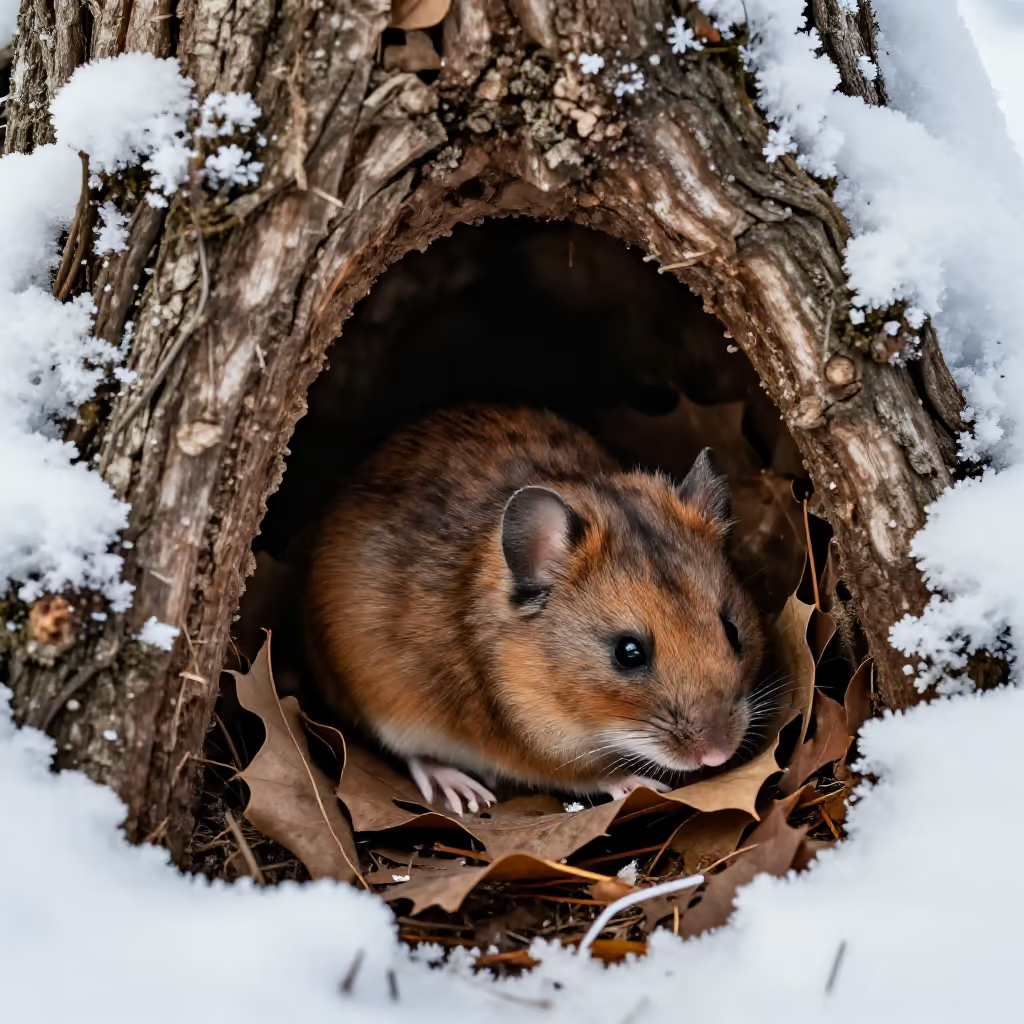
der Winterschlaf
hibernation
A state of inactivity and reduced metabolism that some animals enter during the cold season in order to save energy.
EXAMPLE
Igel, Fledermäuse und Bären halten Winterschlaf.
Hedgehogs, bats, and bears hibernate.
hibernation
Loading your saved state.
hibernation
A state of inactivity and reduced metabolism that some animals enter during the cold season in order to save energy.
Igel, Fledermäuse und Bären halten Winterschlaf.
Hedgehogs, bats, and bears hibernate.

hibernation
In a figurative sense, a phase of rest, inactivity, or stagnation in people, organizations, or projects.
Nach der intensiven Saison schien der Verein in einen tiefen Winterschlaf zu verfallen.
After the intense season, the club seemed to fall into a deep hibernation.
The word is a clear compound of 'der Winter' (winter) and 'der Schlaf' (sleep). So it literally describes a sleep that takes place in winter.
Viele Tiere bereiten sich im Herbst auf den Winterschlaf vor.
Many animals prepare for hibernation in the fall.
Common verbs used with 'Winterschlaf' (hibernation) are 'in Winterschlaf fallen' (to fall into hibernation) or 'aus dem Winterschlaf erwachen' (to awaken from hibernation). These expressions can be used both literally and figuratively.
Die Firma erwacht langsam aus ihrem Winterschlaf.
The company is slowly awakening from its hibernation.
The most common and important collocation for animals is 'Winterschlaf halten' (to hibernate). This verb fits the noun perfectly.
Murmeltiere halten bis zu neun Monate Winterschlaf.
Marmots hibernate for up to nine months.
In the figurative sense, 'Winterschlaf' (hibernation) describes a phase of inactivity or standstill. It is often used for clubs, companies, or projects that do nothing for a while.
Nach dem großen Erfolg befindet sich das Projekt nun im Winterschlaf.
After its great success, the project is now in hibernation.
winter break
Winterpause refers to a planned interruption of activities during the winter. When used figuratively for a project, Winterschlaf can express a longer period of inactivity or stagnation. Winterpause therefore fits an organized schedule, while Winterschlaf emphasizes that hardly anything is happening anymore.
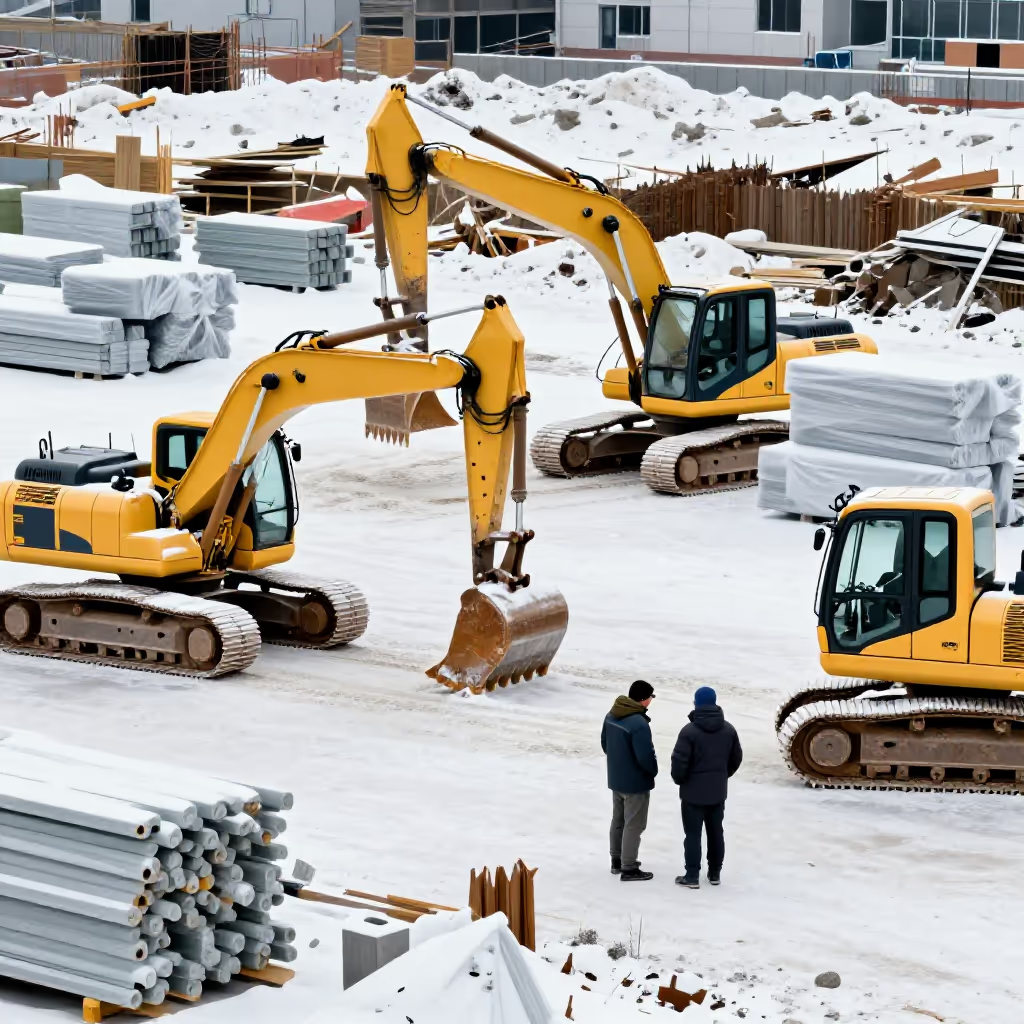
Ohne neue Aufträge fiel das Bauprojekt im Winter in einen langen Winterschlaf.
With no new contracts, the construction project went into a long hibernation over the winter.
Die Bauarbeiten gehen nach der geplanten Winterpause im März weiter.
Construction work will resume in March after the planned winter break.