

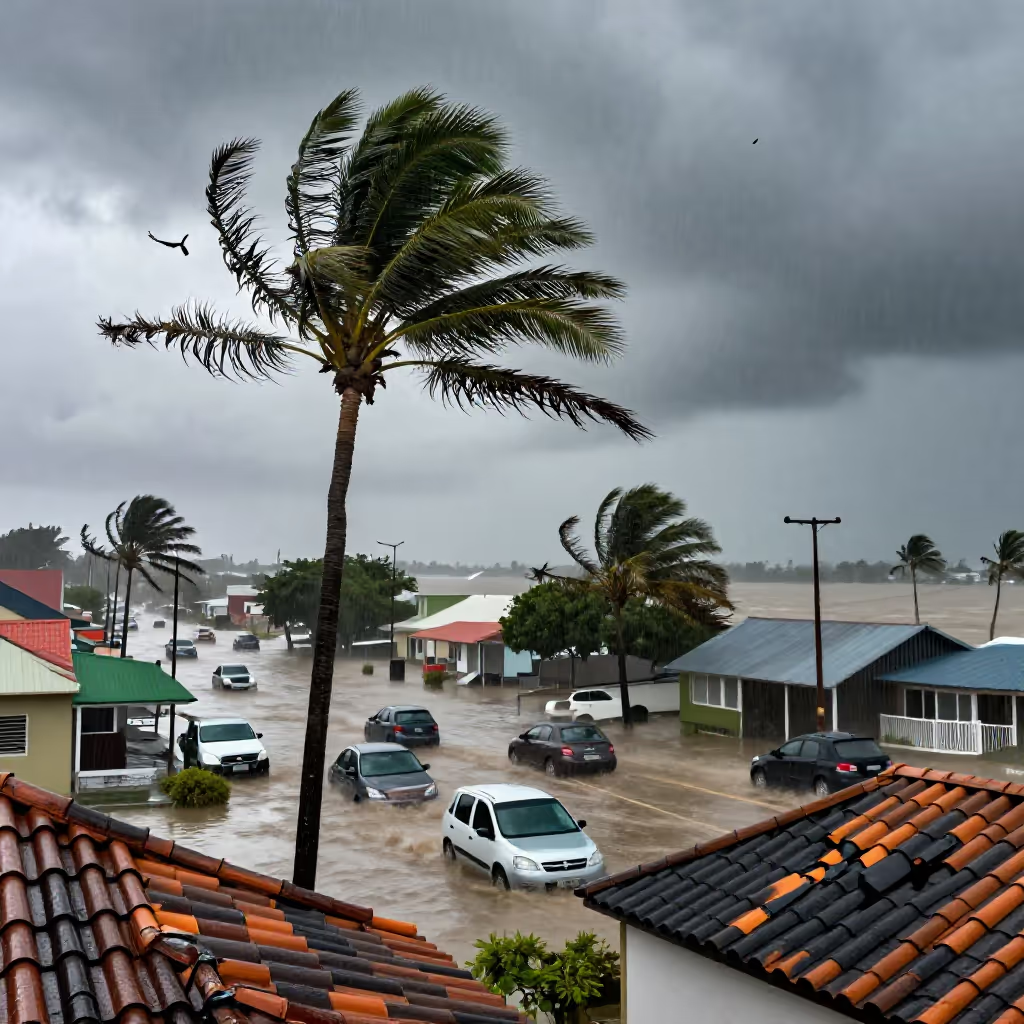
wüten
to rage
In reference to natural forces, diseases, or conflicts: to spread or continue with great destructive force.
EXAMPLE
Der Sturm wütete die ganze Nacht und entwurzelte mehrere Bäume.
The storm raged all night and uprooted several trees.
to rage / ravage
Loading your saved state.
to rage
In reference to natural forces, diseases, or conflicts: to spread or continue with great destructive force.
Der Sturm wütete die ganze Nacht und entwurzelte mehrere Bäume.
The storm raged all night and uprooted several trees.

to rage
To act in great anger and fury; to be full of rage and show it through shouting or violent behavior.
Er schlug mit der Faust auf den Tisch und wütete über die Ungerechtigkeit.
He slammed his fist on the table and raged about the injustice.
The verb 'wüten' (to rage) is closely related to the noun 'die Wut' (anger, rage). This connection helps you understand the intense and often uncontrolled energy of the verb.
Voller Wut wütete er in seinem Büro und warf Papiere auf den Boden.
Full of anger, he raged in his office and threw papers onto the floor.
The subject of the sentence reveals the meaning. If an uncontrollable force (storm, fire, disease) is the subject, 'wüten' (to rage) means to have a destructive effect. If a person is the subject, it means to be extremely angry.
Ein schwerer Waldbrand wütet seit Tagen in der Region.
A severe forest fire has been raging in the region for days.
When 'wüten' (to rage) describes natural forces or conflicts, a place is often added to show where the destruction is taking place. Typical prepositions are 'in' or 'an'.
Der Krieg wütete viele Jahre in dem kleinen Land.
The war raged for many years in the small country.
To express the reason for a person's anger, the preposition 'über' followed by the accusative is often used.
Die Fans wüteten über die ungerechte Entscheidung des Schiedsrichters.
The fans raged about the referee's unfair decision.
lawn
Der Rasen refers to an area of grass, while wüten describes angry and potentially violent behavior. Rasen names the place, and wüten names the action of an angry person; both words can refer to the same setting, but they are not interchangeable.
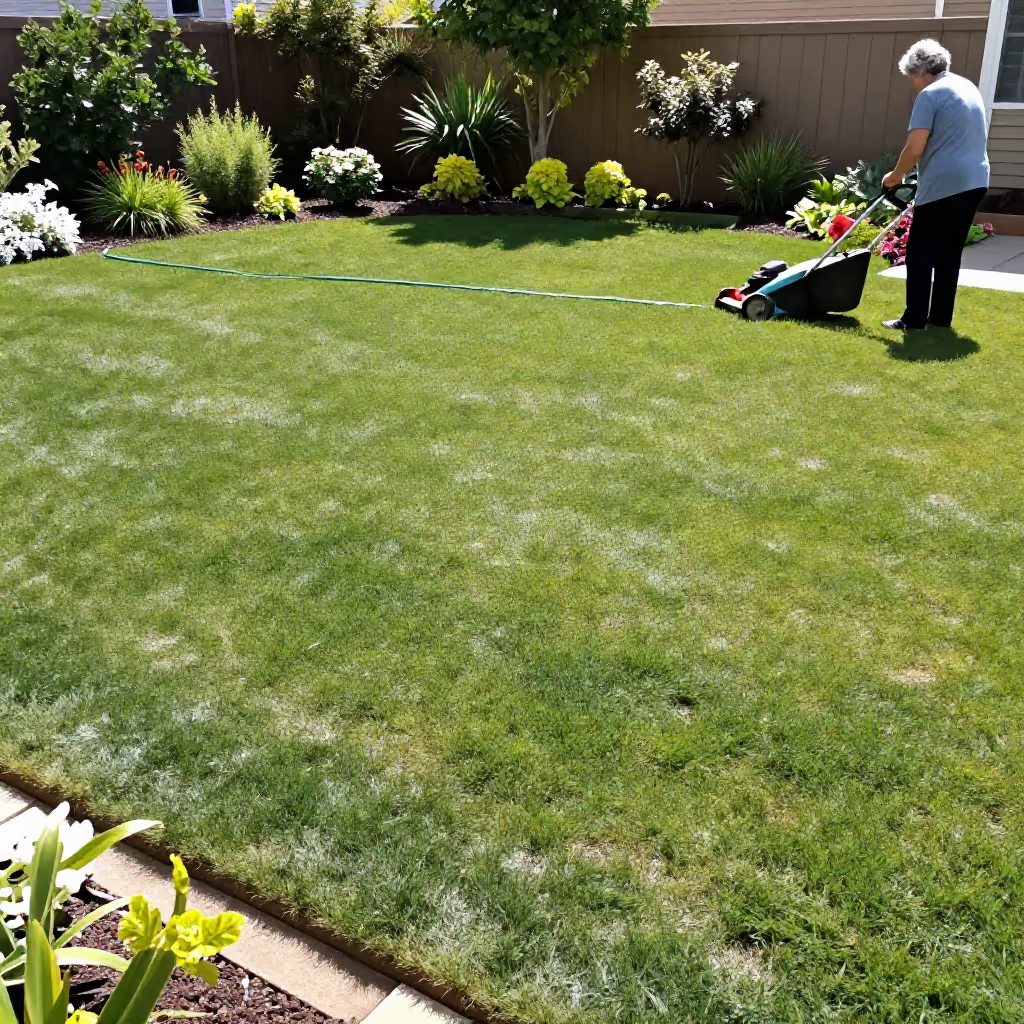
Der aufgebrachte Mann wütete mitten auf dem Rasen.
The agitated man raged in the middle of the lawn.
Der aufgebrachte Mann stand mitten auf dem Rasen.
The agitated man stood in the middle of the lawn.