

aufwärmen
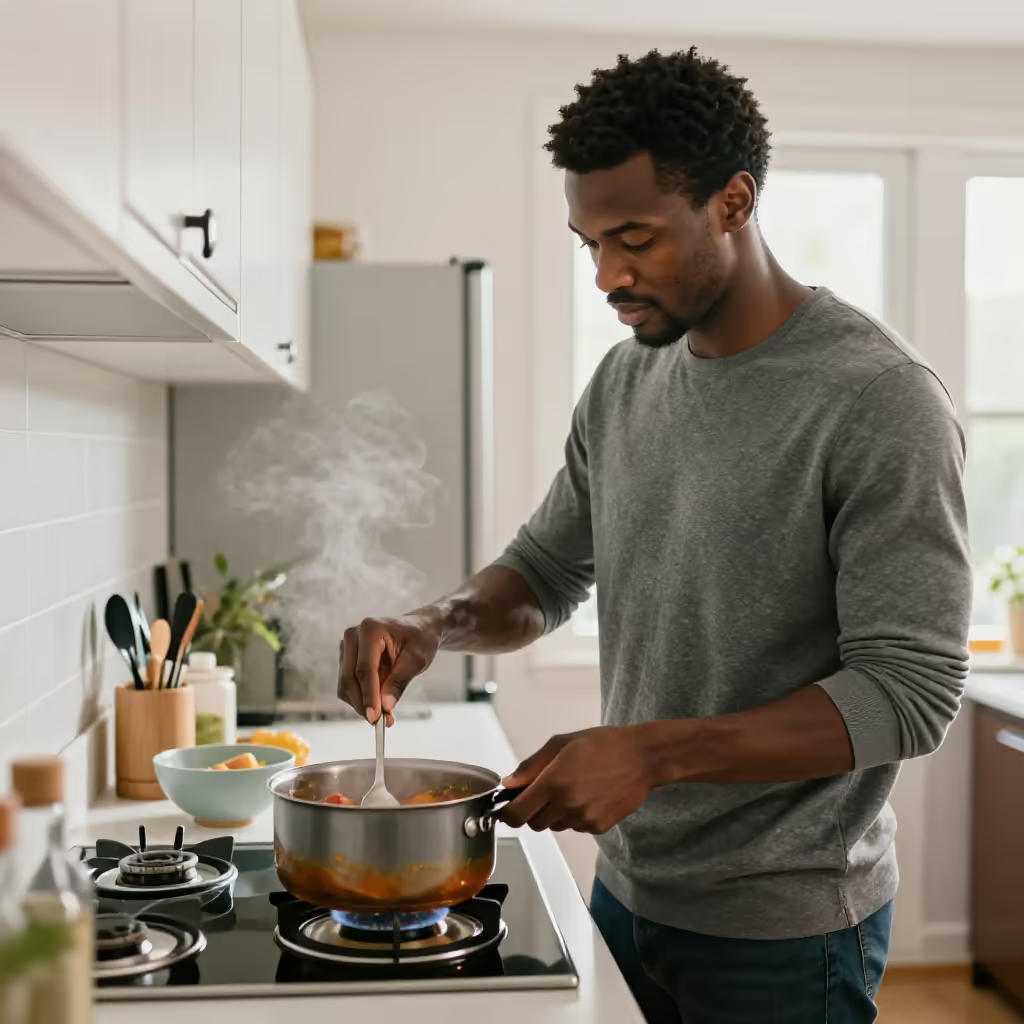
to reheat
To make cold food or drinks warm or hot again.
EXAMPLE
Ich wärme mir die Reste von gestern Abend in der Mikrowelle auf.
I'm reheating the leftovers from last night in the microwave.
to warm up / reheat
Loading your saved state.
to reheat
To make cold food or drinks warm or hot again.
Ich wärme mir die Reste von gestern Abend in der Mikrowelle auf.
I'm reheating the leftovers from last night in the microwave.
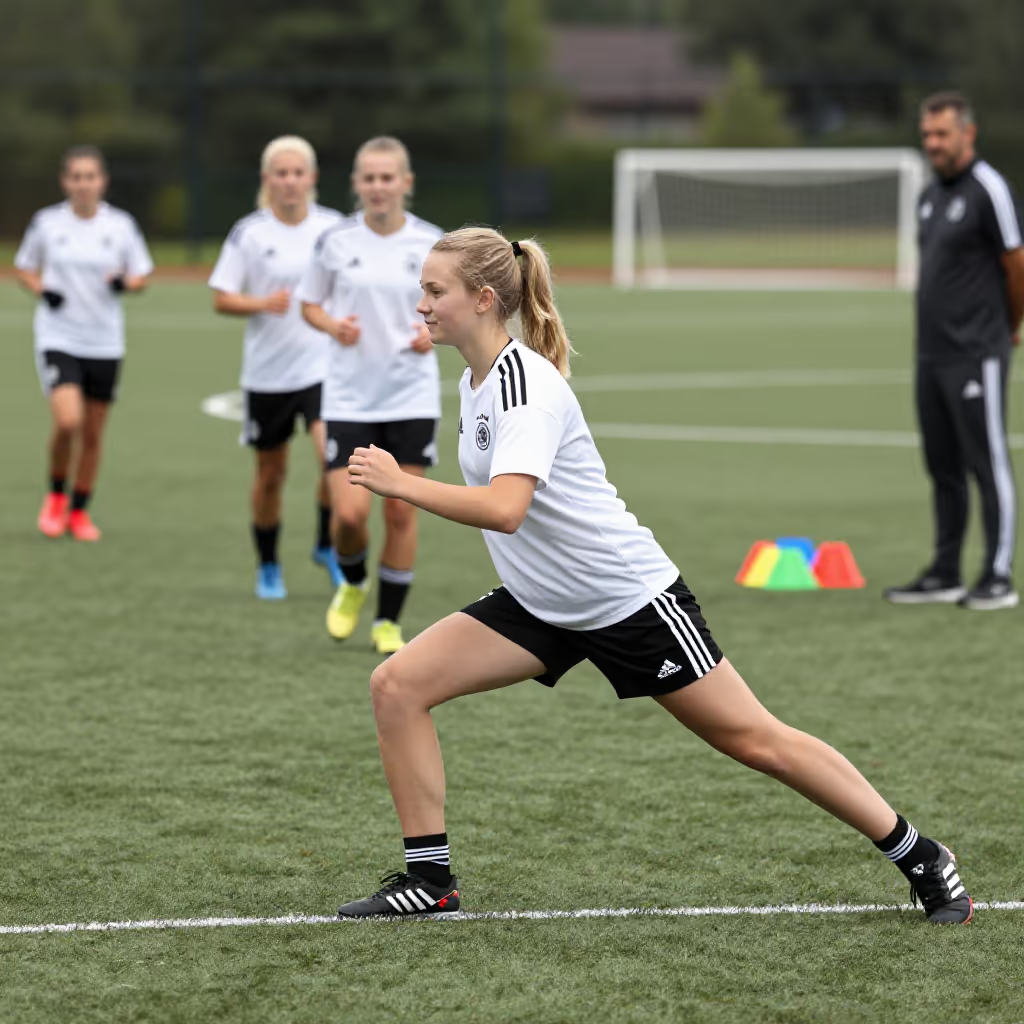
to warm up
To prepare the body for physical exertion through light exercises in order to loosen the muscles and prevent injuries.
Vor dem Joggen sollte man sich immer gut aufwärmen.
Before jogging, you should always warm up properly.
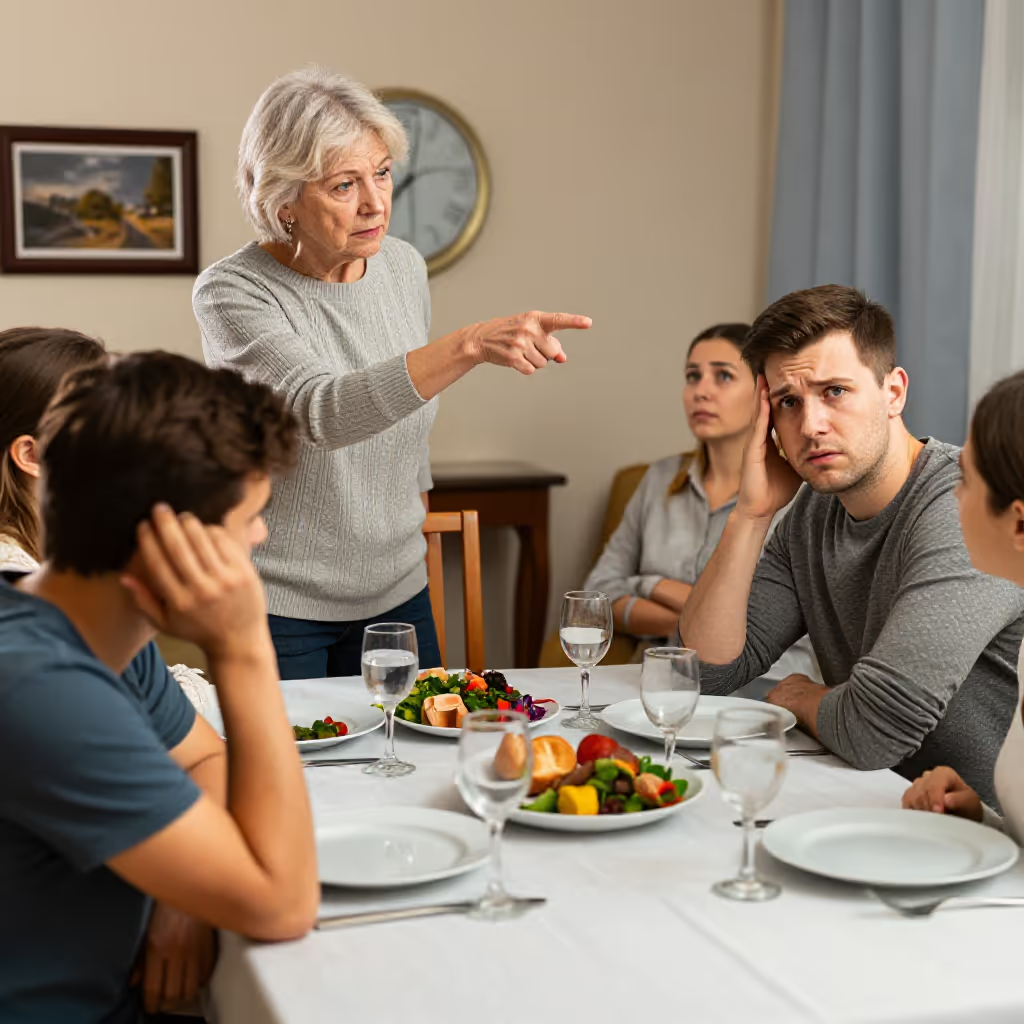
to bring up again
To bring up an old topic or an old argument again after it had already been settled.
Müssen wir diese alte Geschichte wirklich schon wieder aufwärmen?
Do we really have to bring up that old story again?
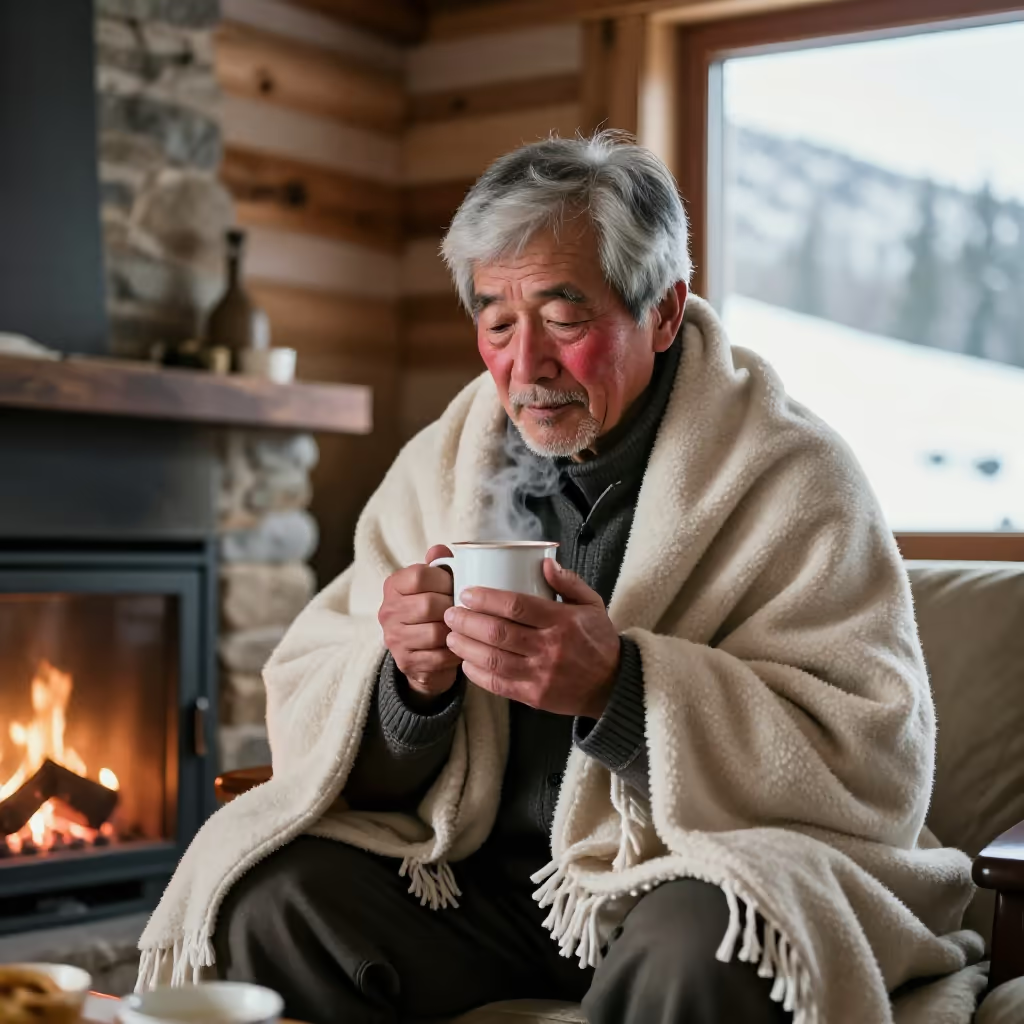
to warm up
To get warm again after being cold, for example with a warm blanket or a hot drink.
Nach dem Spaziergang im Schnee wärmte sie sich am Kamin auf.
After the walk in the snow, she warmed up by the fireplace.
'Aufwärmen' (to warm up/reheat) is a separable verb. The prefix 'auf' goes at the end in a main clause. In subordinate clauses and in the infinitive with 'zu', the verb stays together.
Ich wärme die Suppe von gestern auf.
I'm reheating yesterday's soup.
The use of the reflexive pronoun 'sich' is an important clue. 'Sich aufwärmen' (to warm oneself up) always refers to one's own body (before sports or when cold). 'Etwas aufwärmen' (to warm something up/reheat something) refers to food or an abstract topic.
Wärmst du dich vor dem Laufen auf?
Do you warm up before running?
When 'sich aufwärmen' (to warm oneself up) is used, the context helps distinguish the meaning. If it is about sports and movement, it means preparing for exertion. If it is about cold and freezing, it means regaining body warmth.
Die Spieler wärmen sich vor dem Spiel auf dem Platz auf.
The players warm up on the field before the game.
In the figurative meaning, 'aufwärmen' (to bring up again) is always used with abstract nouns. Typical objects are 'ein Thema' (a topic), 'eine Geschichte' (a story), or 'ein alter Streit' (an old argument).
Er versucht immer wieder, die längst entschiedene Diskussion aufzuwärmen.
He keeps trying to bring up the long-settled discussion again.
to take up / pick up
Both verbs can mean bringing an earlier topic back into a conversation. Aufgreifen usually sounds factual and shows that the topic is being pursued further or responded to; aufwärmen refers more to bringing up an old or settled topic again, often with a negative connotation. Use aufgreifen for a meaningful continuation and aufwärmen for an unwanted repetition.

Die Moderatorin wärmte nach der Pause den alten Streit wieder auf, obwohl er längst beendet war.
After the break, the moderator dredged up the old argument again, even though it had long been settled.
Die Moderatorin griff das Thema nach der Pause auf und suchte gemeinsam mit den Gästen eine Lösung.
After the break, the moderator took up the topic and worked with the guests to find a solution.