


klappen
to work
To function, succeed, or be successful. Often used to express that a plan or intention could be carried out as desired.
EXAMPLE
Ich hoffe, es klappt morgen mit unserem Treffen.
I hope it works out tomorrow with our meeting.
to work / to fold
Loading your saved state.
to work
To function, succeed, or be successful. Often used to express that a plan or intention could be carried out as desired.
Ich hoffe, es klappt morgen mit unserem Treffen.
I hope it works out tomorrow with our meeting.
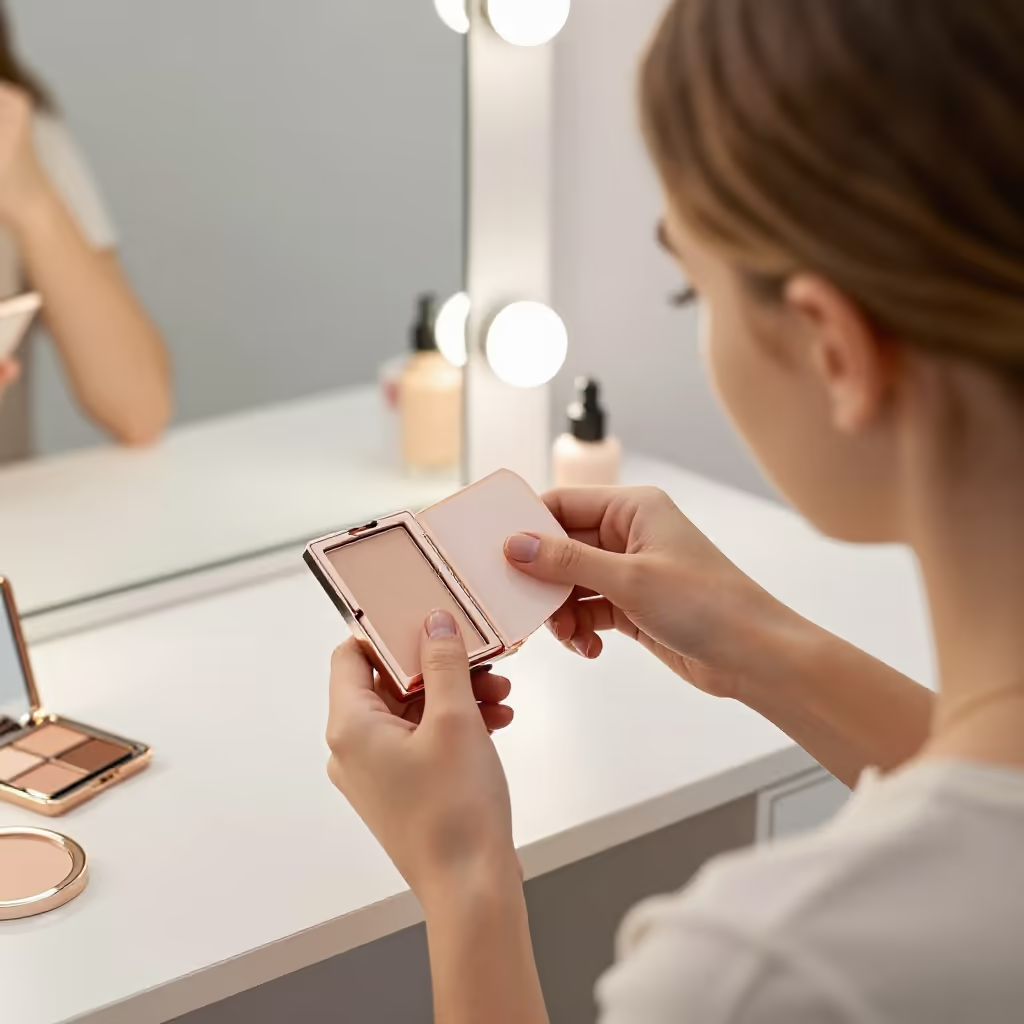
to fold / close
To fold, turn down, or close something, often with a sound, so that two parts lie on top of each other.
Er hat den Deckel der Kiste zugeklappt.
He closed the lid of the box.
'Klappen' means 'to work' or 'to succeed'. It is a false friend of the English verb 'to clap', which is 'klatschen' in German.
Super, der Plan hat geklappt!
Great, the plan worked!
'Klappen' (to work) is very often used impersonally with 'es' (it). If you want to say exactly what works out, you use the preposition 'mit' + dative.
Hat es mit dem neuen Job geklappt?
Did it work out with the new job?
In the meaning 'to work' or 'to succeed', 'klappen' is a very common word in spoken language and informal texts.
Ruf mich an, wenn es klappt.
Call me if it works out.
You can recognize the meaning from the context. If people are talking about a plan, an appointment, or an action, 'klappen' means 'to succeed' or 'to work out'. If it refers to a physical object, it is about a folding or closing movement.
Ich hoffe, es klappt mit unserer Verabredung.
I hope it works out with our date.
to go
Gehen generally expresses that a plan is possible or acceptable. Klappen, by contrast, emphasizes that the plan is actually carried out or was carried out as desired. Use gehen when agreeing to a possible date; use klappen when referring to its successful outcome.
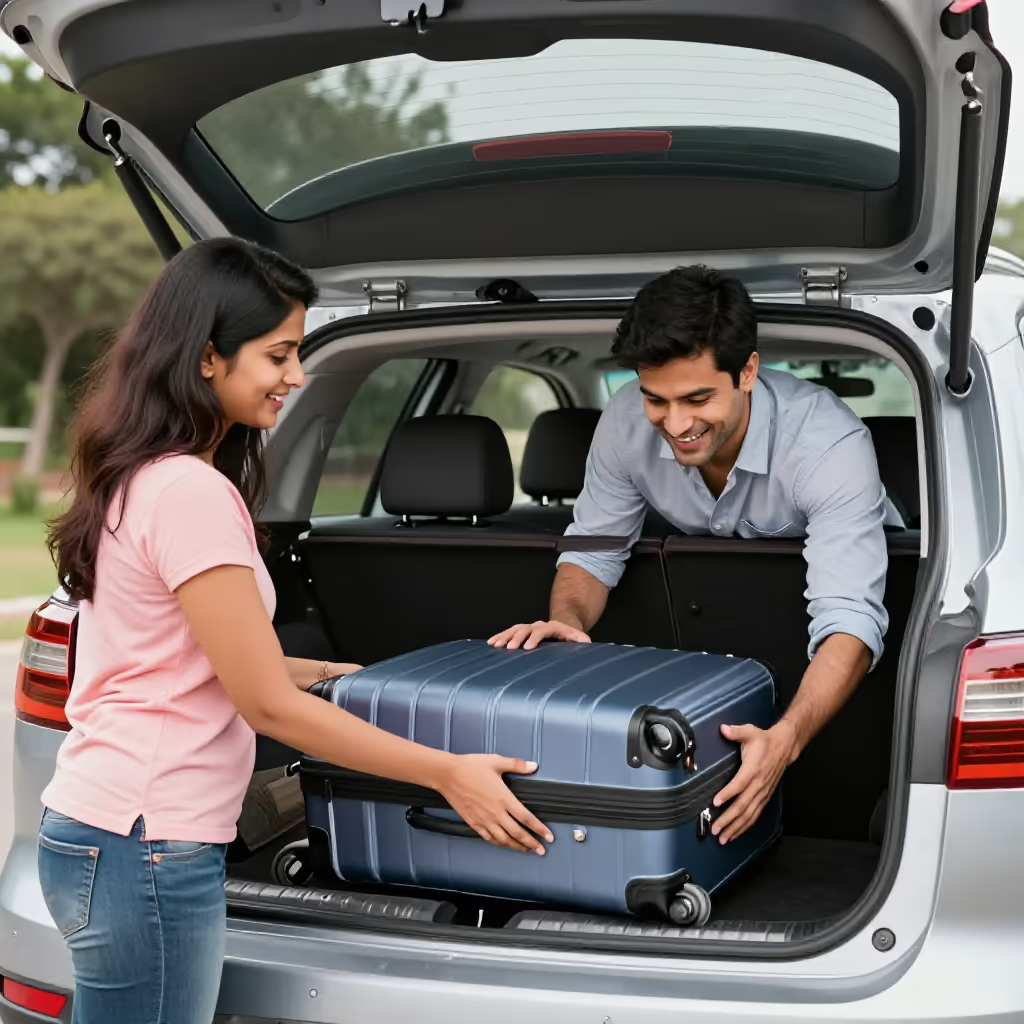
Das Treffen am Freitag hat trotz der kurzen Planung geklappt.
The meeting on Friday worked out despite the short notice.
Ein Treffen am Freitag geht für mich.
A meeting on Friday works for me.