


kriegen
to get
Colloquial for 'bekommen' (to get/receive); to receive or obtain something.
EXAMPLE
Was kriegst du zum Geburtstag?
What are you getting for your birthday?
to get
Loading your saved state.
to get
Colloquial for 'bekommen' (to get/receive); to receive or obtain something.
Was kriegst du zum Geburtstag?
What are you getting for your birthday?
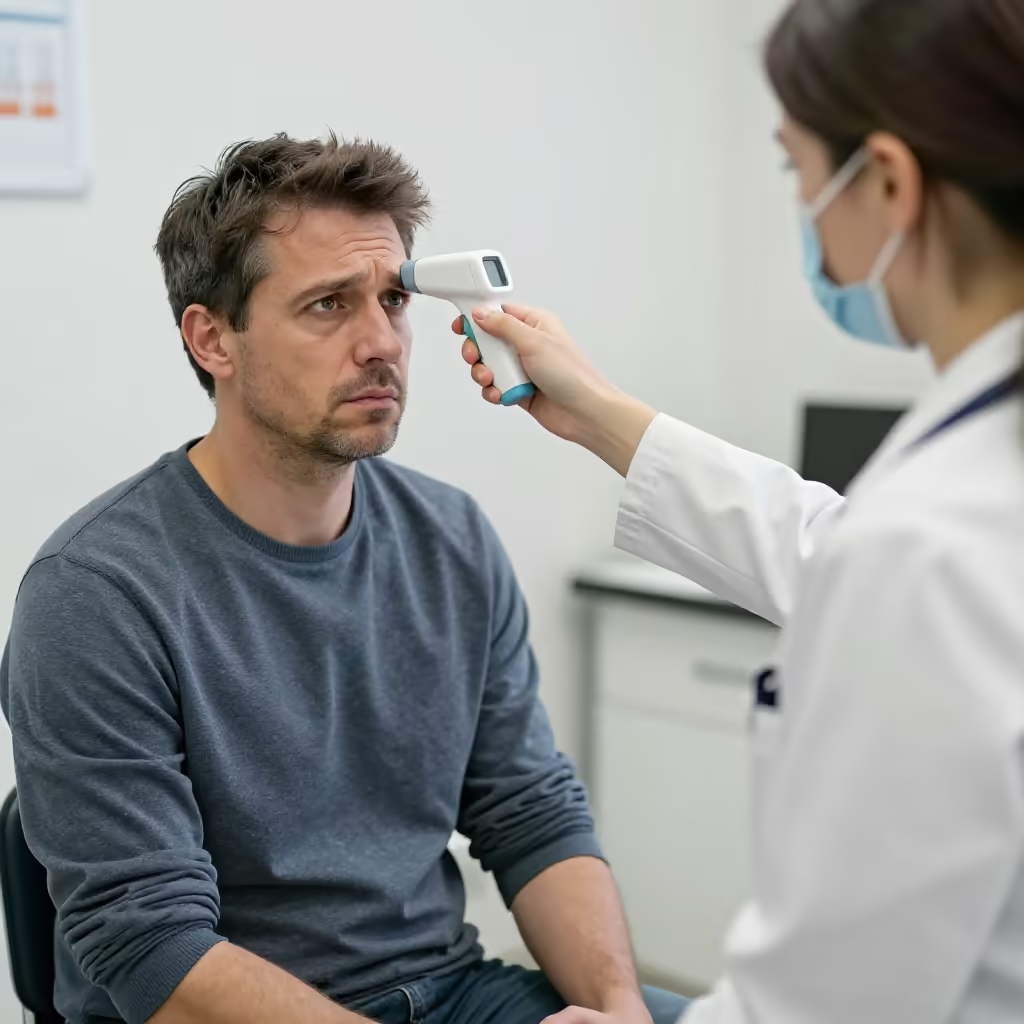
to get / catch
Colloquial for 'sich mit einer Krankheit anstecken' (to catch an illness).
Zieh dich warm an, sonst kriegst du eine Erkältung.
Dress warmly, or you’ll catch a cold.
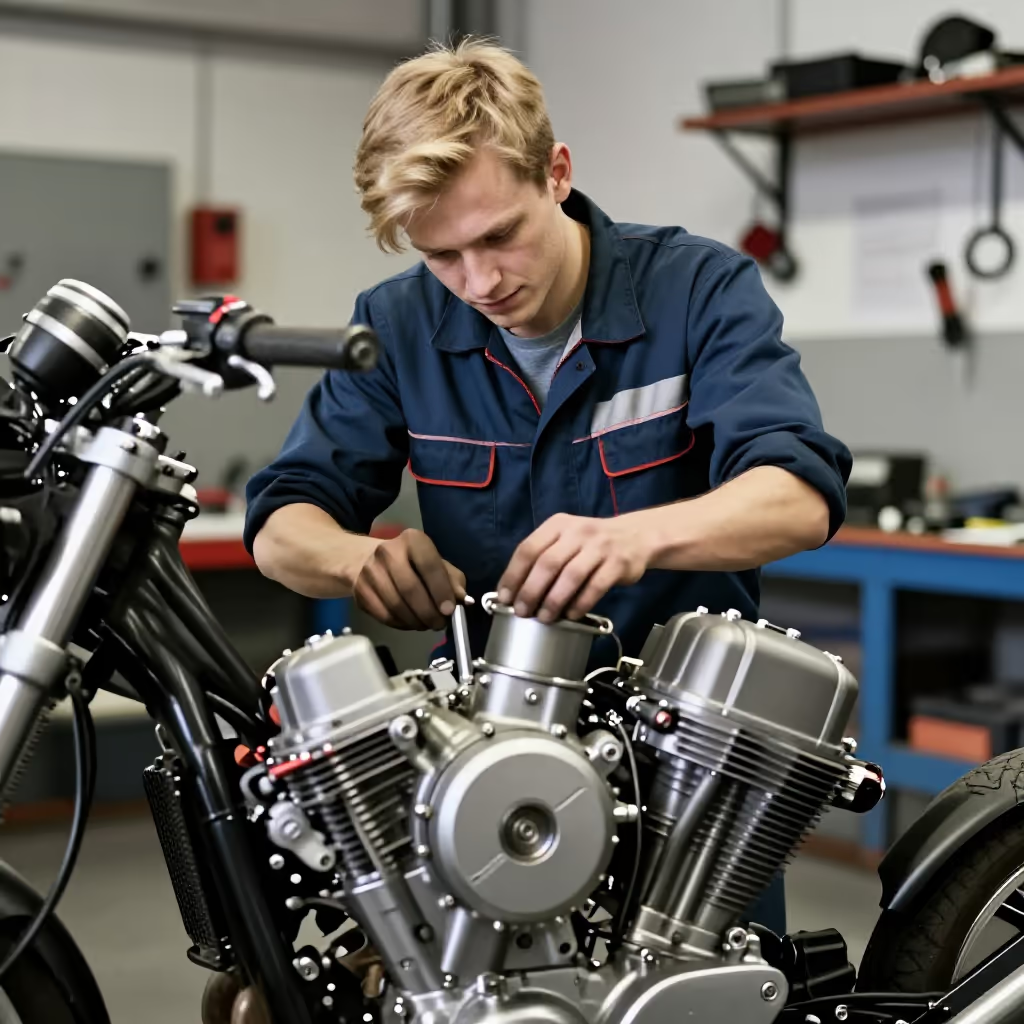
to manage to get
Colloquial, used to express that someone manages to put something into a certain state or carry out an action.
Ich kriege die Flasche einfach nicht auf.
I just can’t get the bottle open.
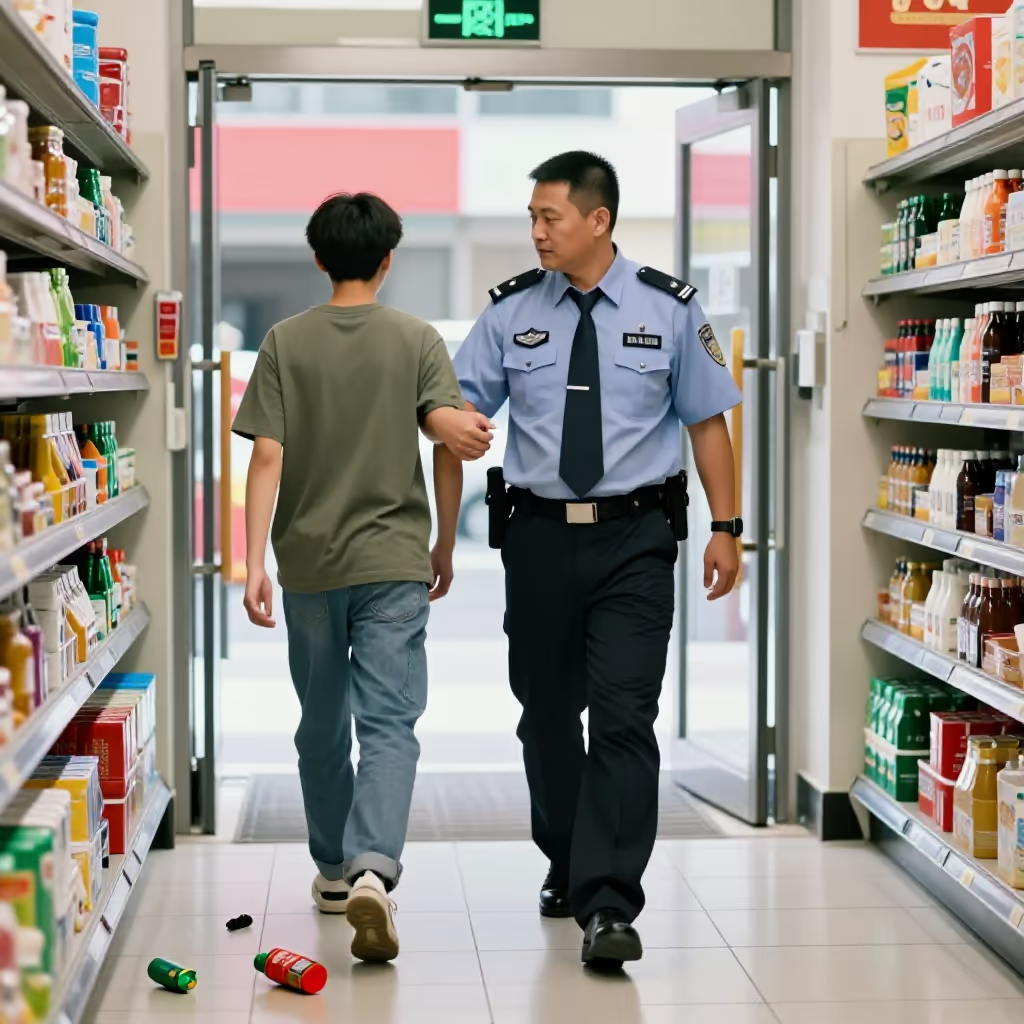
to catch
Colloquial for 'fangen' (to catch) or 'erwischen' (to catch/get).
Die Polizei hat den Dieb am Ende doch noch gekriegt.
In the end, the police did catch the thief after all.
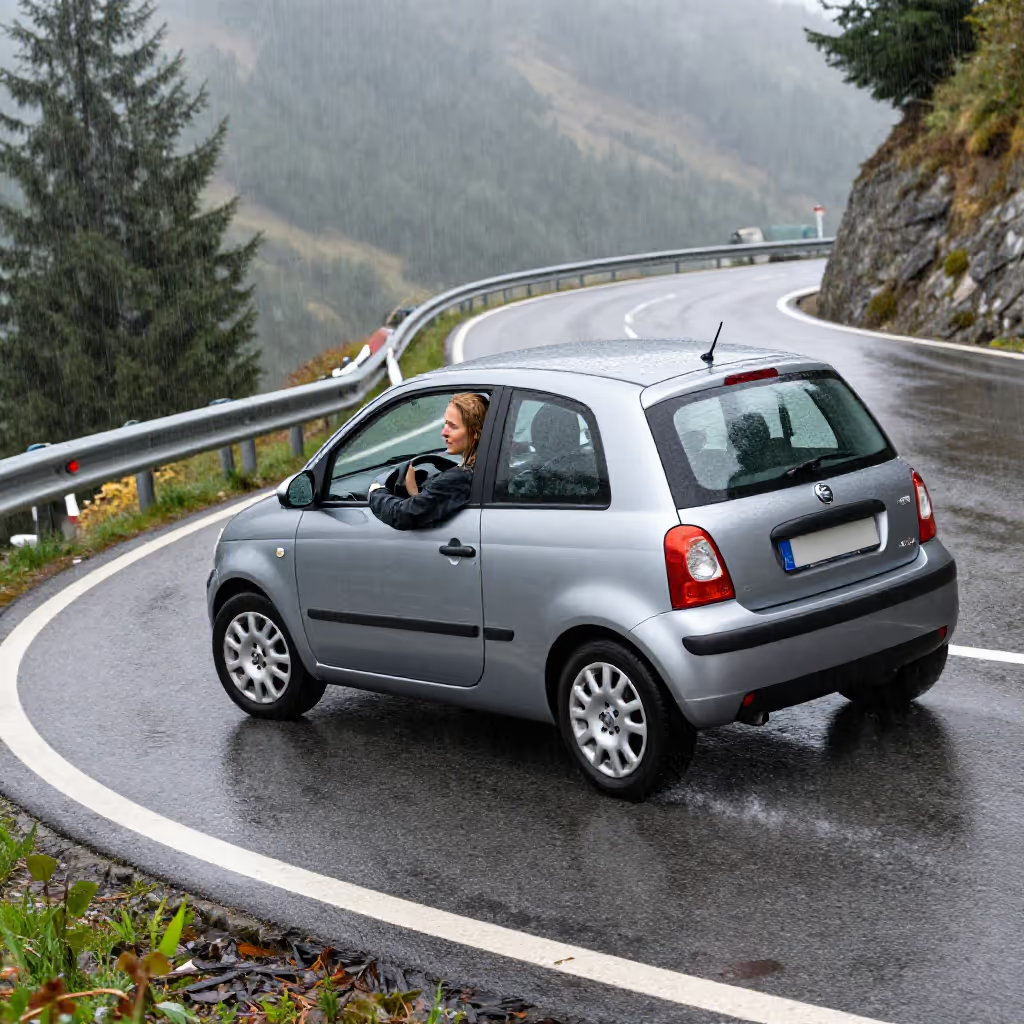
to pull through
An idiom meaning to just about manage a difficult situation or avert a looming problem.
Nach einem schlechten Start ins Semester hat er am Ende doch noch die Kurve gekriegt.
After a bad start to the semester, he managed to pull through in the end after all.
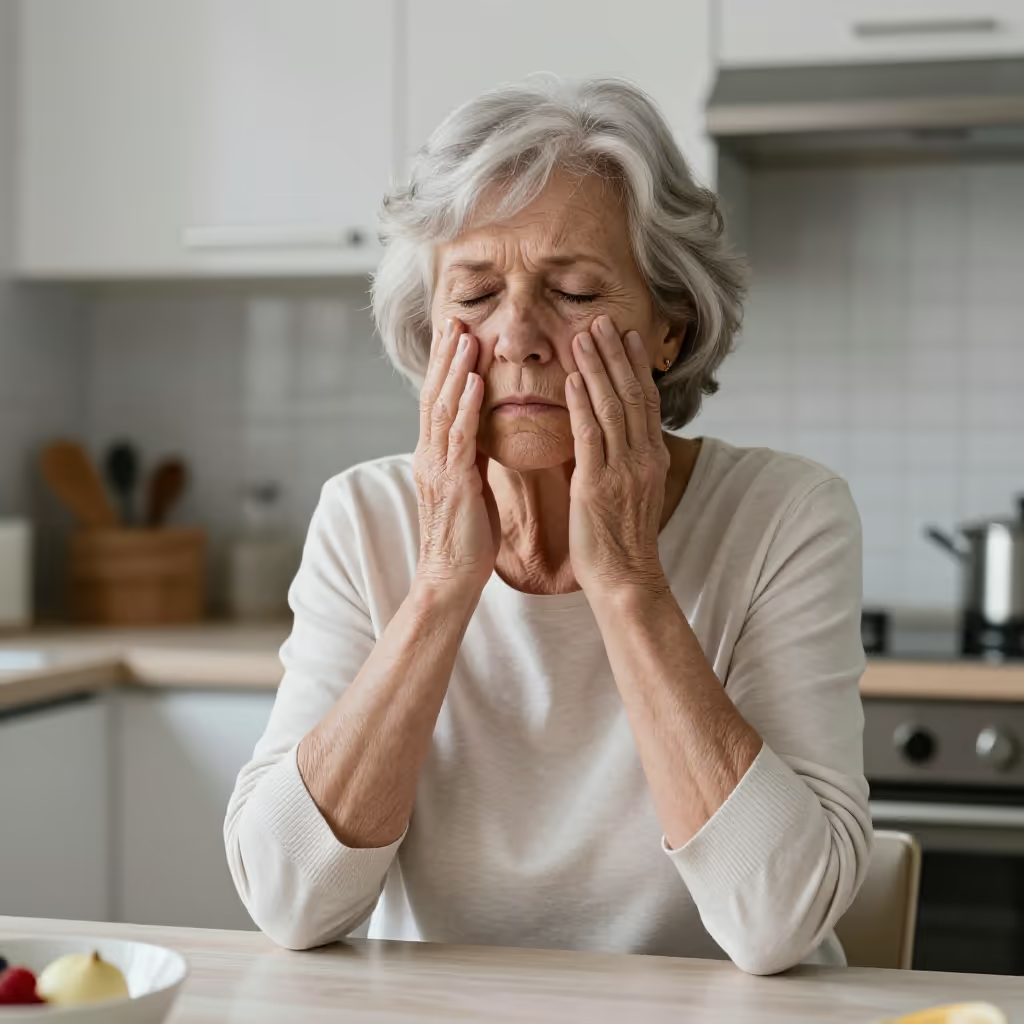
to pull oneself together
Colloquial for 'sich beruhigen' (to calm down) or 'sich wieder unter Kontrolle bringen' (to get oneself back under control).
Er war so wütend, dass er sich kaum wieder kriegen konnte.
He was so angry that he could hardly pull himself together again.
'Kriegen' (to get) is a very common verb in spoken language and in informal texts such as chats. In formal, official, or written contexts, it is usually avoided.
Ich muss noch schnell was zu essen kriegen.
I still need to quickly get something to eat.
Similar to 'bekommen' (to get/receive), 'kriegen' (to get) can form a passive-like construction with a past participle. This emphasizes that the subject receives something or that an action is performed on the subject.
Du kriegst das Fahrrad zum Geburtstag geschenkt.
You’re getting the bike given to you for your birthday.
To express the onset of an illness or a feeling, 'kriegen' (to get) is often combined with nouns such as 'eine Erkältung' (a cold), 'Fieber' (fever), 'Kopfschmerzen' (headaches), 'Angst' (fear/anxiety), or 'Hunger' (hunger).
Wenn ich zu wenig schlafe, kriege ich schnell Kopfschmerzen.
If I don’t sleep enough, I quickly get headaches.
The structure 'Objekt + Adjektiv/Adverb + kriegen' (object + adjective/adverb + get) means that someone manages to bring something into a certain state. The adjective or adverb comes at the end of the sentence.
Ich kriege das Glas einfach nicht sauber.
I just can’t get the glass clean.
The idiom 'die Kurve kriegen' (to make the curve) means to just about manage a difficult situation or successfully solve a problem, even though things did not look good at first.
Er hat in der Prüfung gerade noch so die Kurve gekriegt.
He just about managed to pull through in the exam.
The reflexive form 'sich kriegen' or 'sich wieder kriegen' (to pull oneself together/calm down again) means to calm down after a strong emotion such as laughing, crying, or anger and regain control.
Der Witz war so gut, ich konnte mich vor Lachen kaum wieder kriegen.
The joke was so good that I could hardly pull myself together from laughing.
to become / will
Werden forms the standard passive and puts the action or the affected object in the foreground. Kriegen can colloquially emphasize the recipient who receives something. Werden suits a neutral statement, while kriegen suits an emphasized recipient perspective in conversation.
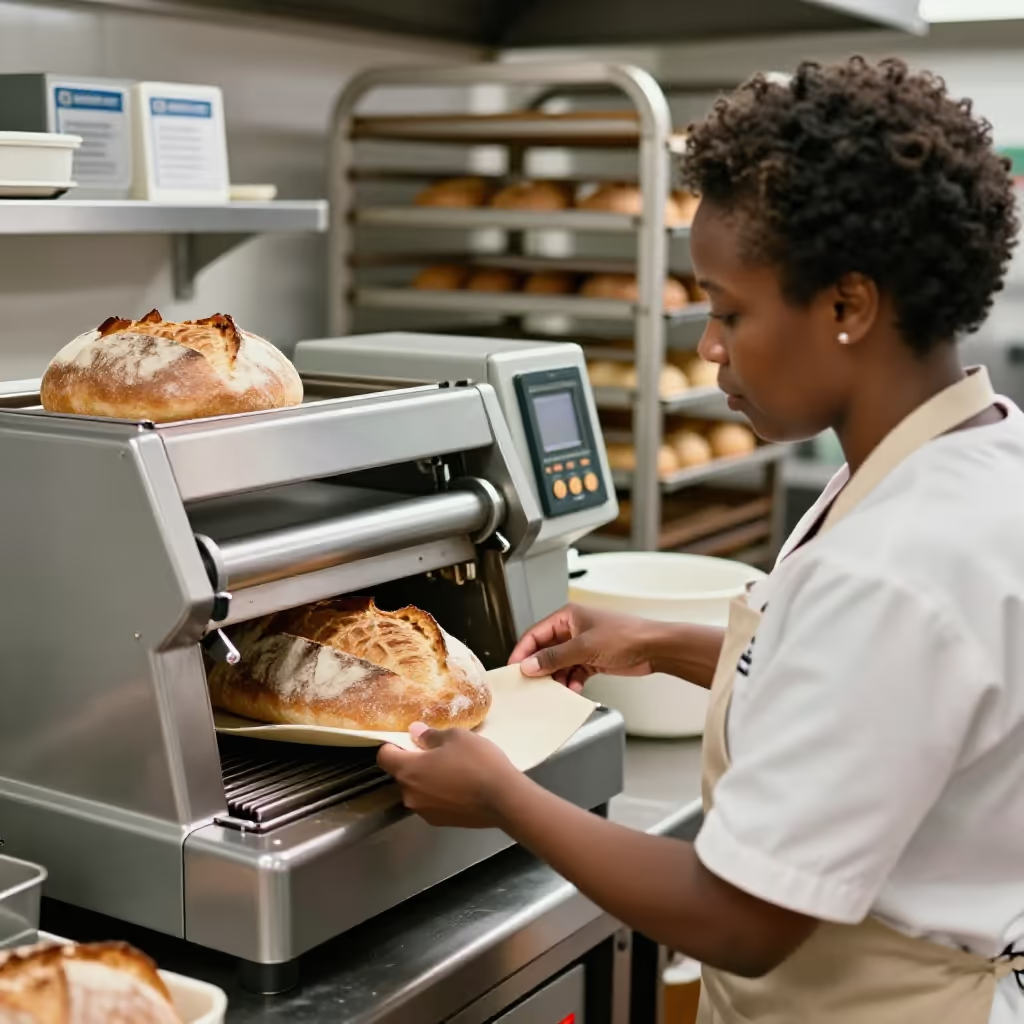
Der Kunde kriegt das Paket morgen geliefert.
The customer gets the package delivered tomorrow.
Das Paket wird dem Kunden morgen geliefert.
The package will be delivered to the customer tomorrow.