


nett
nice
Describes a person who is friendly, likable, and pleasant to deal with.
EXAMPLE
Unsere neue Nachbarin ist wirklich sehr nett.
Our new neighbor is really very nice.
nice
Loading your saved state.
nice
Describes a person who is friendly, likable, and pleasant to deal with.
Unsere neue Nachbarin ist wirklich sehr nett.
Our new neighbor is really very nice.

nice
Expresses polite, but often only moderate or reserved approval. In some contexts, it can also be used ironically to mean 'not especially good' or 'mediocre.'
Wie war der Film? — Ach, er war ganz nett.
How was the movie? — Oh, it was quite nice.
nice
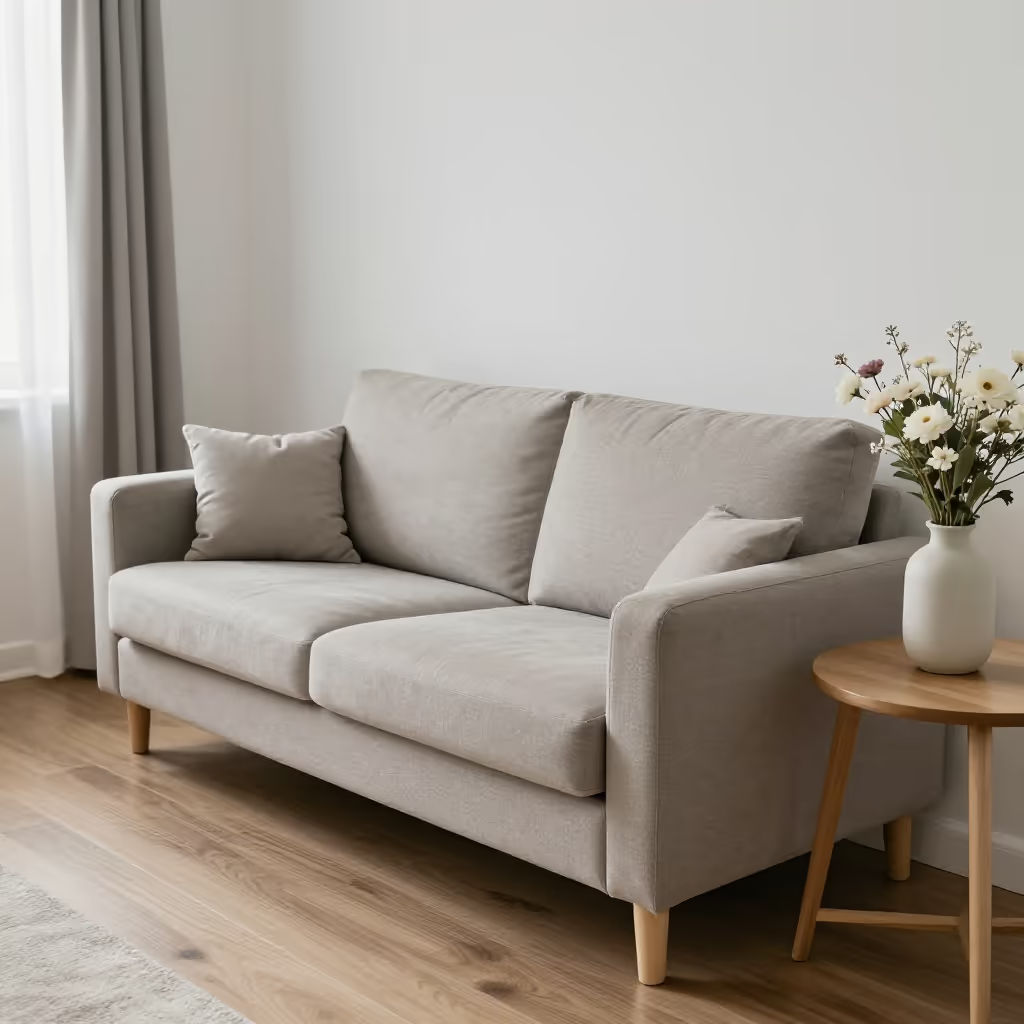
Describes a thing or place as attractive, pretty, or tidy, often in an understated way.
Sie wohnen in einem netten kleinen Haus am Stadtrand.
They live in a nice little house on the outskirts of town.
Depending on context and tone of voice, 'nett' (nice) can be a polite but weak evaluation. Especially in the combination 'ganz nett' (quite nice), it often means 'mediocre' or 'not especially impressive.'
Wie war der Film? – Ach, er war ganz nett.
How was the movie? — Oh, it was quite nice.
To express that someone is friendly to another person, you use the fixed structure 'nett zu' (nice to) followed by the dative.
Du solltest immer nett zu deinen Mitschülern sein.
You should always be nice to your classmates.
'Nett' (nice) does not only describe people. You can also use it for pleasant situations, kind actions, or appealing things and places.
Wir saßen in einem netten kleinen Café am Marktplatz.
We sat in a nice little café on the market square.
beautiful / nice
For a thing or place, both „schön“ and „nett“ can express a positive aesthetic evaluation. „Nett“ often sounds restrained and understated, while „schön“ usually conveys a noticeably stronger evaluation. Use „nett“ for moderate praise and „schön“ for clear beauty.
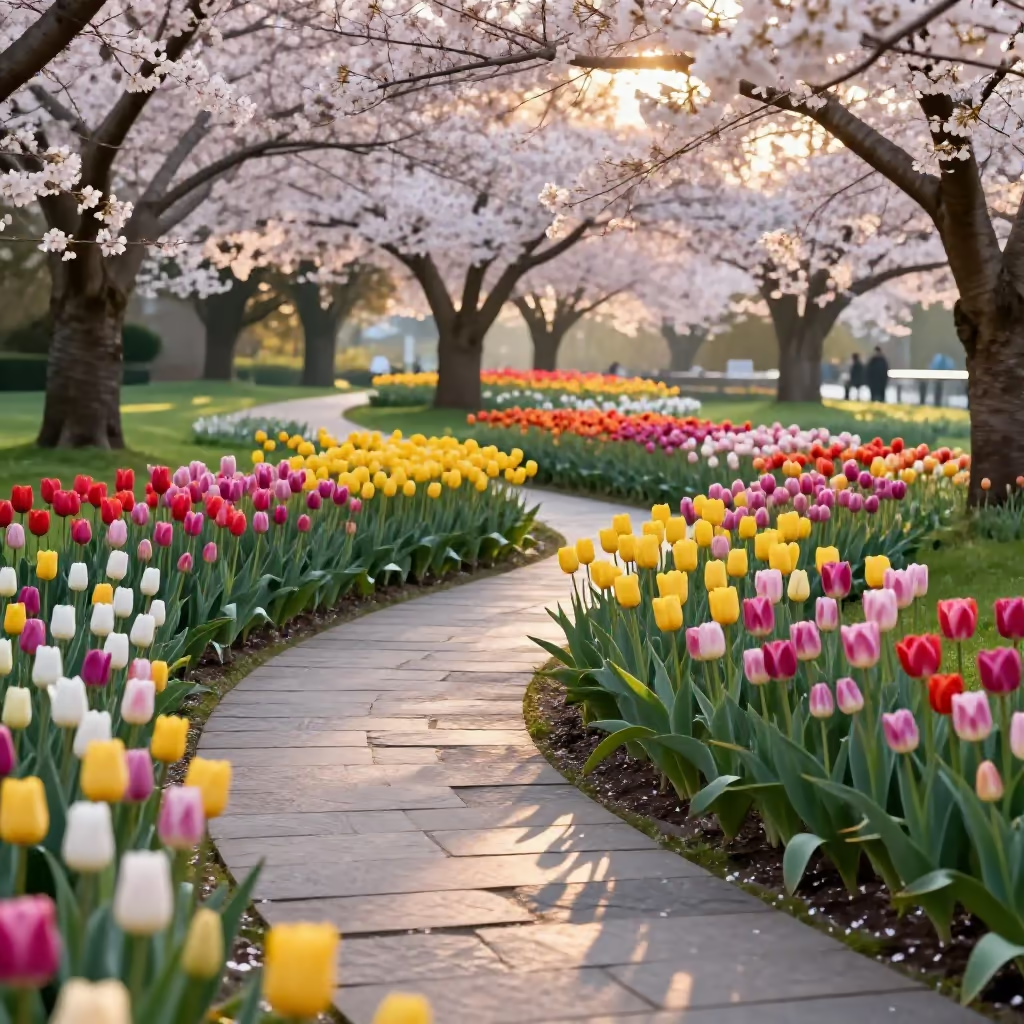
Der kleine Garten hinter dem Haus ist ganz nett.
The small garden behind the house is quite nice.
Der kleine Garten hinter dem Haus ist wirklich schön.
The small garden behind the house is really beautiful.