

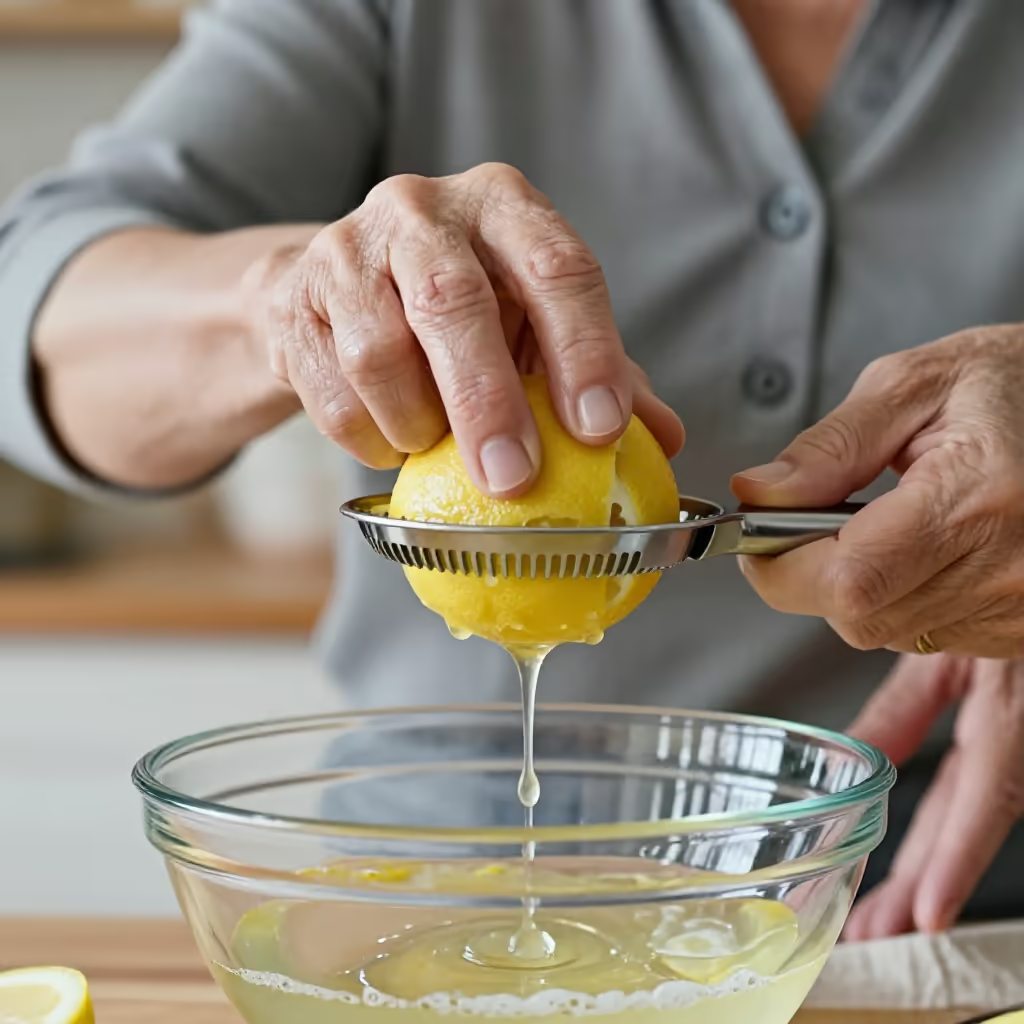
quetschen
to squeeze
To press something with strong pressure so that it loses its shape, is damaged, or liquid comes out.
Für den frischen Saft müssen wir noch ein paar Orangen quetschen.
For the fresh juice, we still need to squeeze a few oranges.
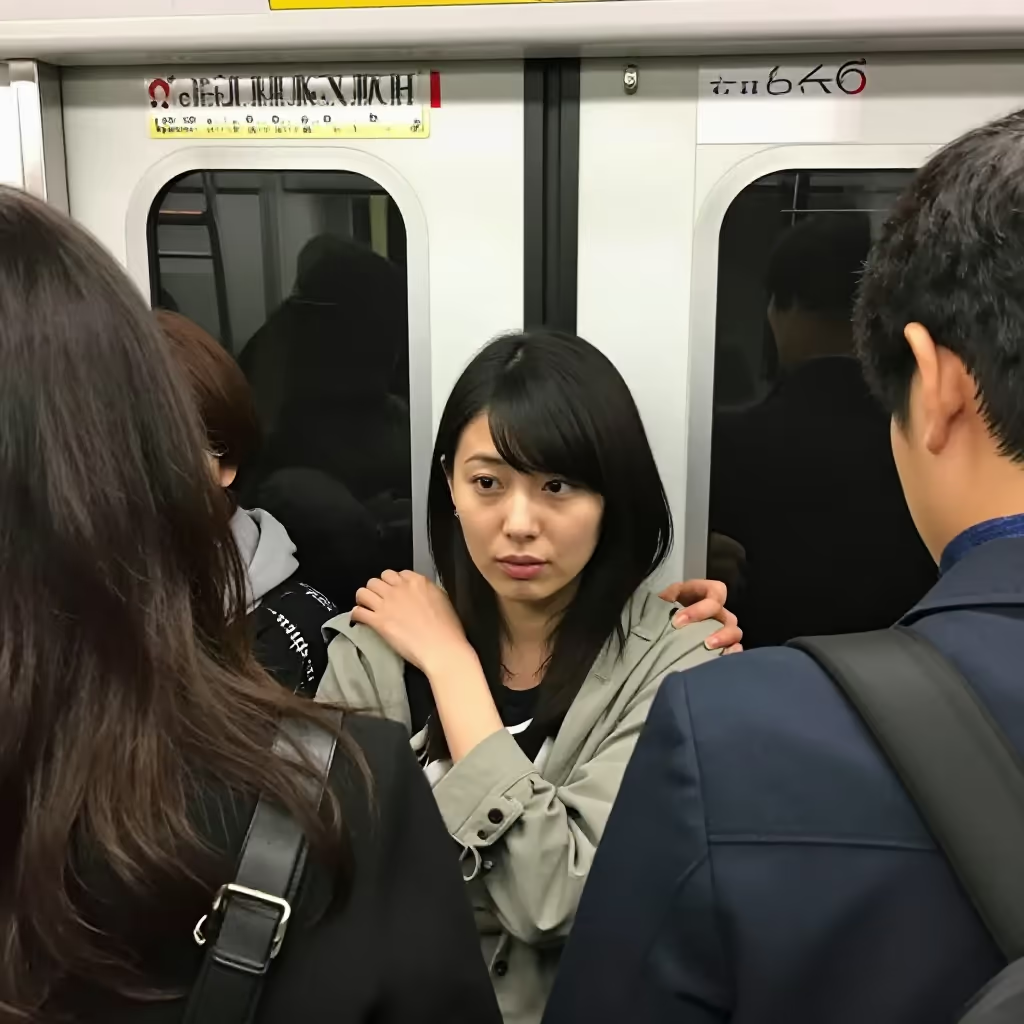
to squeeze / crush
Loading your saved state.
to squeeze
To press something with strong pressure so that it loses its shape, is damaged, or liquid comes out.
Für den frischen Saft müssen wir noch ein paar Orangen quetschen.
For the fresh juice, we still need to squeeze a few oranges.
'Quetschen' (to squeeze/crush) is often used reflexively, but then it has two different structures. 'Sich quetschen' means to squeeze oneself into a tight space. 'Sich (dative) etwas (accusative) quetschen' means to trap and injure a body part.
Alle quetschten sich in den kleinen Aufzug.
Everyone squeezed into the small elevator.
In the basic meaning 'pressen' (to press), 'quetschen' (to squeeze) is often used in connection with preparing food. Typical objects are fruits or vegetables from which you want to get juice or purée.
Für das Dressing müssen wir noch eine Knoblauchzehe quetschen.
For the dressing, we still need to crush a clove of garlic.
When people force themselves into somewhere, 'sich quetschen' (to squeeze oneself in) almost always appears with a preposition that describes the tight place. Typical ones are 'in', 'auf', or 'zwischen' with the accusative.
Wir quetschten uns zu viert auf das kleine Sofa.
The four of us squeezed onto the small sofa.
to press / hug
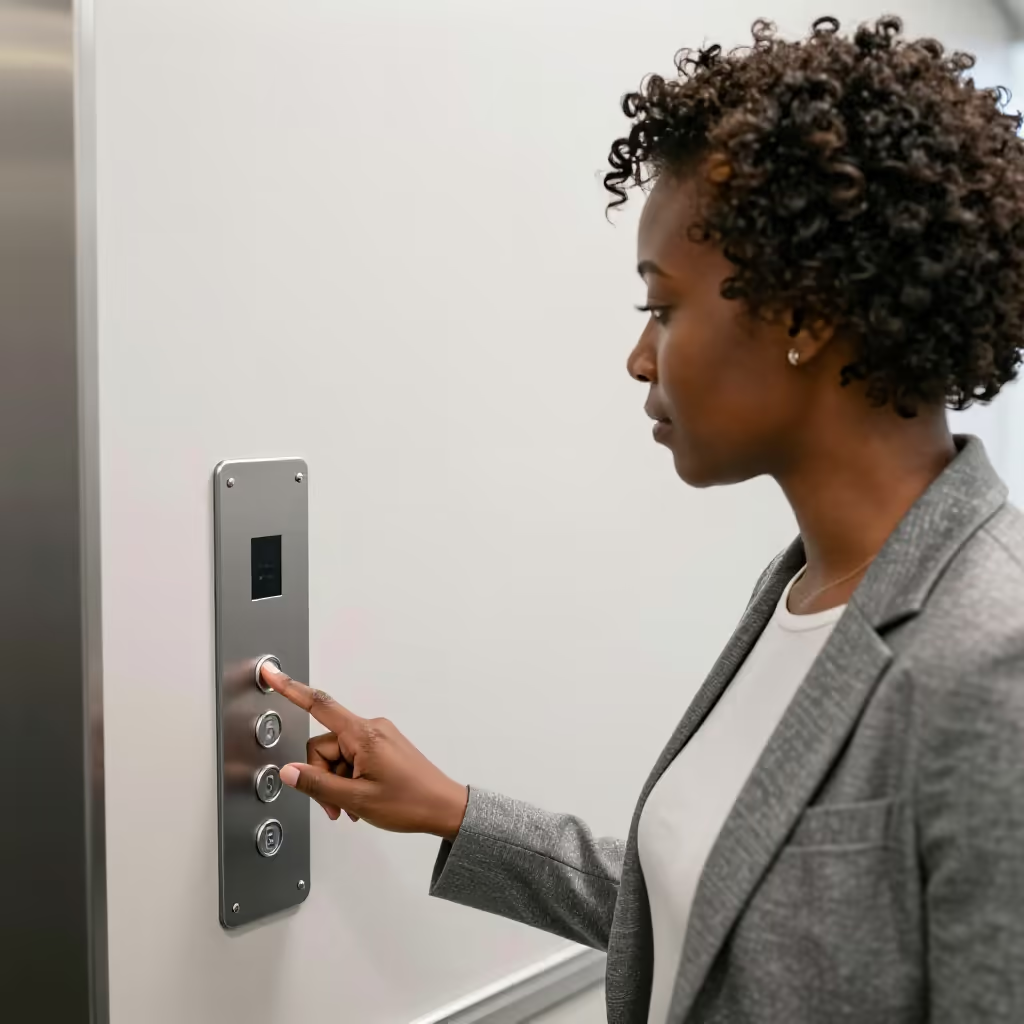
'drücken' and 'quetschen' both have to do with pressure. 'drücken' is usually neutral: you apply pressure to something with your hand or fingers, for example to a button. 'quetschen' means stronger pressure, where something is pressed tightly together, deformed, or even injured. Learners may confuse the words because both describe a pressing movement. As a simple guide: you 'drückt' a button, but you can 'quetschen' a soft fruit or a finger.

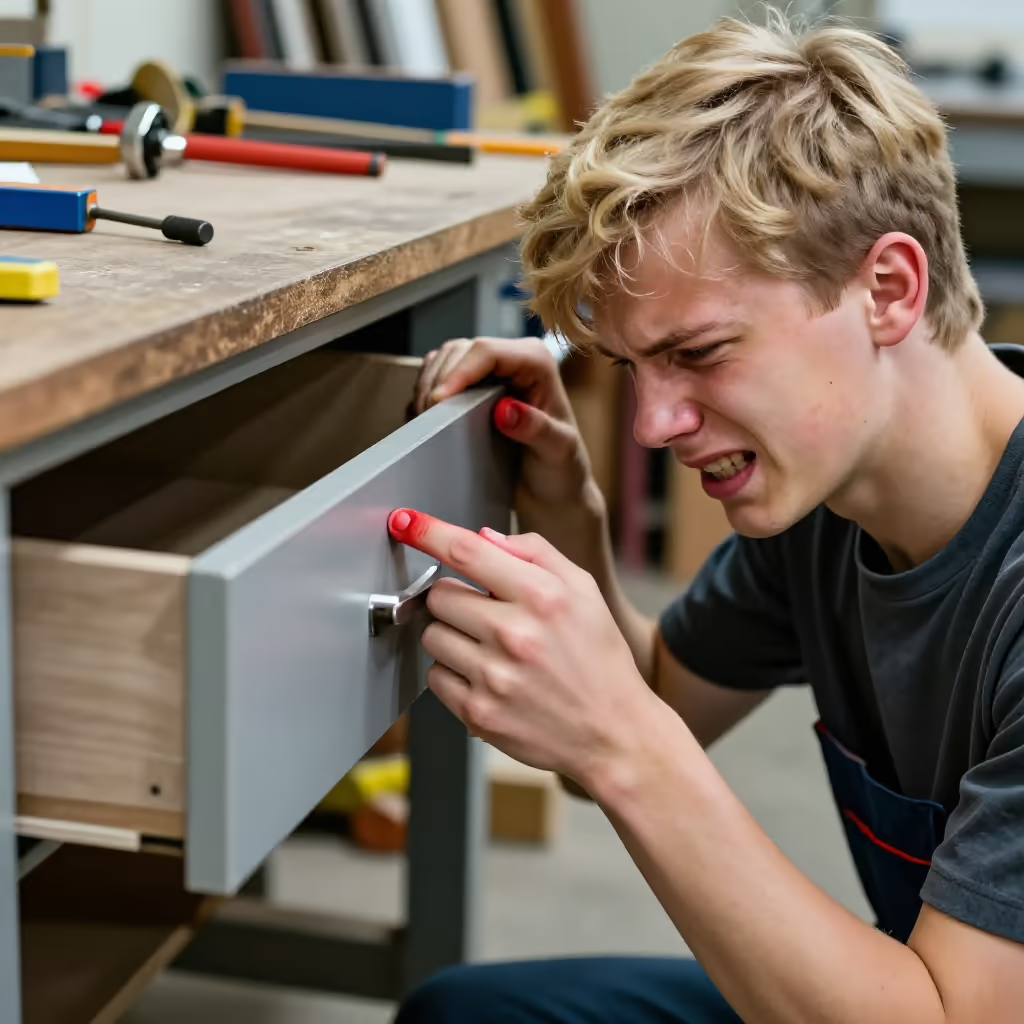
Beim Schließen der Schublade hat sich Tom den Finger gequetscht.
Tom pinched his finger while closing the drawer.
Aylin drückt am Bahnhof auf den grünen Knopf am Automaten.
At the station, Aylin presses the green button on the machine.