

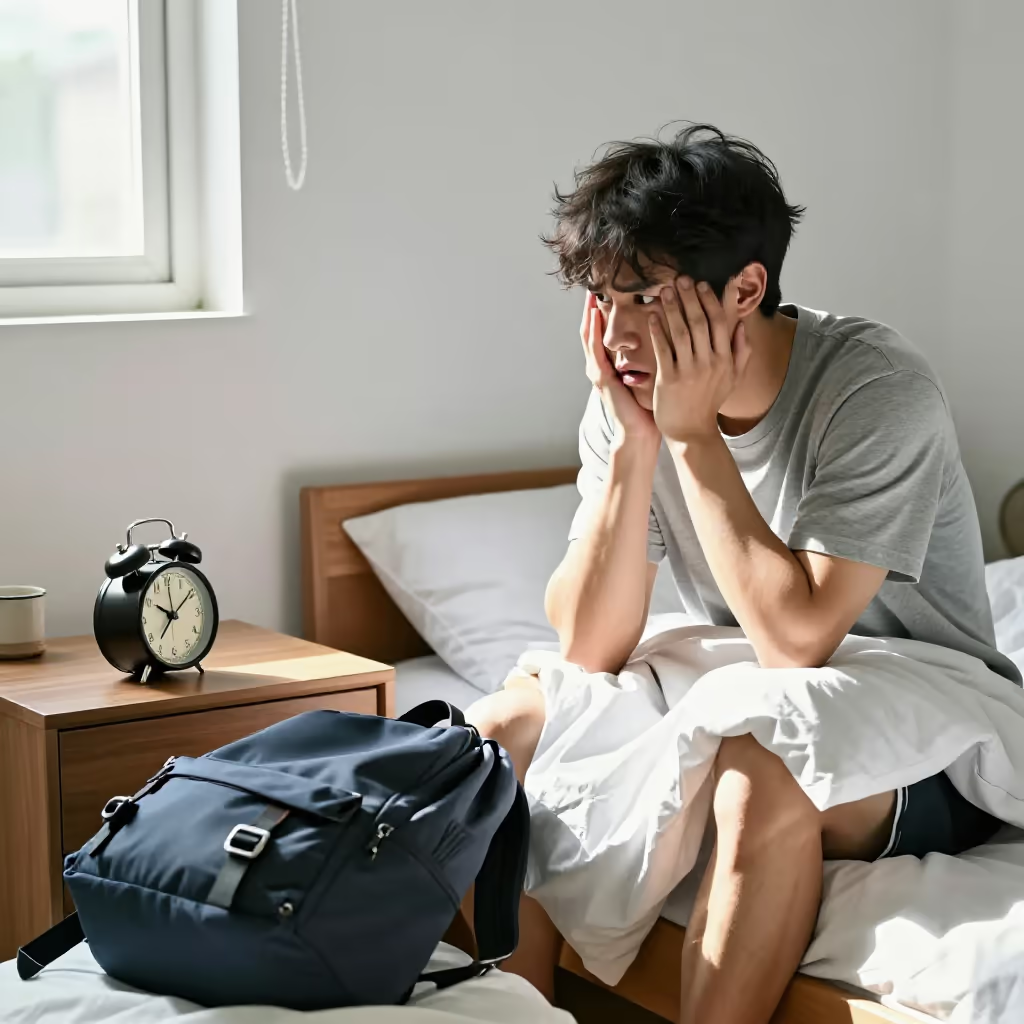
verschlafen
to oversleep
To sleep longer than intended and, as a result, miss an appointment, obligation, or event.
EXAMPLE
Ich habe heute Morgen verschlafen und den Zug verpasst.
I overslept this morning and missed the train.
to oversleep / miss
Loading your saved state.
to oversleep
To sleep longer than intended and, as a result, miss an appointment, obligation, or event.
Ich habe heute Morgen verschlafen und den Zug verpasst.
I overslept this morning and missed the train.
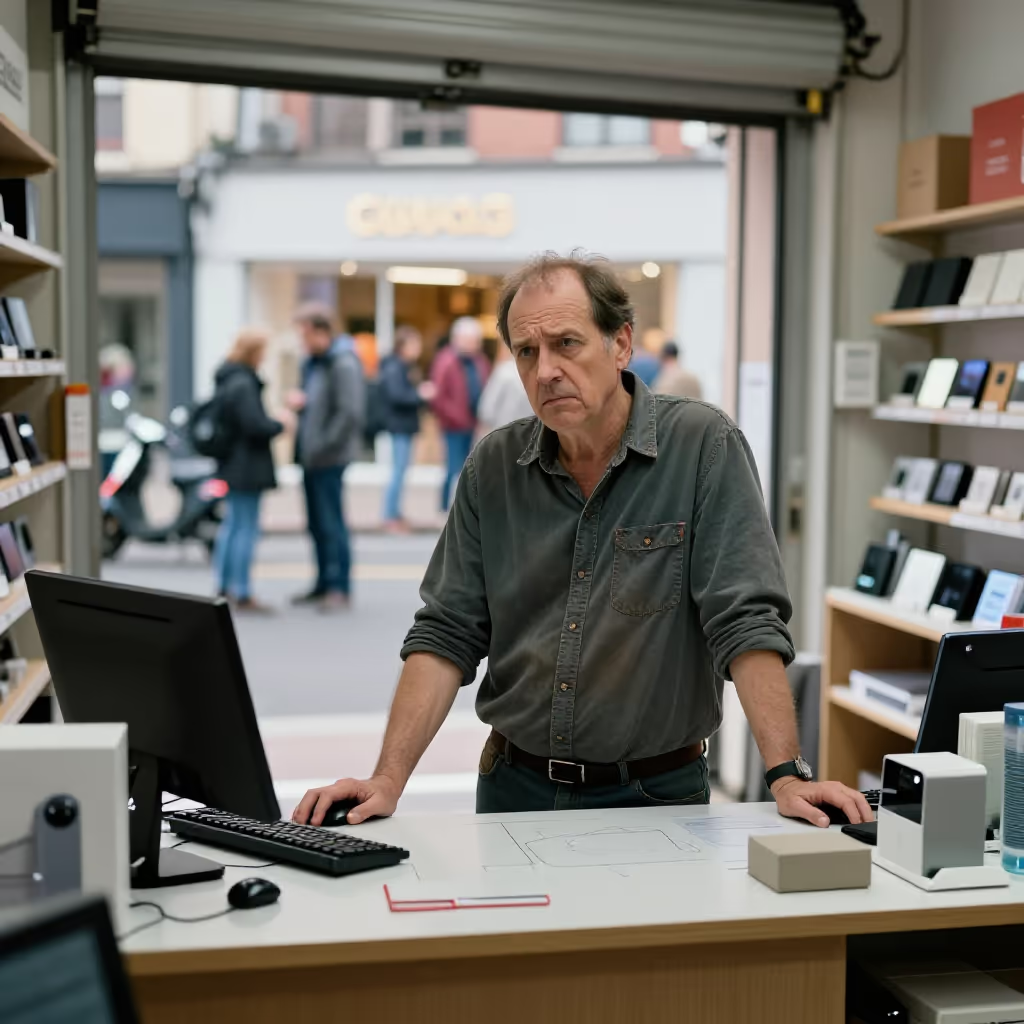
to miss
To fail to notice or miss a development, opportunity, or important change because of inattention or inertia.
Das Unternehmen hat den Trend zur Elektromobilität völlig verschlafen.
The company completely missed the trend toward electric mobility.
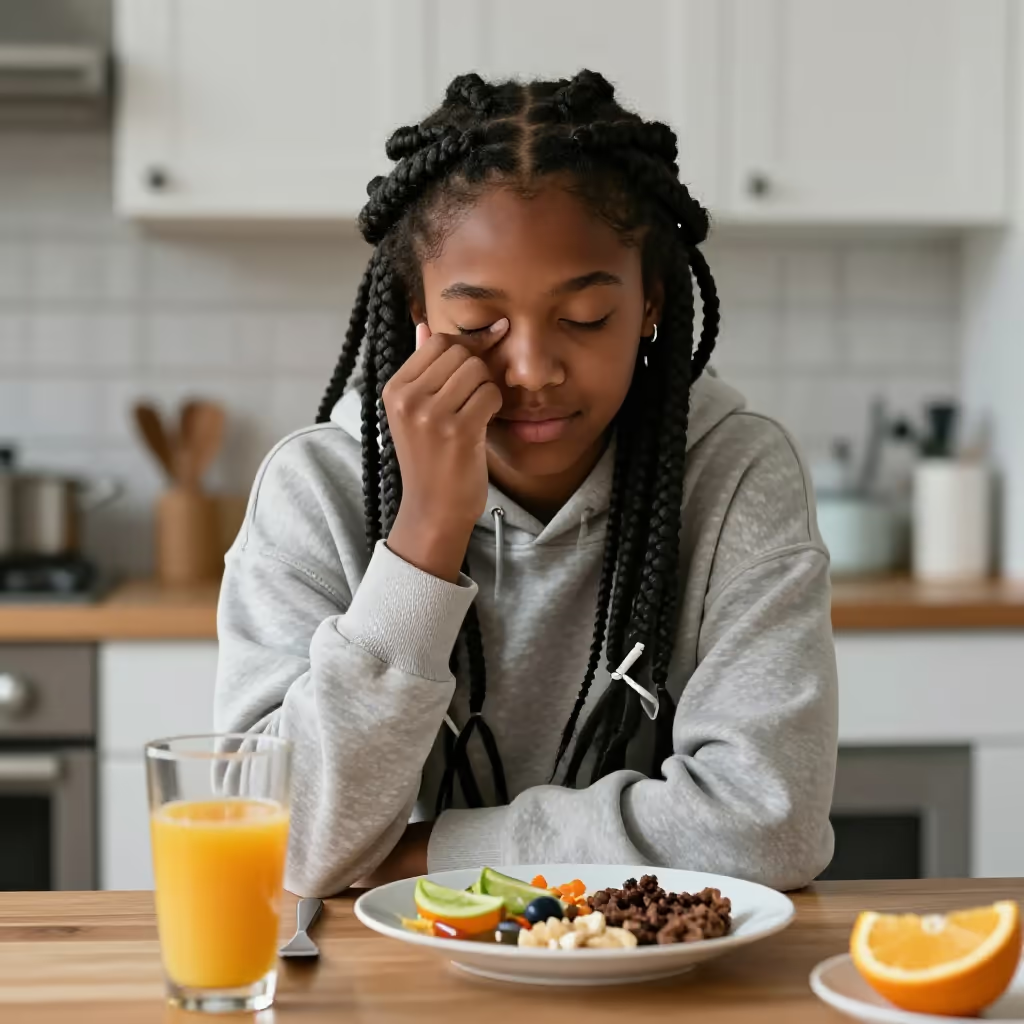
sleepy
To look or seem still tired and not fully awake. Often used as an adjective or adverb.
Er rieb sich die verschlafenen Augen und ging in die Küche.
He rubbed his sleepy eyes and went into the kitchen.
'Verschlafen' is an inseparable verb with the prefix 'ver-'. This prefix often suggests that something is done incorrectly or missed, which fits well with the meanings 'to sleep too long' and 'to miss a development'.
Das Management hat die Digitalisierung komplett verschlafen.
The management completely missed digitalization.
In the meaning 'zu lange schlafen' (to sleep too long), the verb can also be used reflexively: 'sich verschlafen' (to oversleep). This often emphasizes that you yourself are responsible for missing something.
Ich habe mich heute Morgen verschlafen und bin zu spät zur Arbeit gekommen.
I overslept this morning and got to work late.
In the figurative meaning, 'verschlafen' is often combined with abstract nouns. Typical objects are 'den Trend' (the trend), 'die Entwicklung' (the development), 'eine Chance' (an opportunity), or 'den Anschluss' (the connection/keeping up).
Die Firma darf den Anschluss an die neuen Technologien nicht verschlafen.
The company must not miss the chance to keep up with the new technologies.
The past participle form 'verschlafen' is very often used as an adjective to describe a person or their appearance. It then means 'still looking tired'.
Mit verschlafenem Gesicht kam er zum Frühstückstisch.
He came to the breakfast table with a sleepy face.
to miss / to give
Both verpassen and verschlafen can mean that someone misses an appointment. Verpassen names only the result and leaves the cause open. Verschlafen also states the reason: the person slept longer than intended.
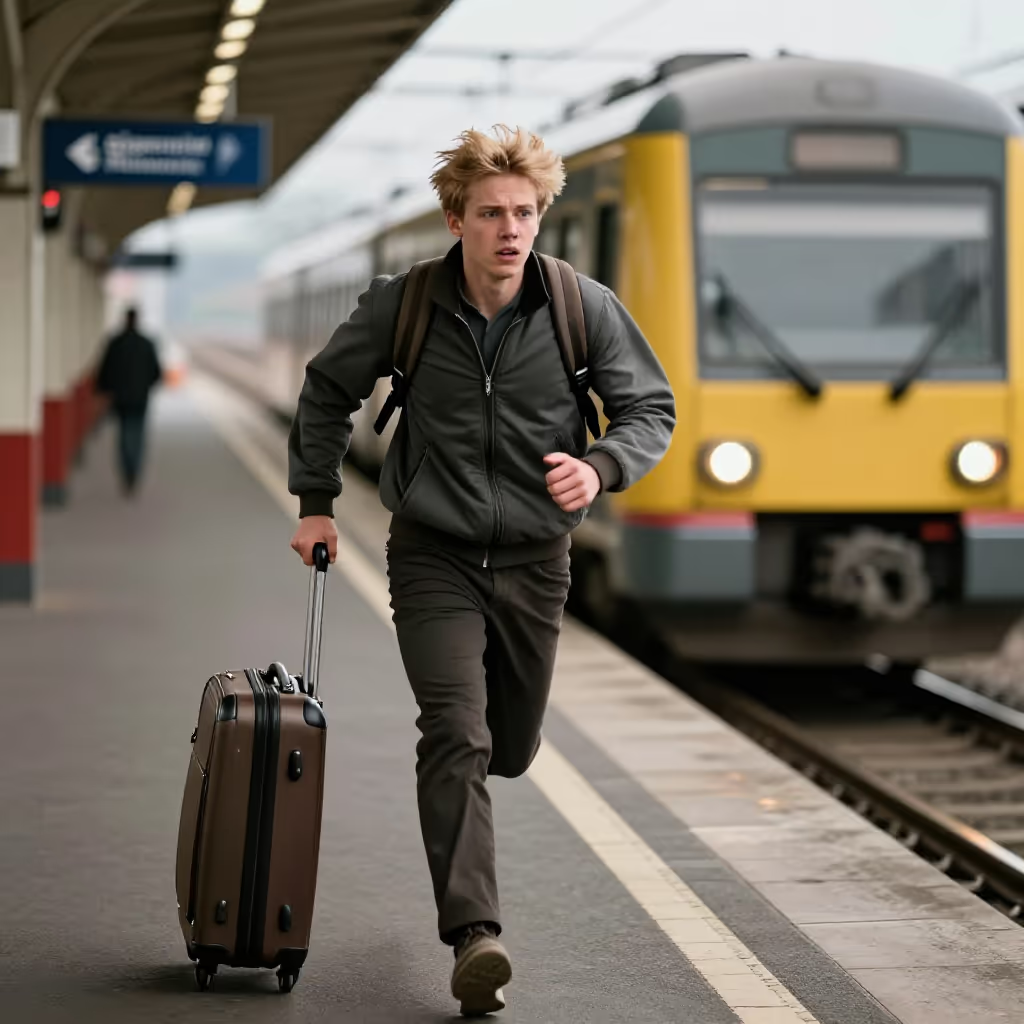
Wegen eines defekten Weckers verschlief Nina den frühen Termin.
Because of a broken alarm clock, Nina overslept and missed the early appointment.
Wegen eines Staus verpasste Nina den frühen Termin.
Because of a traffic jam, Nina missed the early appointment.