

das Volk
people
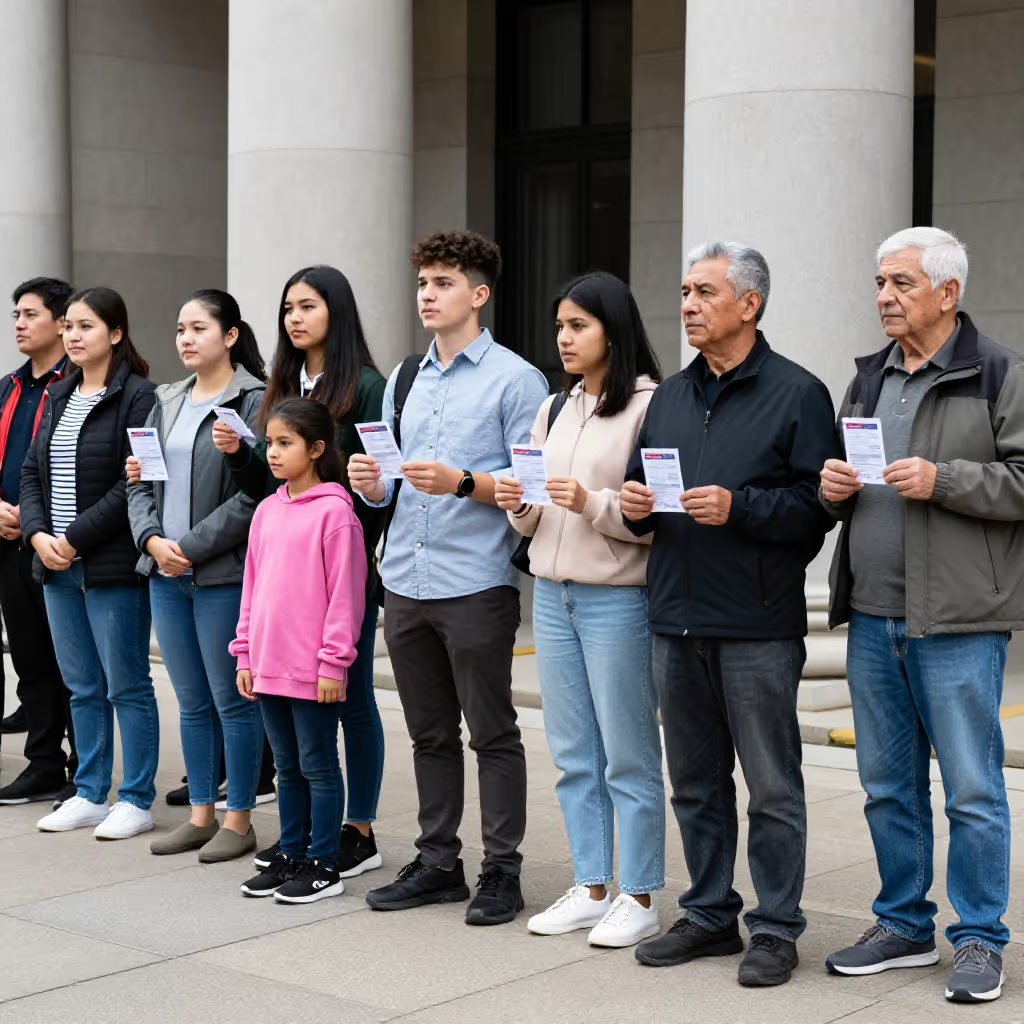
All the citizens of a state; the population of a country.
EXAMPLE
In einer Demokratie geht alle Macht vom Volk aus.
In a democracy, all power comes from the people.
people / nation
Loading your saved state.
people
All the citizens of a state; the population of a country.
In einer Demokratie geht alle Macht vom Volk aus.
In a democracy, all power comes from the people.
people / nation
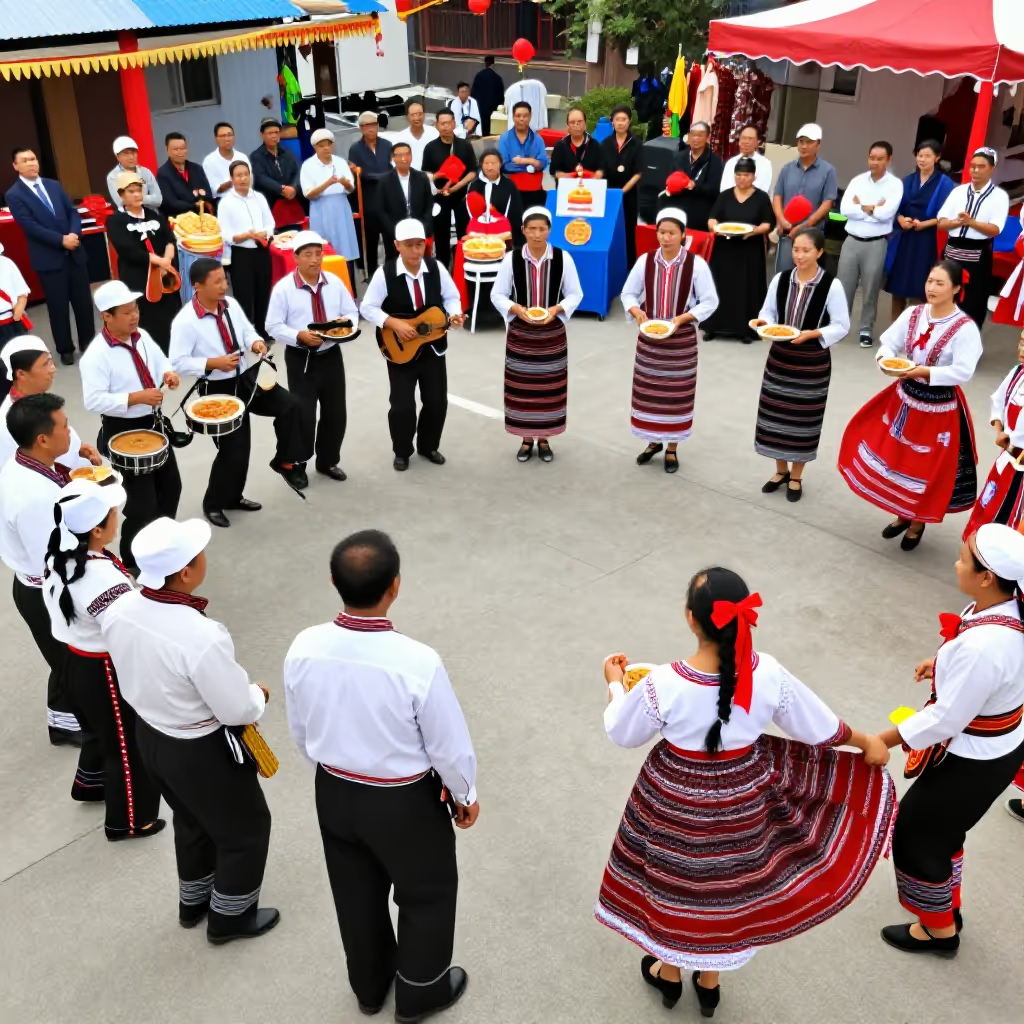
A community of people with a shared language, culture, and history; an ethnic group or nation.
Die Samen sind ein indigenes Volk im Norden Skandinaviens.
The Sámi are an Indigenous people in northern Scandinavia.
common people
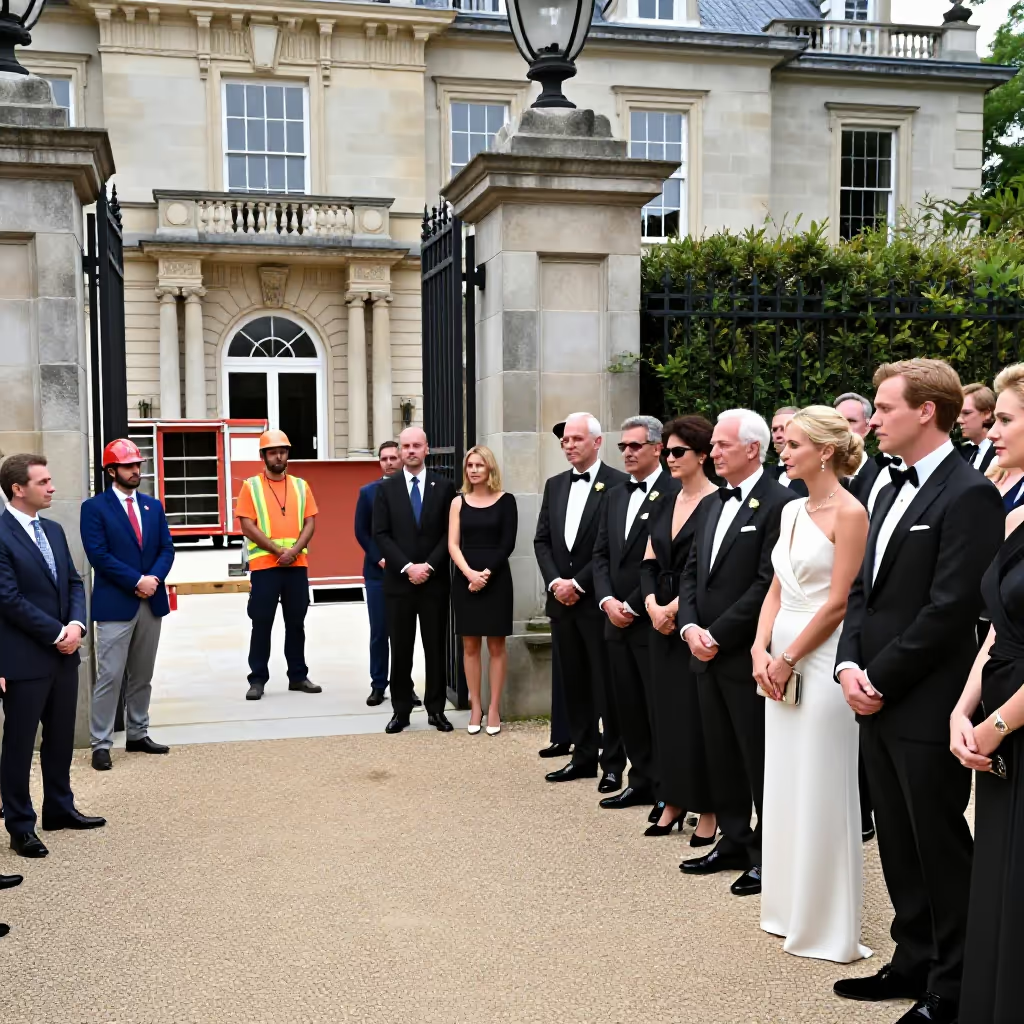
Ordinary people as opposed to the upper class or elite. Can sound slightly derogatory.
Der Adel hatte oft nur wenig Verständnis für die Sorgen des einfachen Volkes.
The nobility often had little understanding of the concerns of the common people.
crowd
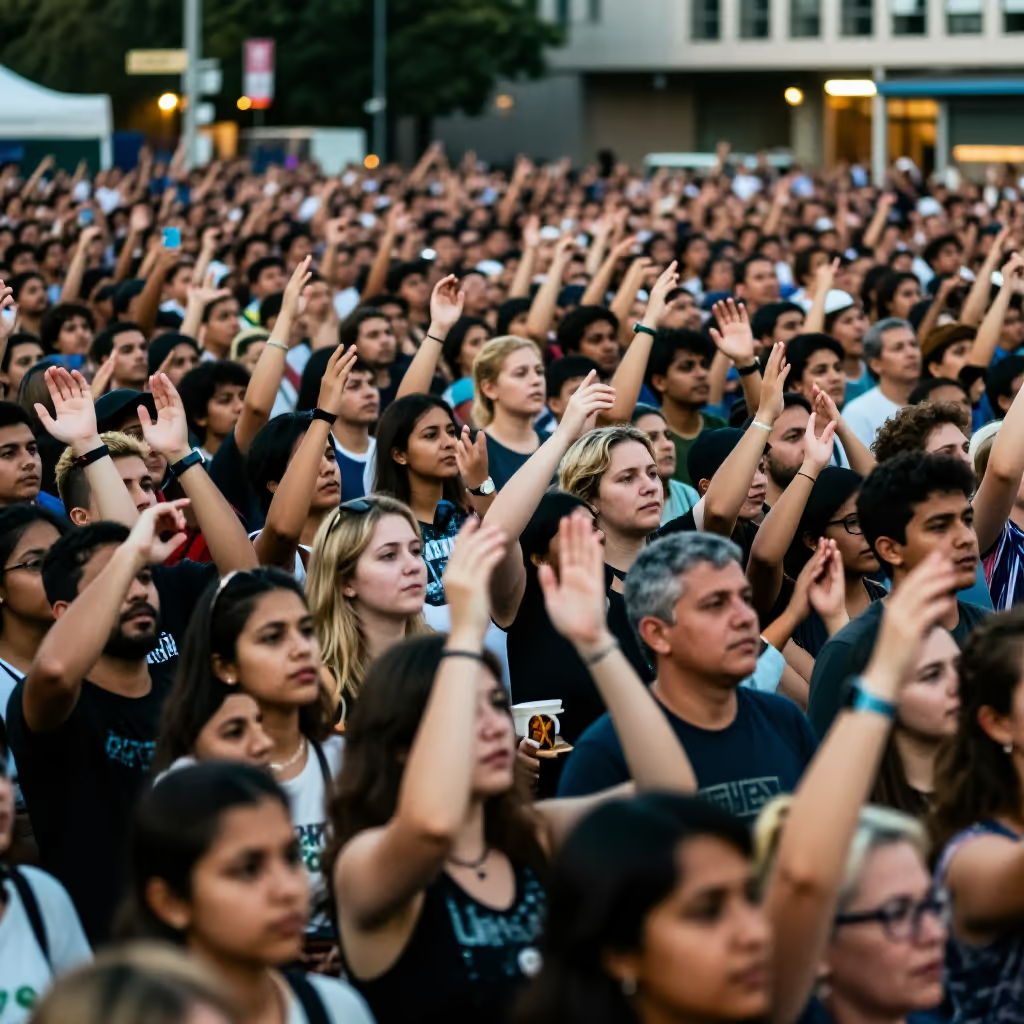
A large, indefinite group of people; a crowd.
Nach dem Konzert strömte das ganze Volk aus dem Stadion.
After the concert, the whole crowd streamed out of the stadium.
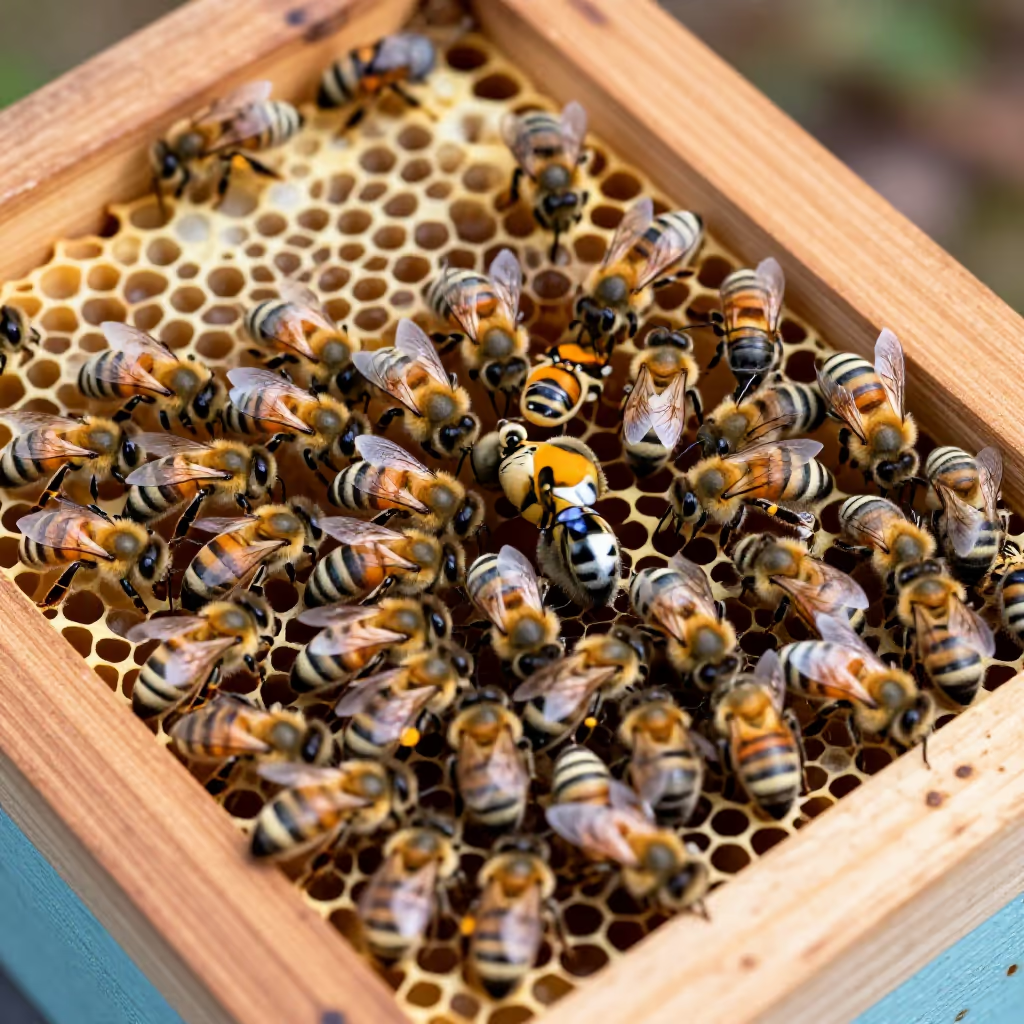
colony
In biology, a colony of social insects, especially bees, ants, or termites.
Ein einziges Bienenvolk kann aus über 50.000 Tieren bestehen.
A single bee colony can consist of over 50,000 animals.
'Volk' (people/nation) is a central component of many German words that refer to the general public or the nation. Examples are 'Volkswagen', 'Volksfest' (folk festival/public festival), or 'Volkswirtschaft' (national economy).
Jedes Jahr im Oktober findet in unserer Stadt ein großes Volksfest statt.
Every year in October, a large public festival takes place in our city.
The sentence 'Wir sind das Volk!' (We are the people!) was the central slogan of the demonstrations in 1989 in East Germany. It has great historical and political significance in Germany.
Die Demonstranten riefen immer wieder: „Wir sind das Volk!“
The demonstrators kept shouting: 'We are the people!'
The plural form 'die Völker' is used almost exclusively for the meaning 'ethnic groups' or 'nations'. In the singular, 'Volk' can have many meanings; in the plural, it is usually clear.
Die Ausstellung zeigt die Kunst und Kultur der Völker Südamerikas.
The exhibition shows the art and culture of the peoples of South America.
The term 'das einfache Volk' (the common people) can sound outdated or slightly condescending today. It emphasizes a difference between the normal population and an elite.
In historischen Romanen liest man oft vom Leben des einfachen Volkes im Mittelalter.
In historical novels, you often read about the life of the common people in the Middle Ages.
This biological meaning is very specific. It is used only in connection with social insects. Words like 'Bienen' (bees), 'Ameisen' (ants), or 'Imker' (beekeeper) are clear signals.
Der Imker kümmert sich um sein Bienenvolk.
The beekeeper takes care of his bee colony.
people
Both words can refer to many people in one place. Die Leute is the neutral, everyday choice, while das Volk is more marked in this sense and can sound regional, colloquial, or evaluative depending on the situation. Die Leute is usually the better choice for an ordinary crowd of people.
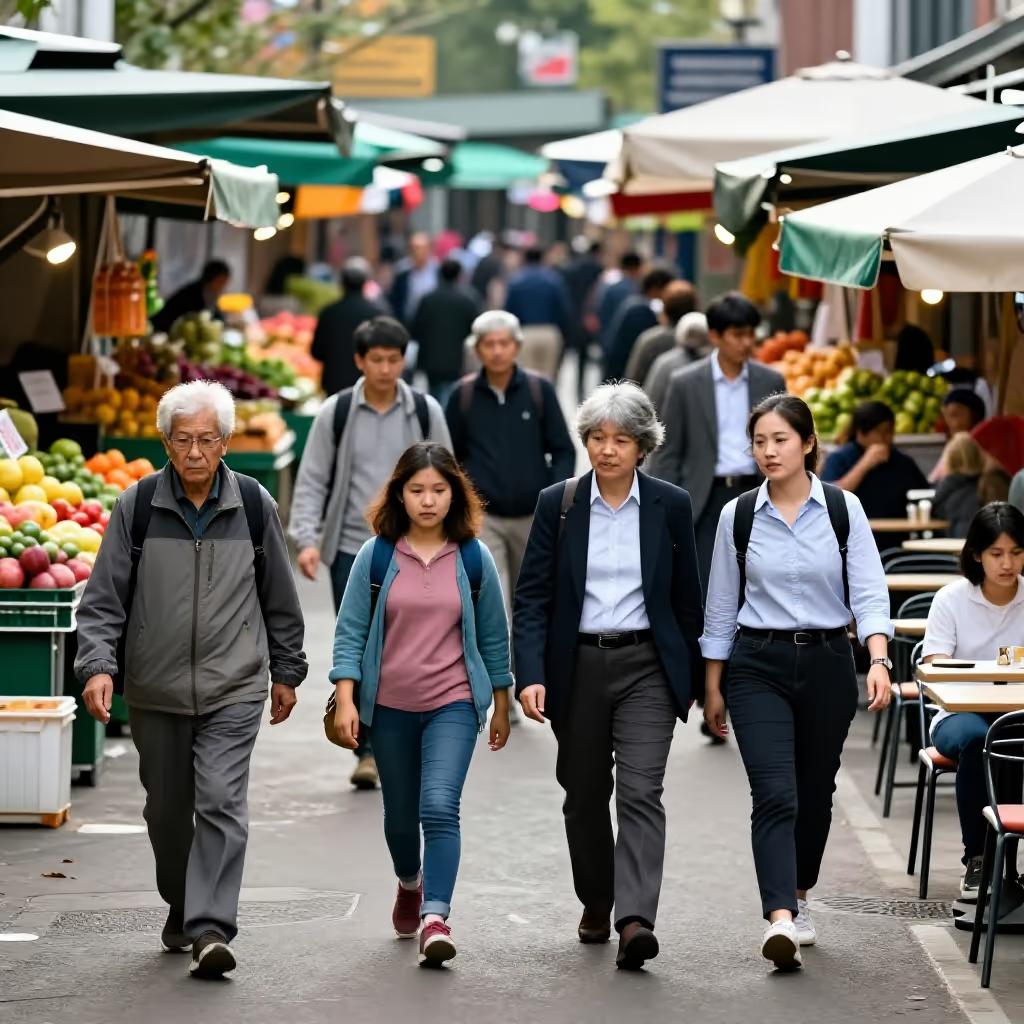
Auf dem Platz versammelte sich das Volk, um seine Forderungen zu zeigen.
The crowd gathered in the square to voice its demands.
Auf dem Platz warteten viele Leute auf den Beginn des Konzerts.
Many people were waiting in the square for the concert to begin.