

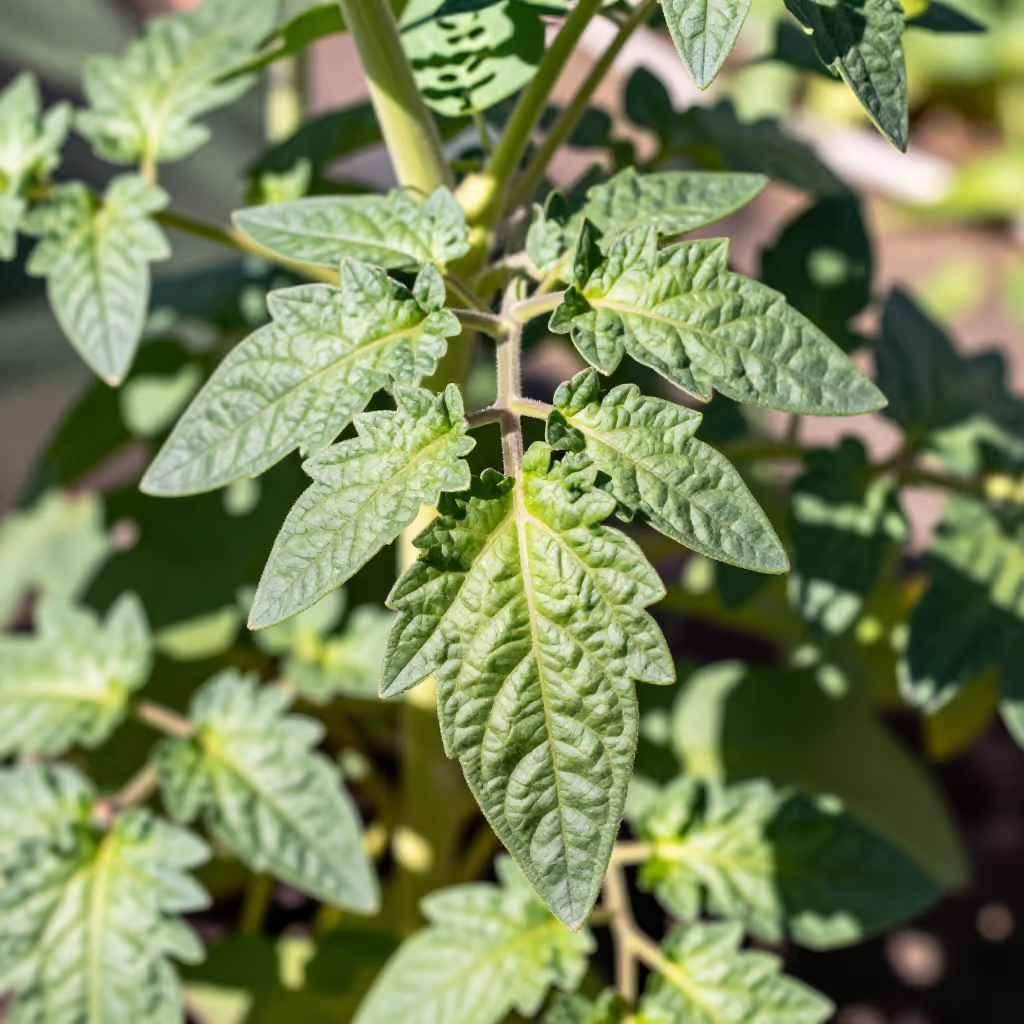
das Blatt
leaf
The usually green, flat part of a plant that grows from the stem or branch and is important for photosynthesis.
EXAMPLE
Im Herbst verfärbt sich das Blatt des Ahorns rot.
In autumn, the maple leaf turns red.
leaf / sheet
Loading your saved state.
leaf
The usually green, flat part of a plant that grows from the stem or branch and is important for photosynthesis.
Im Herbst verfärbt sich das Blatt des Ahorns rot.
In autumn, the maple leaf turns red.
sheet
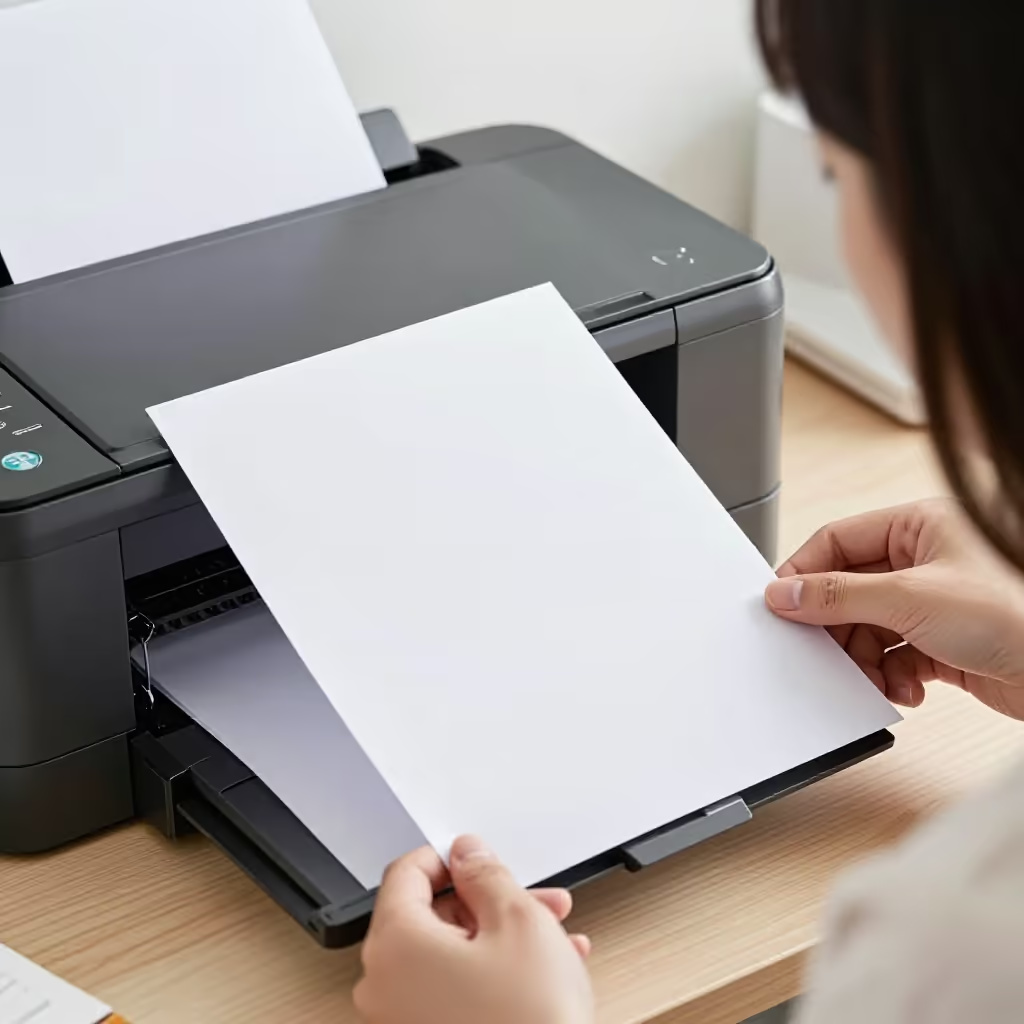
A single thin piece of paper, for example from a pad, notebook, or printer.
Bitte schreiben Sie Ihre Antwort auf ein leeres Blatt Papier.
Please write your answer on a blank sheet of paper.

paper
A newspaper or magazine.
Er liest jeden Morgen das lokale Blatt, um informiert zu sein.
He reads the local paper every morning to stay informed.
card / hand
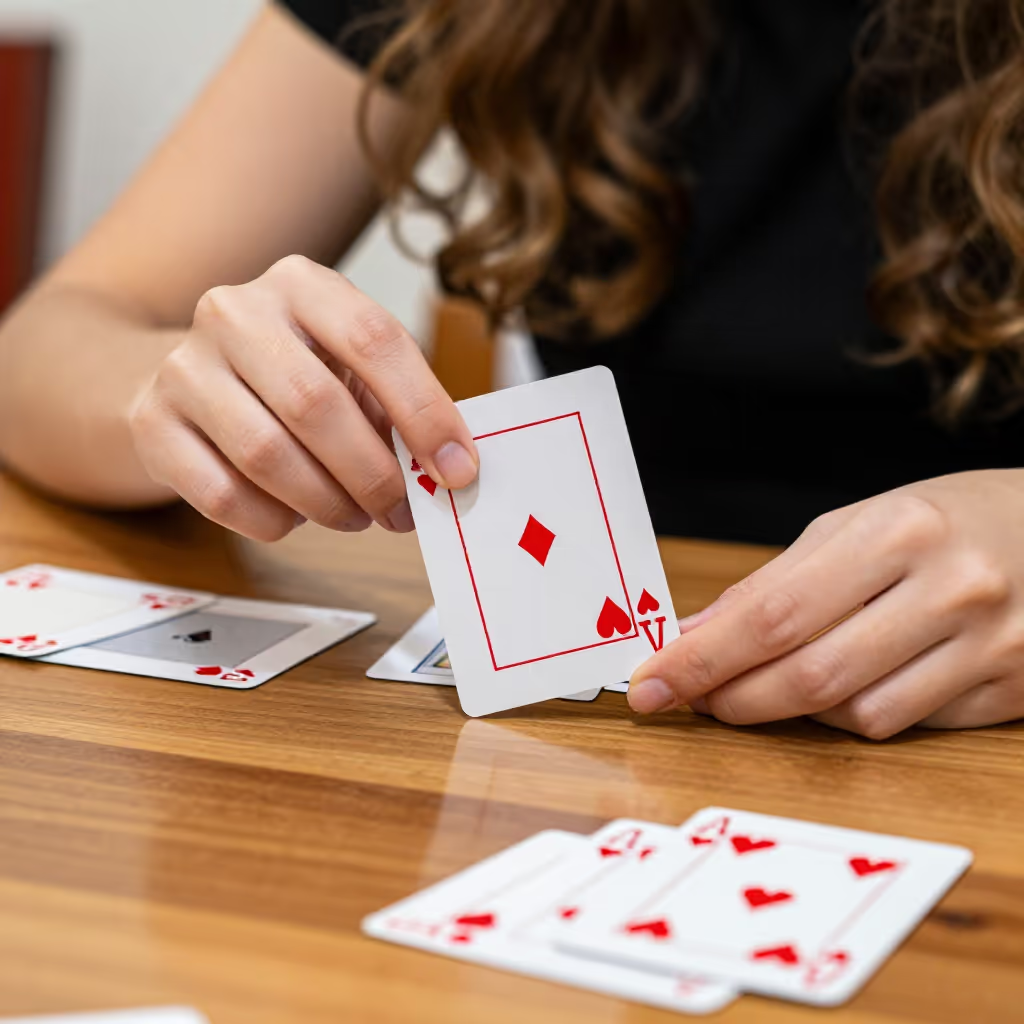
A single card in a card game.
Bei diesem Stich gewinnt das höchste Blatt.
In this trick, the highest card wins.
the tide turns
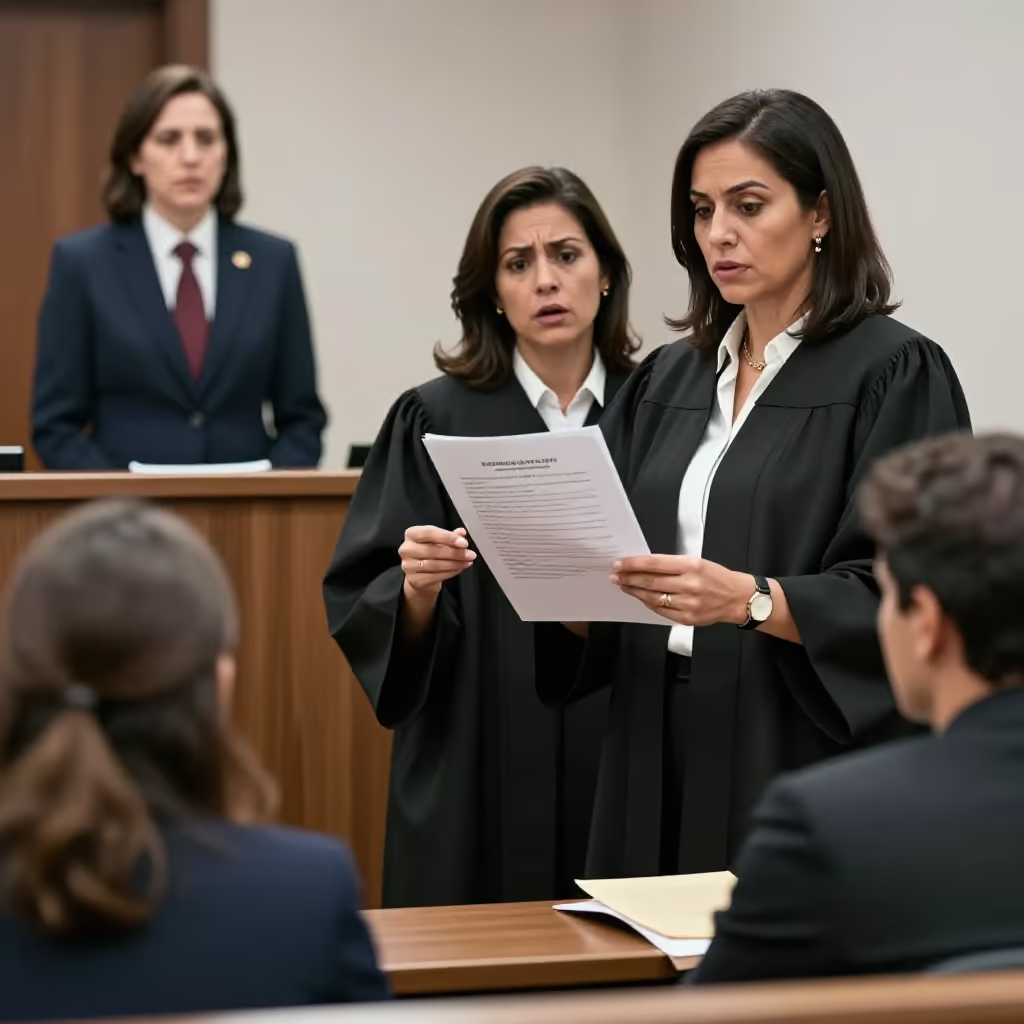
An idiom meaning that a situation changes fundamentally and often unexpectedly.
Nach dem überraschenden Tor in der letzten Minute hat sich das Blatt komplett gewendet.
After the surprising goal in the last minute, the tide completely turned.
The different meanings of 'Blatt' (leaf/sheet) have a shared basic idea: a thin, flat object. This concept connects the leaf of a plant with a sheet of paper.
Sie legte ein getrocknetes Blatt als Lesezeichen in ihr Buch.
She placed a dried leaf in her book as a bookmark.
To distinguish the most common meanings, pay attention to the context. Words like 'Baum' (tree), 'Ast' (branch), or 'Herbst' (autumn) point to a plant leaf. Words like 'schreiben' (to write), 'drucken' (to print), or 'Papier' (paper) point to a piece of paper.
Im Frühling bekommen die Bäume wieder grüne Blätter.
In spring, the trees get green leaves again.
When 'Blatt' (paper) means a newspaper or magazine, the usage is often slightly colloquial or traditional. You often hear it in combinations like 'Lokalblatt' (local paper) or 'Klatschblatt' (gossip rag).
Dieses Blatt ist für seine reißerischen Schlagzeilen bekannt.
This paper is known for its sensational headlines.
In the context of card games, 'das Blatt' (the hand) refers to the cards a player is holding. A typical expression is 'ein gutes Blatt haben' (to have a good hand), which means that you have good chances of winning.
Obwohl er ein schlechtes Blatt hatte, konnte er das Spiel gewinnen.
Although he had a bad hand, he was able to win the game.
The idiom 'das Blatt wendet sich' (the tide turns) means that a situation changes fundamentally and often unexpectedly. The verb 'sich wenden' (to turn) is a fixed part of this expression.
Unsere Mannschaft lag zurück, aber in der zweiten Halbzeit wendete sich das Blatt.
Our team was behind, but in the second half the tide turned.
page / side
In a book, Seite and Blatt can refer to the same printed material, but they focus on different things. Seite refers to a single printed surface, while Blatt refers to the entire piece of paper with its two sides. Use Seite when reading and Blatt when removing or turning over a sheet.
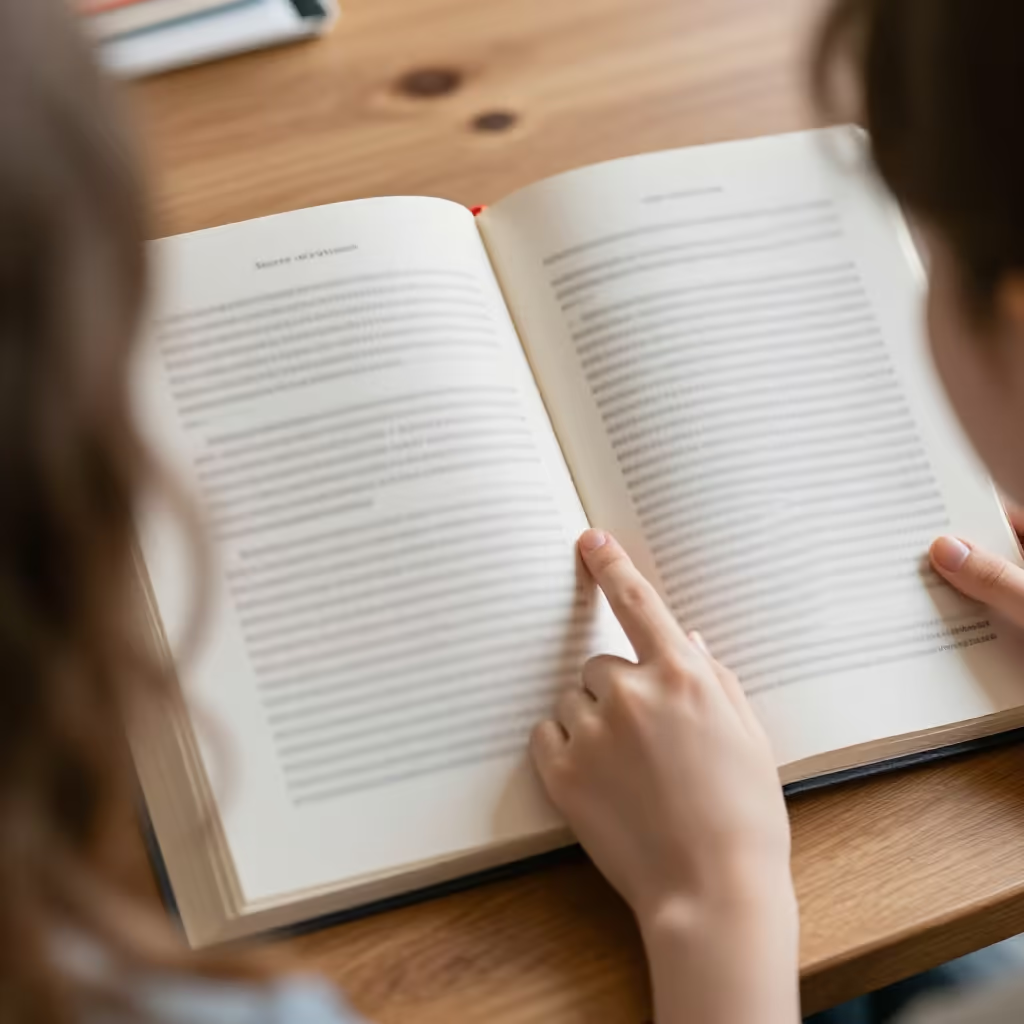
Für die Aufgabe nahm ich ein neues Blatt aus meinem Heft.
I took a new sheet from my notebook for the exercise.
Auf der Seite im Buch fand ich die Erklärung für die schwierige Aufgabe.
I found the explanation for the difficult exercise on the page in the book.