

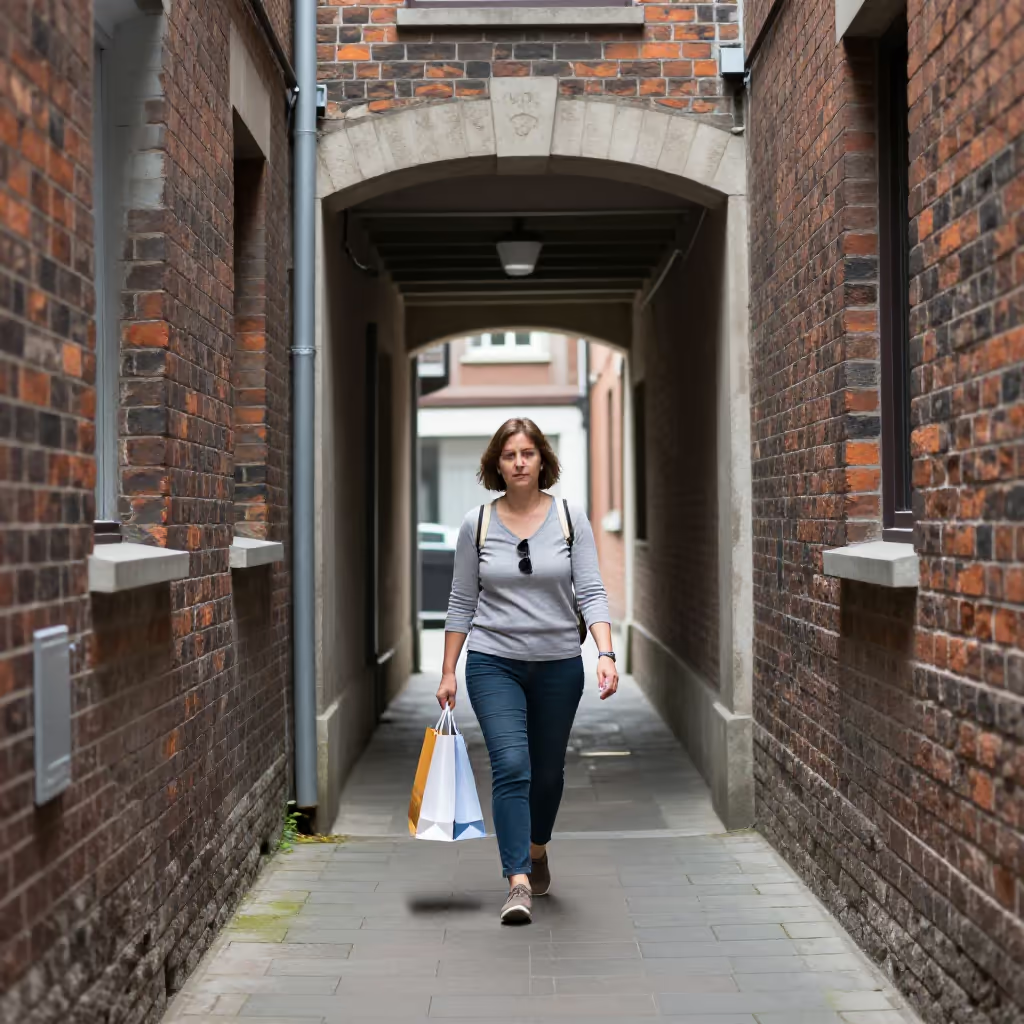
der Durchgang
passage
A way, passage, or opening that makes it possible to get from one side to the other.
EXAMPLE
Der Durchgang zum Hinterhof ist nur für Anwohner.
The passage to the back courtyard is only for residents.
passage / round
Loading your saved state.
passage
A way, passage, or opening that makes it possible to get from one side to the other.
Der Durchgang zum Hinterhof ist nur für Anwohner.
The passage to the back courtyard is only for residents.
round
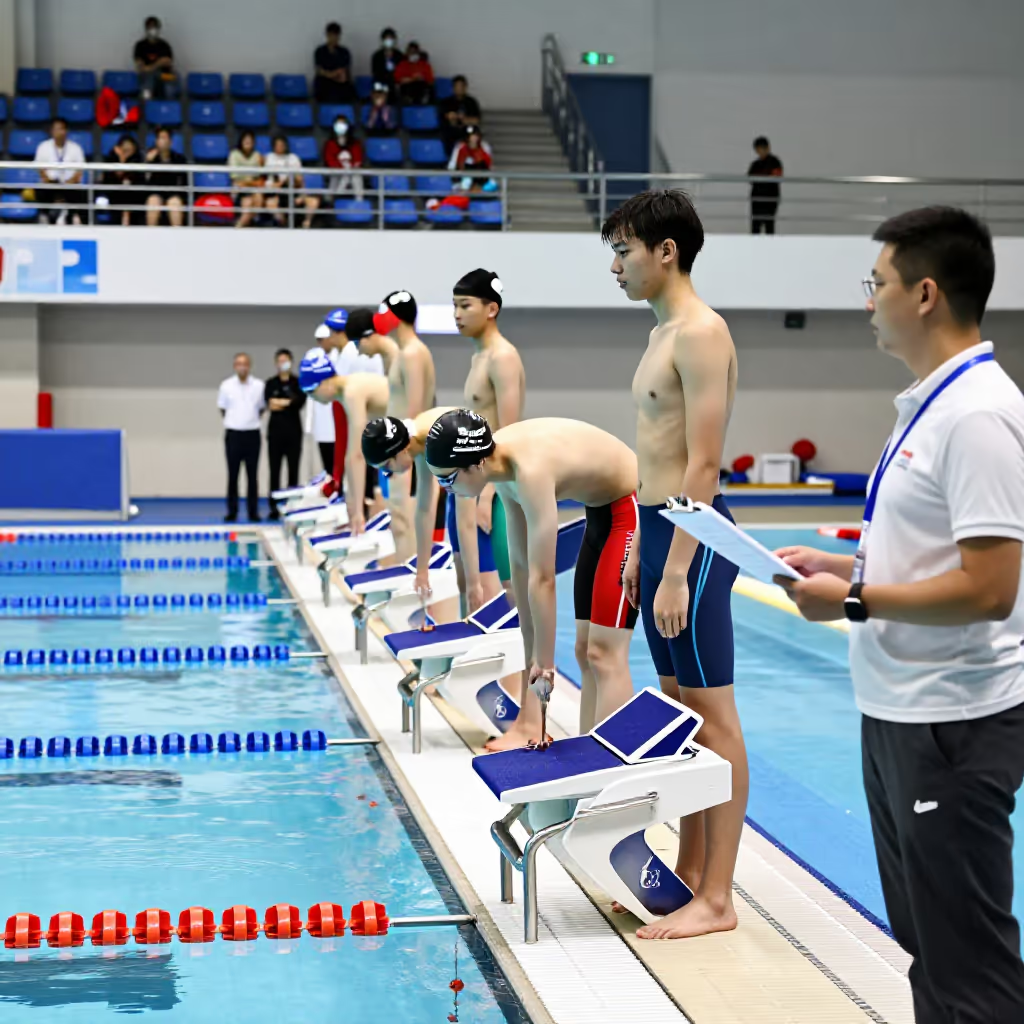
A round, phase, or section within a competition, election, or multi-stage process.
Im ersten Durchgang des Wettbewerbs sind leider drei Kandidaten ausgeschieden.
In the first round of the competition, three candidates were unfortunately eliminated.
passage
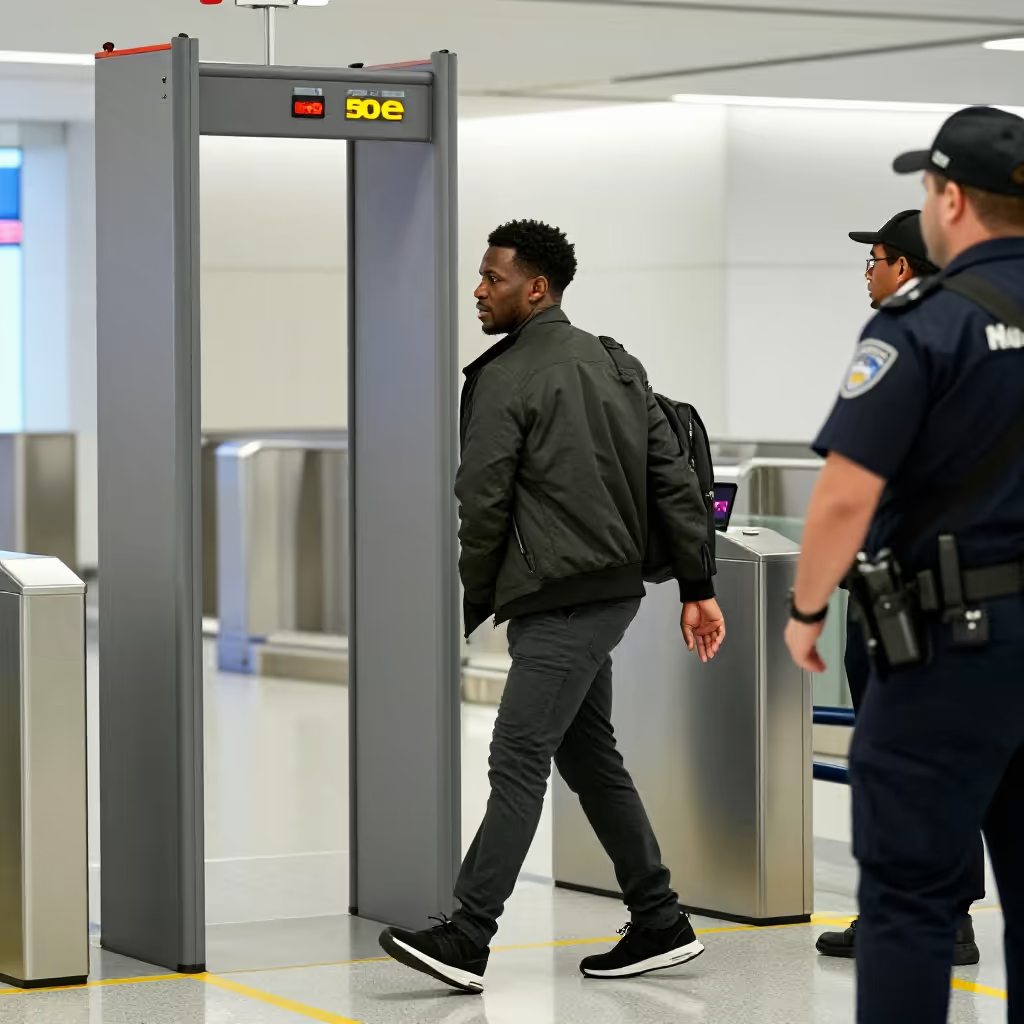
The act of going through or passing through.
Der freie Durchgang für Fußgänger muss jederzeit gewährleistet sein.
Free passage for pedestrians must be guaranteed at all times.
The word is made up of the preposition 'durch' (through) and the noun 'der Gang' (walk/corridor). So it literally describes a 'Gang' (corridor) that you can go through, which explains the main meaning of a passage.
Der schmale Durchgang zwischen den Häusern war kaum zu sehen.
The narrow passage between the houses was barely visible.
'Der Durchgang' (passage) is the nominalization of the verb 'durchgehen' (to go through). The meaning of the noun is therefore closely connected with the act of going through or the place where this happens.
Das Durchgehen durch die Sicherheitskontrolle dauerte eine Stunde.
Going through security control took an hour.
You can recognize the meaning from the context. If it is about a place, a passage is meant. Words like 'Wettbewerb' (competition), 'Wahl' (election), or 'Runde' (round), on the other hand, point to a phase in a process.
Der Durchgang zum Bahnsteig ist wegen Bauarbeiten gesperrt.
The passage to the platform is closed because of construction work.
In connection with a passage, 'Durchgang' is often used with verbs like 'versperren' (to block), 'blockieren' (to block), or 'freihalten' (to keep clear).
Bitte halten Sie den Durchgang für die Rettungskräfte frei.
Please keep the passage clear for the rescue workers.
When a round in a competition is meant, 'Durchgang' often appears with ordinal numbers like 'erster' (first), 'zweiter' (second), or 'nächster' (next).
Im zweiten Durchgang konnte der Läufer seine Zeit verbessern.
In the second round, the runner was able to improve his time.
sentence / set
Satz and Durchgang can both refer to a completed section of a competition. The choice depends on the sport: in tennis or volleyball, the unit is called a Satz, while in other competitions a defined phase is called a Durchgang.
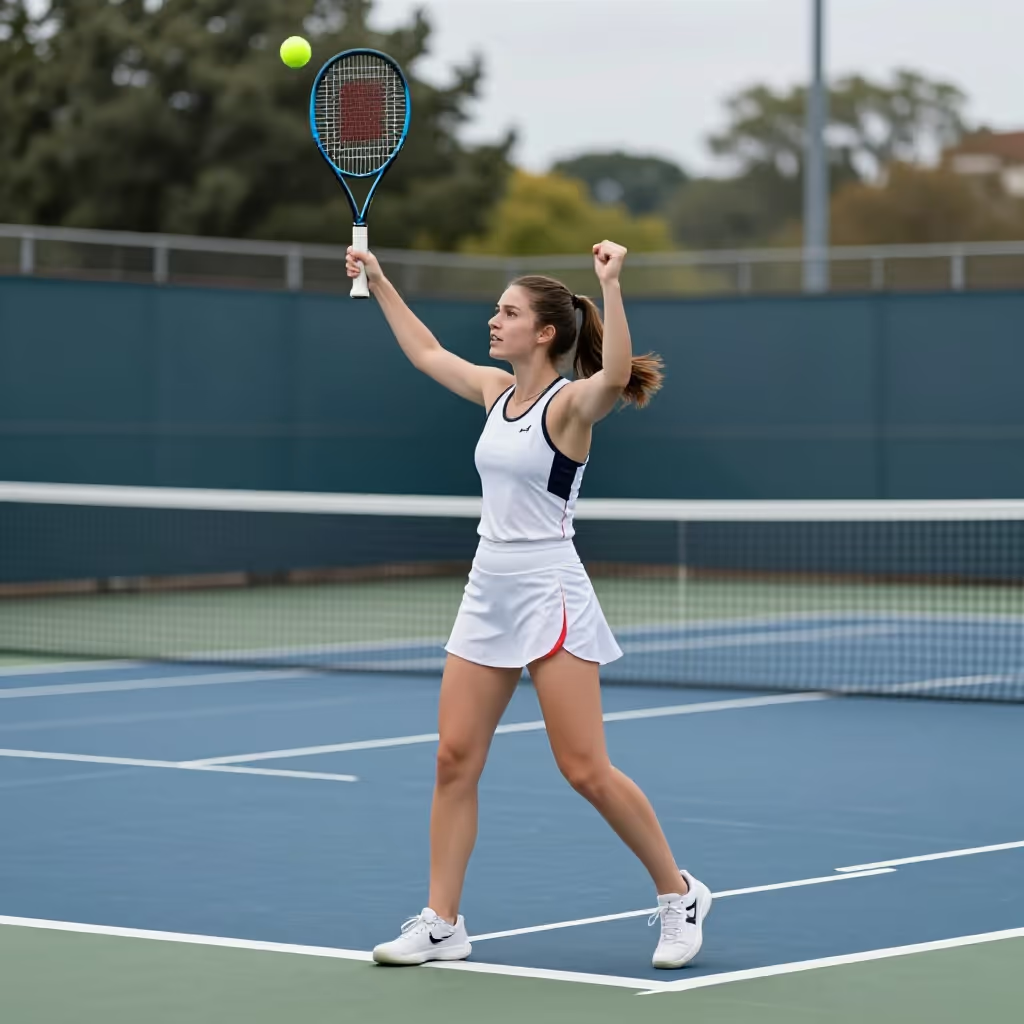
Beim Slalom erreichte unsere Mannschaft im ersten Durchgang die beste Zeit.
In the first round of the slalom, our team recorded the fastest time.
Im Volleyball gewann unsere Mannschaft den ersten Satz mit 25 zu 20.
In volleyball, our team won the first set 25 to 20.