

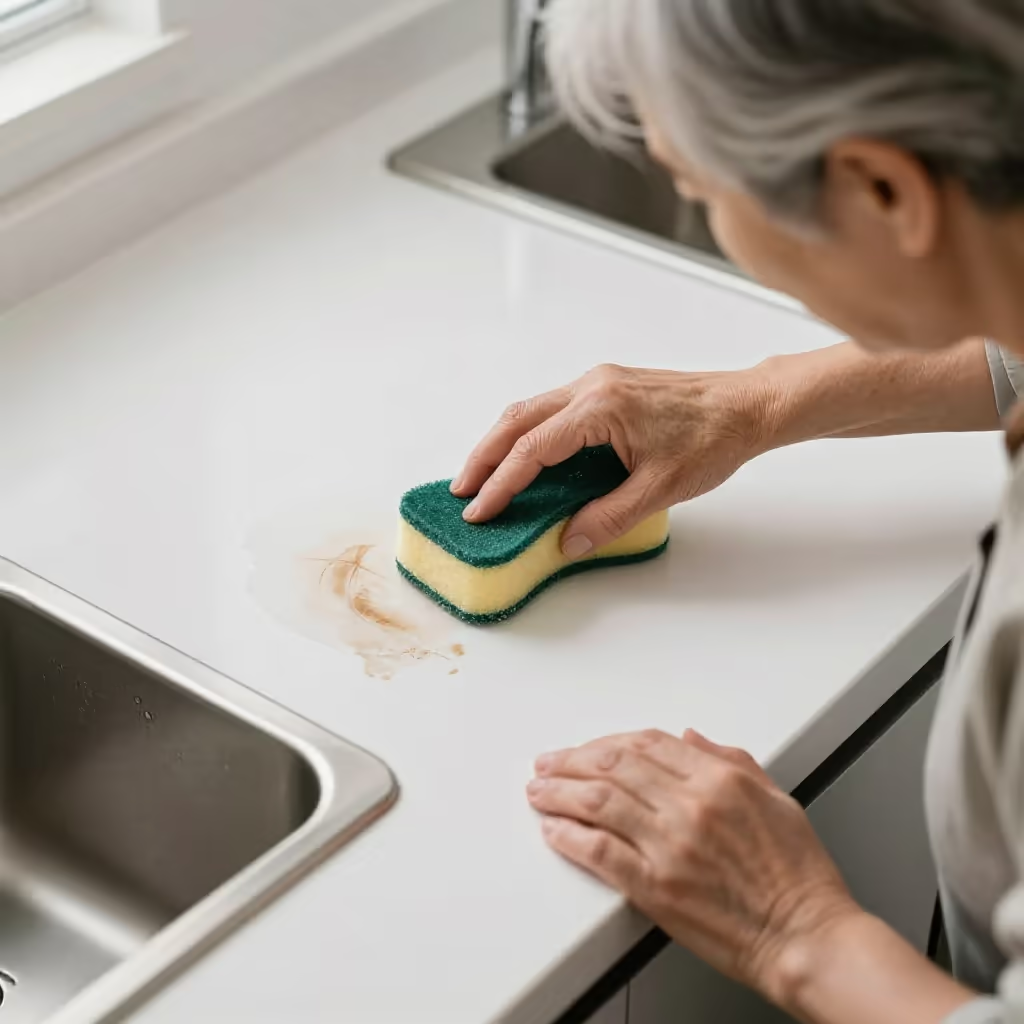
entfernen
to remove
To take something away from a place or get rid of it.
EXAMPLE
Könntest du bitte den Fleck vom Teppich entfernen?
Could you please remove the stain from the carpet?
to remove
Loading your saved state.
to remove
To take something away from a place or get rid of it.
Könntest du bitte den Fleck vom Teppich entfernen?
Could you please remove the stain from the carpet?
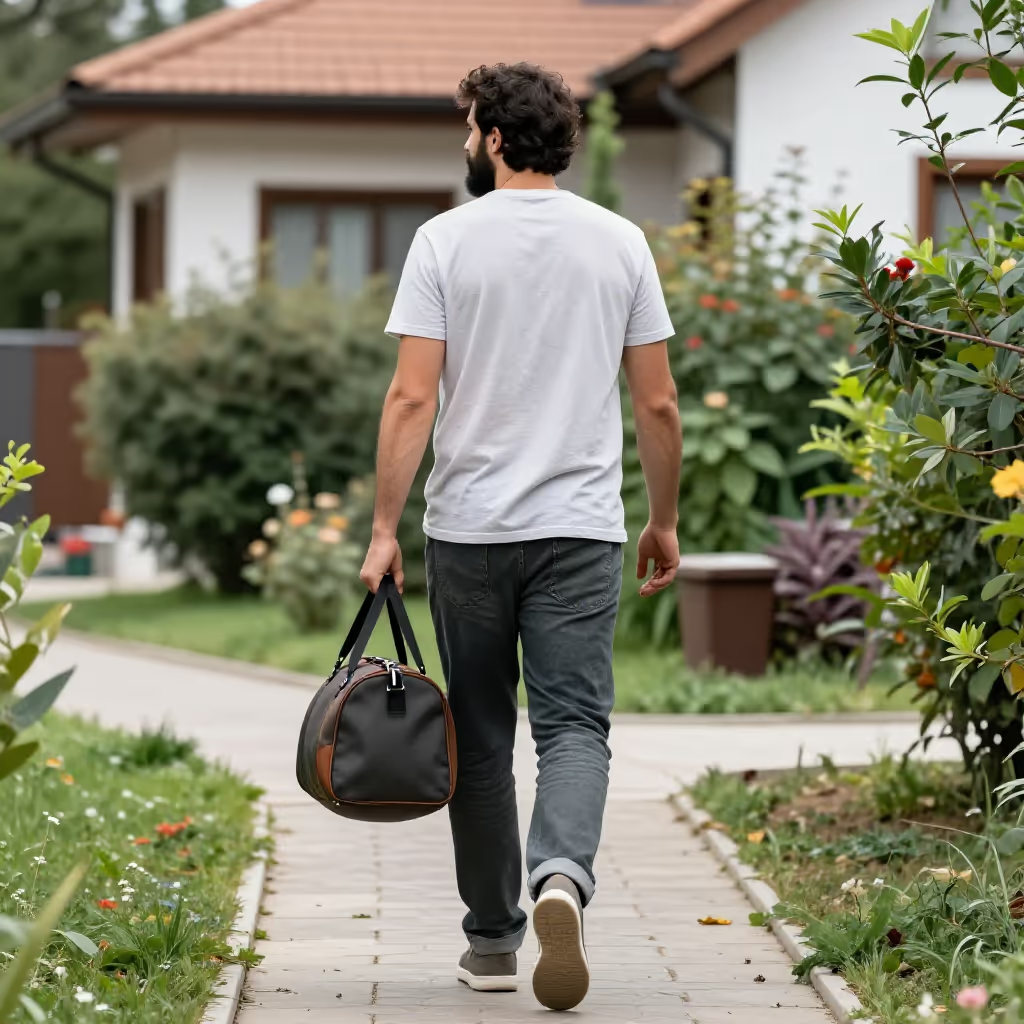
to leave
To leave a place; to go away.
Der Verdächtige hatte sich bereits vom Tatort entfernt, als die Polizei eintraf.
The suspect had already left the crime scene when the police arrived.
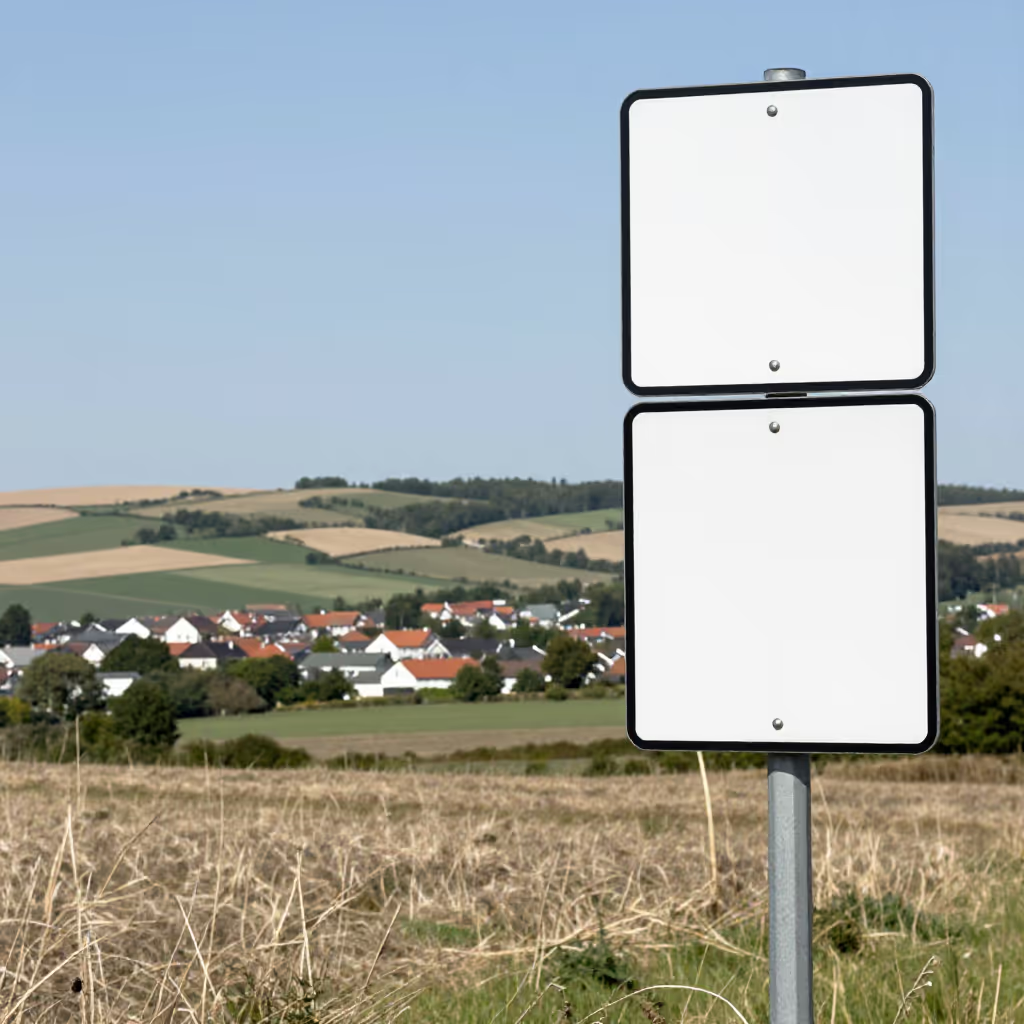
to be located away
To be at a certain distance from something.
Das Dorf ist nur wenige Kilometer von der Autobahn entfernt.
The village is only a few kilometers away from the highway.
'Entfernen' (to remove) is an inseparable verb. It consists of the prefix 'ent-', which often means 'away', and the adjective 'fern' (far). Literally, then, it means to 'make something far away' or to 'move far away'.
Die Reinigung konnte den Rotweinfleck vollständig entfernen.
The cleaning service was able to completely remove the red wine stain.
The grammar shows the meaning: when the verb has an accusative object, it means 'to take something away'. When it is used reflexively with 'sich', it means 'to go away'.
Der Gärtner entfernt das Unkraut aus dem Beet.
The gardener removes the weeds from the bed.
To express distance, the structure '[distance] entfernt sein von + dative' (to be [distance] away from) is used. The preposition 'von' is a fixed part of this structure.
Unser Hotel ist nur 500 Meter vom Strand entfernt.
Our hotel is only 500 meters away from the beach.
to leave / rely
Both verbs can express that someone does not remain in a particular place. Verlassen takes the place directly as its object and emphasizes leaving it. Sich entfernen is usually used with von and emphasizes moving farther away.
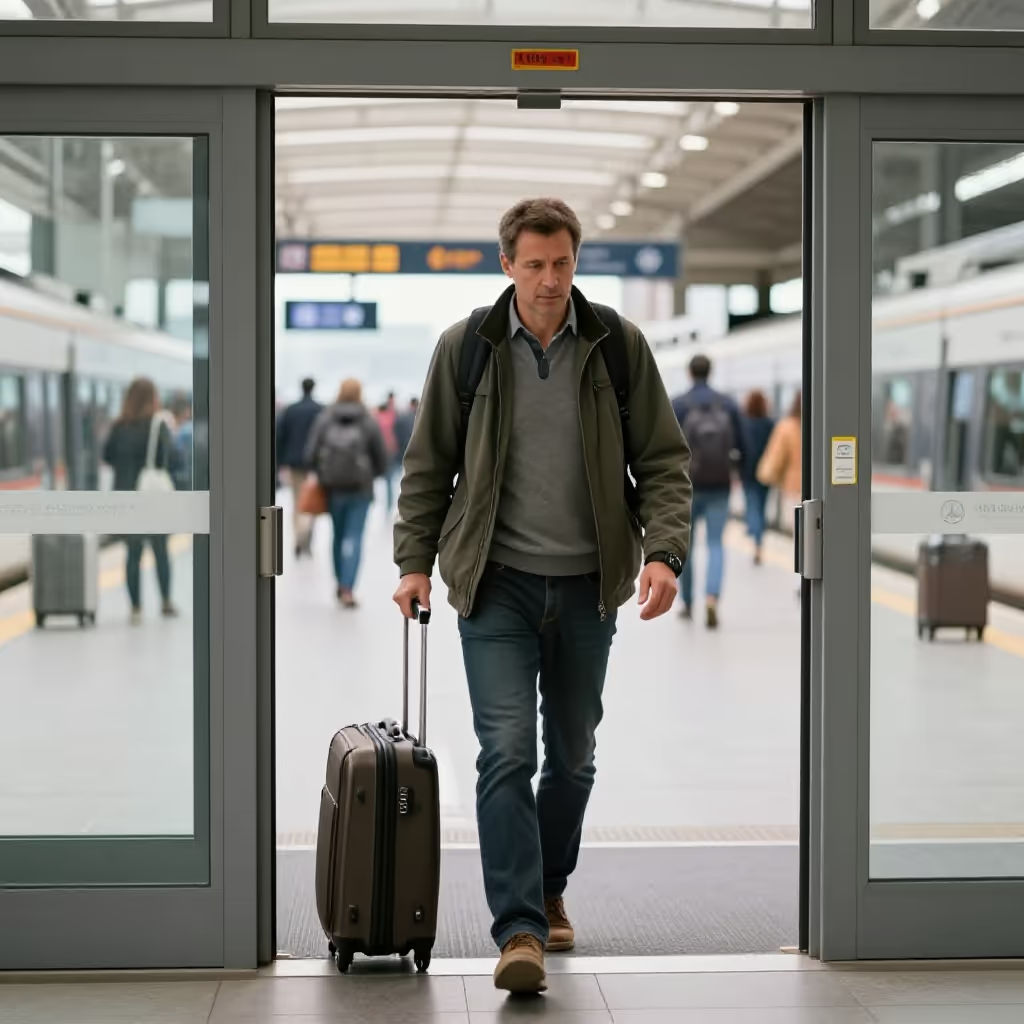
Nach dem Alarm entfernt sich Lea schnell vom Gebäude.
After the alarm, Lea quickly moved away from the building.
Nach dem Alarm verlässt Lea schnell das Gebäude.
After the alarm, Lea quickly left the building.