


fortfahren
to continue
To continue an action or speech that has already begun after an interruption.
EXAMPLE
Nach einer kurzen Pause fuhr der Professor mit seinem Vortrag fort.
After a short break, the professor continued with his lecture.
to continue / to drive away
fortfahren – fuhr fort – hat fortgefahren
Loading your saved state.
to continue
To continue an action or speech that has already begun after an interruption.
Nach einer kurzen Pause fuhr der Professor mit seinem Vortrag fort.
After a short break, the professor continued with his lecture.
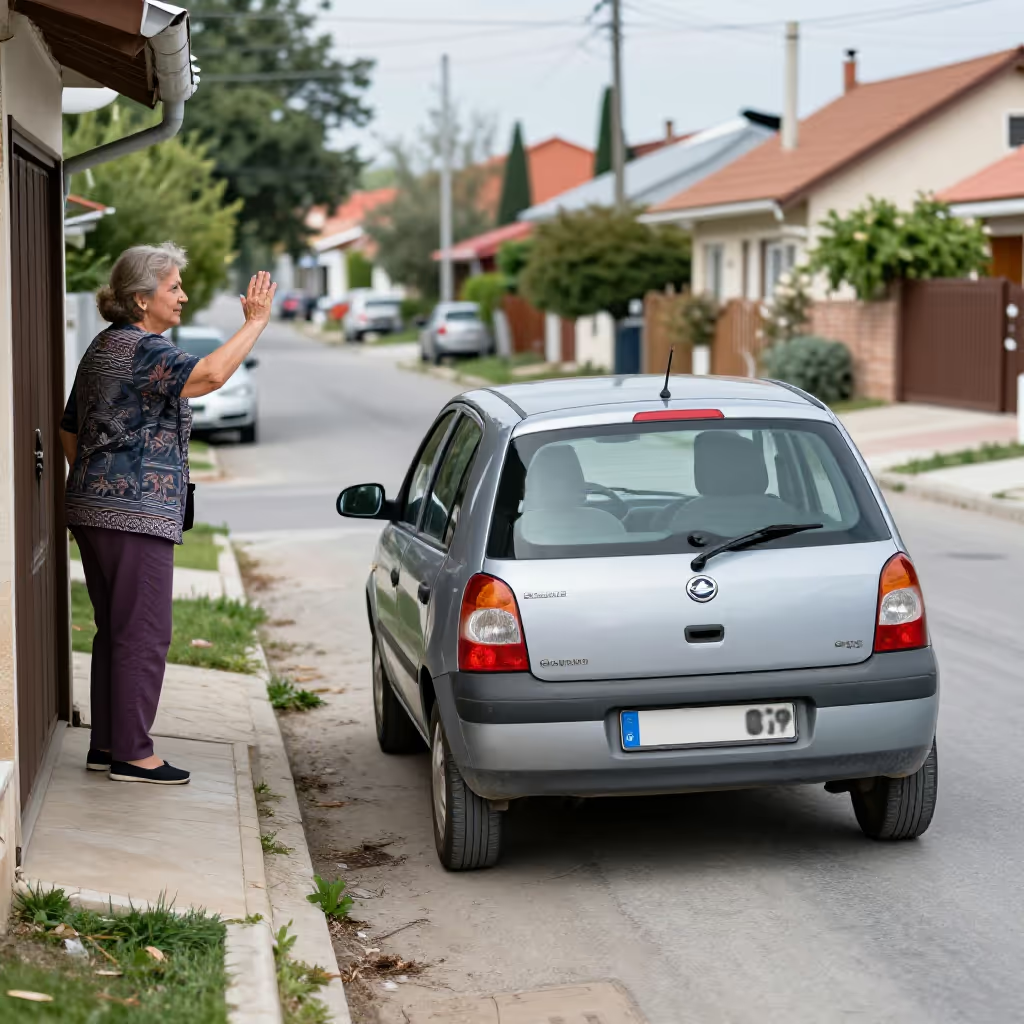
to drive away
To move away from a place in a vehicle; to drive off.
Nachdem alle eingestiegen waren, fuhr der Bus fort.
After everyone had gotten on, the bus drove away.
| ich | fahre fort |
|---|---|
| du | fährst fort |
| er/sie/es | fährt fort |
| wir | fahren fort |
| ihr | fahrt fort |
| sie | fahren fort |
| ich | fuhr fort |
|---|---|
| du | fuhrst fort |
| er/sie/es | fuhr fort |
| wir | fuhren fort |
| ihr | fuhrt fort |
| sie | fuhren fort |
| ich | habe fortgefahren bin fortgefahren |
|---|---|
| du | hast fortgefahren bist fortgefahren |
| er/sie/es | hat fortgefahren ist fortgefahren |
| wir | haben fortgefahren sind fortgefahren |
| ihr | habt fortgefahren seid fortgefahren |
| sie | haben fortgefahren sind fortgefahren |
| du | fahr fort! fahre fort! |
|---|---|
| ihr | fahrt fort! |
| Sie | fahren Sie fort! |
| ich | hatte fortgefahren war fortgefahren |
|---|---|
| du | hattest fortgefahren warst fortgefahren |
| er/sie/es | hatte fortgefahren war fortgefahren |
| wir | hatten fortgefahren waren fortgefahren |
| ihr | hattet fortgefahren wart fortgefahren |
| sie | hatten fortgefahren waren fortgefahren |
| ich | werde fortfahren |
|---|---|
| du | wirst fortfahren |
| er/sie/es | wird fortfahren |
| wir | werden fortfahren |
| ihr | werdet fortfahren |
| sie | werden fortfahren |
| ich | fahre fort |
|---|---|
| du | fahrest fort |
| er/sie/es | fahre fort |
| wir | fahren fort |
| ihr | fahret fort |
| sie | fahren fort |
Used for reported speech.
| ich | führe fort |
|---|---|
| du | führest fort führst fort |
| er/sie/es | führe fort |
| wir | führen fort |
| ihr | führet fort führt fort |
| sie | führen fort |
Used for wishes and “would”.
| infinitive | fortfahren |
|---|---|
| with zu | fortzufahren |
| present participle | fortfahrend |
| past participle | fortgefahren |
'Fortfahren' (to continue / to drive away) is a separable verb. The prefix 'fort-' comes at the end in a main clause. In subordinate clauses and in the infinitive with 'zu', the verb stays together.
Fahren Sie bitte mit Ihrer Erzählung fort.
Please continue with your story.
The auxiliary verb in the perfect tense depends on the meaning. For 'fortsetzen' (to continue an action), you use 'haben'. For 'wegfahren' (to drive away, change of location), you use 'sein'.
Er hat mit seiner Arbeit fortgefahren.
He continued with his work.
In the meaning 'fortsetzen' (to continue), what is being continued is often stated. This is usually done with the preposition 'mit' (+ dative) or an infinitive clause with 'zu'.
Wir fahren mit der Diskussion nach der Pause fort.
We will continue with the discussion after the break.
When 'fortfahren' means 'wegfahren' (to drive away), it always refers to a vehicle. In this case, it is often used without an object or a prepositional complement.
Der Zug wartete auf das Signal und fuhr dann fort.
The train waited for the signal and then drove away.
to continue / move on
Weitergehen and fortfahren can both mean resuming an interrupted speech or action. weitergehen puts more emphasis on the continuing process. Fortfahren sounds more formal and often names the person carrying out the action as well as the activity they are continuing with.

Nach der kurzen Pause fährt die Rednerin mit ihrem Vortrag fort.
After the short break, the speaker continued with her presentation.
Nach der kurzen Pause geht der Vortrag weiter.
After the short break, the presentation continued.