


der Kracher
hit
Colloquial for a big success, a particularly exciting event, or a spectacular product.
EXAMPLE
Das neue Album der Band ist ein absoluter Kracher.
The band's new album is an absolute hit.
hit / firecracker
Loading your saved state.
hit
Colloquial for a big success, a particularly exciting event, or a spectacular product.
Das neue Album der Band ist ein absoluter Kracher.
The band's new album is an absolute hit.
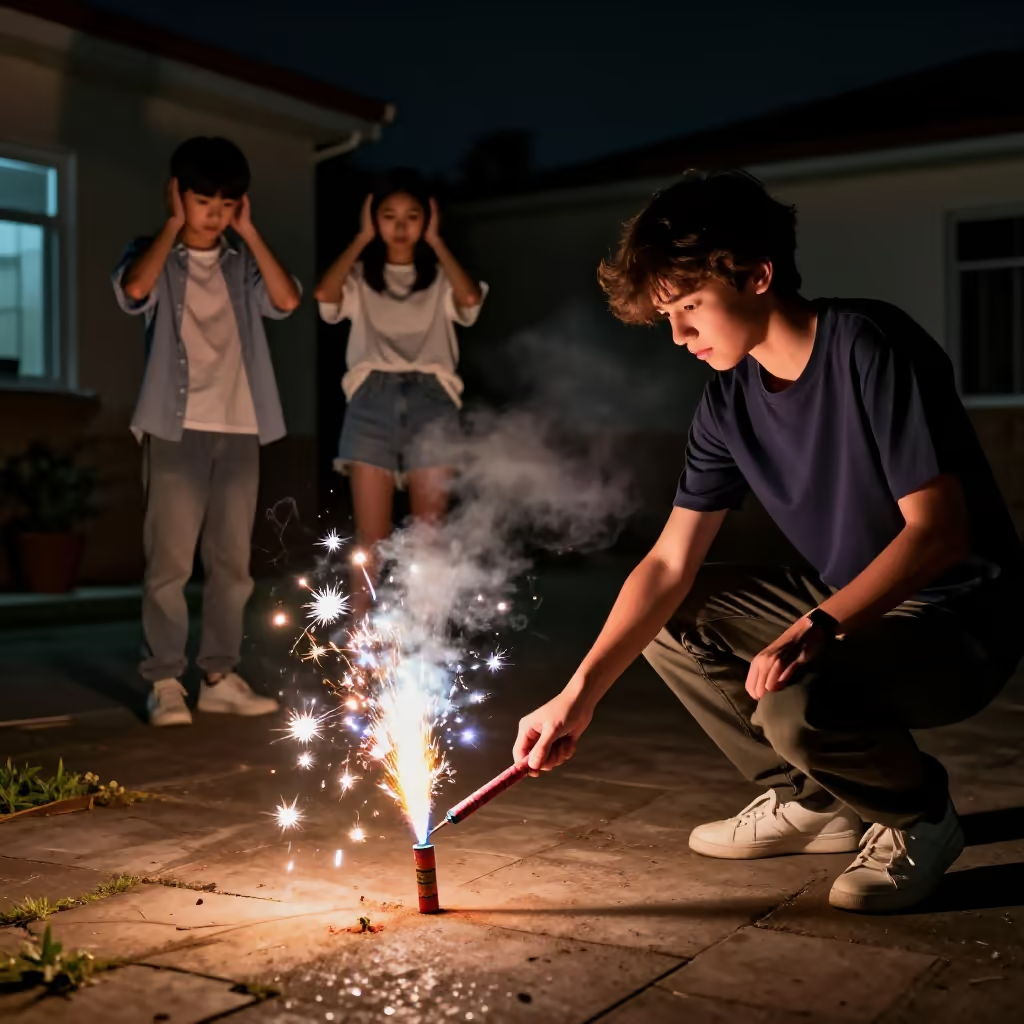
firecracker
A firework that produces a loud bang; a banger or firecracker.
An Silvester zündeten die Kinder auf der Straße lauter Kracher.
On New Year's Eve, the children set off lots of firecrackers in the street.
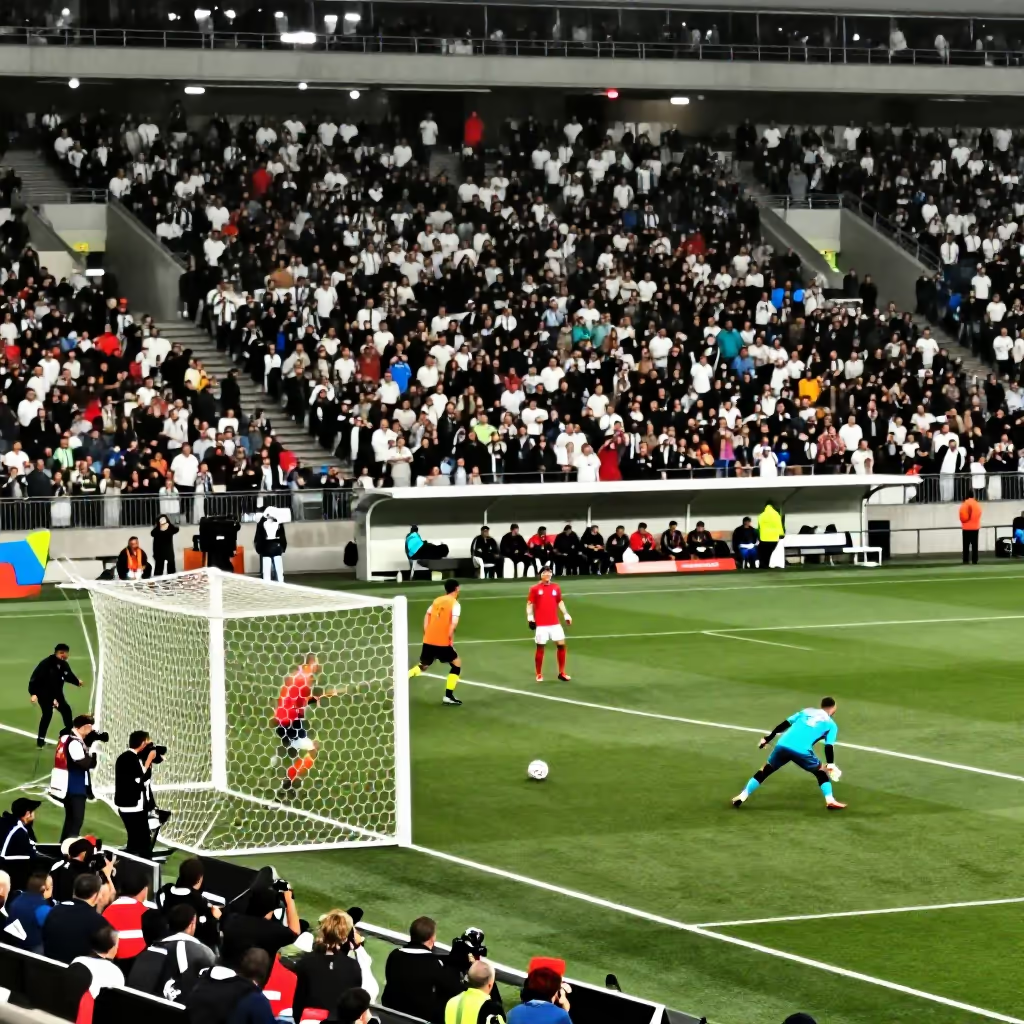
top match
In sports jargon, a term for a top match; a particularly exciting, high-caliber game.
Das Finale am Sonntag wird ein echter Kracher zwischen den beiden besten Mannschaften der Liga.
Sunday's final will be a real top match between the two best teams in the league.
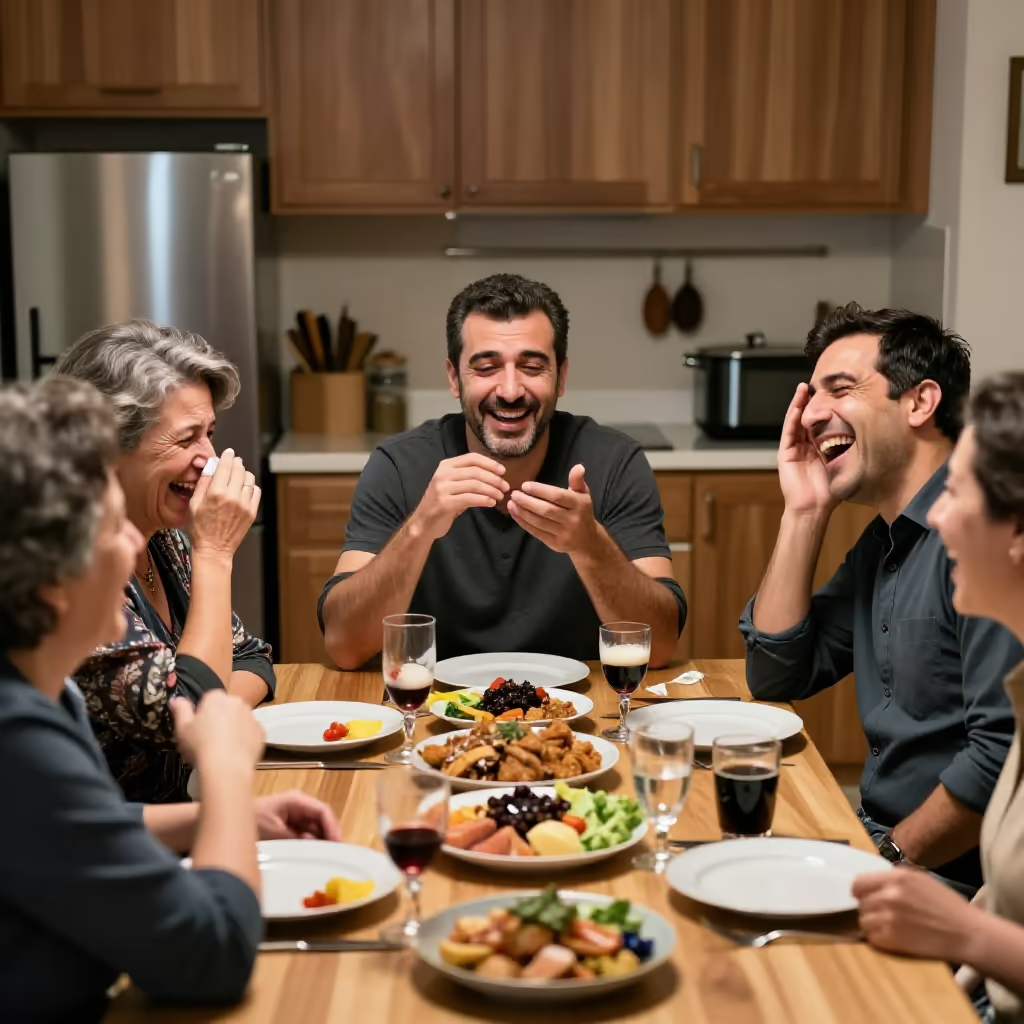
killer joke
Colloquial for a very funny joke that causes loud laughter.
Er hat einen Kracher nach dem anderen erzählt und alle haben gelacht.
He told one killer joke after another, and everyone laughed.
'Der Kracher' comes from the verb 'krachen', which means 'to make a loud bang'. This idea of a loud, sudden impact appears in all its meanings: the loud firework, the smashing success, the loud joke, or the explosive sports event.
Das laute Krachen der Feuerwerkskörper erschreckte den Hund.
The loud banging of the fireworks frightened the dog.
With the exception of the meaning 'firework', 'Kracher' is used almost exclusively in informal colloquial language. In formal or written contexts, the word often sounds too casual.
Sein letzter Film war ein echter Kracher an den Kinokassen.
His last film was a real box-office hit.
Which meaning is intended is almost always clear from context. If it's about New Year's Eve, a firework is meant. In a sports context, it means a top match, and in a conversation about a joke, it refers to a funny punchline.
Das Derby zwischen den beiden Stadtrivalen ist der Kracher des Monats.
The derby between the two city rivals is the top match of the month.
In the meaning of 'success' or 'highlight', 'Kracher' is often intensified with adjectives like 'echt' (real), 'absolut' (absolute), or 'richtig' (real/proper) to emphasize the special quality.
Die Party gestern Abend war ein richtiger Kracher!
The party last night was a real hit!
When talking about fireworks, the typical verbs are 'Kracher zünden' (to set off firecrackers), 'Kracher anzünden' (to light firecrackers), or 'Kracher werfen' (to throw firecrackers).
Es ist verboten, außerhalb von Silvester Kracher zu zünden.
It is forbidden to set off firecrackers outside of New Year's Eve.
hammer
Both words are colloquial expressions for something particularly impressive. „Der Hammer“ more strongly expresses personal astonishment or a sense that something is outrageous, while „der Kracher“ tends to highlight a great success, an exciting event, or an attractive product. Use „Hammer“ for your reaction and „Kracher“ for the public impact.
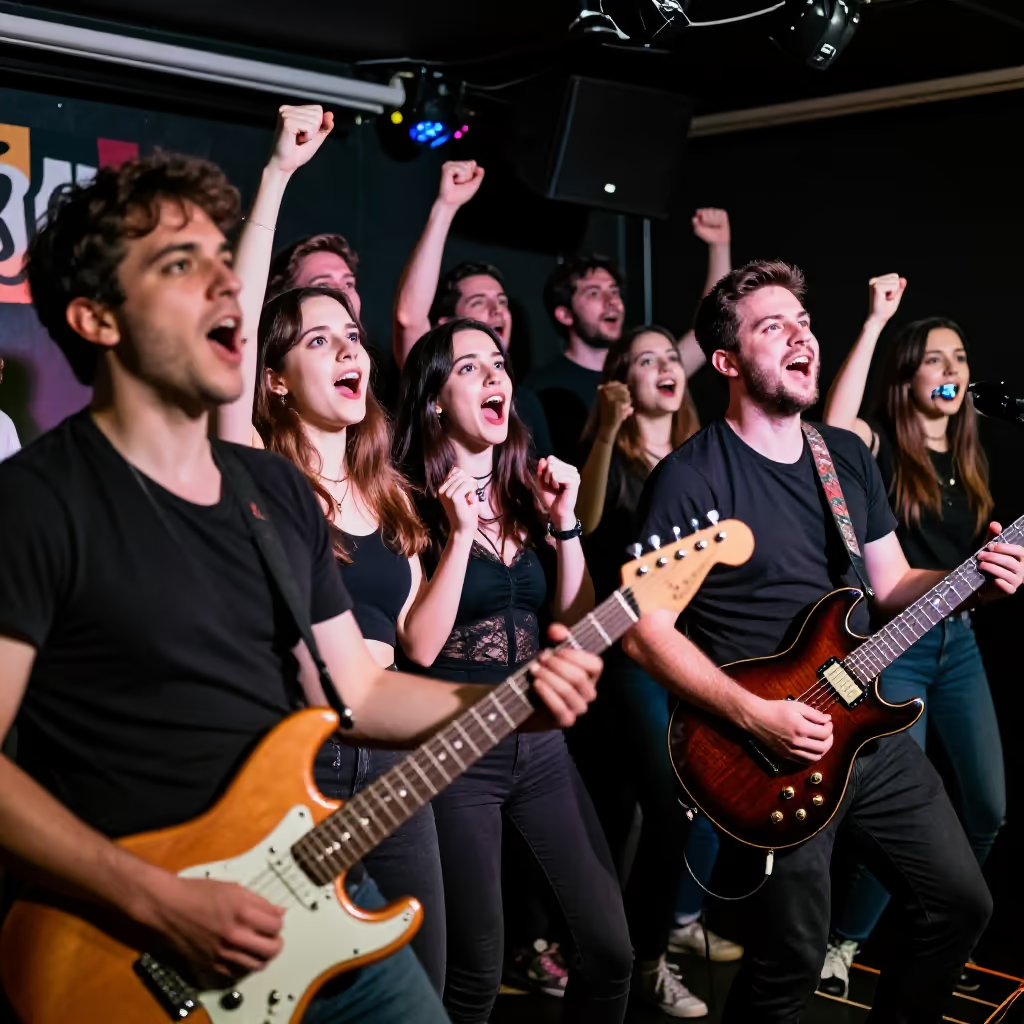
Der neue Film ist beim Publikum ein echter Kracher.
The new film is a real hit with audiences.
Für mich ist der neue Film ein echter Hammer.
To me, the new film is absolutely amazing.