


die Atmosphäre
atmosphere
The mood or feeling that exists in a place, group, or at an event.
EXAMPLE
Das kleine Restaurant hat eine sehr gemütliche und persönliche Atmosphäre.
The small restaurant has a very cozy and personal atmosphere.
atmosphere
die Atmosphäre, die Atmosphären
Loading your saved state.
atmosphere
The mood or feeling that exists in a place, group, or at an event.
Das kleine Restaurant hat eine sehr gemütliche und persönliche Atmosphäre.
The small restaurant has a very cozy and personal atmosphere.
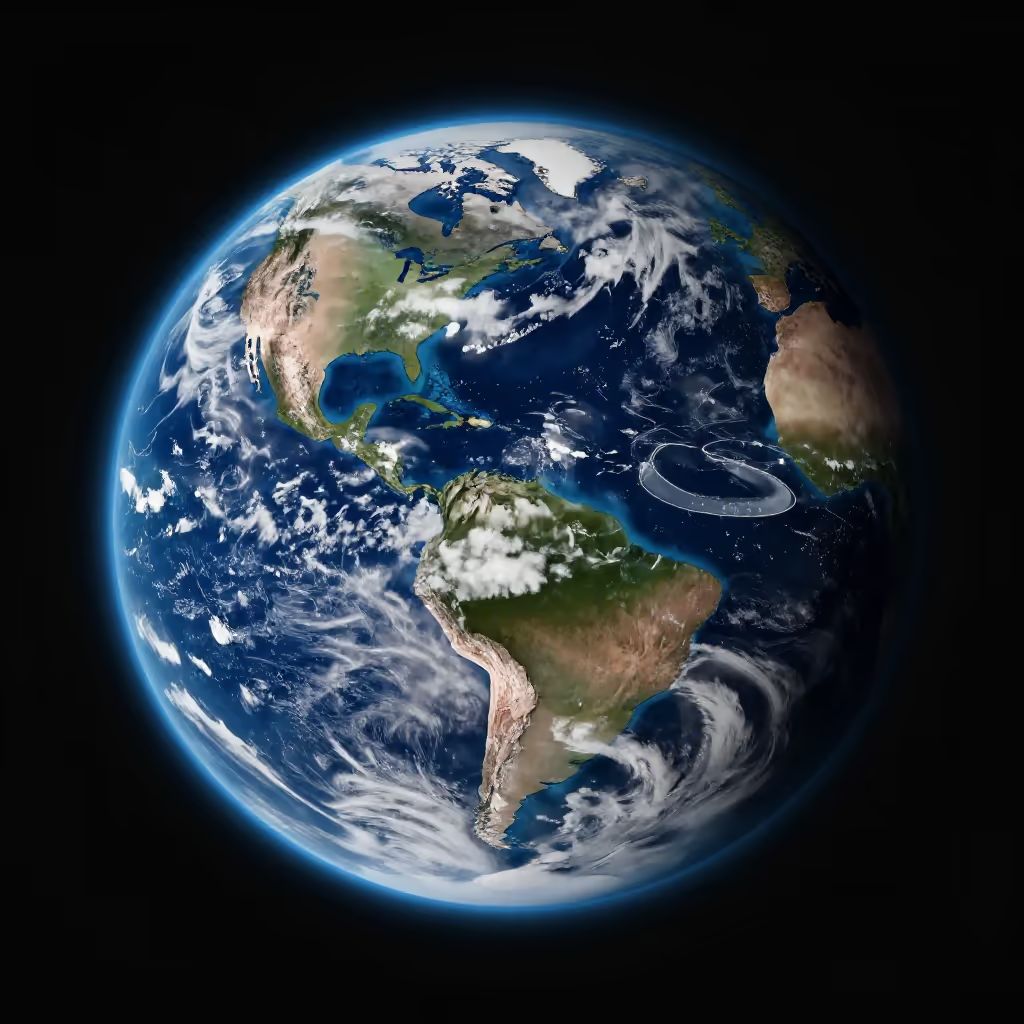
atmosphere
The layer of gas that surrounds a planet or another celestial body, especially the layer of air around the Earth.
Satelliten verglühen oft beim Wiedereintritt in die Erdatmosphäre.
Satellites often burn up when re-entering the Earth's atmosphere.
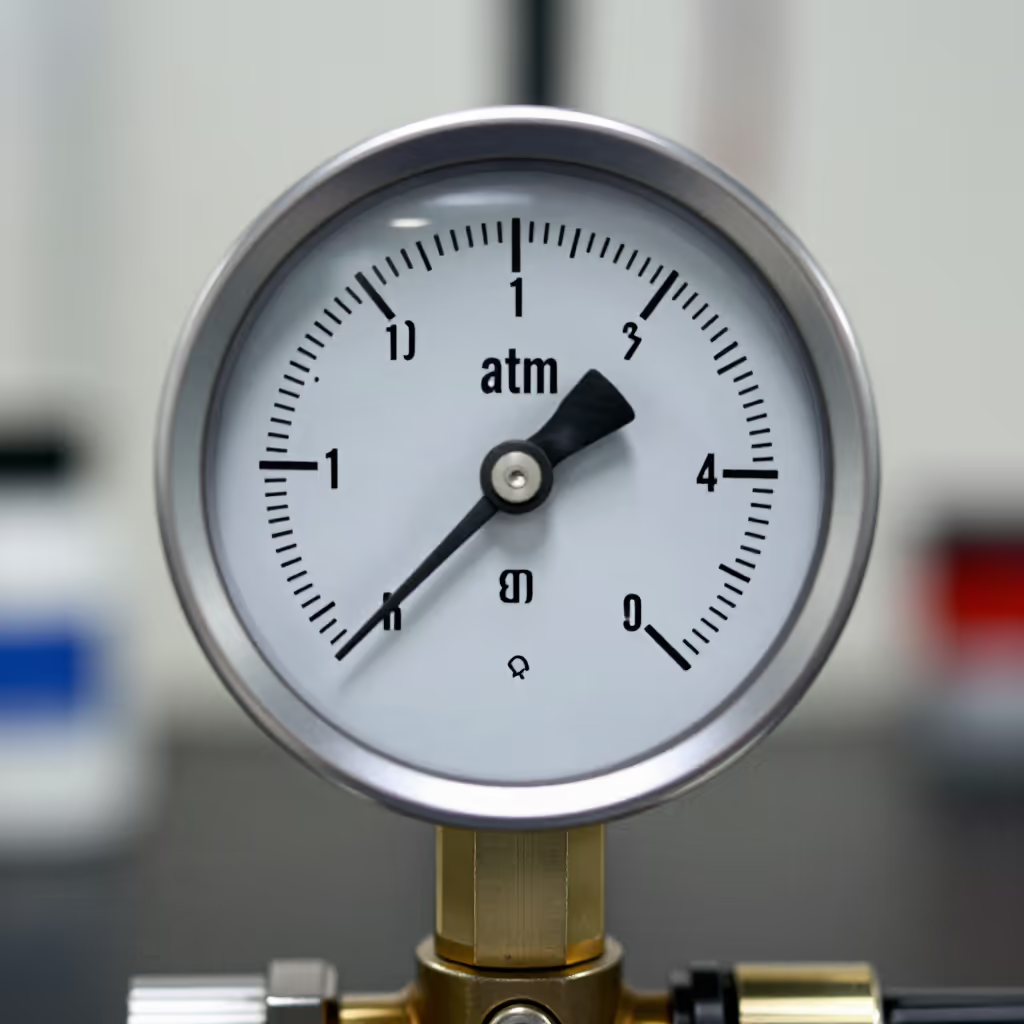
atmosphere
A physical unit of pressure that roughly corresponds to the average air pressure at sea level.
In 10 Metern Wassertiefe herrscht ein Druck von etwa zwei Atmosphären.
At a water depth of 10 meters, there is a pressure of about two atmospheres.
| gender | feminine die |
|---|---|
| plural | die Atmosphären |
| genitive | der Atmosphäre |
| singular | plural | |
|---|---|---|
| nominative | die Atmosphäre | die Atmosphären |
| accusative | die Atmosphäre | die Atmosphären |
| dative | der Atmosphäre | den Atmosphären |
| genitive | der Atmosphäre | der Atmosphären |
The article changes with the case; it is shown in colour.
You can recognize the meaning of 'Atmosphäre' (atmosphere) from the context. If it is about feelings like 'gemütlich' (cozy) or 'entspannt' (relaxed), it refers to the mood. In texts about planets, rockets, or outer space, it refers to the gas layer. In connection with numbers and 'Druck' (pressure), it means the physical unit.
Bei dem Familienfest herrschte eine sehr angespannte Atmosphäre.
There was a very tense atmosphere at the family celebration.
Die Atmosphäre des Mars besteht hauptsächlich aus Kohlendioxid.
The atmosphere of Mars consists mainly of carbon dioxide.
Der Druck in der Flasche beträgt drei Atmosphären.
The pressure in the bottle is three atmospheres.
When referring to the mood, 'Atmosphäre' (atmosphere) is often combined with adjectives like 'gut' (good), 'schlecht' (bad), 'entspannt' (relaxed), or 'freundlich' (friendly). Typical verbs are 'herrschen' (to prevail/exist) or 'schaffen' (to create).
Die gedimmten Lichter schaffen eine romantische Atmosphäre.
The dimmed lights create a romantic atmosphere.
In der neuen Firma herrscht eine sehr positive Atmosphäre.
There is a very positive atmosphere at the new company.
The verb 'herrschen' (to prevail/exist) is used very often to describe an existing mood. In this structure, 'Atmosphäre' (atmosphere) often appears as the subject after the verb, introduced by 'es' in position 1.
Im Team herrscht eine Atmosphäre des Vertrauens.
There is an atmosphere of trust in the team.
Es herrschte eine seltsame Atmosphäre im Raum.
There was a strange atmosphere in the room.
The meaning as the gas layer of a planet is used almost exclusively in scientific or technical contexts, for example in astronomy, physics, or geography.
Die Ozonschicht schützt uns vor schädlicher Strahlung in der oberen Atmosphäre.
The ozone layer protects us from harmful radiation in the upper atmosphere.
air
Luft and Atmosphäre can both refer to the mixture of gases around the Earth. Luft usually refers to the air immediately present in a particular place that people breathe. Atmosphäre refers to the entire layer of gas surrounding the Earth or another celestial body and is therefore appropriate for processes taking place in this layer.

Abgase gelangen aus der Innenstadt in die Atmosphäre.
Exhaust fumes travel from the city center into the atmosphere.
Abgase verschmutzen die Luft in der Innenstadt.
Exhaust fumes pollute the air in the city center.