

der Stopp
stop
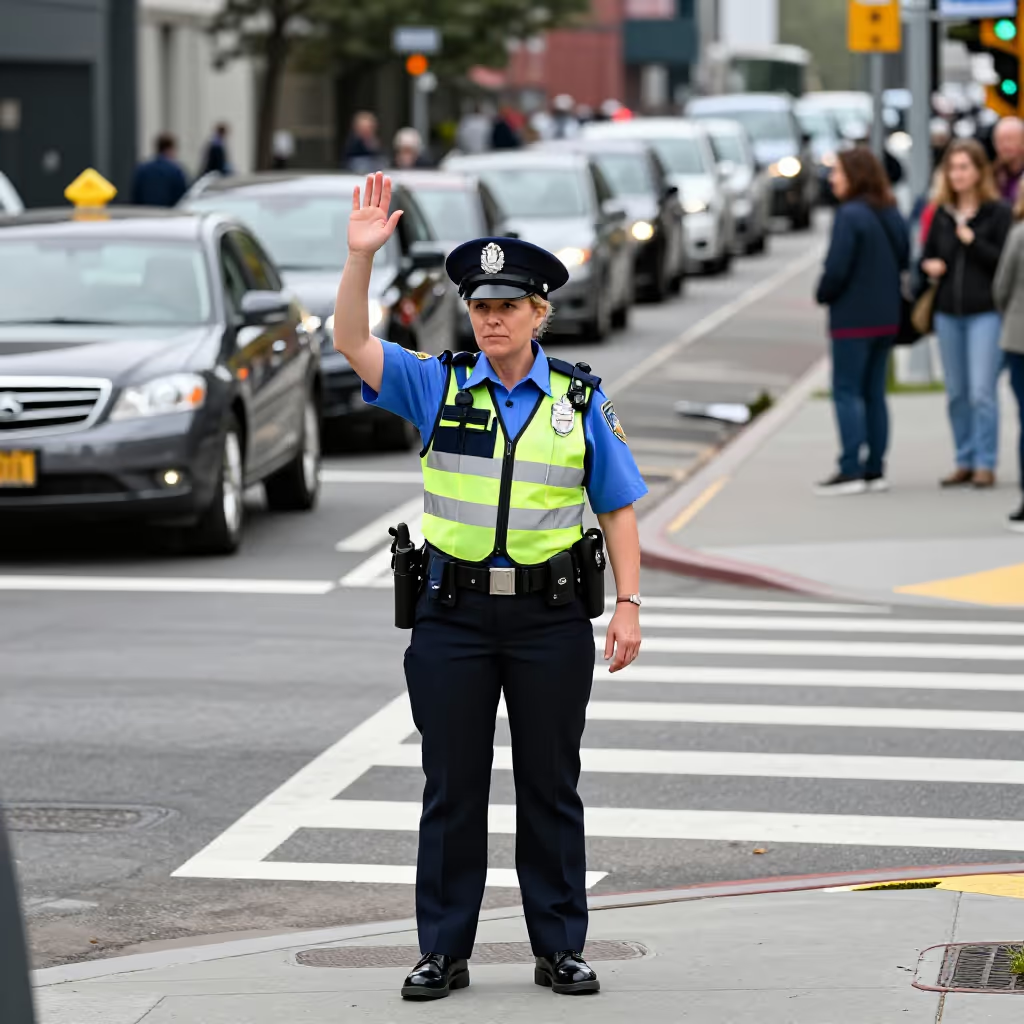
The stopping or interruption of a movement or process.
EXAMPLE
Der Zug legt in Köln einen kurzen Stopp ein.
The train makes a short stop in Cologne.
stop
Loading your saved state.
stop
The stopping or interruption of a movement or process.
Der Zug legt in Köln einen kurzen Stopp ein.
The train makes a short stop in Cologne.
stop
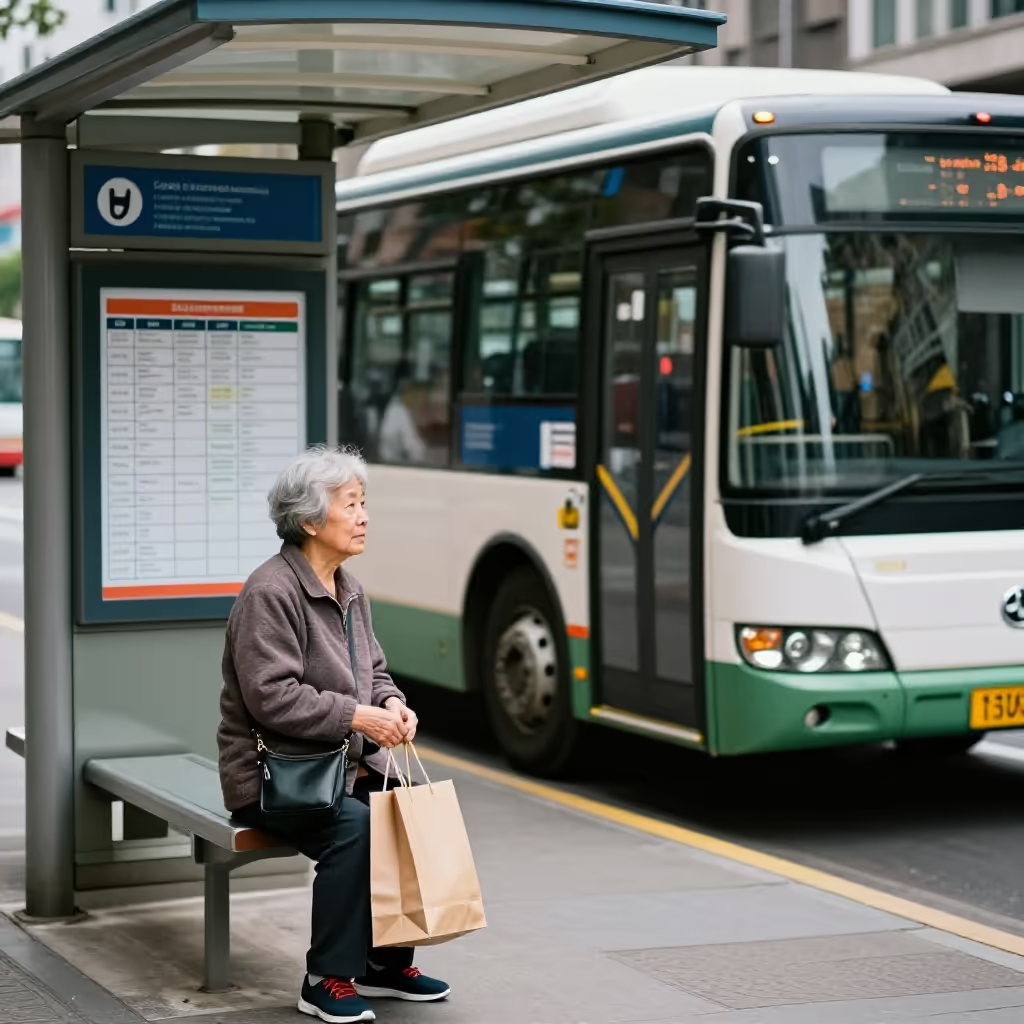
A place where public transportation stops according to schedule; a bus or tram stop.
Unser Stopp ist der nächste, dann müssen wir aussteigen.
Our stop is the next one; then we have to get off.
to make a stop
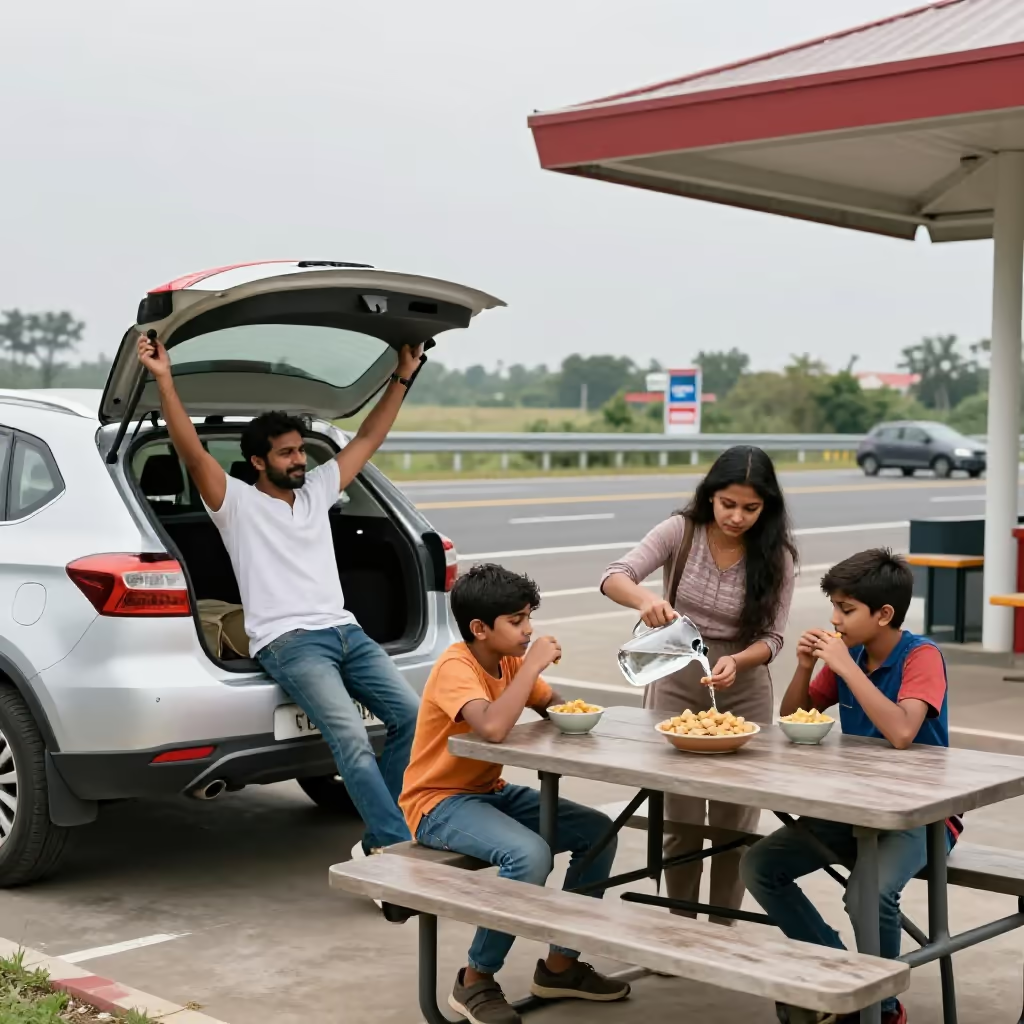
To deliberately interrupt an activity or journey in order to take a break.
Auf dem Weg nach Italien wollen wir in den Alpen einen Stopp einlegen.
On the way to Italy, we want to make a stop in the Alps.
The word 'Stopp' comes directly from English and is used in German with the same basic meaning: a halt or an interruption. It is fully integrated into the German language.
Der Busfahrer machte einen plötzlichen Stopp.
The bus driver made a sudden stop.
The phrase 'einen Stopp einlegen' (to make a stop) is a fixed expression. It means to take a planned break during a journey or a longer activity.
Lass uns auf der langen Autofahrt einen Stopp für einen Kaffee einlegen.
Let's make a stop for coffee on the long drive.
You can recognize the exact meaning of 'Stopp' from the context. In connection with means of transport like a bus or train, it usually means a stop. In other contexts, it refers to the interruption of an action or movement.
Der nächste Stopp ist der Hauptbahnhof.
The next stop is the central station.
just / exactly
In mal eben, eben can express that someone is doing something quickly or briefly. A stop, by contrast, is a deliberate interruption during which an activity or journey is paused. Someone who briefly takes care of something uses mal eben; someone who interrupts an activity makes a stop.
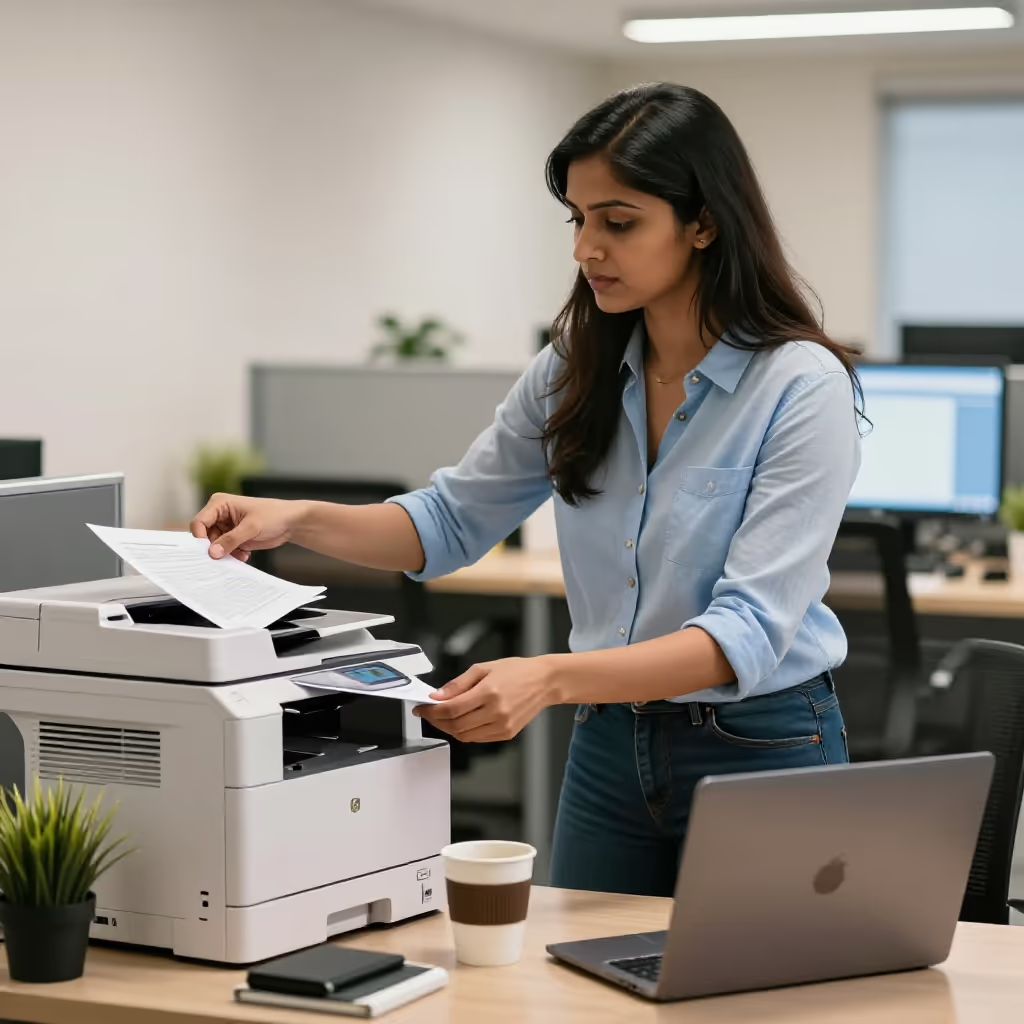
Auf der Fahrt legen wir einen Stopp ein, um etwas zu trinken.
We’ll make a stop on the way to get something to drink.
Auf der Fahrt kaufe ich mal eben etwas zu trinken.
I’ll quickly buy something to drink on the way.