

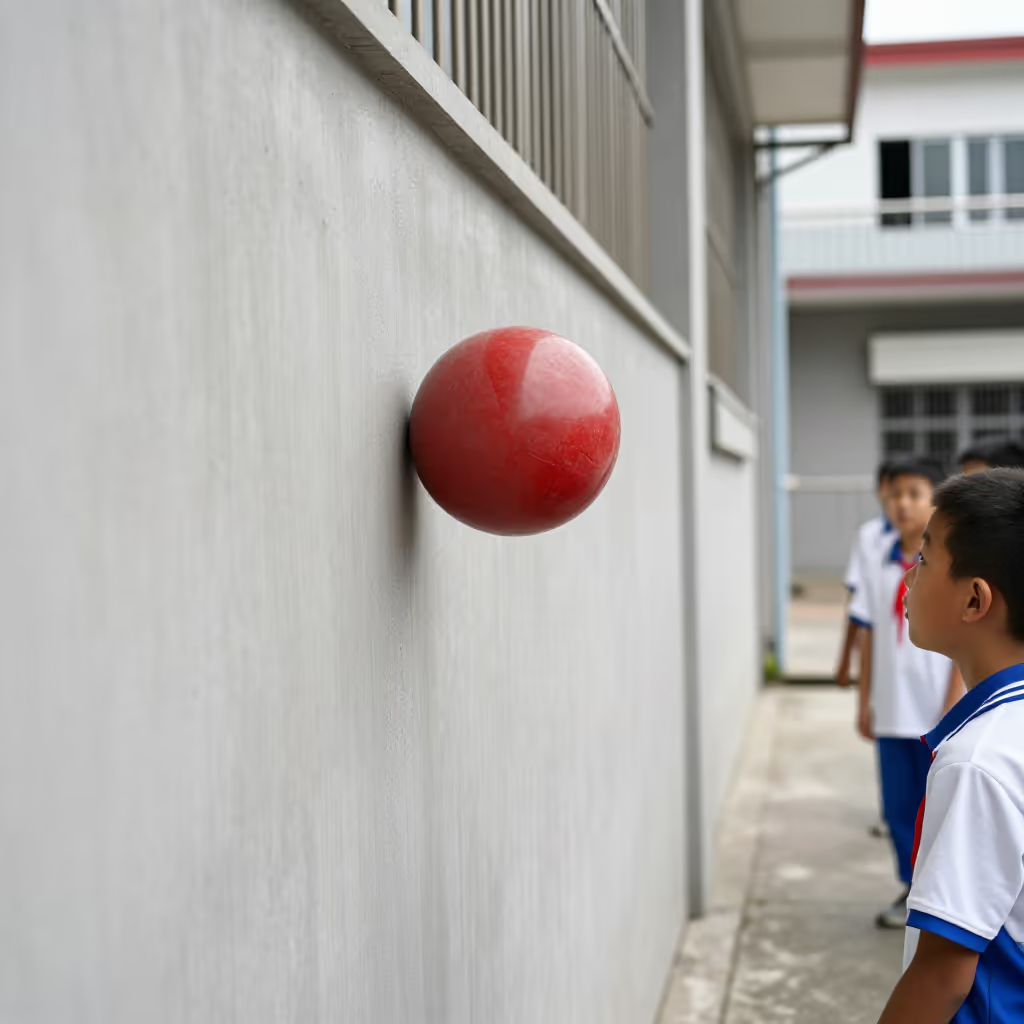
prallen
to rebound
To hit a surface or obstacle with force and bounce back or glance off it.
EXAMPLE
Der Ball prallte von der Wand ab und rollte ins Aus.
The ball rebounded off the wall and rolled out of bounds.
to rebound / bulge
Loading your saved state.
to rebound
To hit a surface or obstacle with force and bounce back or glance off it.
Der Ball prallte von der Wand ab und rollte ins Aus.
The ball rebounded off the wall and rolled out of bounds.
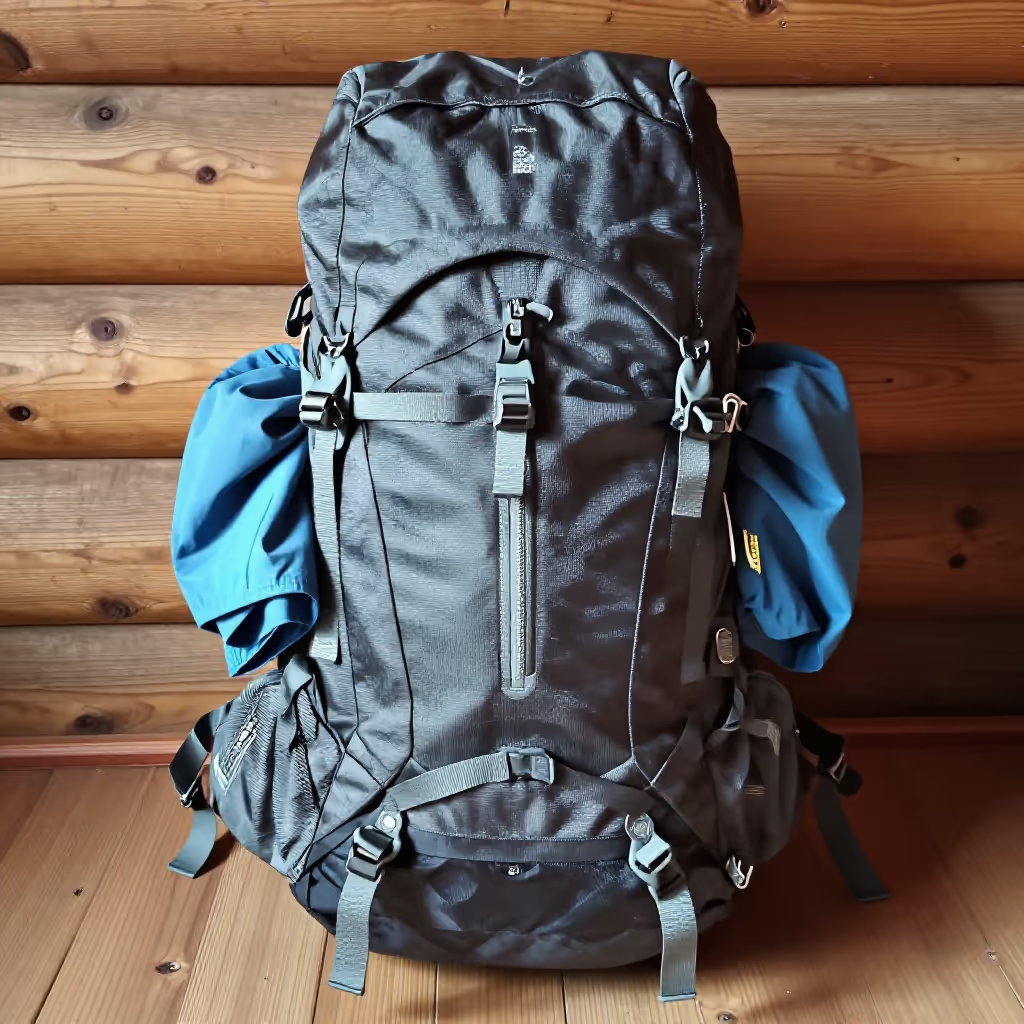
to be bulging
To be very full and stretched tight, so that something seems almost about to burst. Often used in the form 'prall gefüllt' (filled to bursting).
Die Einkaufstasche war prall mit Obst und Gemüse vom Markt gefüllt.
The shopping bag was bulging with fruit and vegetables from the market.
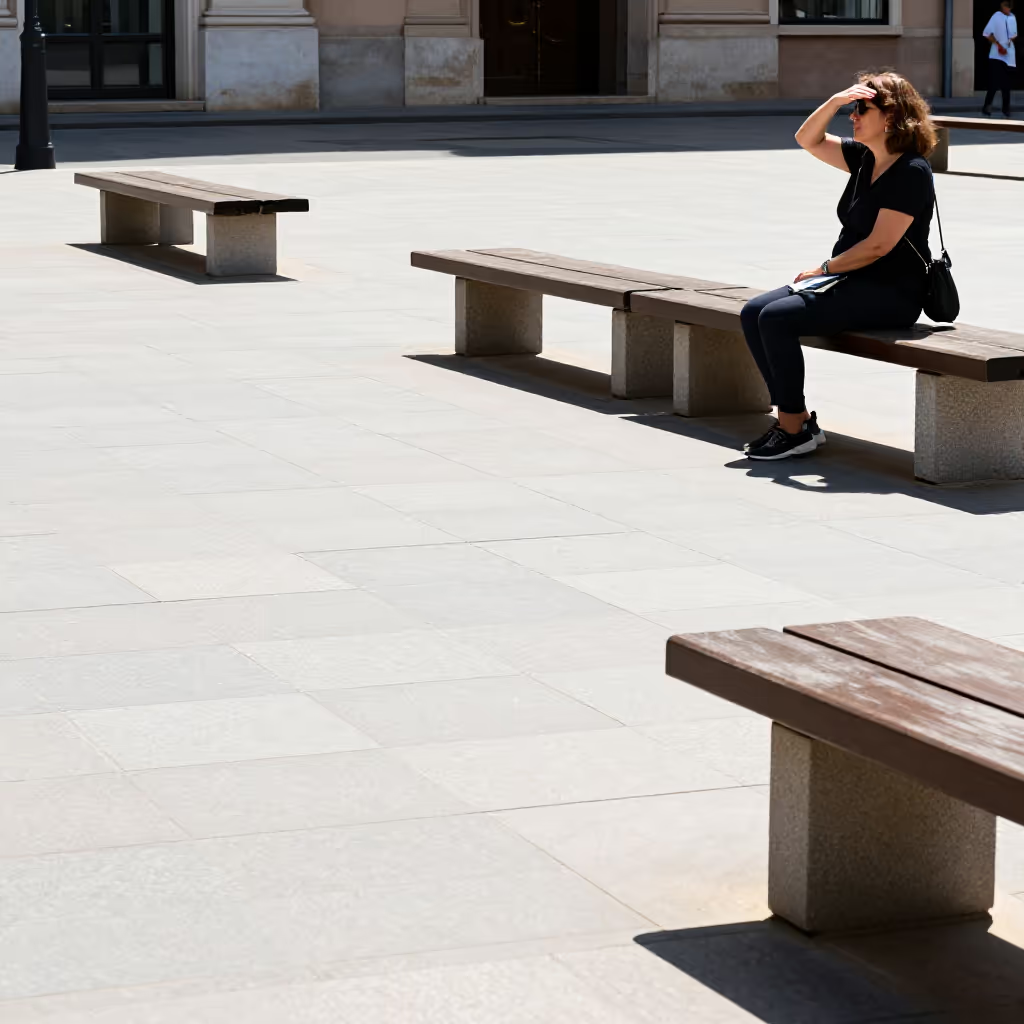
to beat down
Refers to the sun when it shines very strongly, hotly, and directly onto a surface.
Die Mittagssonne prallte erbarmungslos auf den ungeschützten Marktplatz.
The midday sun beat down mercilessly on the unprotected marketplace.
The subject of the sentence reveals the meaning: a moving object (ball, car) rebounds or crashes into something. A container (bag, suitcase) is 'prall gefüllt' (filled to bursting). The sun beats down on a surface.
Das Auto prallte gegen einen Baum.
The car crashed into a tree.
In this meaning, 'prallen' (to rebound / crash) is often used with prepositions that indicate a direction or point of contact. 'gegen' (against) or 'auf' (onto) with the accusative are typical.
Die Wellen prallten mit voller Wucht gegen die Klippen.
The waves crashed against the cliffs with full force.
In this meaning, the participle form 'prall' is often used like an adjective, frequently in the fixed phrase 'prall gefüllt sein' (to be filled to bursting).
Die Äste des Apfelbaums waren prall mit Früchten.
The branches of the apple tree were heavy with fruit.
When talking about intense sunshine, the subject is almost always 'die Sonne' (the sun). This use is often figurative and describes great heat.
Wir suchten Schatten, weil die Sonne so stark auf die Terrasse prallte.
We looked for shade because the sun was beating down so strongly on the terrace.
to shine / seem
Both words can describe bright sunlight. “Scheinen” is the neutral way to say that the sun is giving off light or illuminating a place. “Prallen” is more marked and emphasizes very strong, hot sunlight shining directly onto a surface; “scheinen” is a better choice for normal light.
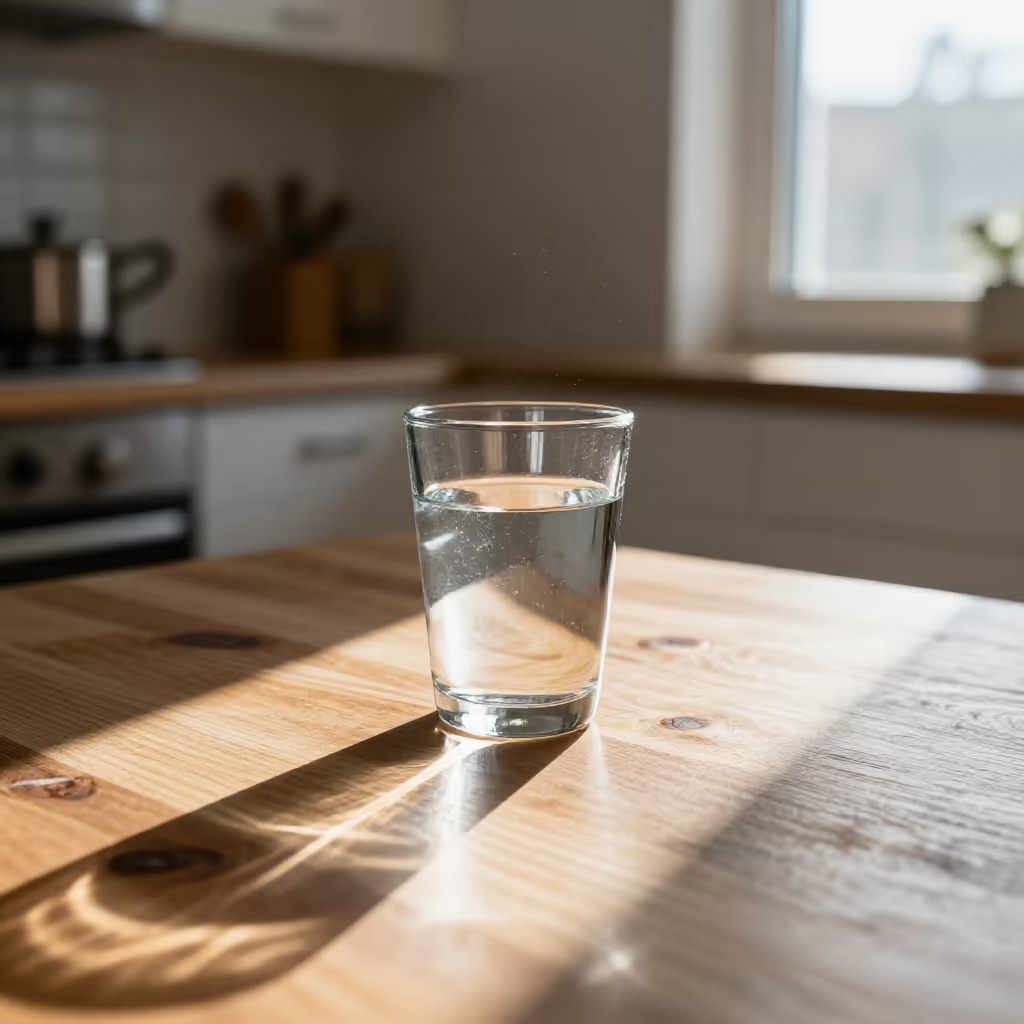
Die Mittagssonne prallt durch das Fenster ins Wohnzimmer.
The midday sun is beating down through the window into the living room.
Die Sonne scheint durch das Fenster ins Wohnzimmer.
The sun is shining through the window into the living room.