

aufschlagen
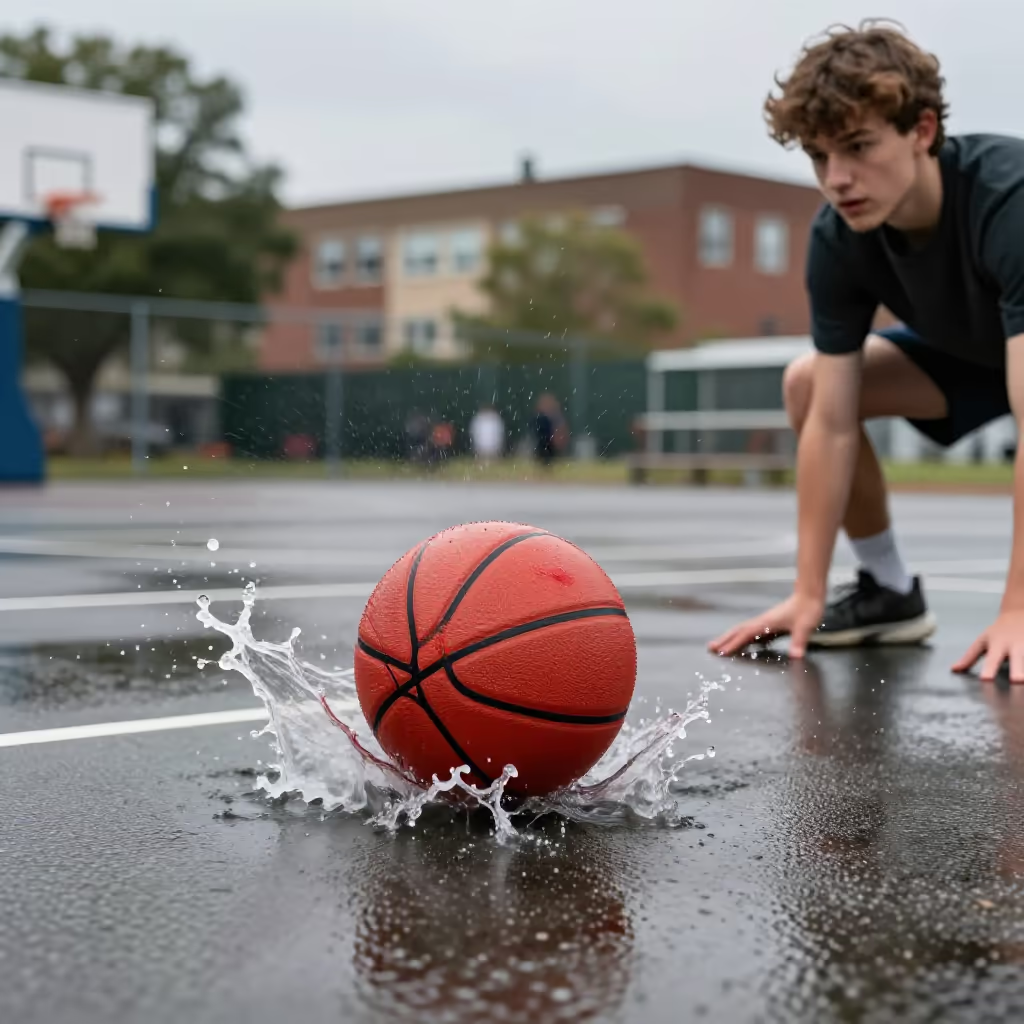
to hit
To strike a surface after falling or being thrown, often with a sound.
EXAMPLE
Der Hagel schlug laut auf das Autodach auf.
The hail hit the car roof loudly.
to open / hit / serve
Loading your saved state.
to hit
To strike a surface after falling or being thrown, often with a sound.
Der Hagel schlug laut auf das Autodach auf.
The hail hit the car roof loudly.
to open
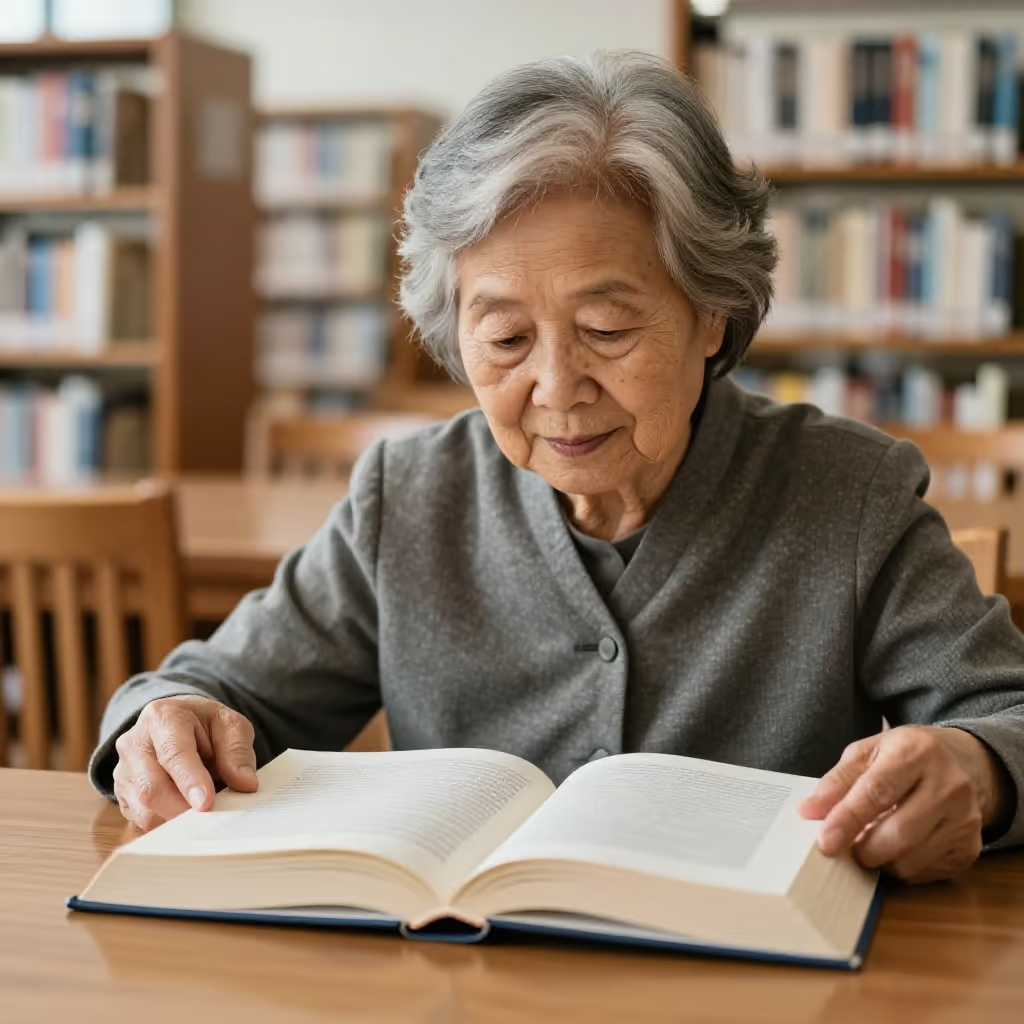
To open something closed or folded, especially a book, a newspaper, or a tent.
Er schlug das Buch auf der ersten Seite auf und begann zu lesen.
He opened the book to the first page and began to read.
to crack open
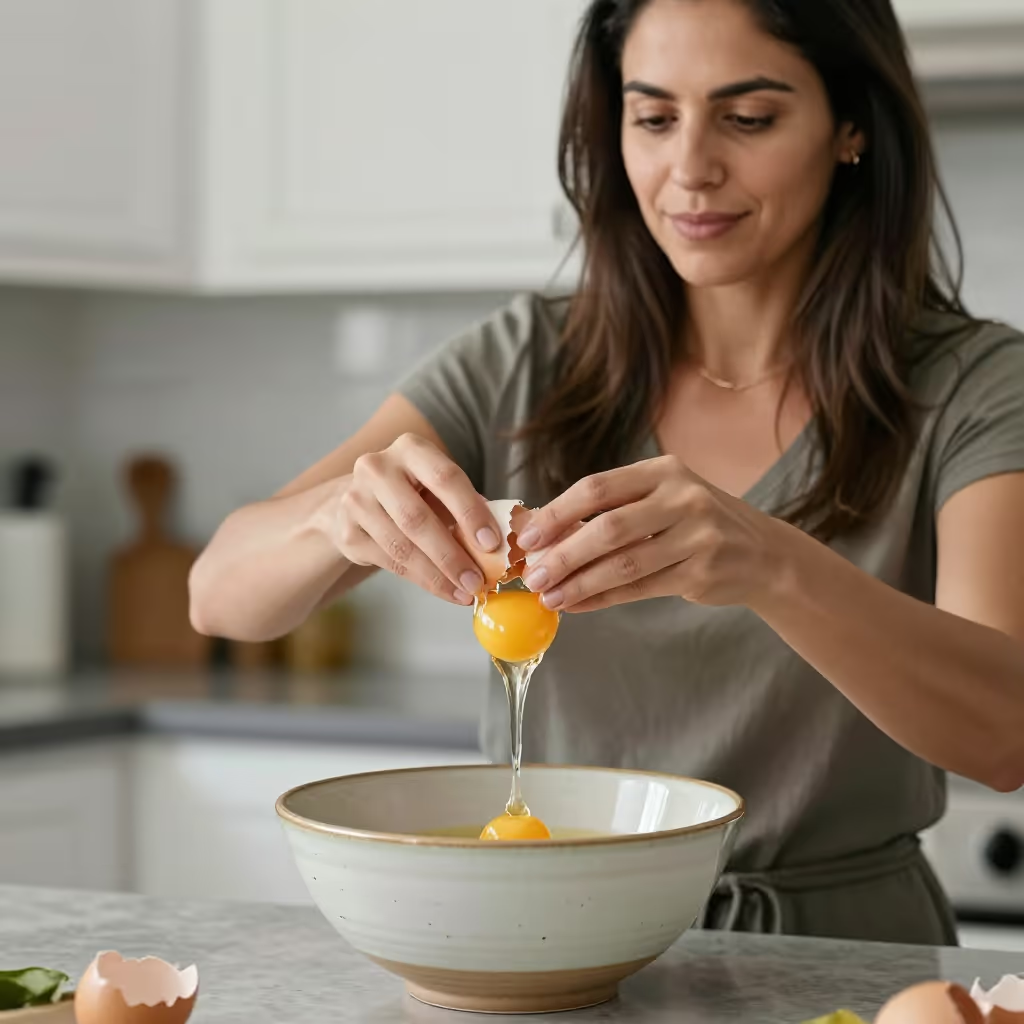
To break or open something with a targeted strike, for example an egg, a nut, or a coconut.
Für das Rührei musst du zuerst vier Eier in eine Schüssel aufschlagen.
For the scrambled eggs, you first have to crack four eggs into a bowl.
to serve
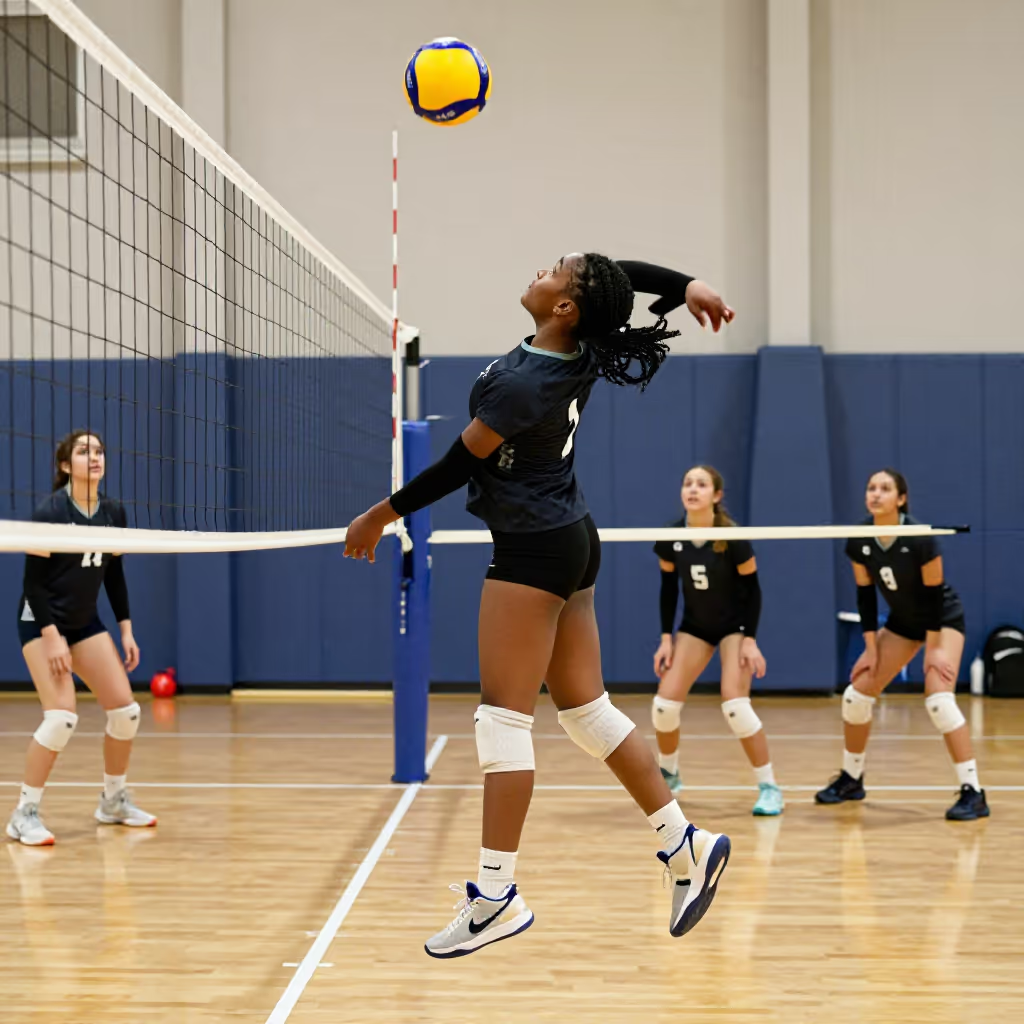
In sports (e.g., tennis, volleyball, table tennis), to put the ball into play by hitting it over the net.
Die Spielerin ist bekannt dafür, dass sie beim Tennis sehr hart aufschlägt.
The player is known for serving very hard in tennis.
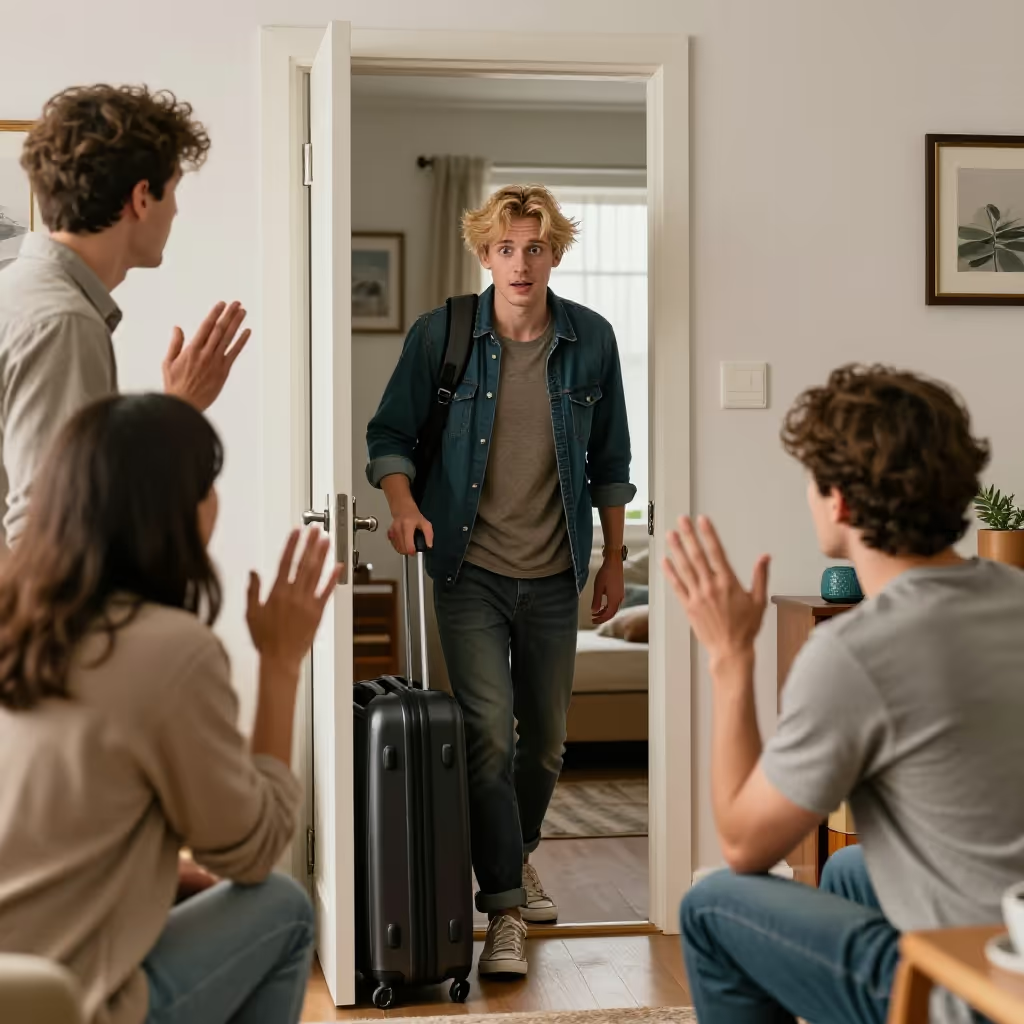
to show up
Colloquial for: to arrive or appear somewhere unexpectedly or suddenly.
Rate mal, wer gestern Abend ohne Ankündigung bei mir aufgeschlagen ist?
Guess who showed up at my place last night without warning?
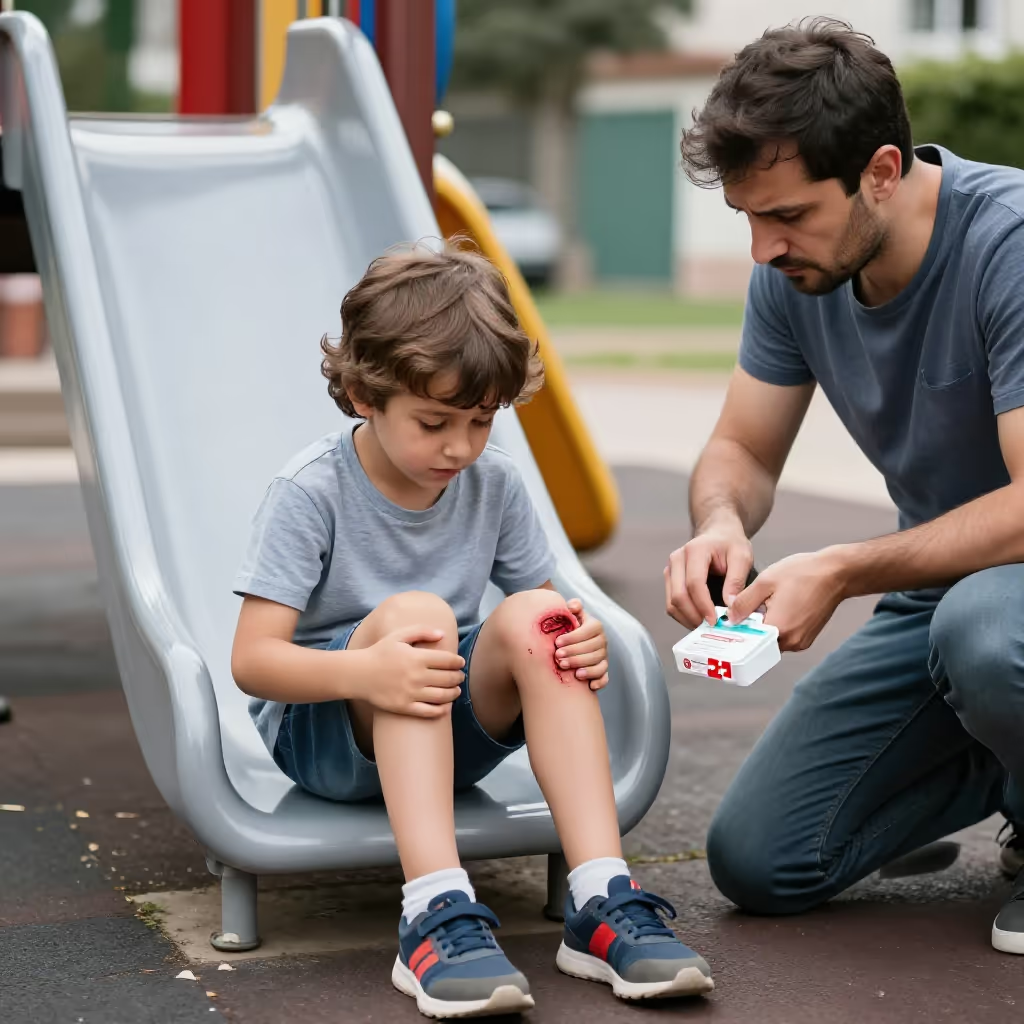
to cut open
To get a bleeding wound on a body part through an impact or fall.
Beim Spielen im Park ist das Kind hingefallen und hat sich das Knie aufgeschlagen.
While playing in the park, the child fell down and cut open their knee.
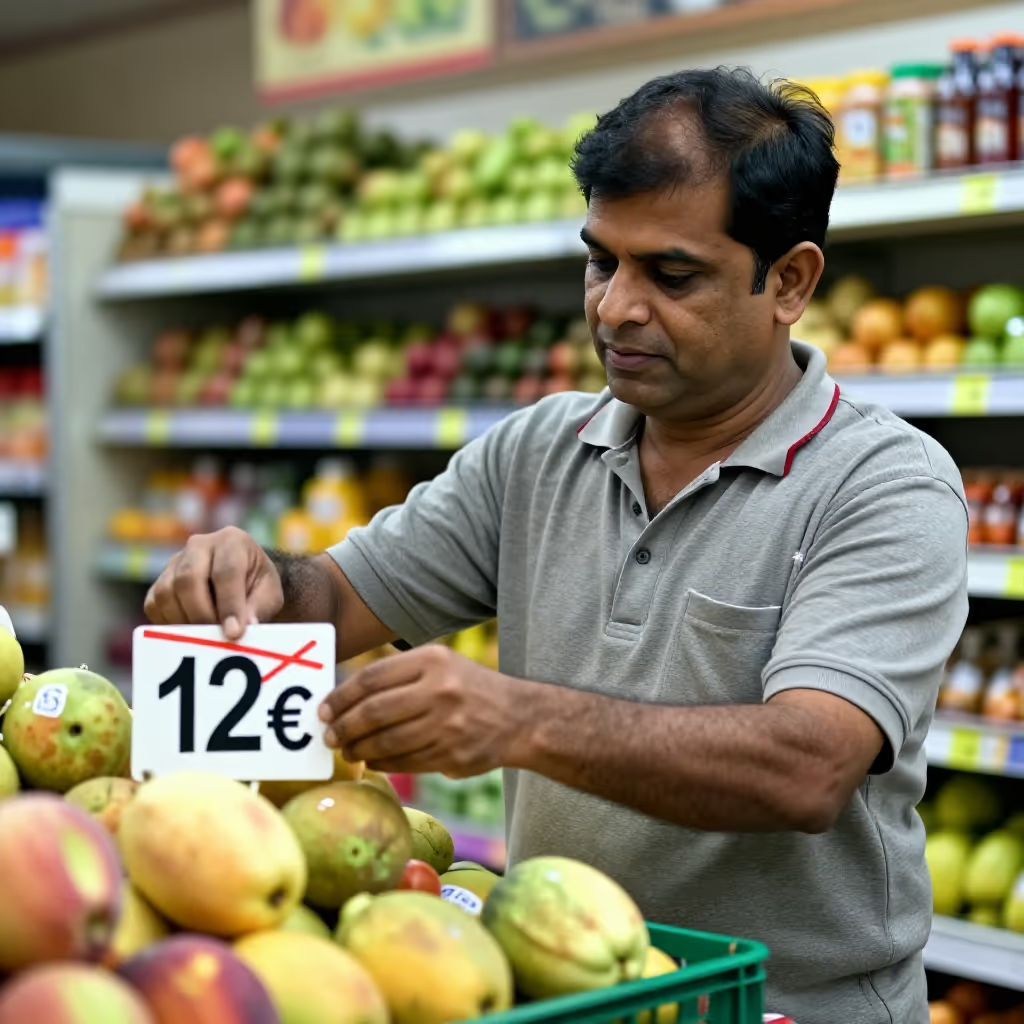
to add
To add an extra amount to a price; to charge a surcharge.
Auf den Grundpreis für das Hotelzimmer wird am Wochenende ein Zuschlag von 20 Euro aufgeschlagen.
A surcharge of 20 euros is added to the base price for the hotel room on weekends.
'Aufschlagen' is a separable verb. The prefix 'auf-' goes at the end in a main clause. In subordinate clauses and in the infinitive with 'zu', the verb stays together.
Ich schlage schnell das Wörterbuch auf.
I quickly look up the word in the dictionary.
The prefix 'auf-' often means 'open' here. This connects several meanings: you 'schlägt ein Buch auf' (open a book), you 'schlägt ein Ei auf' (crack open an egg), and you 'schlägt sich das Knie auf' (cut your knee open—the skin opens).
Kannst du bitte die Flasche aufschlagen?
Can you please open the bottle?
The object of the verb usually reveals the meaning. A book, a newspaper, or a tent is opened. Eggs or nuts are cracked open. A ball is served in sports. A price is increased. And a person 'schlägt' unexpectedly 'auf' at a place—shows up there.
Wir müssen noch das Zelt für die Nacht aufschlagen.
We still have to pitch the tent for the night.
When something hits after a fall, the surface is often indicated with a preposition such as 'auf' (+ dative) or 'gegen' (+ accusative).
Der Ball schlug hart auf dem Boden auf.
The ball hit the ground hard.
When 'aufschlagen' means that a person appears unexpectedly, this is a colloquial use.
Mein Bruder ist gestern einfach so bei mir aufgeschlagen.
My brother just showed up at my place yesterday.
When you injure yourself, the verb is used reflexively with the dative: 'sich (dative) etwas (accusative) aufschlagen'. The person is in the dative, and the injured body part is in the accusative.
Ich habe mir beim Sport das Kinn aufgeschlagen.
I cut my chin open while playing sports.
When a surcharge is charged, the structure is often: 'einen Betrag (accusative) auf etwas (accusative) aufschlagen' (to add an amount to something).
Wegen der hohen Nachfrage schlug die Fluggesellschaft 50 Euro auf den Ticketpreis auf.
Because of the high demand, the airline added 50 euros to the ticket price.
to open
Both words can mean making a book accessible. Öffnen describes the process generally, whereas aufschlagen particularly emphasizes opening a book flat and often opening it to a specific place. Use öffnen for the general action and aufschlagen when a page or particular place is important.
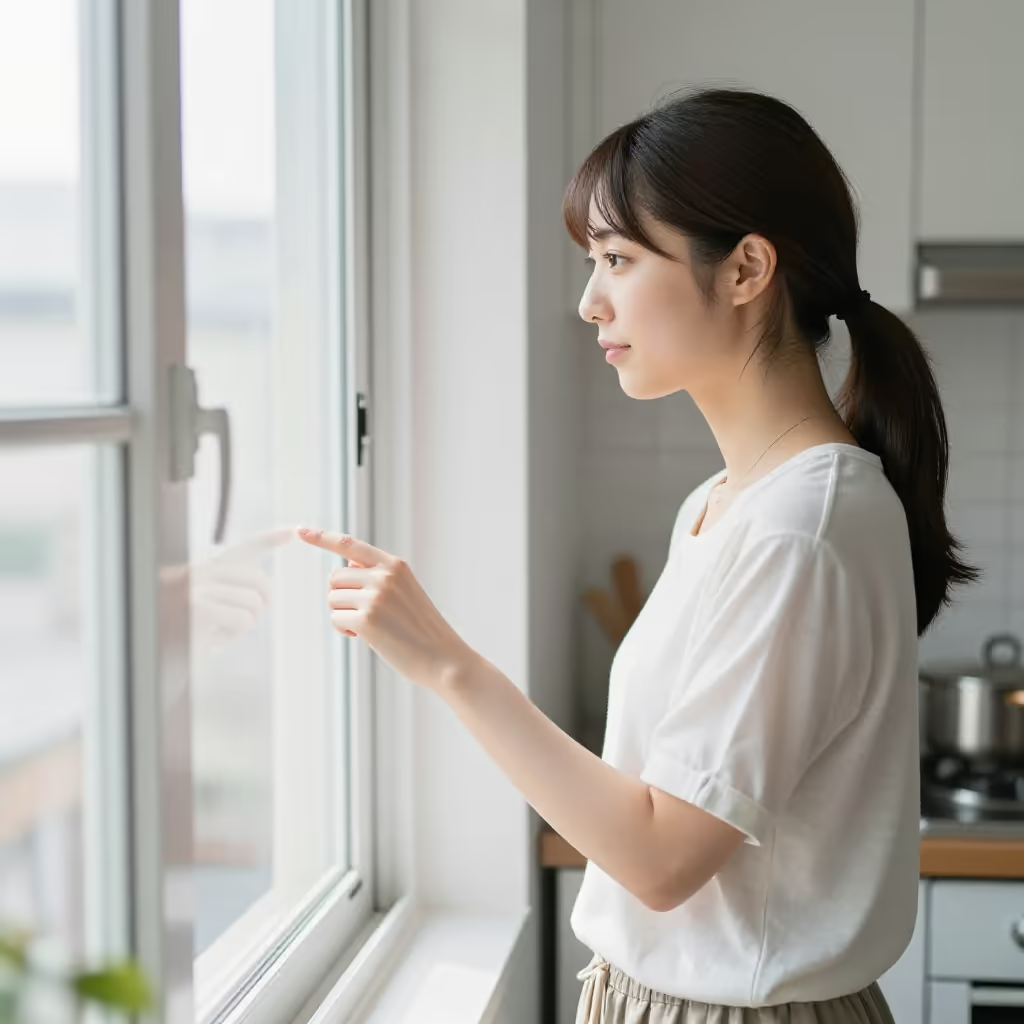
Bitte schlagen Sie das Buch auf Seite 24 auf.
Please open the book to page 24.
Bitte öffnen Sie das Buch vorsichtig.
Please open the book carefully.