

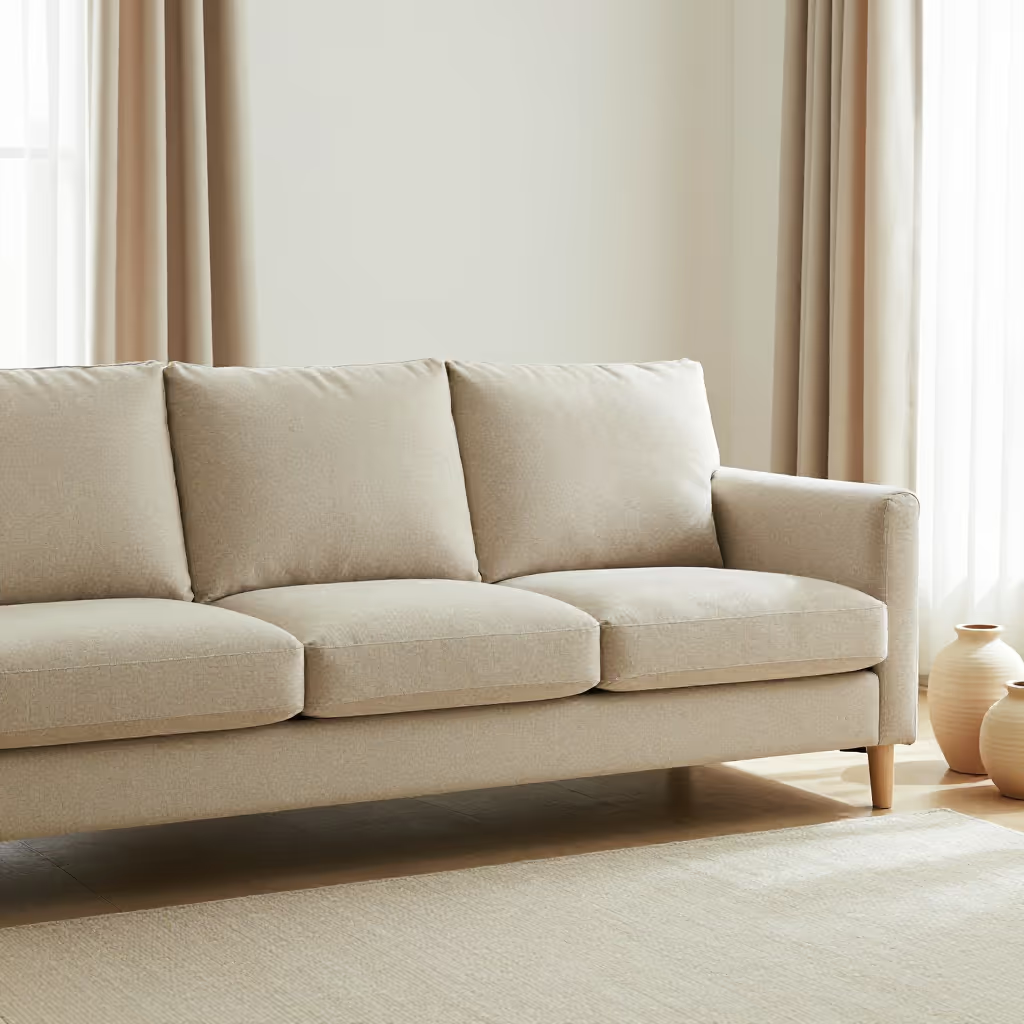
beige
Describes a light, yellowish-gray or sand-colored shade.
EXAMPLE
Für das Wohnzimmer haben wir eine beige Wandfarbe gewählt, weil sie so neutral ist.
For the living room, we chose a beige wall color because it is so neutral.
Loading your saved state.
Describes a light, yellowish-gray or sand-colored shade.
Für das Wohnzimmer haben wir eine beige Wandfarbe gewählt, weil sie so neutral ist.
For the living room, we chose a beige wall color because it is so neutral.
The adjective 'beige' is invariable (indeclinable). That means it does not get an ending when it comes before a noun. This is a special feature that also applies to other color adjectives such as 'lila' (purple) or 'rosa' (pink).
Er trägt einen beigen Pullover.
He is wearing a beige sweater.
'Beige' is a loanword from French. This explains the spelling and pronunciation, which are unusual for German, as well as the invariable form.
Die neuen Sofas sind alle beige.
The new sofas are all beige.
As a neutral color, 'beige' is very commonly used in the areas of fashion, furniture, and interior design. It is often associated with elegance and restraint.
Ein beiger Trenchcoat ist ein echter Klassiker.
A beige trench coat is a true classic.
light brown
Both words can refer to a pale brown shade, and the boundary between them is not sharp. Beige is especially suitable for a light, yellowish-gray, or sand-colored shade, while hellbraun refers to a more clearly recognizable light brown. Choose beige for a more sandy gray tone and hellbraun when there is a stronger brown component.
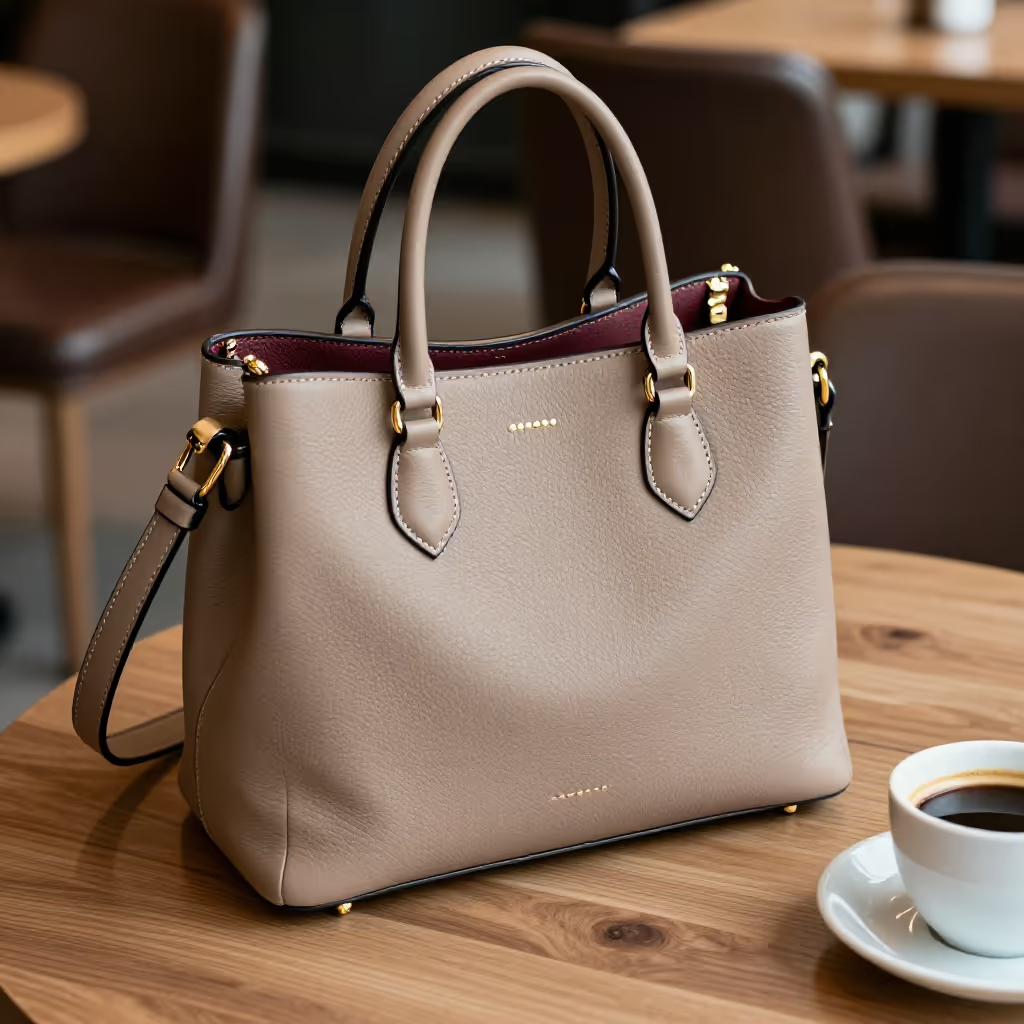
Die Wand ist beige und erinnert an hellen Sand.
The wall is beige and reminds me of light-colored sand.
Die Wand ist hellbraun und zeigt deutlich einen leichten Braunton.
The wall is light brown and clearly has a slight brown hue.