

tunken
mergulhar
Colocar algo por pouco tempo em um líquido, geralmente para cobri-lo com molho, café ou outro líquido.
EXEMPLO
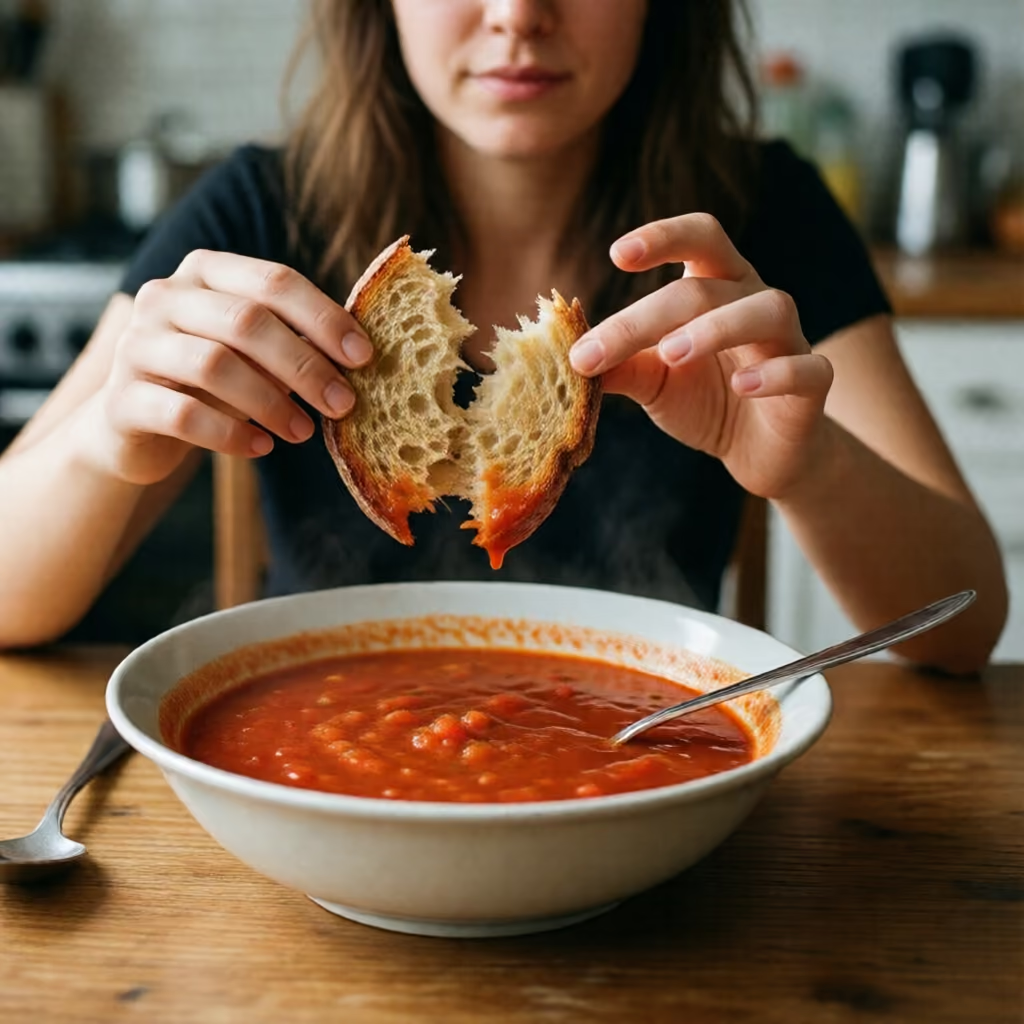
Sie tunkt ihr Brot in die Suppe.
Ela mergulha o pão na sopa.
mergulhar
tunken – tunkte – hat getunkt
Carregando seu estado salvo.
mergulhar
Colocar algo por pouco tempo em um líquido, geralmente para cobri-lo com molho, café ou outro líquido.
Sie tunkt ihr Brot in die Suppe.
Ela mergulha o pão na sopa.
| ich | tunke |
|---|---|
| du | tunkst |
| er/sie/es | tunkt |
| wir | tunken |
| ihr | tunkt |
| sie | tunken |
| ich | tunkte |
|---|---|
| du | tunktest |
| er/sie/es | tunkte |
| wir | tunkten |
| ihr | tunktet |
| sie | tunkten |
| ich | habe getunkt |
|---|---|
| du | hast getunkt |
| er/sie/es | hat getunkt |
| wir | haben getunkt |
| ihr | habt getunkt |
| sie | haben getunkt |
| du | tunk! tunke! |
|---|---|
| ihr | tunkt! |
| Sie | tunken Sie! |
| ich | hatte getunkt |
|---|---|
| du | hattest getunkt |
| er/sie/es | hatte getunkt |
| wir | hatten getunkt |
| ihr | hattet getunkt |
| sie | hatten getunkt |
| ich | werde tunken |
|---|---|
| du | wirst tunken |
| er/sie/es | wird tunken |
| wir | werden tunken |
| ihr | werdet tunken |
| sie | werden tunken |
| ich | tunke |
|---|---|
| du | tunkest |
| er/sie/es | tunke |
| wir | tunken |
| ihr | tunket |
| sie | tunken |
Usado no discurso indireto.
| ich | tunkte |
|---|---|
| du | tunktest |
| er/sie/es | tunkte |
| wir | tunkten |
| ihr | tunktet |
| sie | tunkten |
Usado para desejos e para “würde”.
| infinitivo | tunken |
|---|---|
| com zu | zu tunken |
| Partizip I | tunkend |
| Partizip II | getunkt |
“Tunken” (mergulhar) costuma ser usado com um objeto no Akkusativ e com a combinação “in + Akkusativ” (em + Akkusativ): coloca-se algo em um líquido. Nesse caso, a preposição “in” (em) indica movimento para dentro.
Er tunkt den Keks in den Kaffee.
Ele mergulha o biscoito no café.
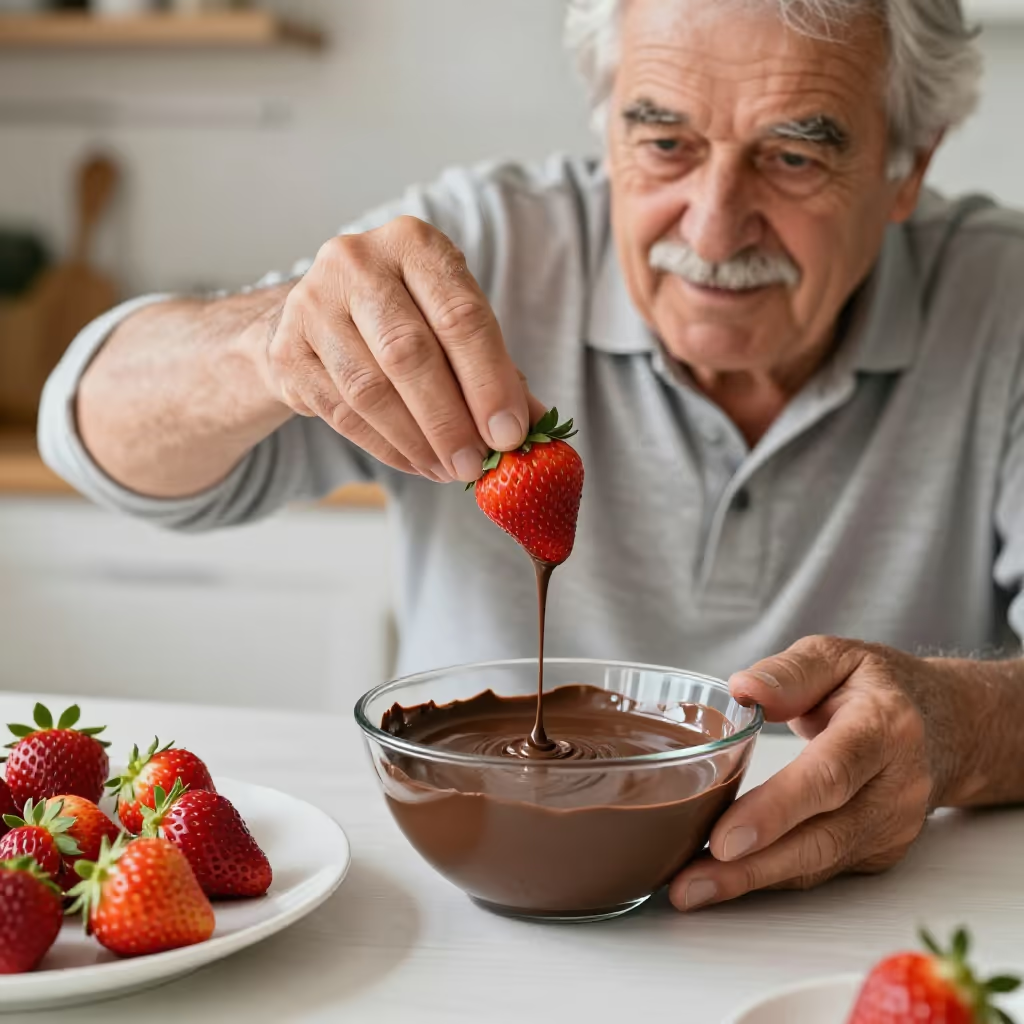
Wir tunken die Erdbeeren in die geschmolzene Schokolade.
Nós mergulhamos os morangos no chocolate derretido.
Combinações comuns são “Brot in Soße tunken” (mergulhar pão no molho), “einen Keks in Kaffee tunken” (mergulhar um biscoito no café) e “Pommes in Ketchup tunken” (mergulhar batatas fritas no ketchup). Portanto, o verbo é especialmente comum para descrever uma ação durante uma refeição.
Die Kinder tunken ihre Pommes in Ketchup.
As crianças mergulham as batatas fritas no ketchup.
“Tunken” (mergulhar) é usado principalmente em situações cotidianas relacionadas à comida, por exemplo, durante um café da manhã em grupo ou ao comer alimentos com pastas e molhos.
Beim Frühstück tunkt er gern sein Brötchen in das weiche Ei.
No café da manhã, ele gosta de mergulhar o pãozinho no ovo com a gema mole.
mergulhar
Os dois verbos podem significar colocar algo por pouco tempo e por completo em um líquido. “Tauchen” (mergulhar) é a palavra mais geral, enquanto “tunken” (mergulhar) é especialmente natural quando se mergulha rapidamente um alimento em molho, café ou um líquido parecido. Para pão ou produtos de confeitaria, “tunken” geralmente é a melhor escolha.
Sie tunkte das Brot kurz in die Suppe.
Ela mergulhou rapidamente o pão na sopa.
Sie tauchte das Brot kurz in die Suppe.
Ela mergulhou rapidamente o pão na sopa.