

tunken
intingere
Immergere brevemente qualcosa in un liquido, di solito per ricoprirlo di salsa, caffè o un altro liquido.
ESEMPIO
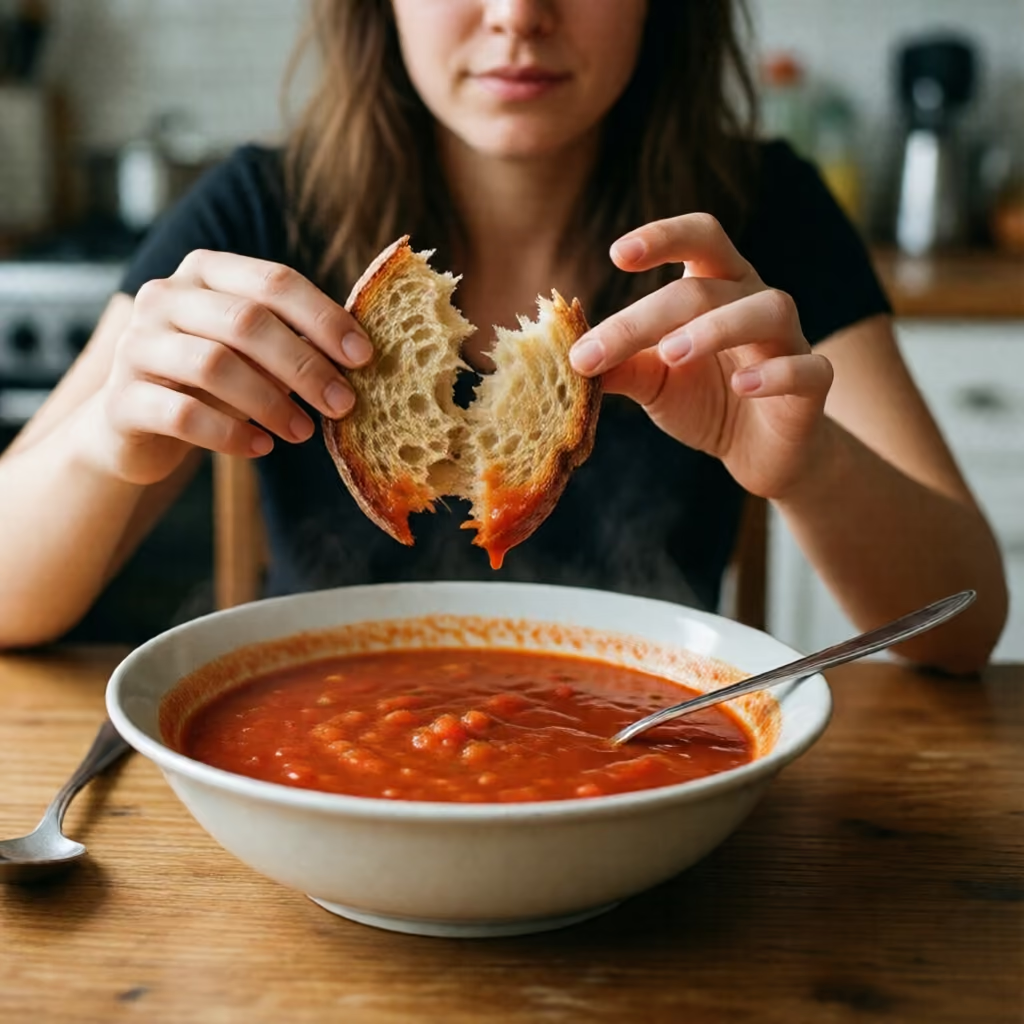
Sie tunkt ihr Brot in die Suppe.
Lei intinge il pane nella zuppa.
intingere
tunken – tunkte – hat getunkt
Caricamento dello stato salvato.
intingere
Immergere brevemente qualcosa in un liquido, di solito per ricoprirlo di salsa, caffè o un altro liquido.
Sie tunkt ihr Brot in die Suppe.
Lei intinge il pane nella zuppa.
| ich | tunke |
|---|---|
| du | tunkst |
| er/sie/es | tunkt |
| wir | tunken |
| ihr | tunkt |
| sie | tunken |
| ich | tunkte |
|---|---|
| du | tunktest |
| er/sie/es | tunkte |
| wir | tunkten |
| ihr | tunktet |
| sie | tunkten |
| ich | habe getunkt |
|---|---|
| du | hast getunkt |
| er/sie/es | hat getunkt |
| wir | haben getunkt |
| ihr | habt getunkt |
| sie | haben getunkt |
| du | tunk! tunke! |
|---|---|
| ihr | tunkt! |
| Sie | tunken Sie! |
| ich | hatte getunkt |
|---|---|
| du | hattest getunkt |
| er/sie/es | hatte getunkt |
| wir | hatten getunkt |
| ihr | hattet getunkt |
| sie | hatten getunkt |
| ich | werde tunken |
|---|---|
| du | wirst tunken |
| er/sie/es | wird tunken |
| wir | werden tunken |
| ihr | werdet tunken |
| sie | werden tunken |
| ich | tunke |
|---|---|
| du | tunkest |
| er/sie/es | tunke |
| wir | tunken |
| ihr | tunket |
| sie | tunken |
Si usa per il discorso indiretto.
| ich | tunkte |
|---|---|
| du | tunktest |
| er/sie/es | tunkte |
| wir | tunkten |
| ihr | tunktet |
| sie | tunkten |
Si usa per i desideri e per il “würde”.
| infinito | tunken |
|---|---|
| con zu | zu tunken |
| Partizip I | tunkend |
| Partizip II | getunkt |
«Tunken» (intingere) si usa di solito con un complemento oggetto all’Akkusativ e con la costruzione «in + Akkusativ» (in + accusativo): si intinge qualcosa in un liquido. Qui la preposizione «in» (in) indica un movimento verso l’interno.
Er tunkt den Keks in den Kaffee.
Lui intinge il biscotto nel caffè.
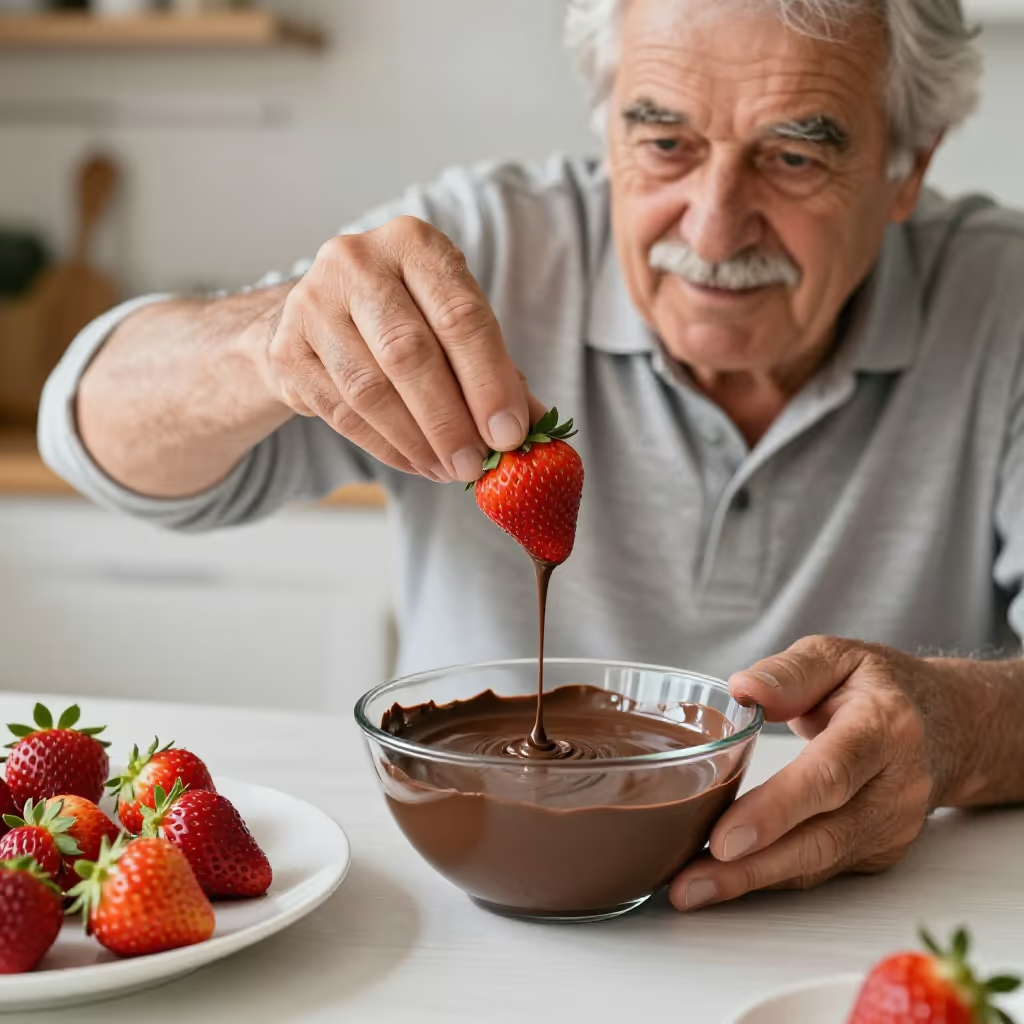
Wir tunken die Erdbeeren in die geschmolzene Schokolade.
Intingiamo le fragole nel cioccolato fuso.
Tra le espressioni frequenti ci sono «Brot in Soße tunken» (intingere il pane nella salsa), «einen Keks in Kaffee tunken» (intingere un biscotto nel caffè) e «Pommes in Ketchup tunken» (intingere le patatine fritte nel ketchup). Il verbo indica quindi soprattutto un gesto che si fa mentre si mangia.
Die Kinder tunken ihre Pommes in Ketchup.
I bambini intingono le patatine fritte nel ketchup.
«Tunken» (intingere) si usa soprattutto nelle situazioni quotidiane legate al cibo, per esempio quando si fa colazione insieme o si mangia accompagnando il cibo con salse e creme da intingere.
Beim Frühstück tunkt er gern sein Brötchen in das weiche Ei.
A colazione, gli piace intingere il panino nell’uovo alla coque.
immergersi / intingere
Entrambi i verbi possono significare immergere brevemente e completamente qualcosa in un liquido. «tauchen» (intingere) è il termine più generico, mentre «tunken» (intingere) è particolarmente idiomatico quando si intinge brevemente del cibo in una salsa, nel caffè o in un liquido simile. Per il pane o i prodotti da forno, di solito è più adatto «tunken».
Sie tunkte das Brot kurz in die Suppe.
Ha intinto brevemente il pane nella zuppa.
Sie tauchte das Brot kurz in die Suppe.
Ha intinto brevemente il pane nella zuppa.