

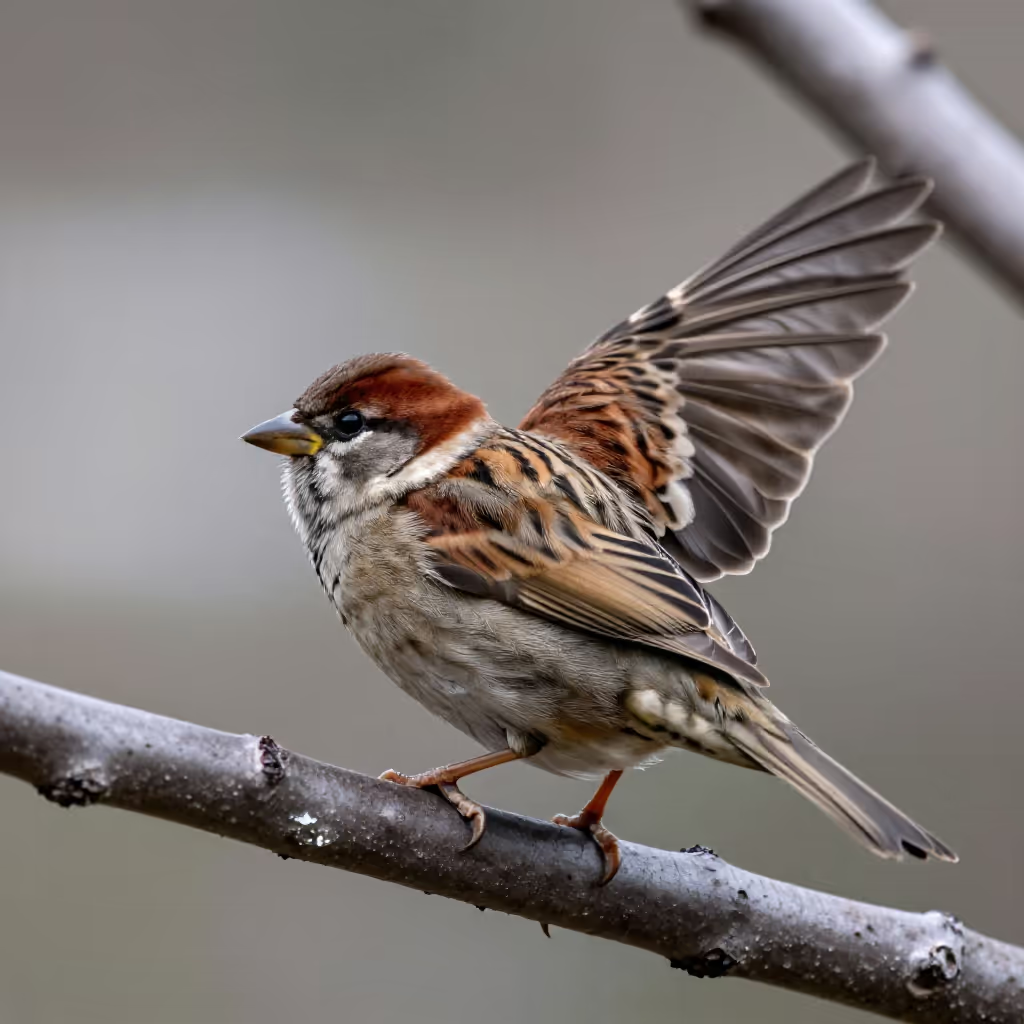
die Feder
feather
One of the light, horn-like structures that cover the skin of birds and enable them to fly.
EXAMPLE
Das Kind hat eine bunte Feder vom Pfau gefunden.
The child found a colorful feather from a peacock.
feather / spring
Loading your saved state.
feather
One of the light, horn-like structures that cover the skin of birds and enable them to fly.
Das Kind hat eine bunte Feder vom Pfau gefunden.
The child found a colorful feather from a peacock.
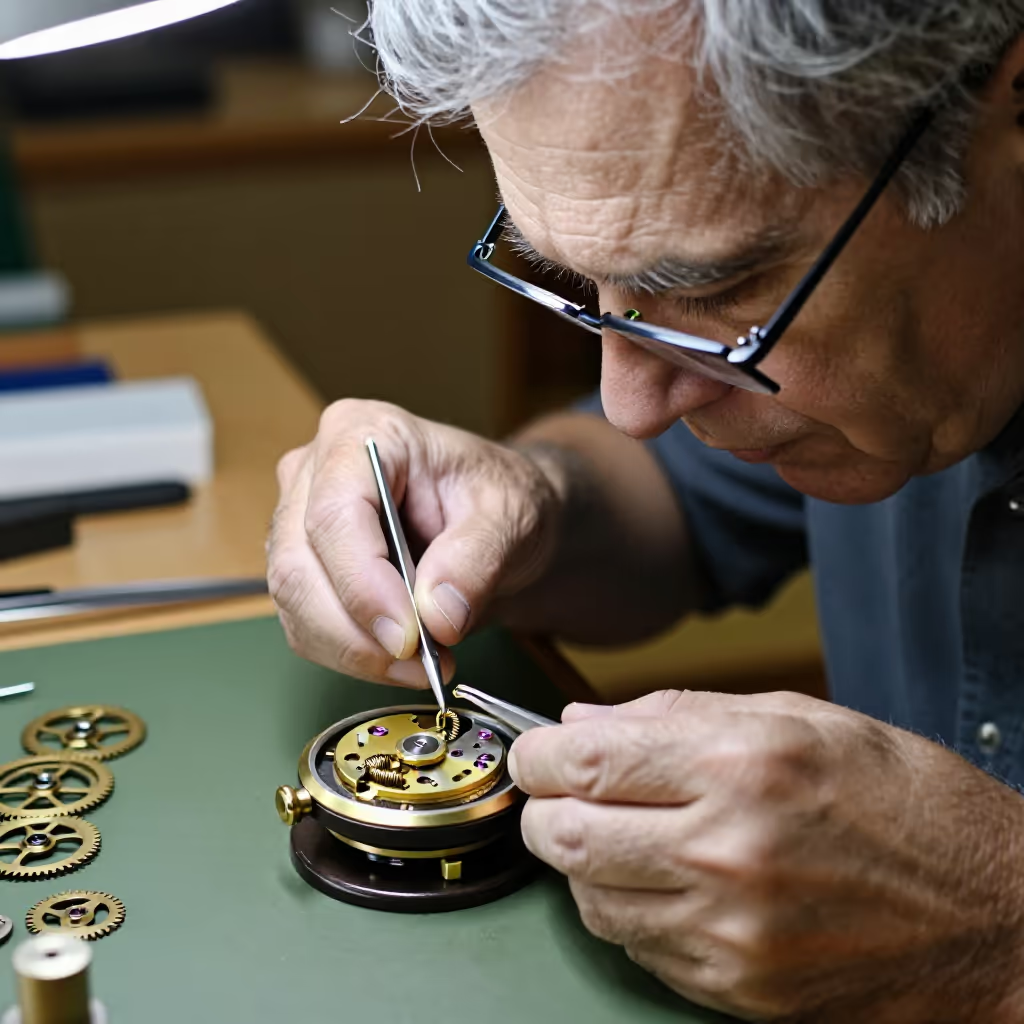
spring
An elastic machine element made of metal that can store and release energy, for example in clocks, vehicles, or ballpoint pens.
Die Feder in meinem Kugelschreiber ist kaputt.
The spring in my ballpoint pen is broken.
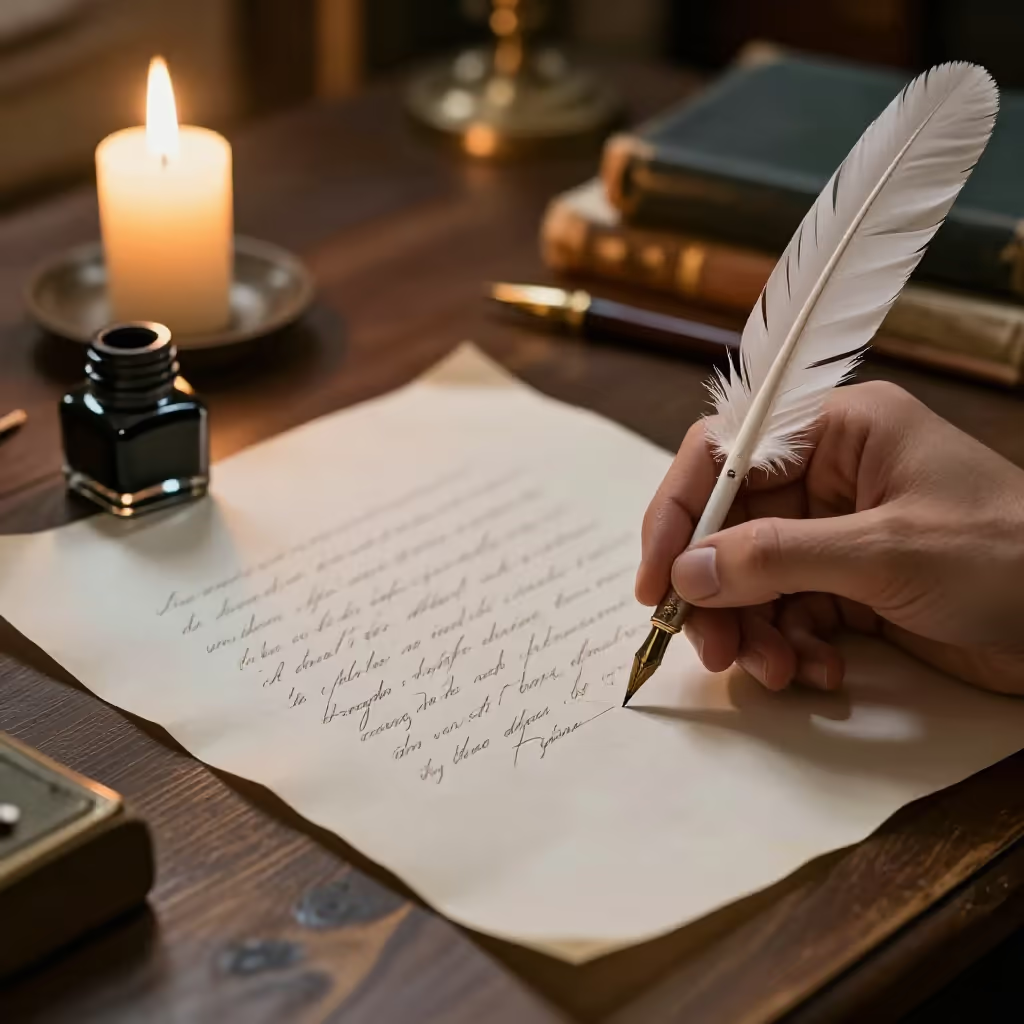
quill / authorship
A historical writing instrument made from a bird feather (quill). Figuratively, it can also stand for a person's authorship or writing style.
Dieser Roman stammt aus der Feder eines unbekannten Autors.
This novel comes from the pen of an unknown author.
The three main meanings of 'Feder' (feather / spring) can be distinguished well by context. In connection with birds, pillows, or lightness, it refers to a bird feather. In technology, machines, or vehicles, it means a metal spring. In the context of literature and writing, it refers to a quill or authorship.
Das Kissen ist mit weichen Federn gefüllt.
The pillow is filled with soft feathers.
The word family shows the core qualities of 'Feder' (feather / spring). The adjective 'federleicht' (light as a feather) describes something very light. The verb 'federn' means to absorb a shock elastically, which points to the function of the metal spring.
Die neue Jacke ist federleicht und trotzdem warm.
The new jacket is light as a feather and still warm.
The idiom 'sich mit fremden Federn schmücken' means that someone presents another person's achievement or ideas as their own in order to make themselves look better.
Er hat die Idee von seiner Kollegin geklaut und schmückt sich jetzt mit fremden Federn.
He stole the idea from his colleague and is now taking credit for someone else's work.
In the technical sense, you often find 'Feder' (spring) in everyday objects. Typical contexts are the spring in a mattress, in a ballpoint pen, or as part of a vehicle's suspension.
Die alte Matratze ist durchgelegen, weil die Federn darin müde sind.
The old mattress is sagging because the springs inside it are worn out.
The expression 'aus jemandes Feder stammen' (to come from someone's pen) is an elevated and slightly figurative way to express authorship. It is used mainly in written language to say who wrote or composed something.
Man erkennt sofort, dass dieser kritische Kommentar aus ihrer Feder stammt.
You can immediately tell that this critical commentary comes from her pen.