

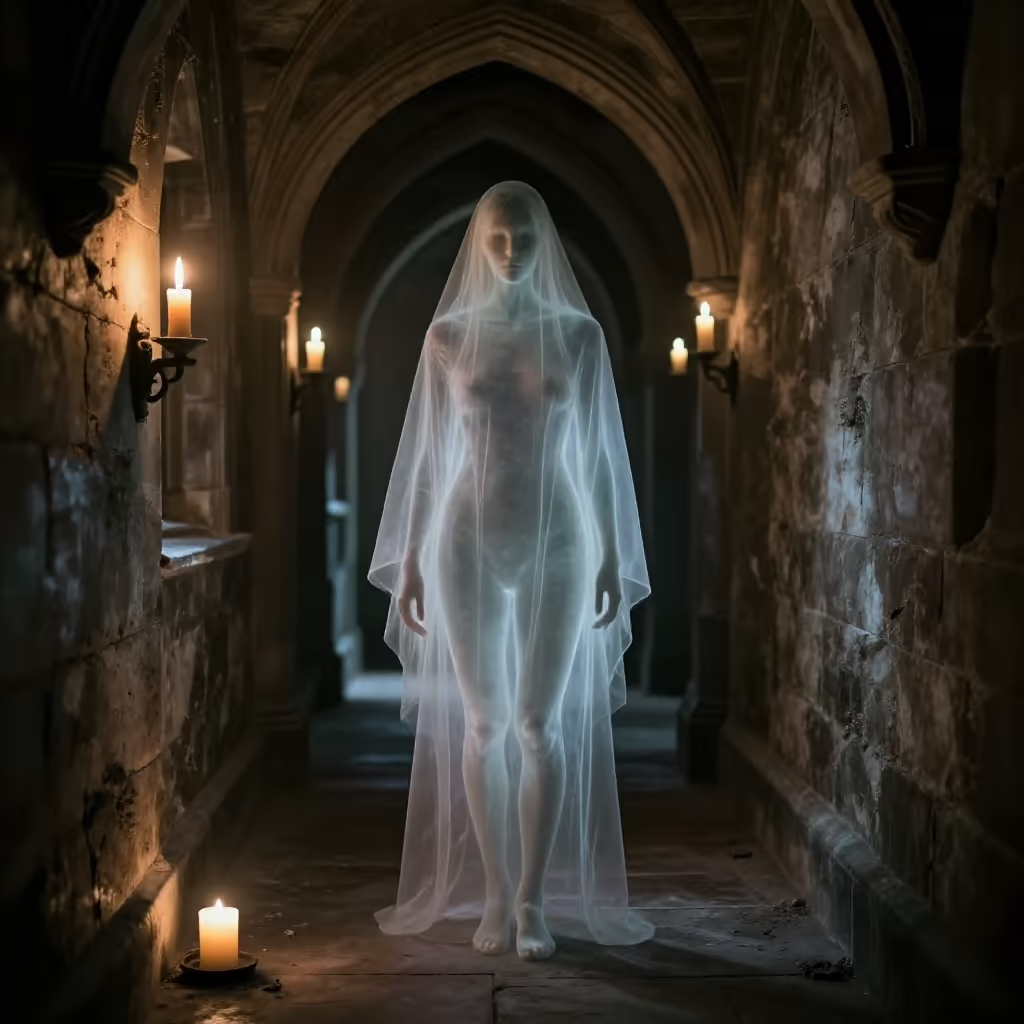
das Phantom
phantom
A ghostly, eerie, or supernatural apparition.
EXAMPLE
Manche glauben, das Phantom der Oper habe wirklich im Pariser Opernhaus gelebt.
Some believe that the Phantom of the Opera really lived in the Paris opera house.
phantom
Loading your saved state.
phantom
A ghostly, eerie, or supernatural apparition.
Manche glauben, das Phantom der Oper habe wirklich im Pariser Opernhaus gelebt.
Some believe that the Phantom of the Opera really lived in the Paris opera house.
phantom
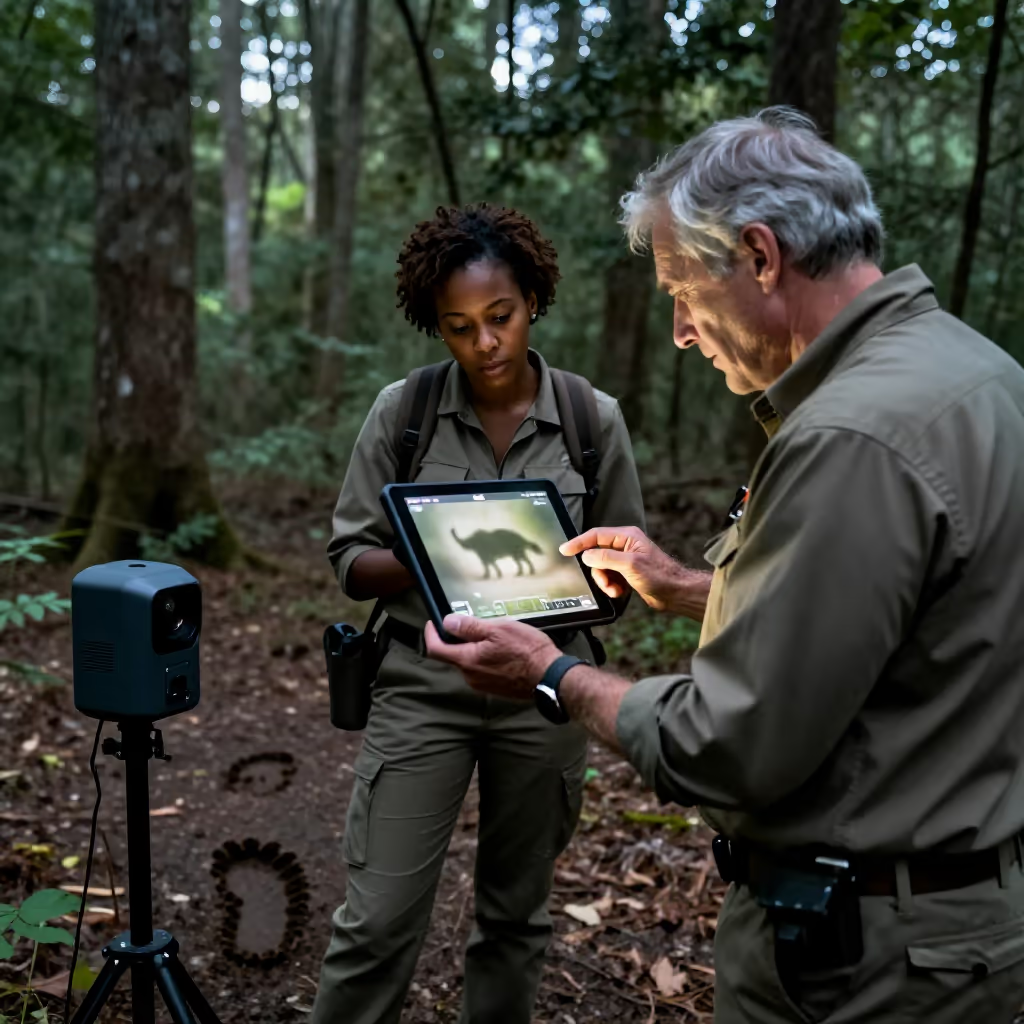
A person or thing whose existence is suspected or talked about, but which is not tangible or cannot be found.
Die Polizei jagte ein Phantom, das seit Wochen Juweliergeschäfte ausraubte, ohne Spuren zu hinterlassen.
The police were hunting a phantom who had been robbing jewelry stores for weeks without leaving any traces.

phantom
A perception or sensation relating to a body part that is no longer present, such as phantom pain.
Auch Jahre nach der Amputation spürte er sein Bein noch als eine Art Phantom.
Even years after the amputation, he still felt his leg as a kind of phantom.
The core idea connecting all meanings is something that is perceived or seems to exist but is not physically tangible. It can be a ghost, an elusive person, or a bodily sensation.
Der Einbrecher war wie ein Phantom, er hinterließ keinerlei Spuren.
The burglar was like a phantom; he left no traces at all.
In the meaning of a person who cannot be found, 'Phantom' is very often used in news reports and crime stories. Typical verbs in this context are 'jagen' (to hunt) or 'fahnden nach' (to search for).
Die Presse nannte den gesuchten Hacker nur noch „das Phantom“.
The press referred to the wanted hacker only as 'the phantom.'
In the medical field, the word is most often found in the compound 'der Phantomschmerz' (phantom pain). This term describes pain in a body part that is no longer present.
Viele Patienten leiden nach einer Amputation unter Phantomschmerzen.
Many patients suffer from phantom pain after an amputation.
spirit / mind
Both words can refer to something ghostly or supernatural. „Der Geist“ generally refers to the supernatural being itself, while „das Phantom“ emphasizes an eerie appearance that is often perceived only briefly. Use „Geist“ for the being and „Phantom“ when the eerie sight is the focus.
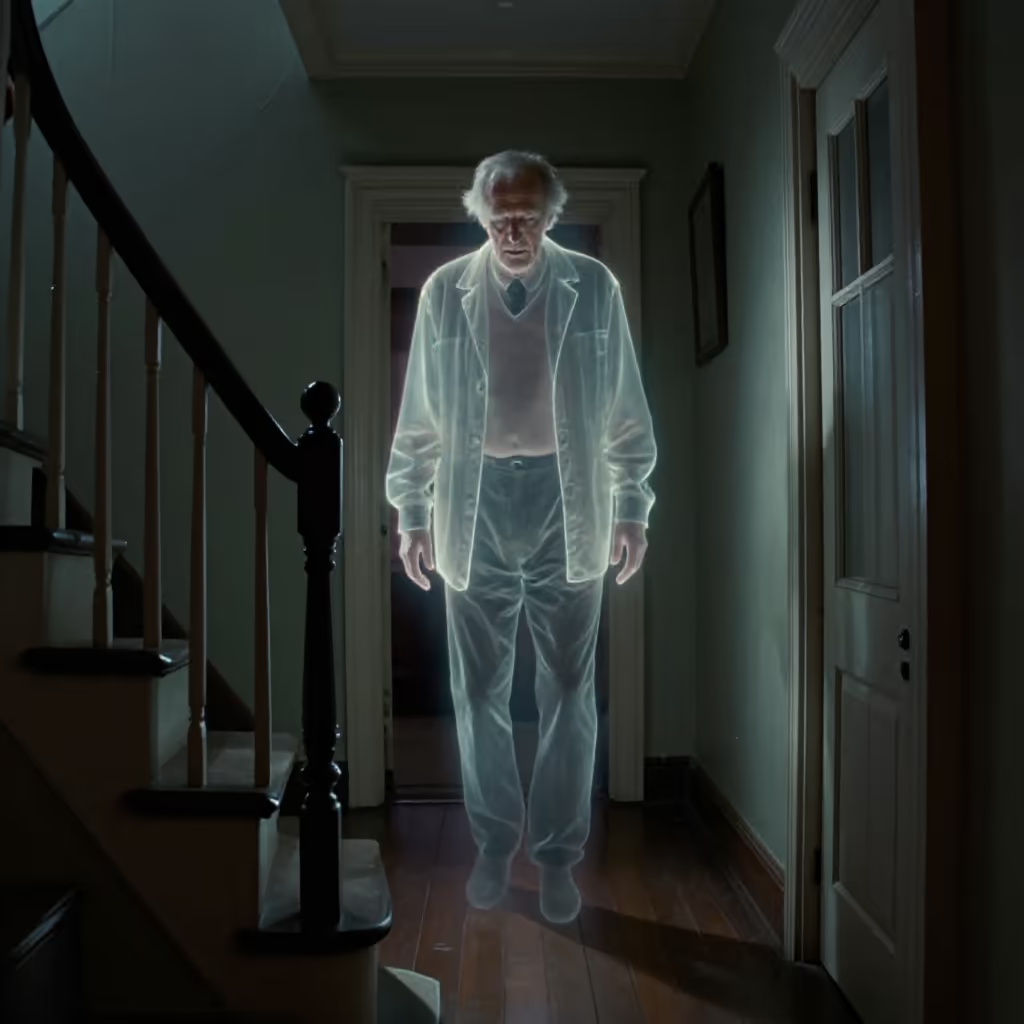
Im Nebel sah der Wanderer kurz ein unheimliches Phantom.
In the fog, the hiker briefly saw an eerie phantom.
Die Bewohner glaubten, dass im alten Haus ein Geist lebte.
The residents believed that a ghost lived in the old house.