

jaulen
ululare
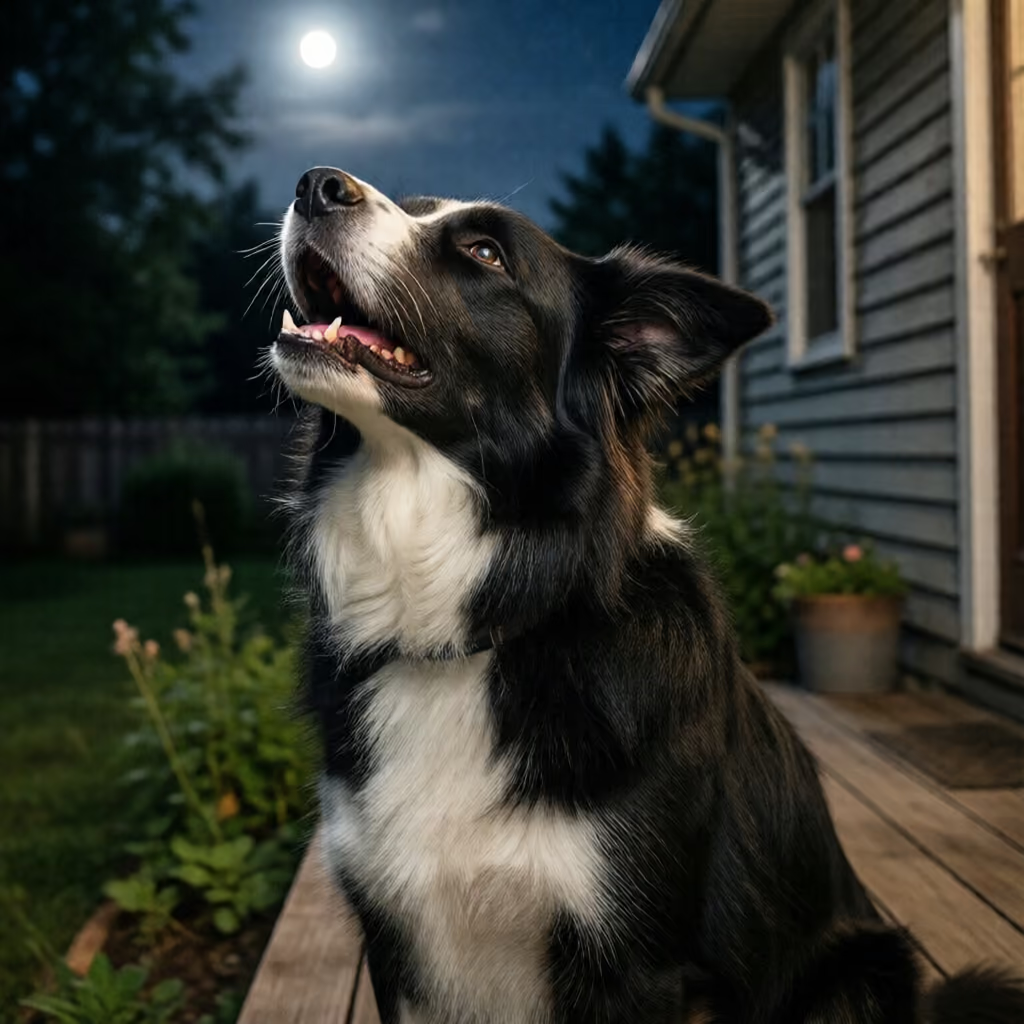
Emettere un verso lungo, lamentoso e di solito forte, soprattutto come un cane o un altro animale.
ESEMPIO
Der Hund jaulte die ganze Nacht.
Il cane ha ululato tutta la notte.
ululare / stridere
jaulen – jaulte – hat gejault
Caricamento dello stato salvato.
ululare
Emettere un verso lungo, lamentoso e di solito forte, soprattutto come un cane o un altro animale.
Der Hund jaulte die ganze Nacht.
Il cane ha ululato tutta la notte.
stridere
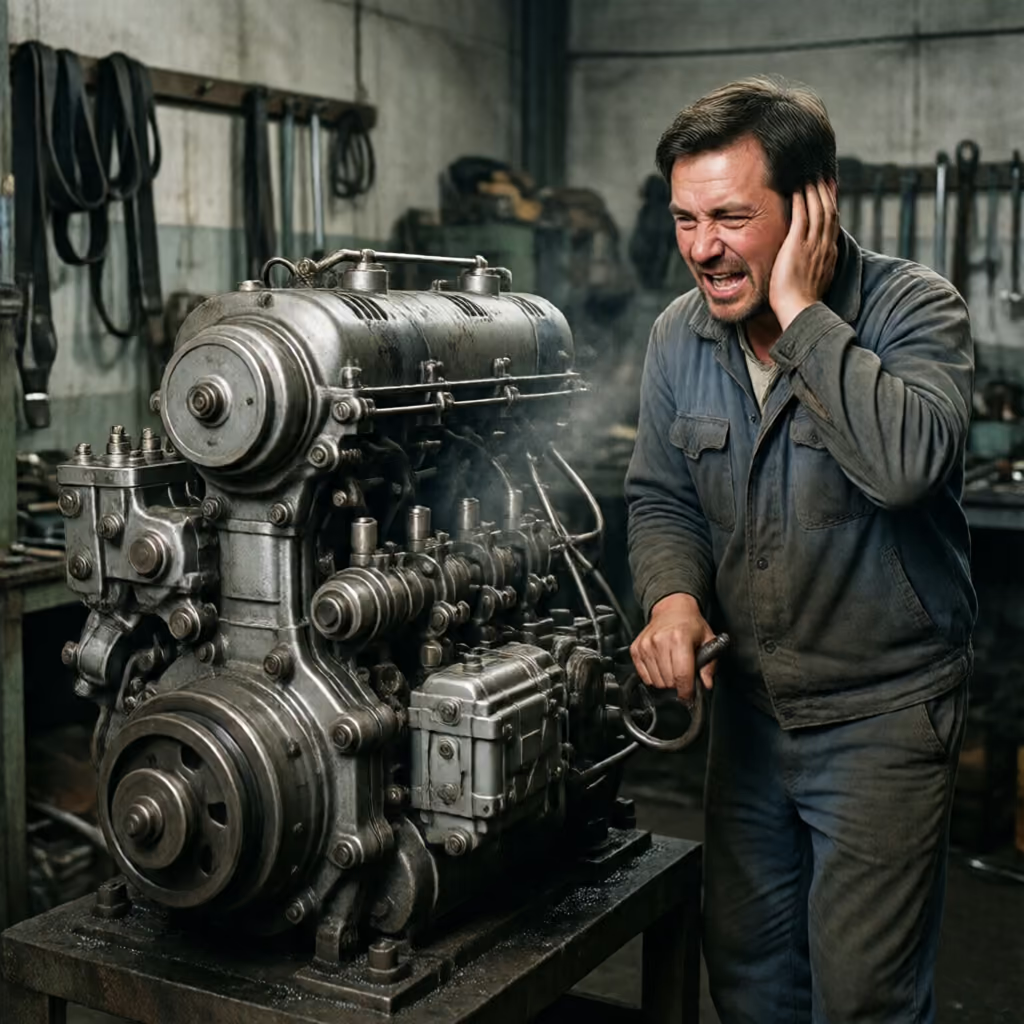
Produrre un rumore prolungato, acuto e sgradevole, per esempio come un motore o il vento.
Der alte Motor jaulte bei jeder Beschleunigung.
Il vecchio motore stridette a ogni accelerazione.
| ich | jaule |
|---|---|
| du | jaulst |
| er/sie/es | jault |
| wir | jaulen |
| ihr | jault |
| sie | jaulen |
| ich | jaulte |
|---|---|
| du | jaultest |
| er/sie/es | jaulte |
| wir | jaulten |
| ihr | jaultet |
| sie | jaulten |
| ich | habe gejault |
|---|---|
| du | hast gejault |
| er/sie/es | hat gejault |
| wir | haben gejault |
| ihr | habt gejault |
| sie | haben gejault |
| du | jaule! jaul! |
|---|---|
| ihr | jault! |
| Sie | jaulen Sie! |
| ich | hatte gejault |
|---|---|
| du | hattest gejault |
| er/sie/es | hatte gejault |
| wir | hatten gejault |
| ihr | hattet gejault |
| sie | hatten gejault |
| ich | werde jaulen |
|---|---|
| du | wirst jaulen |
| er/sie/es | wird jaulen |
| wir | werden jaulen |
| ihr | werdet jaulen |
| sie | werden jaulen |
| ich | jaule |
|---|---|
| du | jaulest |
| er/sie/es | jaule |
| wir | jaulen |
| ihr | jaulet |
| sie | jaulen |
Si usa per il discorso indiretto.
| ich | jaulte |
|---|---|
| du | jaultest |
| er/sie/es | jaulte |
| wir | jaulten |
| ihr | jaultet |
| sie | jaulten |
Si usa per i desideri e per il “würde”.
| infinito | jaulen |
|---|---|
| con zu | zu jaulen |
| Partizip I | jaulend |
| Partizip II | gejault |
Riferito agli animali, «jaulen» (ululare) viene spesso usato senza un oggetto in Akkusativ. Le aggiunte tipiche indicano il motivo o il modo in cui viene prodotto il verso, per esempio «vor Schmerzen jaulen» (ululare per il dolore) o «laut jaulen» (ululare forte); l’animale stesso è il soggetto.
Der verletzte Hund jaulte vor Schmerzen.
Il cane ferito ululava per il dolore.
In der Ferne jaulte ein Wolf laut.
In lontananza un lupo ululava forte.
In questo significato, apparecchi tecnici e rumori della natura sono soggetti tipici di «jaulen» (stridere). Gli abbinamenti frequenti sono, per esempio, «der Motor jault» (il motore stride), «die Bremsen jaulen» (i freni stridono) e «der Wind jault durch die Straßen» (il vento ulula per le strade).
Die Bremsen jaulten bei jeder Kurve.
I freni stridevano a ogni curva.
In der Nacht jaulte der Wind um das Haus.
Di notte il vento ululava intorno alla casa.
piangere / ululare
Per il rumore forte e acuto di un motore sono possibili sia «heulen» (ululare) sia «jaulen» (stridere). «Heulen» descrive il suono prolungato in modo più generico. «Jaulen» sottolinea spesso che il suono è stridulo e sgradevole e che il motore sembra sforzarsi o essere sotto pressione.

Beim Beschleunigen jaulte der Motor schrill und gequält.
Durante l’accelerazione, il motore stridette in modo acuto e forzato.
Beim Beschleunigen heulte der Motor laut und anhaltend.
Durante l’accelerazione, il motore ululò forte e a lungo.