

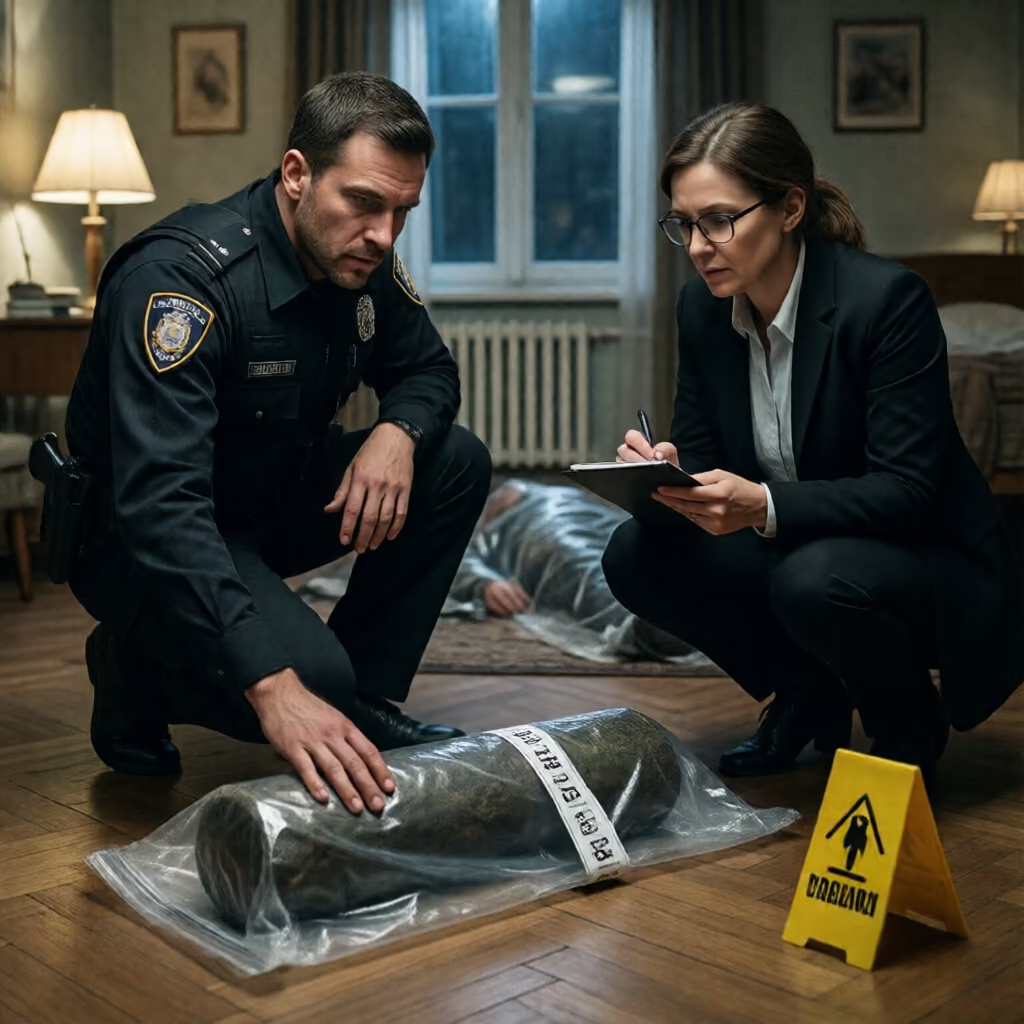
totschlagen
a omorî în bătaie
A omorî o persoană sau un animal lovindu-l.
EXEMPLU
Der Täter schlug den Mann mit einem schweren Gegenstand tot.
Făptașul l-a omorât în bătaie pe bărbat, folosind un obiect greu.
a omorî în bătaie / a-și omorî timpul
totschlagen – schlug tot – hat totgeschlagen
Se încarcă starea ta salvată.
a omorî în bătaie
A omorî o persoană sau un animal lovindu-l.
Der Täter schlug den Mann mit einem schweren Gegenstand tot.
Făptașul l-a omorât în bătaie pe bărbat, folosind un obiect greu.

a-și omorî timpul
A petrece timpul făcând ceva, de obicei fără un scop precis sau un folos deosebit.
Wir spielten Karten, um die lange Wartezeit totzuschlagen.
Am jucat cărți ca să ne omorâm timpul cât am așteptat.
| ich | schlage tot |
|---|---|
| du | schlägst tot |
| er/sie/es | schlägt tot |
| wir | schlagen tot |
| ihr | schlagt tot |
| sie | schlagen tot |
| ich | schlug tot |
|---|---|
| du | schlugst tot |
| er/sie/es | schlug tot |
| wir | schlugen tot |
| ihr | schlugt tot |
| sie | schlugen tot |
| ich | habe totgeschlagen |
|---|---|
| du | hast totgeschlagen |
| er/sie/es | hat totgeschlagen |
| wir | haben totgeschlagen |
| ihr | habt totgeschlagen |
| sie | haben totgeschlagen |
| du | schlag tot! schlage tot! |
|---|---|
| ihr | schlagt tot! |
| Sie | schlagen Sie tot! |
| ich | hatte totgeschlagen |
|---|---|
| du | hattest totgeschlagen |
| er/sie/es | hatte totgeschlagen |
| wir | hatten totgeschlagen |
| ihr | hattet totgeschlagen |
| sie | hatten totgeschlagen |
| ich | werde totschlagen |
|---|---|
| du | wirst totschlagen |
| er/sie/es | wird totschlagen |
| wir | werden totschlagen |
| ihr | werdet totschlagen |
| sie | werden totschlagen |
| ich | schlage tot |
|---|---|
| du | schlagest tot |
| er/sie/es | schlage tot |
| wir | schlagen tot |
| ihr | schlaget tot |
| sie | schlagen tot |
Se folosește pentru vorbirea indirectă.
| ich | schlüge tot |
|---|---|
| du | schlügest tot schlügst tot |
| er/sie/es | schlüge tot |
| wir | schlügen tot |
| ihr | schlüget tot schlügt tot |
| sie | schlügen tot |
Se folosește pentru dorințe și pentru construcțiile cu „würde”.
| infinitiv | totschlagen |
|---|---|
| cu zu | totzuschlagen |
| Partizip I | totschlagend |
| Partizip II | totgeschlagen |
„Totschlagen” (a omorî în bătaie / a-și omorî timpul) este format din adjectivul „tot” (mort) și verbul „schlagen” (a lovi). Combinația se referă inițial la omorârea unei persoane sau a unui animal prin lovituri; în sens figurat, poate însemna și a petrece timpul.
Der Hund wurde auf grausame Weise totgeschlagen.
Câinele a fost omorât în bătaie cu cruzime.
„Totschlagen” (a omorî în bătaie / a-și omorî timpul) este un verb separabil: în propoziția principală, „tot” stă la sfârșitul propoziției, iar în propoziția subordonată verbul rămâne împreună. La infinitivul cu „zu” (să), „zu” se află între „tot” și „schlagen”.
Er schlug den Angreifer tot.
L-a omorât în bătaie pe atacator.
Die Polizei ermittelt, weil er den Mann totschlug.
Poliția anchetează pentru că l-a omorât în bătaie pe bărbat.
Sie hatte nie die Absicht, den Einbrecher totzuschlagen.
Ea nu a avut niciodată intenția să-l omoare în bătaie pe spărgător.
În sensul figurat, „totschlagen” (a-și omorî timpul) se folosește de obicei în combinația „die Zeit totschlagen” (a-și omorî timpul) sau „sich die Zeit totschlagen” (a-și omorî timpul). Aici, „die Zeit” (timpul) este obiectul în Akkusativ; adesea urmează detalii despre activitatea cu care este petrecut timpul.
Wir schlugen uns die Zeit mit einem Brettspiel tot.
Ne-am omorât timpul cu un joc de societate.