


berufstätig
lavoratore
Si dice di una persona che svolge un lavoro retribuito o esercita una professione e provvede così al proprio sostentamento.
ESEMPIO
Beide Elternteile sind voll berufstätig.
Entrambi i genitori lavorano a tempo pieno.
lavoratore
Caricamento dello stato salvato.
lavoratore
Si dice di una persona che svolge un lavoro retribuito o esercita una professione e provvede così al proprio sostentamento.
Beide Elternteile sind voll berufstätig.
Entrambi i genitori lavorano a tempo pieno.
| forma base | berufstätig |
|---|
| masch. | femm. | neut. | plurale | |
|---|---|---|---|---|
| Nom. | -e | -e | -e | -en |
| Akk. | -en | -e | -e | -en |
| Dat. | -en | -en | -en | -en |
| Gen. | -en | -en | -en | -en |
Aggiungi la desinenza a berufstätig.
| masch. | femm. | neut. | plurale | |
|---|---|---|---|---|
| Nom. | -er | -e | -es | -en |
| Akk. | -en | -e | -es | -en |
| Dat. | -en | -en | -en | -en |
| Gen. | -en | -en | -en | -en |
Aggiungi la desinenza a berufstätig.
| masch. | femm. | neut. | plurale | |
|---|---|---|---|---|
| Nom. | -er | -e | -es | -e |
| Akk. | -en | -e | -es | -e |
| Dat. | -em | -er | -em | -en |
| Gen. | -en | -er | -en | -er |
Aggiungi la desinenza a berufstätig.
La parola è formata da «Beruf» (professione), dalla -s di collegamento e da «tätig» (attivo). Significa quindi letteralmente che qualcuno è attivo nella propria professione.
Sie ist seit über 20 Jahren als Ärztin berufstätig.
Lavora come medico da più di vent'anni.
«Berufstätig» (occupato) si usa quasi sempre come aggettivo predicativo con il verbo «sein» (essere). Si dice quindi «jemand ist berufstätig» (qualcuno lavora).
Obwohl sie schon 70 ist, ist sie immer noch berufstätig.
Anche se ha già settant'anni, lavora ancora.
L'entità del lavoro viene spesso specificata più precisamente con avverbi come «voll» (a tempo pieno) o «teilzeit» (a tempo parziale). Le combinazioni tipiche sono «voll berufstätig» (lavorare a tempo pieno) e «teilzeit berufstätig» (lavorare a tempo parziale).
Viele Mütter möchten nach der Geburt ihres Kindes nur teilzeit berufstätig sein.
Dopo la nascita del figlio, molte madri vogliono lavorare solo a tempo parziale.
lavoratore
Entrambe le parole possono descrivere una persona che lavora. «Arbeitend» (lavoratore) è più generico e può riferirsi anche all'attività svolta in quel momento o a un altro tipo di lavoro. «Berufstätig» (lavoratore) si riferisce invece esplicitamente a un lavoro retribuito o a una professione. Usa «berufstätig» (lavoratore) quando si parla della condizione lavorativa e «arbeitend» (lavoratore) per l'attività svolta in quel momento.
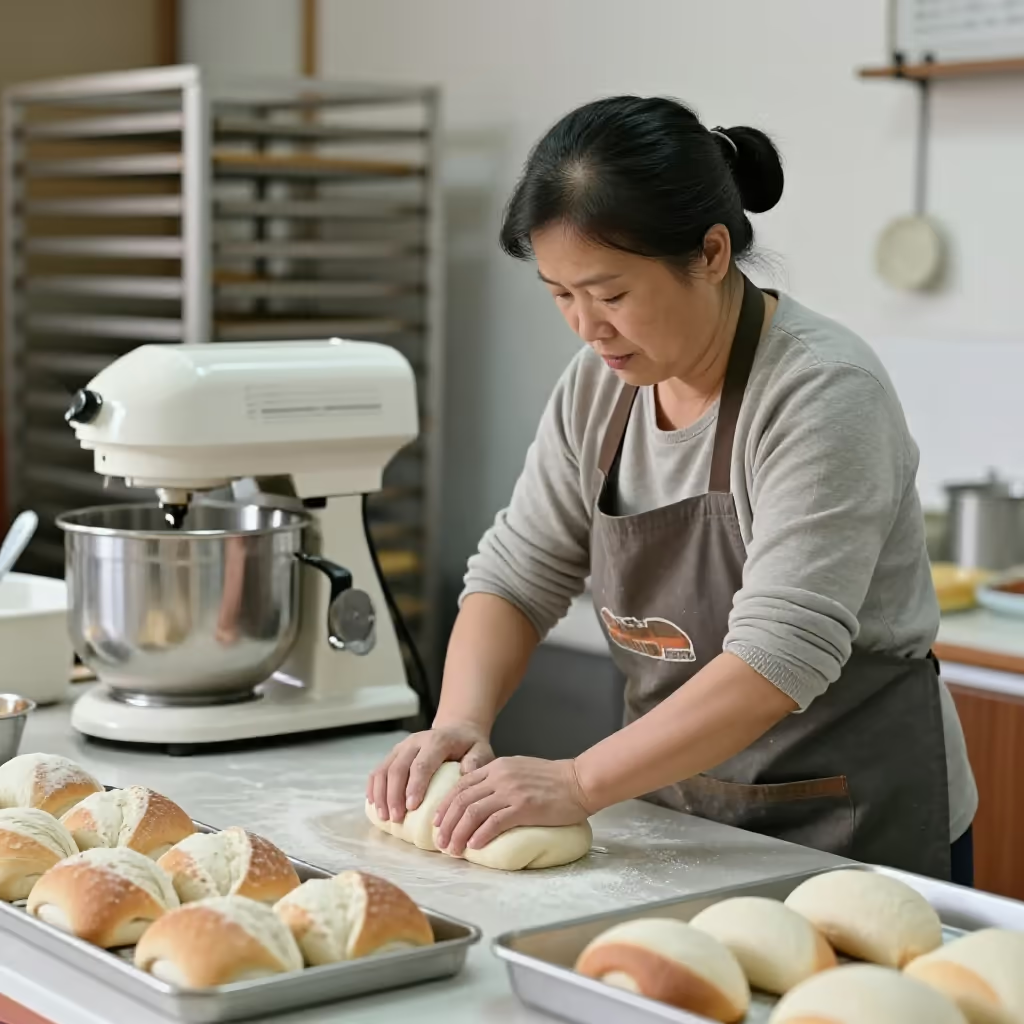
Die berufstätige Studentin verdient mit ihrer Arbeit ihren Lebensunterhalt.
La studentessa che lavora si guadagna da vivere con il suo lavoro.
Die arbeitende Studentin beantwortet gerade E-Mails in der Bibliothek.
La studentessa che sta lavorando sta rispondendo alle e-mail in biblioteca.