


ballern
atirar
Uso coloquial para atirar de modo barulhento e muitas vezes repetido com uma arma de fogo.
EXEMPLO
In dem Actionfilm ballern die Helden ohne Unterbrechung.
No filme de ação, os heróis atiram sem parar.
atirar
ballern – ballerte – hat geballert
Carregando seu estado salvo.
atirar
Uso coloquial para atirar de modo barulhento e muitas vezes repetido com uma arma de fogo.
In dem Actionfilm ballern die Helden ohne Unterbrechung.
No filme de ação, os heróis atiram sem parar.
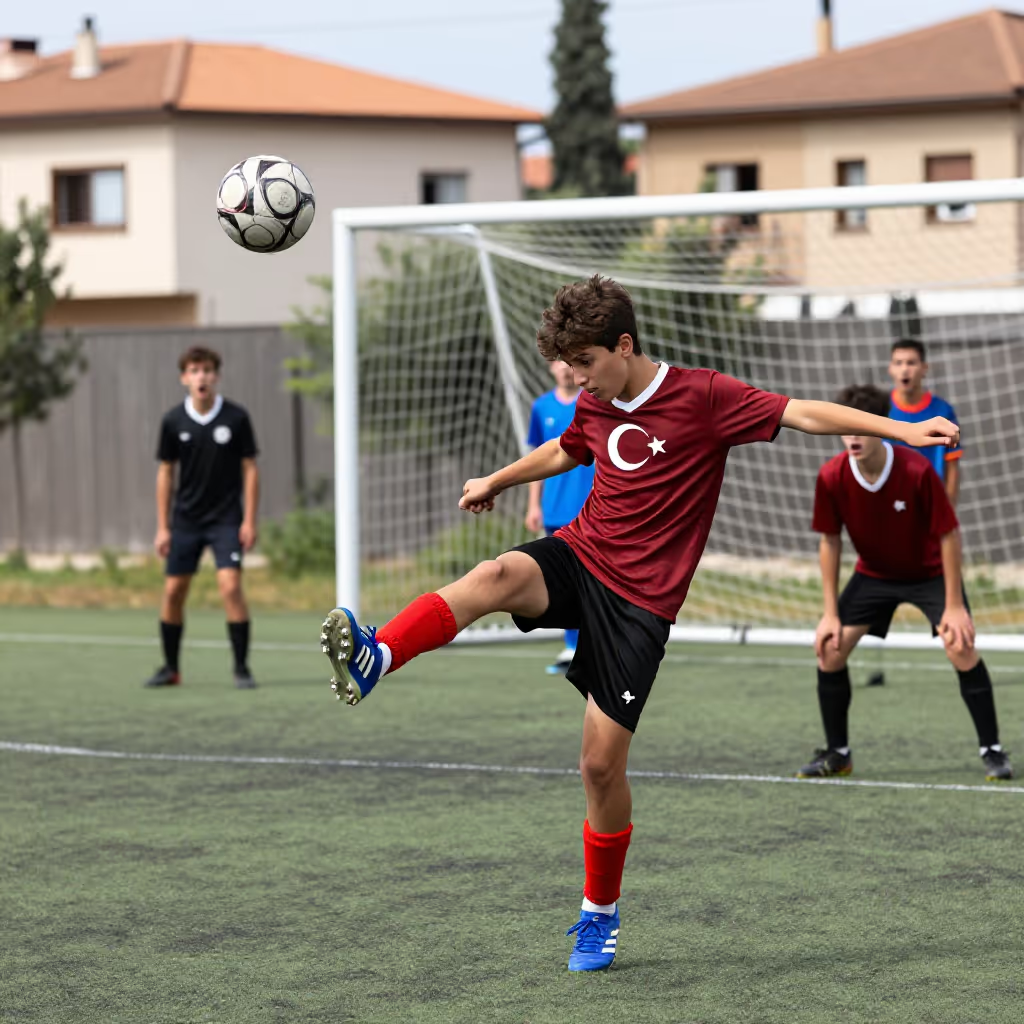
chutar
Uso coloquial para chutar ou bater na bola com força e muitas vezes sem controle, especialmente no futebol.
Anstatt zu passen, hat er den Ball einfach aufs Tor geballert.
Em vez de passar, ele simplesmente chutou a bola para o gol.
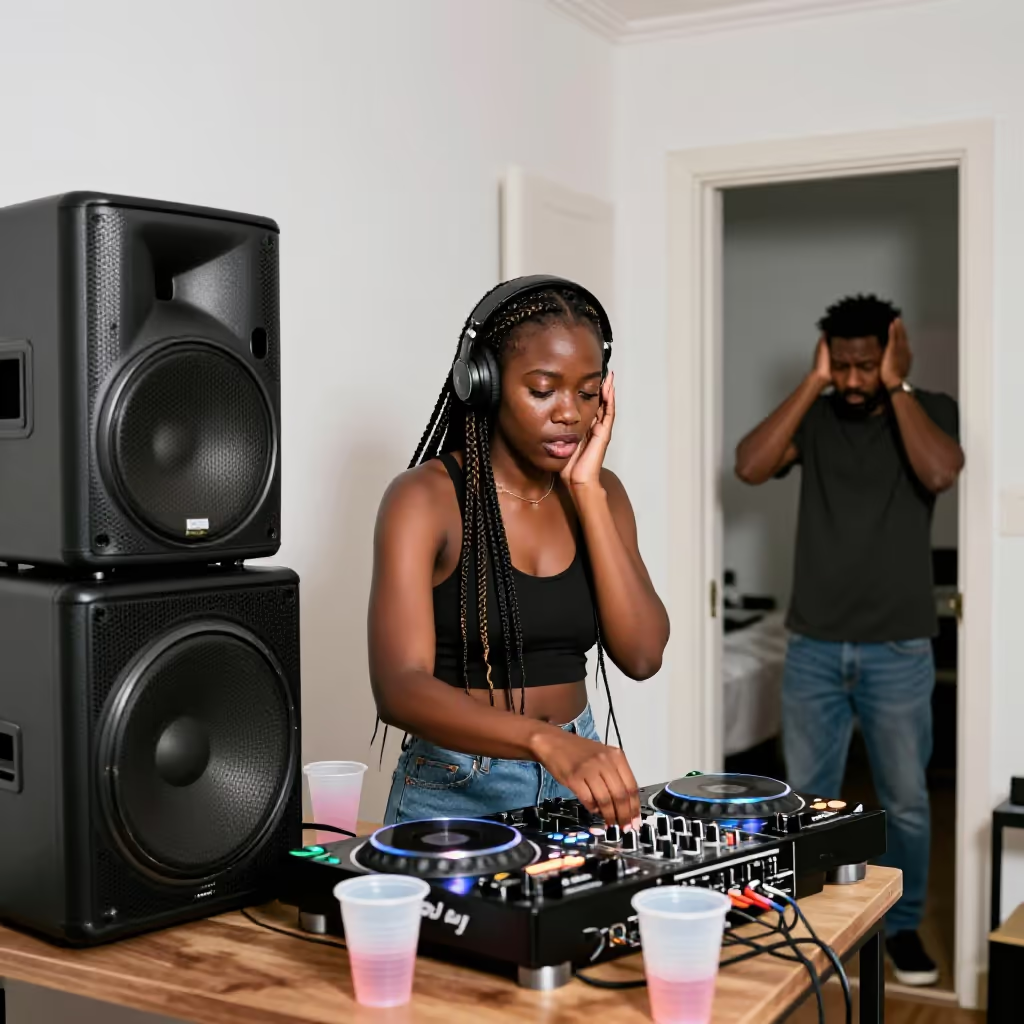
estourar
Uso coloquial para produzir um som alto, retumbante ou estrondoso, muitas vezes relacionado à música.
Die Musik aus der Nachbarwohnung ballert durch die ganze Wand.
A música do apartamento vizinho estoura através da parede inteira.

encher a cara
Gíria de jovens para o consumo excessivo de álcool ou drogas.
Am Wochenende haben sie sich auf der Party richtig einen geballert.
No fim de semana, eles encheram a cara na festa.
| ich | ballere ballre |
|---|---|
| du | ballerst |
| er/sie/es | ballert |
| wir | ballern |
| ihr | ballert |
| sie | ballern |
| ich | ballerte |
|---|---|
| du | ballertest |
| er/sie/es | ballerte |
| wir | ballerten |
| ihr | ballertet |
| sie | ballerten |
| ich | habe geballert |
|---|---|
| du | hast geballert |
| er/sie/es | hat geballert |
| wir | haben geballert |
| ihr | habt geballert |
| sie | haben geballert |
| du | ballere! baller!, ballre! |
|---|---|
| ihr | ballert! |
| Sie | ballern Sie! |
| ich | hatte geballert |
|---|---|
| du | hattest geballert |
| er/sie/es | hatte geballert |
| wir | hatten geballert |
| ihr | hattet geballert |
| sie | hatten geballert |
| ich | werde ballern |
|---|---|
| du | wirst ballern |
| er/sie/es | wird ballern |
| wir | werden ballern |
| ihr | werdet ballern |
| sie | werden ballern |
| ich | ballere ballre |
|---|---|
| du | ballerst |
| er/sie/es | ballere ballre |
| wir | ballern |
| ihr | ballert |
| sie | ballern |
Usado no discurso indireto.
| ich | ballerte |
|---|---|
| du | ballertest |
| er/sie/es | ballerte |
| wir | ballerten |
| ihr | ballertet |
| sie | ballerten |
Usado para desejos e para “würde”.
| infinitivo | ballern |
|---|---|
| com zu | zu ballern |
| Partizip I | ballernd |
| Partizip II | geballert |
“Ballern” (atirar, chutar ou estourar) é uma palavra muito coloquial em todos os seus sentidos. Use-a em conversas informais com amigos, mas não em contextos formais ou escritos.
Der Stürmer hat den Ball einfach reingeballert.
O atacante simplesmente chutou a bola para dentro.
Você reconhece o significado de “ballern” (atirar, chutar ou estourar) pelo contexto. Se o assunto são armas, significa atirar. Se o assunto é esporte, significa dar um chute forte. Se o assunto é música, significa que ela está muito alta.
Im neuen Actionfilm wird wieder viel geballert.
No novo filme de ação, há muitos tiros novamente.
Die Bässe aus dem Auto haben richtig geballert.
Os graves do carro estavam estourando mesmo.
Especialmente no futebol, “ballern” (chutar) é usado para indicar um chute forte, muitas vezes não muito preciso. As formulações típicas são “den Ball aufs Tor ballern” (chutar a bola para o gol) ou “den Ball ins Netz ballern” (chutar a bola para dentro da rede).
Er hat den Ball aus 30 Metern Entfernung ins Tor geballert.
Ele chutou a bola para o gol de uma distância de 30 metros.
No sentido de consumo excessivo, usado na linguagem dos jovens, são frequentes as expressões fixas “sich einen ballern” (encher a cara) ou “sich die Lichter ausballern” (encher muito a cara). Elas descrevem um consumo intenso de álcool ou drogas.
Sie waren auf einer Party und haben sich ordentlich einen geballert.
Eles estavam em uma festa e encheram bastante a cara.
atirar
“Schießen” (atirar) é o termo neutro para disparar uma arma. “Ballern” (atirar) é coloquial e geralmente destaca que os tiros são barulhentos ou que vários tiros são disparados. Para o processo em geral, “schießen” é adequado; quando se destaca o barulho ou a repetição, “ballern” pode ser adequado.
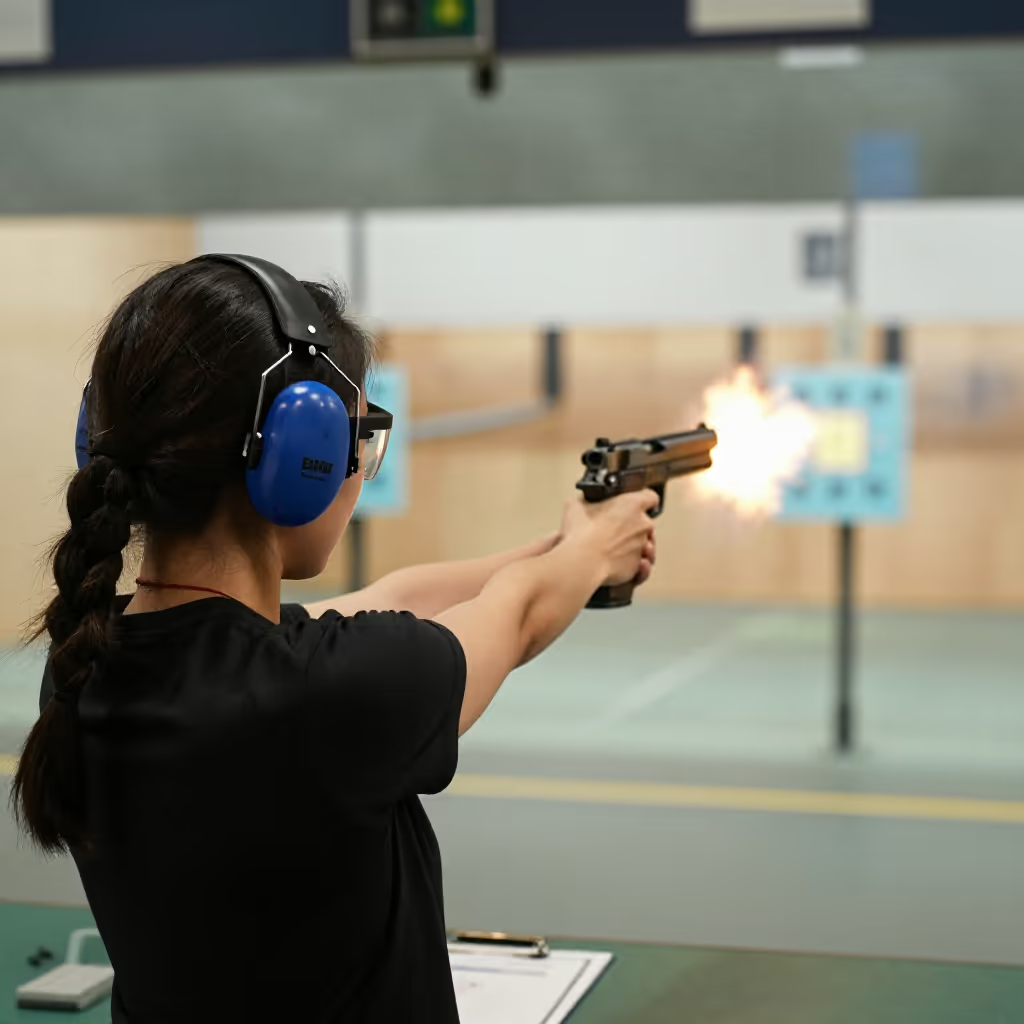
Auf demselben Schießstand ballert Tom laut und mehrfach auf die Scheibe.
No mesmo estande de tiro, Tom atira várias vezes e fazendo muito barulho no alvo.
Auf dem Schießstand schießt Tom einmal gezielt auf die Scheibe.
No estande de tiro, Tom dá um único tiro certeiro no alvo.