

stationieren
estacionar
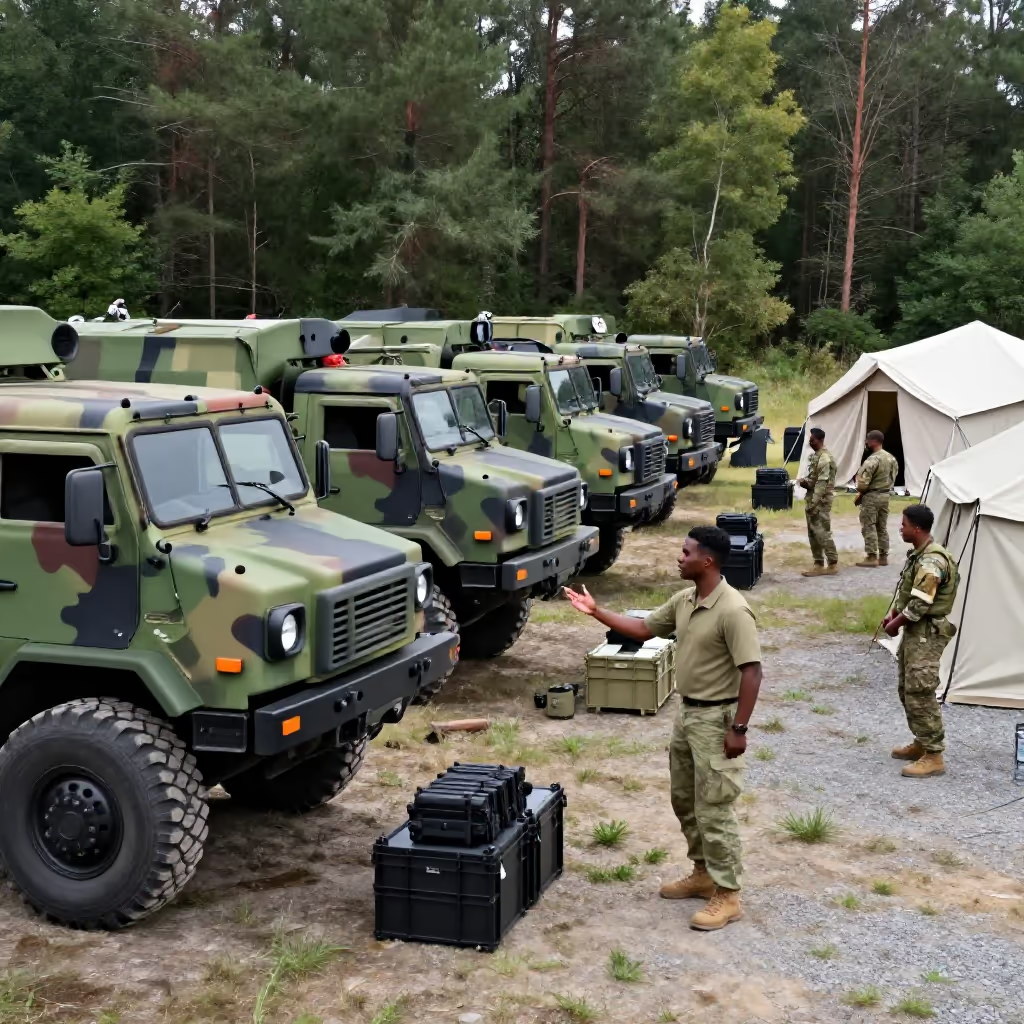
Alojar unidades militares o equipos en un lugar determinado durante cierto tiempo.
EJEMPLO
Die NATO hat zusätzliche Truppen an der Ostflanke stationiert.
La OTAN ha estacionado tropas adicionales en el flanco oriental.
estacionar
stationieren – stationierte – hat stationiert
Cargando el estado guardado.
estacionar
Alojar unidades militares o equipos en un lugar determinado durante cierto tiempo.
Die NATO hat zusätzliche Truppen an der Ostflanke stationiert.
La OTAN ha estacionado tropas adicionales en el flanco oriental.
estacionar
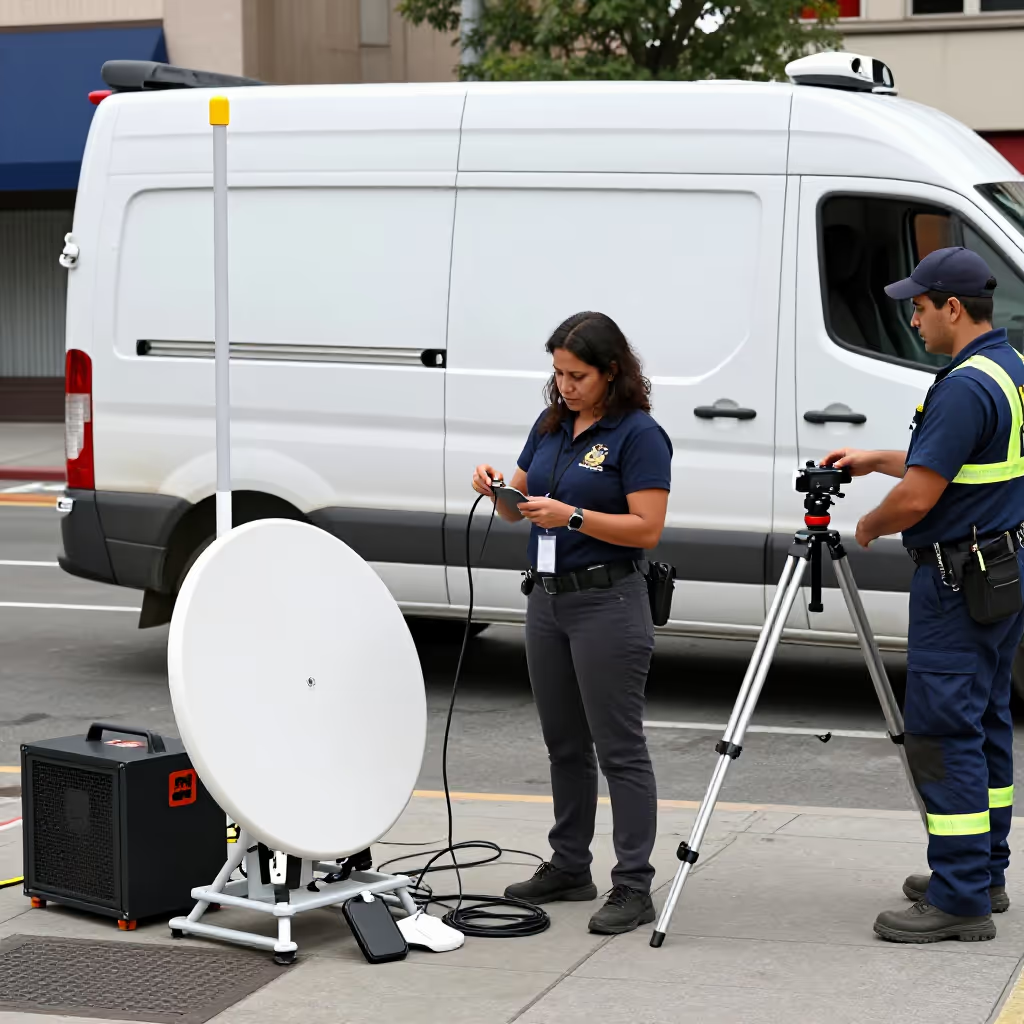
Colocar personal o equipos técnicos en un lugar determinado para una operación o una tarea.
Für das Festival wurden an allen wichtigen Punkten Sanitäter stationiert.
Para el festival se estacionaron paramédicos en todos los puntos importantes.
| ich | stationiere |
|---|---|
| du | stationierst |
| er/sie/es | stationiert |
| wir | stationieren |
| ihr | stationiert |
| sie | stationieren |
| ich | stationierte |
|---|---|
| du | stationiertest |
| er/sie/es | stationierte |
| wir | stationierten |
| ihr | stationiertet |
| sie | stationierten |
| ich | habe stationiert |
|---|---|
| du | hast stationiert |
| er/sie/es | hat stationiert |
| wir | haben stationiert |
| ihr | habt stationiert |
| sie | haben stationiert |
| du | stationiere! stationier! |
|---|---|
| ihr | stationiert! |
| Sie | stationieren Sie! |
| ich | hatte stationiert |
|---|---|
| du | hattest stationiert |
| er/sie/es | hatte stationiert |
| wir | hatten stationiert |
| ihr | hattet stationiert |
| sie | hatten stationiert |
| ich | werde stationieren |
|---|---|
| du | wirst stationieren |
| er/sie/es | wird stationieren |
| wir | werden stationieren |
| ihr | werdet stationieren |
| sie | werden stationieren |
| ich | stationiere |
|---|---|
| du | stationierest |
| er/sie/es | stationiere |
| wir | stationieren |
| ihr | stationieret |
| sie | stationieren |
Se usa en el estilo indirecto.
| ich | stationierte |
|---|---|
| du | stationiertest |
| er/sie/es | stationierte |
| wir | stationierten |
| ihr | stationiertet |
| sie | stationierten |
Se usa para deseos y para “würde”.
| infinitivo | stationieren |
|---|---|
| con zu | zu stationieren |
| participio presente | stationierend |
| participio pasado | stationiert |
El verbo «stationieren» (estacionar) deriva del sustantivo «die Station» (la estación). La terminación «-ieren» forma un verbo con el significado de «an einer Station oder einem Ort platzieren» (colocar en una estación o en un lugar).
Die Hilfsorganisation stationierte ihre Teams in der Krisenregion.
La organización de ayuda estacionó a sus equipos en la región en crisis.
Este verbo se usa muy frecuentemente en pasiva («werden + Partizip II»). El foco está entonces en quién o qué es estacionado, no en quién realiza la acción.
An der Grenze wurden zusätzliche Polizisten stationiert.
En la frontera fueron estacionados policías adicionales.
Die Rettungshubschrauber sind in den Bergen stationiert.
Los helicópteros de rescate están estacionados en las montañas.
Los objetos habituales de «stationieren» (estacionar) son unidades militares como «Truppen» (tropas) o «Soldaten» (soldados), pero también personal civil como «Mitarbeiter» (empleados), «Experten» (expertos) o «Sanitäter» (paramédicos).
Das Unternehmen stationiert seine besten Ingenieure im neuen Werk.
La empresa está estacionando a sus mejores ingenieros en la nueva planta.
«Stationieren» (estacionar) pertenece al lenguaje formal. Se encuentra a menudo en las noticias, en informes oficiales y en contextos militares o logísticos.
Laut dem Bericht wird die Flotte im Pazifik stationiert.
Según el informe, la flota será estacionada en el Pacífico.
insertar / comenzar / emplear
Ambos verbos pueden relacionar personal o aparatos con una tarea. «einsetzen» (emplear) destaca que alguien o algo se utiliza activamente, mientras que «stationieren» (estacionar) pone de relieve la colocación en un lugar y la disponibilidad allí. Si lo importante es la actividad concreta, se suele decir «einsetzen»; si lo importante es el lugar fijo de la asignación, es más adecuado «stationieren».

Die Stadt stationierte zusätzliches Personal dauerhaft an der neuen Beratungsstelle.
La ciudad estacionó permanentemente personal adicional en el nuevo centro de asesoramiento.
Die Stadt setzte zusätzliches Personal für die Betreuung der Flüchtlinge ein.
La ciudad empleó personal adicional para atender a los refugiados.