

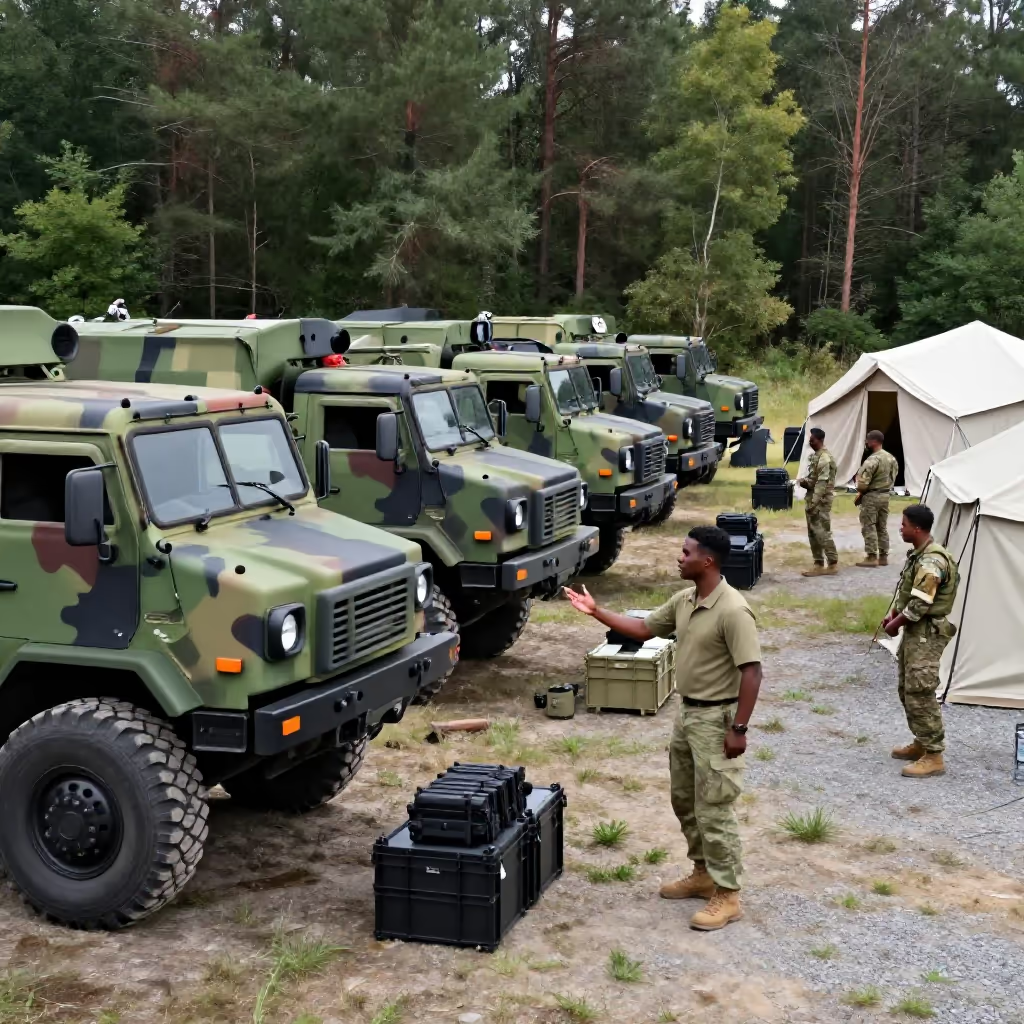
stationieren
dislocare
Sistemare unità militari o attrezzature in un luogo preciso per un certo periodo.
ESEMPIO
Die NATO hat zusätzliche Truppen an der Ostflanke stationiert.
La NATO ha dislocato altre truppe sul fianco orientale.
dislocare
stationieren – stationierte – hat stationiert
Caricamento dello stato salvato.
dislocare
Sistemare unità militari o attrezzature in un luogo preciso per un certo periodo.
Die NATO hat zusätzliche Truppen an der Ostflanke stationiert.
La NATO ha dislocato altre truppe sul fianco orientale.
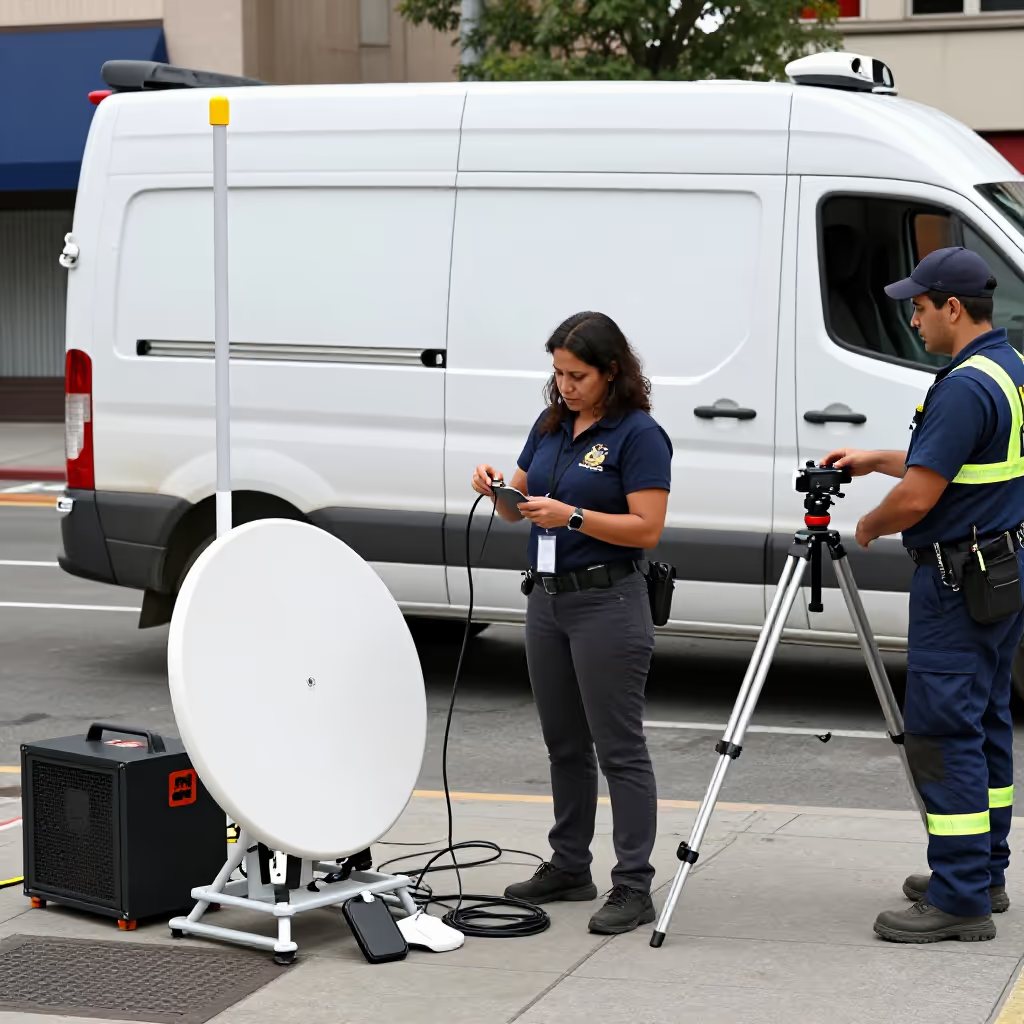
dislocare
Posizionare personale o attrezzature tecniche in un luogo preciso per un intervento o un compito.
Für das Festival wurden an allen wichtigen Punkten Sanitäter stationiert.
Per il festival sono stati dislocati paramedici in tutti i punti strategici.
| ich | stationiere |
|---|---|
| du | stationierst |
| er/sie/es | stationiert |
| wir | stationieren |
| ihr | stationiert |
| sie | stationieren |
| ich | stationierte |
|---|---|
| du | stationiertest |
| er/sie/es | stationierte |
| wir | stationierten |
| ihr | stationiertet |
| sie | stationierten |
| ich | habe stationiert |
|---|---|
| du | hast stationiert |
| er/sie/es | hat stationiert |
| wir | haben stationiert |
| ihr | habt stationiert |
| sie | haben stationiert |
| du | stationiere! stationier! |
|---|---|
| ihr | stationiert! |
| Sie | stationieren Sie! |
| ich | hatte stationiert |
|---|---|
| du | hattest stationiert |
| er/sie/es | hatte stationiert |
| wir | hatten stationiert |
| ihr | hattet stationiert |
| sie | hatten stationiert |
| ich | werde stationieren |
|---|---|
| du | wirst stationieren |
| er/sie/es | wird stationieren |
| wir | werden stationieren |
| ihr | werdet stationieren |
| sie | werden stationieren |
| ich | stationiere |
|---|---|
| du | stationierest |
| er/sie/es | stationiere |
| wir | stationieren |
| ihr | stationieret |
| sie | stationieren |
Si usa per il discorso indiretto.
| ich | stationierte |
|---|---|
| du | stationiertest |
| er/sie/es | stationierte |
| wir | stationierten |
| ihr | stationiertet |
| sie | stationierten |
Si usa per i desideri e per il “würde”.
| infinito | stationieren |
|---|---|
| con zu | zu stationieren |
| Partizip I | stationierend |
| Partizip II | stationiert |
Il verbo «stationieren» (dislocare) deriva dal sostantivo «die Station» (la stazione). La desinenza «-ieren» forma un verbo che significa «an einer Station oder einem Ort platzieren» (collocare in una stazione o in un luogo).
Die Hilfsorganisation stationierte ihre Teams in der Krisenregion.
L’organizzazione umanitaria ha dislocato le sue squadre nella regione in crisi.
Questo verbo si usa molto spesso al passivo («werden» + Partizip II). In questo caso l’attenzione è rivolta a chi o a che cosa viene dislocato, non a chi compie l’azione.
An der Grenze wurden zusätzliche Polizisten stationiert.
Al confine sono stati dislocati altri agenti di polizia.
Die Rettungshubschrauber sind in den Bergen stationiert.
Gli elicotteri di soccorso sono dislocati in montagna.
Gli oggetti tipici di «stationieren» (dislocare) sono unità militari come «Truppen» (truppe) o «Soldaten» (soldati), ma anche personale civile come «Mitarbeiter» (collaboratori), «Experten» (esperti) o «Sanitäter» (soccorritori).
Das Unternehmen stationiert seine besten Ingenieure im neuen Werk.
L’azienda disloca i suoi migliori ingegneri nel nuovo stabilimento.
«Stationieren» (dislocare) appartiene al registro formale. Si trova spesso nelle notizie, nei rapporti ufficiali e in contesti militari o logistici.
Laut dem Bericht wird die Flotte im Pazifik stationiert.
Secondo il rapporto, la flotta sarà dislocata nel Pacifico.
inserire
Entrambi i verbi possono collegare personale o apparecchi a un compito. «einsetzen» (impiegare) sottolinea che qualcuno o qualcosa viene utilizzato attivamente, mentre «stationieren» (dislocare) mette in risalto il posizionamento in un luogo e la disponibilità sul posto. Se l'attenzione è rivolta all'attività concreta, si preferisce «einsetzen»; se è rivolta al luogo fisso in cui avviene l'impiego, è più adatto «stationieren».

Die Stadt stationierte zusätzliches Personal dauerhaft an der neuen Beratungsstelle.
La città dislocò stabilmente altro personale presso il nuovo centro di consulenza.
Die Stadt setzte zusätzliches Personal für die Betreuung der Flüchtlinge ein.
La città impiegò altro personale per assistere i rifugiati.