


wehtun
fare male
Provocare o sentire dolore fisico.
ESEMPIO
Vorsicht, der Topf ist heiß und tut weh, wenn du ihn anfasst!
Attenzione, la pentola è calda e ti fa male se la tocchi!
fare male
wehtun – tat weh – hat wehgetan
Caricamento dello stato salvato.
fare male
Provocare o sentire dolore fisico.
Vorsicht, der Topf ist heiß und tut weh, wenn du ihn anfasst!
Attenzione, la pentola è calda e ti fa male se la tocchi!

ferire
Provocare dolore emotivo o psicologico; ferire i sentimenti di qualcuno.
Deine abfällige Bemerkung hat mir wirklich wehgetan.
La tua osservazione sprezzante mi ha fatto davvero male.
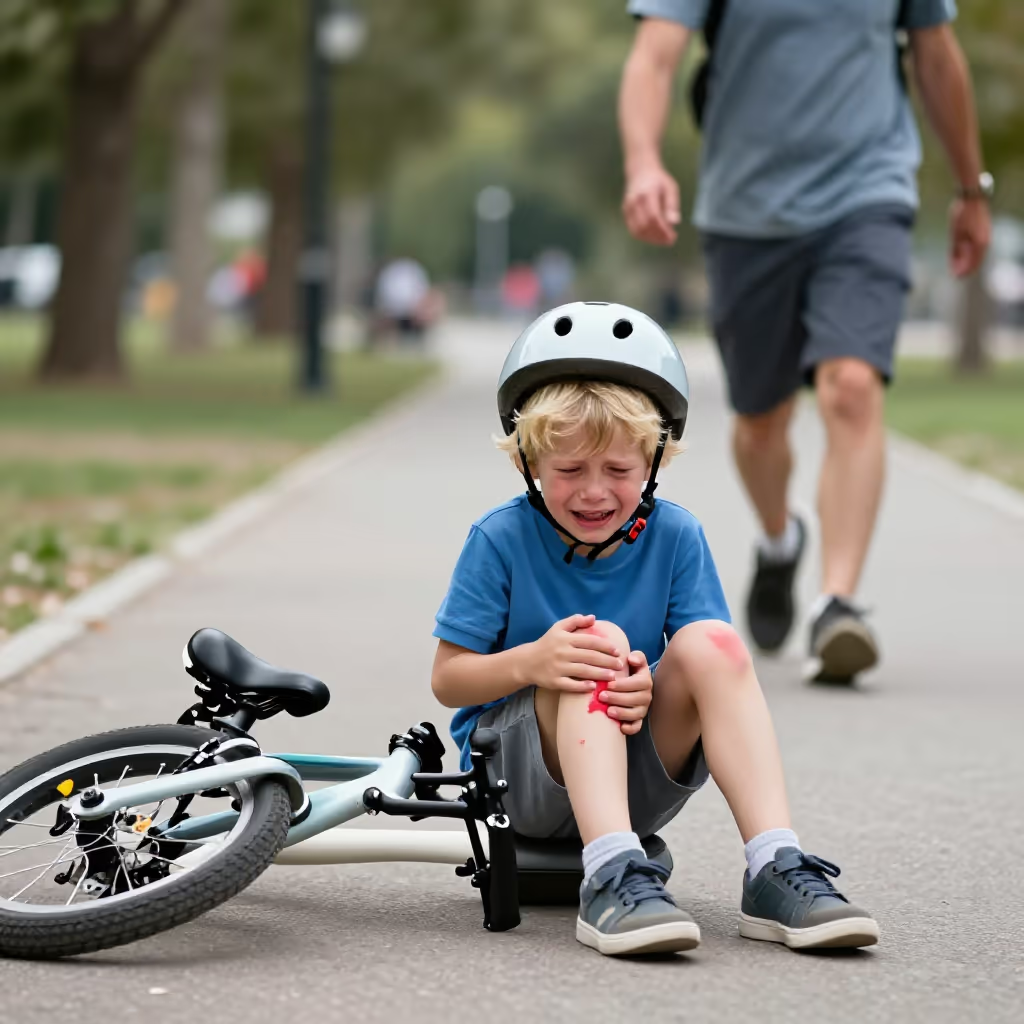
farsi male
Provocarsi una lesione o del dolore fisico, di solito a causa di un incidente.
Pass auf, dass du dir auf dem glatten Boden nicht wehtust.
Fa' attenzione a non farti male sul pavimento scivoloso.
| ich | tue weh |
|---|---|
| du | tust weh |
| er/sie/es | tut weh |
| wir | tun weh |
| ihr | tut weh |
| sie | tun weh |
| ich | tat weh |
|---|---|
| du | tatest weh tatst weh |
| er/sie/es | tat weh |
| wir | taten weh |
| ihr | tatet weh |
| sie | taten weh |
| ich | habe wehgetan |
|---|---|
| du | hast wehgetan |
| er/sie/es | hat wehgetan |
| wir | haben wehgetan |
| ihr | habt wehgetan |
| sie | haben wehgetan |
| du | tu weh! tue weh! |
|---|---|
| ihr | tut weh! |
| Sie | tun Sie weh! |
| ich | hatte wehgetan |
|---|---|
| du | hattest wehgetan |
| er/sie/es | hatte wehgetan |
| wir | hatten wehgetan |
| ihr | hattet wehgetan |
| sie | hatten wehgetan |
| ich | werde wehtun |
|---|---|
| du | wirst wehtun |
| er/sie/es | wird wehtun |
| wir | werden wehtun |
| ihr | werdet wehtun |
| sie | werden wehtun |
| ich | tue weh |
|---|---|
| du | tuest weh |
| er/sie/es | tue weh |
| wir | tuen weh |
| ihr | tuet weh |
| sie | tuen weh |
Si usa per il discorso indiretto.
| ich | täte weh |
|---|---|
| du | tätest weh |
| er/sie/es | täte weh |
| wir | täten weh |
| ihr | tätet weh |
| sie | täten weh |
Si usa per i desideri e per il “würde”.
| infinito | wehtun |
|---|---|
| con zu | wehzutun |
| Partizip I | wehtuend |
| Partizip II | wehgetan |
«Wehtun» (fare male) è un verbo separabile. Nel periodo principale il prefisso «weh» (male) si trova alla fine. Nell'infinito con «zu» (di) si scrive «weh zu tun» (fare male).
Mein Kopf tut schon den ganzen Tag weh.
Mi fa male la testa già da tutto il giorno.
Ich versuche, dir nicht weh zu tun.
Cerco di non farti male.
La persona che sente il dolore è sempre al Dativ. Ciò che provoca il dolore, per esempio una parte del corpo o un'azione, è il soggetto della frase.
Der Zahn tut mir weh.
Mi fa male il dente.
Seine Worte haben ihr sehr wehgetan.
Le sue parole le hanno fatto molto male.
Dal contesto si capisce se si intende un dolore fisico o psicologico. Parti del corpo come «Arm» (braccio) o «Bauch» (pancia) indicano un dolore fisico, mentre sostantivi astratti come «Kritik» (critica) o «Trennung» (separazione) indicano un dolore emotivo.
Nach dem langen Lauf tun meine Beine weh.
Dopo la lunga corsa mi fanno male le gambe.
Es tut weh, wenn gute Freunde wegziehen.
Fa male quando i buoni amici si trasferiscono lontano.
La forma riflessiva «sich wehtun» (farsi male) significa ferirsi. Il pronome riflessivo è all'Akkusativ. Se si indica la parte del corpo ferita, il pronome è al Dativ e la parte del corpo all'Akkusativ.
Das Kind ist hingefallen und hat sich wehgetan.
Il bambino è caduto e si è fatto male.
Ich habe mir beim Sport den Fuß wehgetan.
Facendo sport mi sono fatto male al piede.
ferire
Entrambi i verbi possono riferirsi a disturbi fisici. «Wehtun» (fare male) mette al centro il dolore provato o causato; «verletzen» (ferirsi) significa che si è verificato un danno fisico. Se c'è solo dolore, è adatto «wehtun»; in caso di ferita o danno, è più adatto «verletzen».

Das lange Sitzen auf dem harten Boden tut Lea am Knie weh.
Stare seduta a lungo sul pavimento duro fa male al ginocchio a Lea.
Beim Sturz verletzte sich Lea am Knie, und die Wunde musste verbunden werden.
Cadendo, Lea si è ferita al ginocchio e la ferita ha dovuto essere fasciata.