

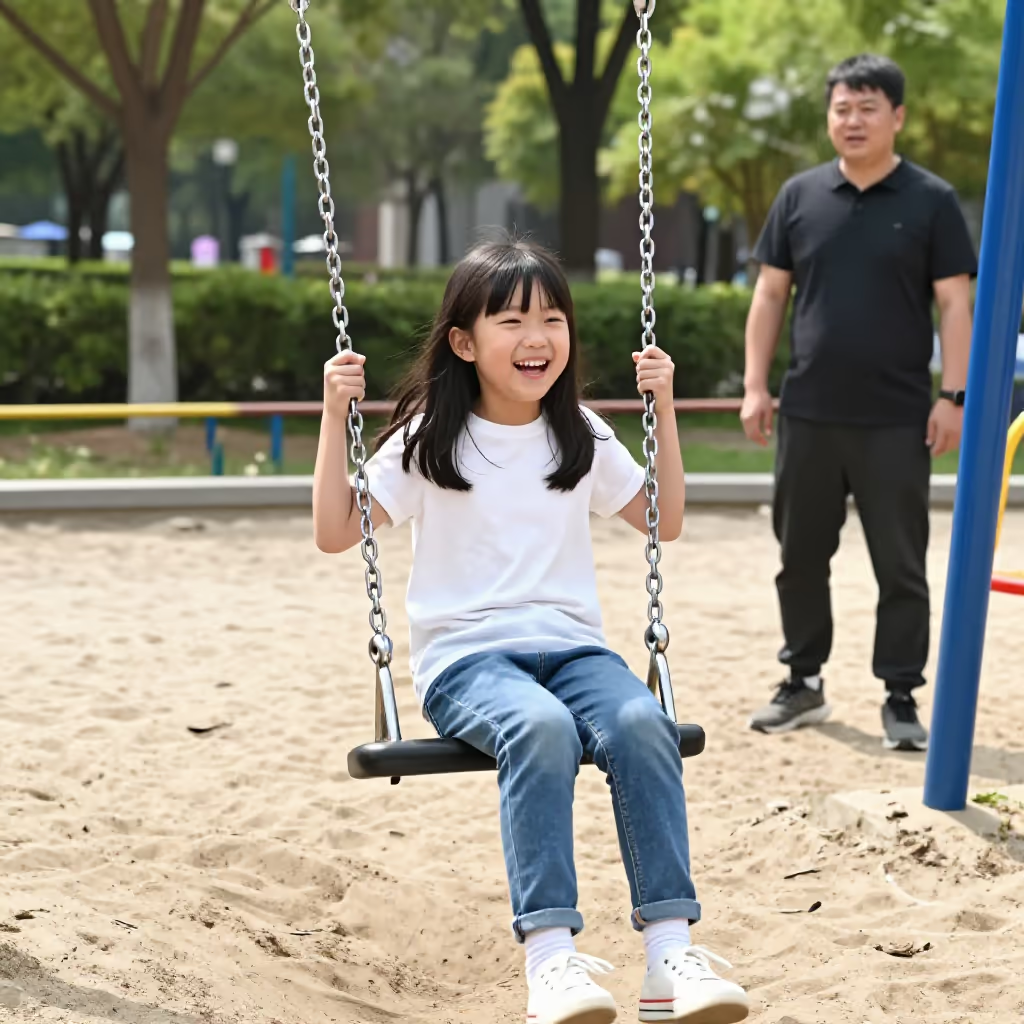
schaukeln
to swing
To move back and forth on a swing.
EXAMPLE
Die Kinder schaukeln begeistert auf dem Spielplatz.
The children are happily swinging on the playground.
to swing / rock
Loading your saved state.
to swing
To move back and forth on a swing.
Die Kinder schaukeln begeistert auf dem Spielplatz.
The children are happily swinging on the playground.
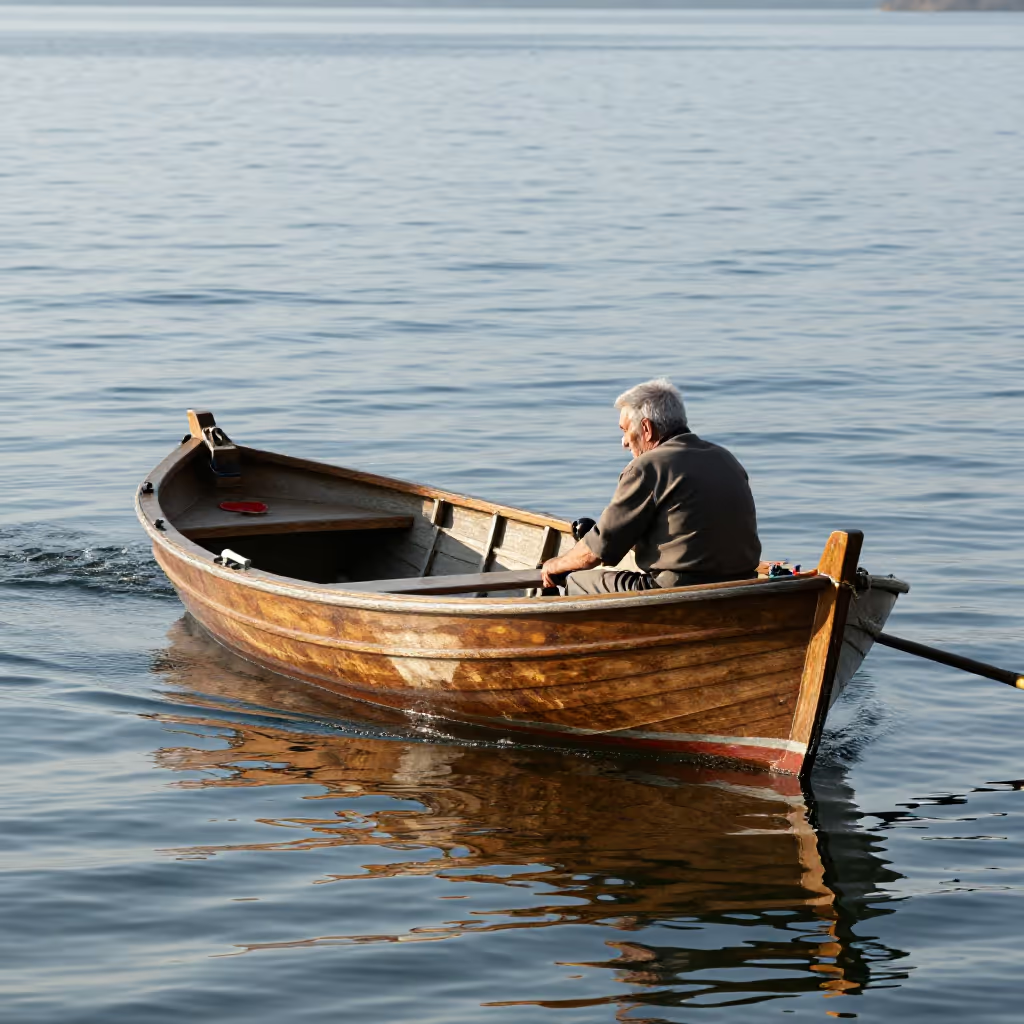
to rock
To move oneself or something gently and rhythmically back and forth, like a boat on the water.
Das kleine Fischerboot schaukelte auf den Wellen.
The small fishing boat rocked on the waves.

to manage it
A colloquial idiom meaning that one will manage a difficult situation or successfully complete a task.
Mach dir keine Sorgen wegen der Präsentation, wir werden das Kind schon schaukeln.
Don't worry about the presentation; we'll manage it.
The verb 'schaukeln' (to swing/rock) is directly connected to the noun 'die Schaukel' (the swing). A 'Schaukel' is the piece of equipment you swing on. If you know one of the words, you can easily work out the other.
Die neue Schaukel im Garten ist toll, die Kinder wollen nur noch schaukeln.
The new swing in the garden is great; the children only want to swing now.
You can tell from the subject whether it refers to people on playground equipment or to a gentle movement. If people, especially children, are the subject, it is usually about a swing. If a boat or ship is the subject, it refers to a rocking motion.
Das Kind schaukelt so hoch es kann.
The child is swinging as high as they can.
In the meaning of 'wiegen' (to rock) or 'schwanken' (to sway), 'schaukeln' (to rock/sway) is often combined with things that are moved by external forces such as water or wind. Typical phrases are 'auf den Wellen schaukeln' (to rock on the waves) or 'im Wind schaukeln' (to sway in the wind).
Die Äste des Baumes schaukelten sanft im Wind.
The branches of the tree swayed gently in the wind.
The colloquial expression 'das Kind schon schaukeln' has nothing to do with children or swings. It means 'das schaffen wir schon' (we'll manage it) or 'das wird schon klappen' (it'll work out) and expresses confidence.
Die Prüfung wird schwer, aber keine Sorge, wir werden das Kind schon schaukeln.
The exam will be difficult, but don't worry, we'll manage it.
to weigh
Wiegen and schaukeln can both refer to a gentle, rhythmic back-and-forth movement. When used for a baby, wiegen usually emphasizes a calm, soothing motion. Schaukeln more often describes a movement like being on a swing, but it can also be gentle.

Der Vater schaukelt das wache Baby vorsichtig auf seinen Knien.
The father carefully rocks the awake baby on his knees.
Der Vater wiegt das müde Baby sanft in seinen Armen.
The father gently rocks the tired baby in his arms.