


stillstehen
stare fermo
Non muoversi e rimanere nello stesso punto.
ESEMPIO
Bitte steh still, während ich das Foto mache.
Per favore, stai fermo mentre ti faccio la foto.
stare fermo / fermarsi / rimanere bloccato / restare immobile
stillstehen – stand still – hat stillgestanden
Caricamento dello stato salvato.
stare fermo
Non muoversi e rimanere nello stesso punto.
Bitte steh still, während ich das Foto mache.
Per favore, stai fermo mentre ti faccio la foto.
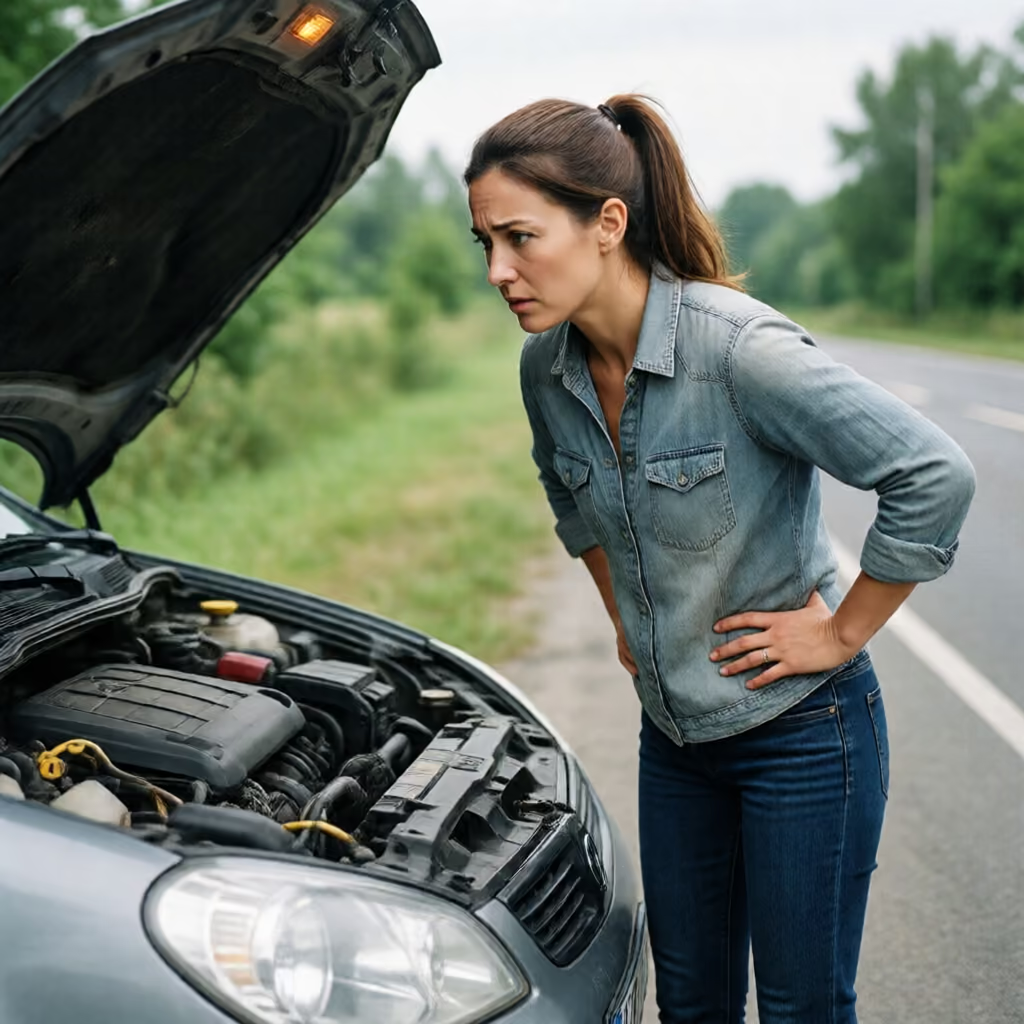
fermarsi
Smettere di funzionare o non essere più in funzione.
Der Motor steht plötzlich still.
Il motore si ferma all'improvviso.
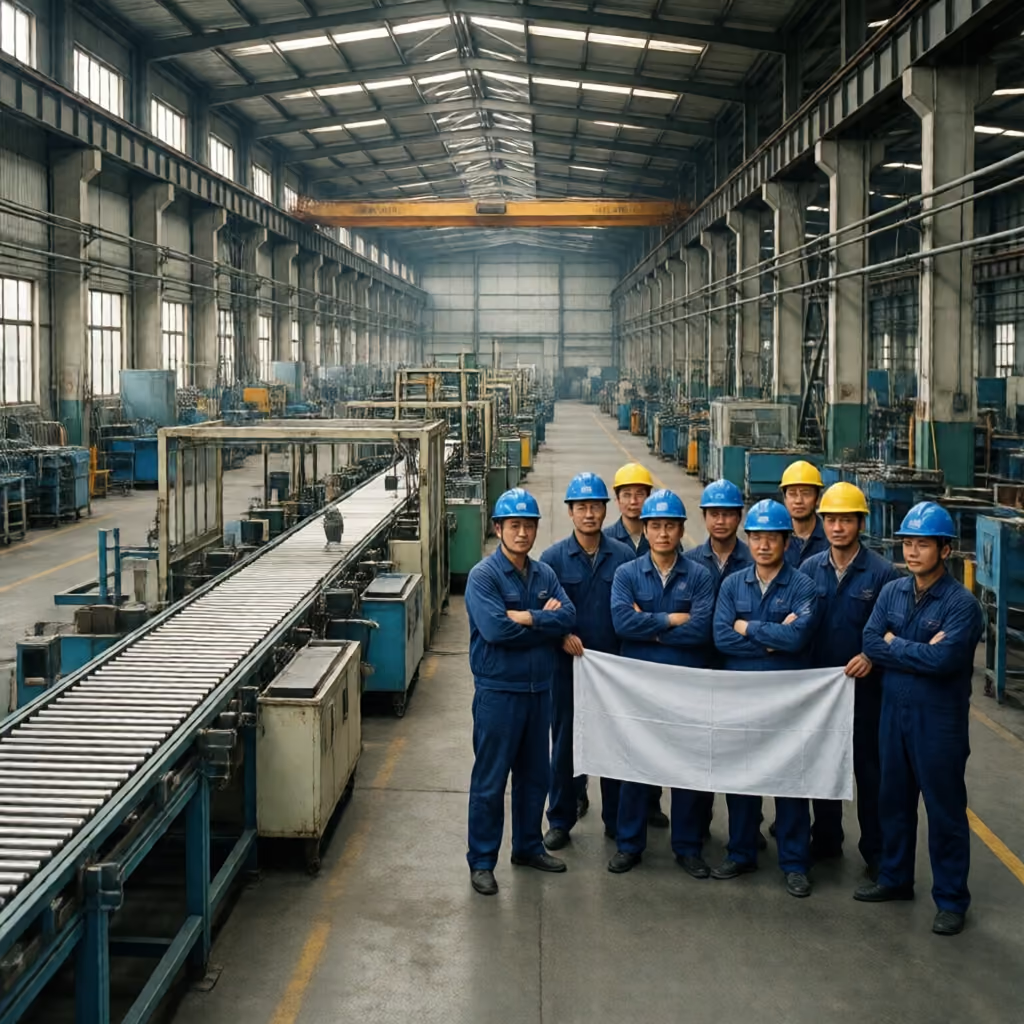
rimanere bloccato
Non fare progressi o essere interrotto per un certo periodo di tempo.
Wegen des Streiks steht die Produktion seit Montag still.
A causa dello sciopero, la produzione è ferma da lunedì.
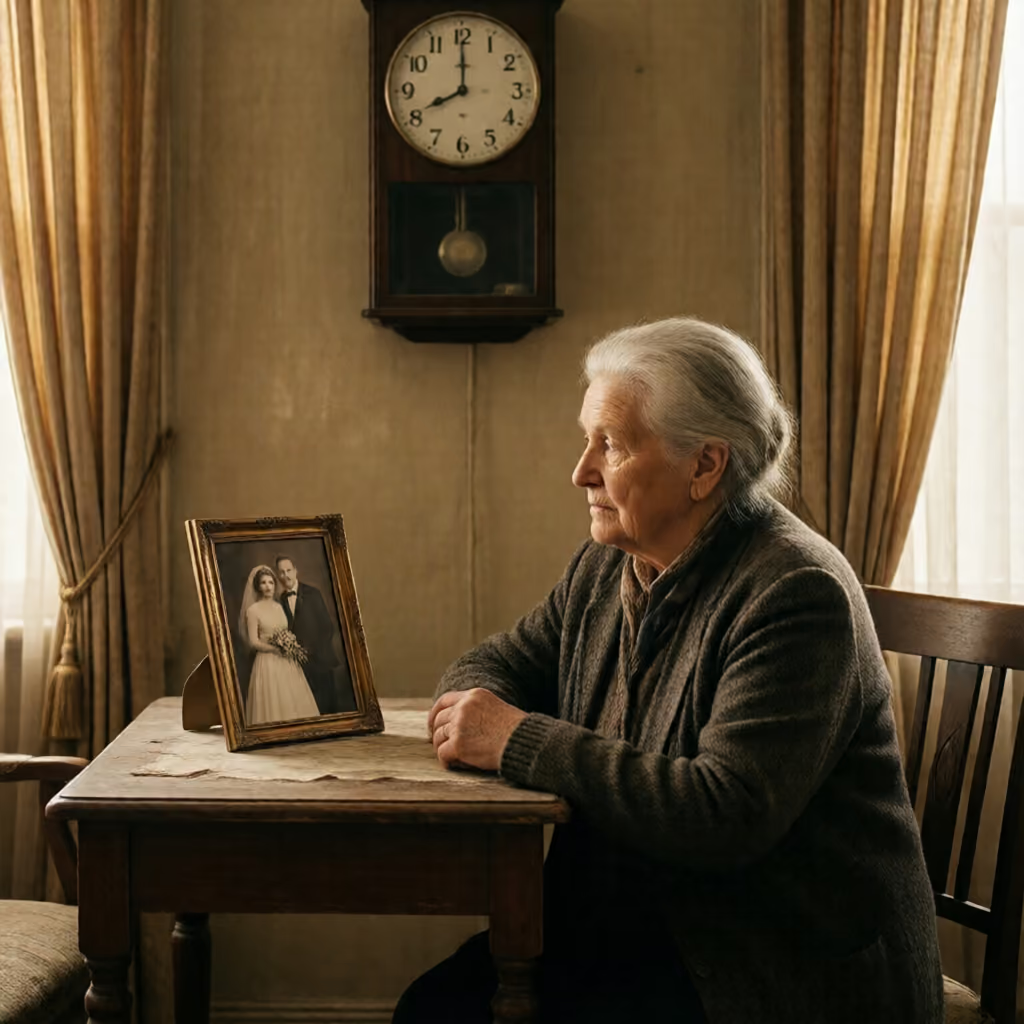
restare immobile
In senso figurato, rimanere senza cambiamenti o sviluppi.
Für einen Moment schien die Zeit stillzustehen.
Per un attimo sembrò che il tempo si fosse fermato.
| ich | stehe still |
|---|---|
| du | stehst still |
| er/sie/es | steht still |
| wir | stehen still |
| ihr | steht still |
| sie | stehen still |
| ich | stand still |
|---|---|
| du | standest still standst still |
| er/sie/es | stand still |
| wir | standen still |
| ihr | standet still |
| sie | standen still |
| ich | habe stillgestanden bin stillgestanden |
|---|---|
| du | hast stillgestanden bist stillgestanden |
| er/sie/es | hat stillgestanden ist stillgestanden |
| wir | haben stillgestanden sind stillgestanden |
| ihr | habt stillgestanden seid stillgestanden |
| sie | haben stillgestanden sind stillgestanden |
| du | steh still! stillgestanden!, stehe still! |
|---|---|
| ihr | steht still! |
| Sie | stehen Sie still! |
| ich | hatte stillgestanden war stillgestanden |
|---|---|
| du | hattest stillgestanden warst stillgestanden |
| er/sie/es | hatte stillgestanden war stillgestanden |
| wir | hatten stillgestanden waren stillgestanden |
| ihr | hattet stillgestanden wart stillgestanden |
| sie | hatten stillgestanden waren stillgestanden |
| ich | werde stillstehen |
|---|---|
| du | wirst stillstehen |
| er/sie/es | wird stillstehen |
| wir | werden stillstehen |
| ihr | werdet stillstehen |
| sie | werden stillstehen |
| ich | stehe still |
|---|---|
| du | stehest still |
| er/sie/es | stehe still |
| wir | stehen still |
| ihr | stehet still |
| sie | stehen still |
Si usa per il discorso indiretto.
| ich | stände still stünde still |
|---|---|
| du | ständest still stündest still |
| er/sie/es | stände still stünde still |
| wir | ständen still stünden still |
| ihr | ständet still stündet still |
| sie | ständen still stünden still |
Si usa per i desideri e per il “würde”.
| infinito | stillstehen |
|---|---|
| con zu | stillzustehen |
| Partizip I | stillstehend |
| Partizip II | stillgestanden |
«Stillstehen» (stare fermo) è un verbo separabile formato da «still» (fermo) e «stehen» (stare). Nella frase principale la particella compare alla fine della frase; nella subordinata il verbo rimane unito. Con «zu» (a), la particella viene prima di «zu» e del verbo.
Der Bus steht wegen einer Panne still.
L'autobus è fermo a causa di un guasto.
Alle warten, bis der Aufzug stillsteht.
Tutti aspettano che l'ascensore si fermi.
Es ist gefährlich, mitten auf der Straße stillzustehen.
È pericoloso restare fermi in mezzo alla strada.
«Stillstehen» (stare fermo) unisce «still» (fermo) e «stehen» (stare): qualcosa rimane in una posizione tale da non mostrare alcun movimento o cambiamento. Questa idea di base è utile anche nei contesti tecnici, organizzativi e figurati.
Vor dem geschlossenen Tor mussten die Lastwagen stillstehen.
I camion dovettero fermarsi davanti al cancello chiuso.
«Stillstehen» (stare fermo) si usa normalmente senza oggetto all'Akkusativ. La persona, il veicolo, la macchina o il processo che non va avanti è esso stesso al centro della frase.
Nach dem Stromausfall stand die ganze Anlage still.
Dopo il blackout, l'intero impianto rimase fermo.
Nel significato riferito a persone o veicoli, spesso compare un'indicazione di luogo, per esempio «an der Kreuzung» (all'incrocio), «vor dem Eingang» (davanti all'ingresso) oppure «auf der Stelle» (sul posto). In questo modo è chiaro dove il movimento si è interrotto.
Die Radfahrer mussten an der Kreuzung stillstehen.
I ciclisti dovettero fermarsi all'incrocio.
Per il significato «nicht funktionieren» (non funzionare), il soggetto è spesso un apparecchio tecnico o una sua parte. Espressioni tipiche sono «der Motor steht still» (il motore è fermo), «die Maschine steht still» (la macchina è ferma) e «die Uhr steht still» (l'orologio è fermo).
Nach dem Defekt stand die alte Uhr mehrere Stunden still.
Dopo il guasto, il vecchio orologio rimase fermo per diverse ore.
Quando si parla di processi di lavoro e organizzazioni, «stillstehen» (rimanere bloccato) viene spesso usato con un'espressione di tempo, soprattutto con «seit» (da) o «für» (per). I soggetti tipici sono «die Produktion» (la produzione), «die Arbeit» (il lavoro), «der Betrieb» (l'attività) e «die Verhandlungen» (le trattative).
Wegen des Materialmangels steht der Betrieb seit zwei Wochen still.
A causa della carenza di materiali, l'attività è ferma da due settimane.
Nel suo uso figurato, «stillstehen» (restare immobile) compare spesso con «die Zeit» (il tempo) o «die Welt» (il mondo). Verbi come «scheinen» (sembrare) o «fühlen» (sentire) mostrano spesso che l'affermazione si riferisce a un'impressione o a un sentimento.
Während des Abschieds fühlte es sich an, als würde die Zeit stillstehen.
Durante il commiato, sembrava che il tempo si fosse fermato.
fermarsi / durare / fermare
Anhalten descrive il fatto che una macchina arresta il proprio movimento e può anche indicare l’azione di fermarla. Stillstehen descrive la condizione in cui la macchina non funziona più o non è in funzione. Usa «anhalten» (fermarsi) per indicare l’arresto e «stillstehen» (fermarsi) per la condizione che segue.
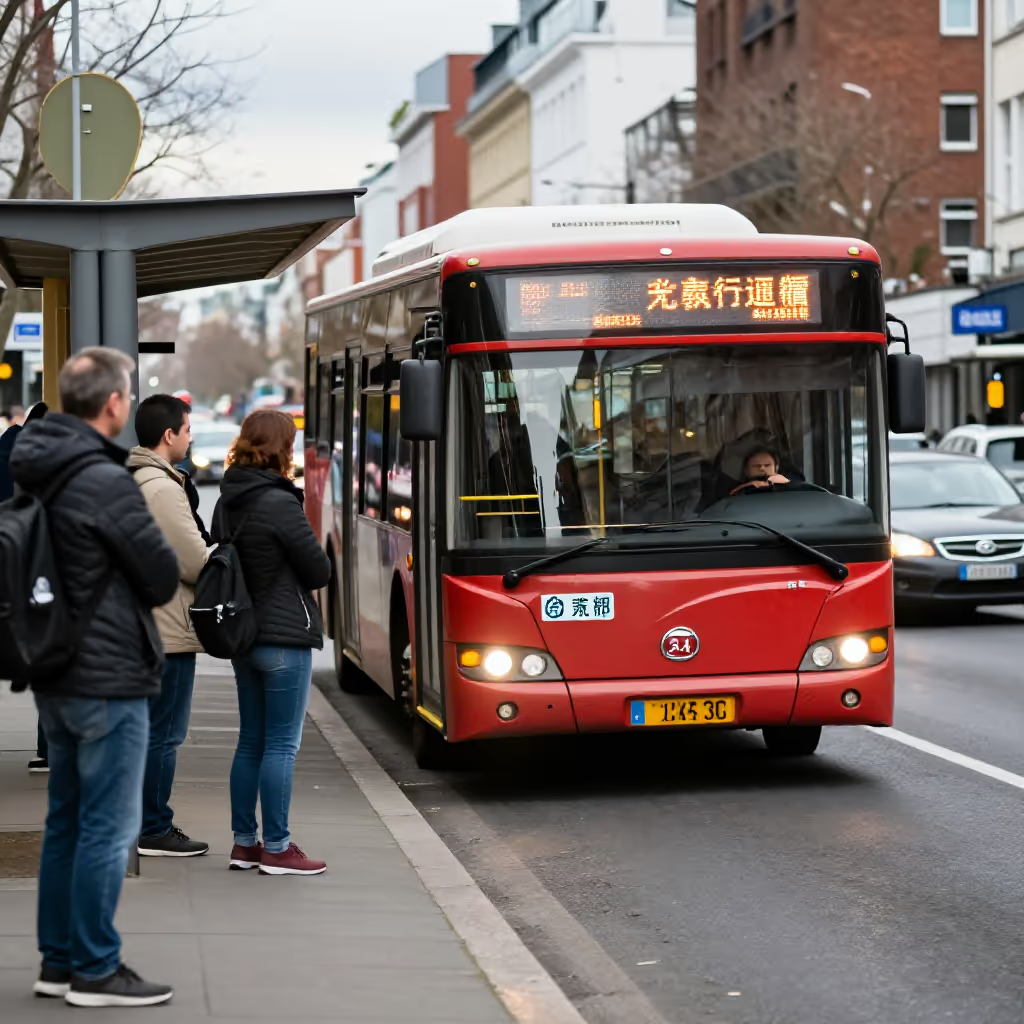
Nach dem Defekt blieb die Maschine den ganzen Vormittag stillstehen.
Dopo il guasto, la macchina rimase ferma per tutta la mattinata.
Der Techniker ließ die Maschine sofort anhalten.
Il tecnico fece fermare immediatamente la macchina.