jemandem etwas vormachen
ingannare
Ingannare o mentire a qualcuno, fingendo che qualcosa sia vero anche se non lo è.
Lass dir von ihm nichts vormachen, er will dich nur ausnutzen.
Non lasciarti ingannare da lui: vuole solo approfittarsi di te.
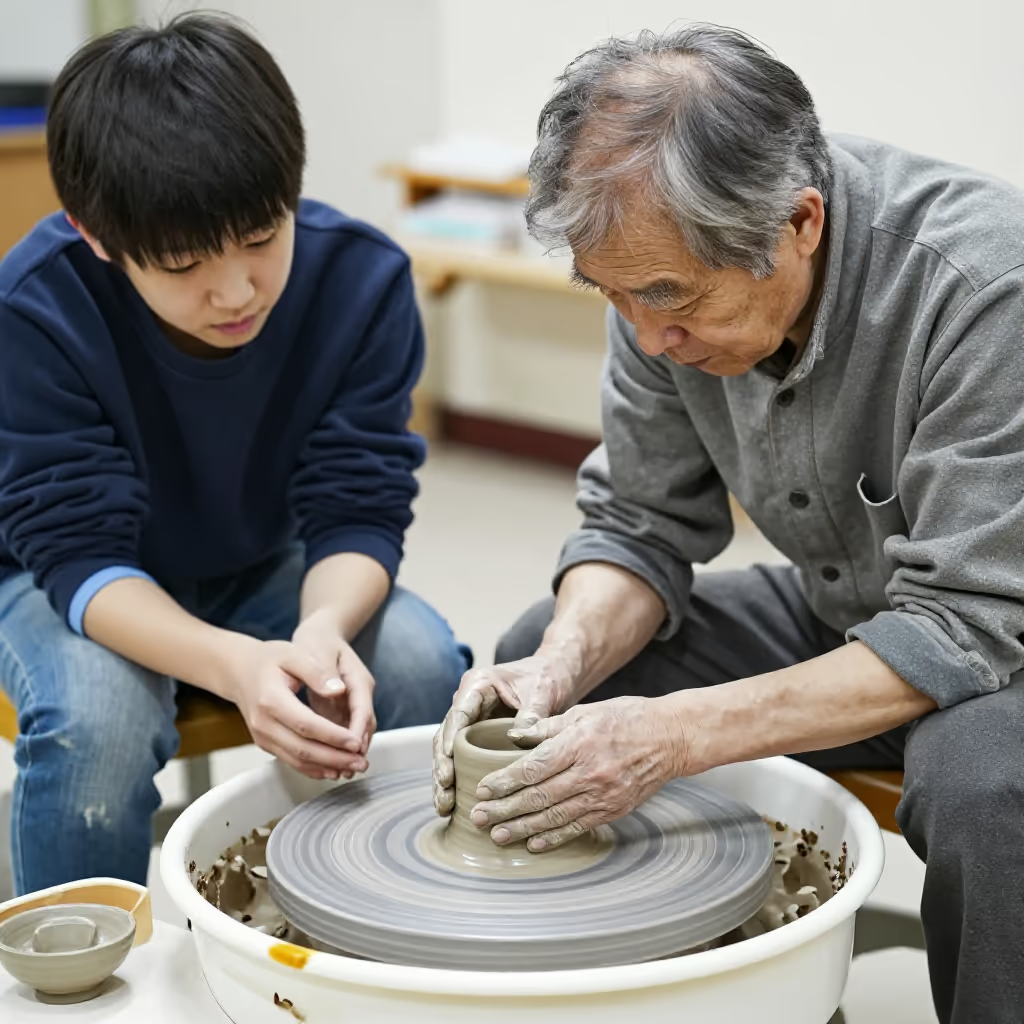
ingannare / mostrare
vormachen – machte vor – hat vorgemacht
Caricamento dello stato salvato.

ingannare
Ingannare o mentire a qualcuno, fingendo che qualcosa sia vero anche se non lo è.
Lass dir von ihm nichts vormachen, er will dich nur ausnutzen.
Non lasciarti ingannare da lui: vuole solo approfittarsi di te.


mostrare
Mostrare a qualcuno un'attività o un procedimento affinché possa impararlo e ripeterlo.
Die Tanzlehrerin macht den Schülern die komplizierten Schritte vor.
L'insegnante di danza mostra agli allievi i passi complicati.

applicare davanti
Fissare o applicare qualcosa sulla parte anteriore di qualcos'altro.
Er machte das neue Schloss vor die Tür.
Ha applicato la nuova serratura sulla porta.
| ich | mache vor |
|---|---|
| du | machst vor |
| er/sie/es | macht vor |
| wir | machen vor |
| ihr | macht vor |
| sie | machen vor |
| ich | machte vor |
|---|---|
| du | machtest vor |
| er/sie/es | machte vor |
| wir | machten vor |
| ihr | machtet vor |
| sie | machten vor |
| ich | habe vorgemacht |
|---|---|
| du | hast vorgemacht |
| er/sie/es | hat vorgemacht |
| wir | haben vorgemacht |
| ihr | habt vorgemacht |
| sie | haben vorgemacht |
| du | mach vor! mache vor! |
|---|---|
| ihr | macht vor! |
| Sie | machen Sie vor! |
| ich | hatte vorgemacht |
|---|---|
| du | hattest vorgemacht |
| er/sie/es | hatte vorgemacht |
| wir | hatten vorgemacht |
| ihr | hattet vorgemacht |
| sie | hatten vorgemacht |
| ich | werde vormachen |
|---|---|
| du | wirst vormachen |
| er/sie/es | wird vormachen |
| wir | werden vormachen |
| ihr | werdet vormachen |
| sie | werden vormachen |
| ich | mache vor |
|---|---|
| du | machest vor |
| er/sie/es | mache vor |
| wir | machen vor |
| ihr | machet vor |
| sie | machen vor |
Si usa per il discorso indiretto.
| ich | machte vor |
|---|---|
| du | machtest vor |
| er/sie/es | machte vor |
| wir | machten vor |
| ihr | machtet vor |
| sie | machten vor |
Si usa per i desideri e per il “würde”.
| infinito | vormachen |
|---|---|
| con zu | vorzumachen |
| Partizip I | vormachend |
| Partizip II | vorgemacht |
«Vormachen» (mostrare o ingannare) è un verbo separabile. Nei Hauptsätze la prefisso «vor» (prima) va alla fine; nelle proposizioni subordinate il verbo rimane unito e nell'infinito con «zu» (a) «zu» si inserisce al centro.
Der Trainer macht uns die Übung vor.
L'allenatore ci mostra l'esercizio.
Ich schaue zu, wie er mir die Übung vormacht.
Guardo mentre mi mostra l'esercizio.
Es ist nicht leicht, das richtig vorzumachen.
Non è facile mostrare correttamente come si fa.
Nei significati «täuschen» (ingannare) e «demonstrieren» (mostrare), «vormachen» (mostrare o ingannare) segue spesso lo schema: soggetto + oggetto al Dativ, cioè la persona, + oggetto all'Akkusativ, cioè la cosa. La persona a cui qualcosa viene mostrato o fatto credere si trova al Dativ.
Er versucht, seinem Chef gute Arbeit vorzumachen.
Cerca di far credere al suo capo di lavorare bene.
Kannst du mir den Knoten bitte noch einmal vormachen?
Puoi mostrarmi ancora una volta come si fa il nodo?
Il fatto che «vormachen» (mostrare o ingannare) significhi «täuschen» (ingannare) oppure «demonstrieren» (mostrare) dipende dal contesto. Se si parla dell'apprendimento di un'abilità, si intende «demonstrieren» (mostrare). Se si parla di bugie o di false impressioni, si intende «täuschen» (ingannare).
Der Handwerker hat mir vorgemacht, wie man die Fliesen verlegt.
L'artigiano mi ha mostrato come posare le piastrelle.
Sie macht allen vor, dass sie glücklich ist, aber eigentlich ist sie traurig.
Fa credere a tutti di essere felice, ma in realtà è triste.
L'espressione «sich (Dat.) nichts vormachen lassen» (non lasciarsi ingannare da qualcuno) è molto comune e significa che non si deve permettere agli altri di ingannarci o mentirci. Un'altra variante è «sich selbst nichts vormachen» (non ingannare se stessi).
Lass dir von der Werbung nichts vormachen!
Non lasciarti ingannare dalla pubblicità!
Ich mache mir da nichts vor, die Prüfung wird sehr schwer.
Non mi illudo: l'esame sarà molto difficile.
Nel significato di «demonstrieren» (mostrare), il verbo viene spesso combinato con azioni concrete. Sono tipiche espressioni come «eine Übung vormachen» (mostrare un esercizio), «einen Tanzschritt vormachen» (mostrare un passo di danza) o «eine Bewegung vormachen» (mostrare un movimento).
Die Physiotherapeutin hat mir eine einfache Übung für den Rücken vorgemacht.
La fisioterapista mi ha mostrato un semplice esercizio per la schiena.
mostrare
Entrambi i verbi possono descrivere la dimostrazione visiva di un'attività. «zeigen» (dimostrare) informa in generale o rende chiaro un procedimento, anche senza l'intenzione che qualcuno lo imiti. «vormachen» (mostrare) presenta l'attività come esempio, perché qualcuno possa impararla e poi ripeterla.

Die Trainerin machte der Gruppe die neue Übung vor, damit alle sie nachmachen konnten.
L'allenatrice ha mostrato al gruppo il nuovo esercizio, affinché tutti potessero ripeterlo.
Die Trainerin zeigte der Gruppe die neue Übung.
L'allenatrice ha mostrato al gruppo il nuovo esercizio.