

behindern
ostacolare
Essere fisicamente d'intralcio a qualcuno o qualcosa oppure rendere più difficile il libero movimento.
Ein Falschparker behindert die Durchfahrt der Straßenbahn.
Un'auto parcheggiata in divieto ostacola il passaggio del tram.

ostacolare
behindern – behinderte – hat behindert
Caricamento dello stato salvato.

ostacolare
Essere fisicamente d'intralcio a qualcuno o qualcosa oppure rendere più difficile il libero movimento.
Ein Falschparker behindert die Durchfahrt der Straßenbahn.
Un'auto parcheggiata in divieto ostacola il passaggio del tram.

ostacolare
Rendere più difficile, disturbare o rallentare lo sviluppo, il progresso o la realizzazione di qualcosa.
Die laute Musik behindert meine Konzentration.
La musica ad alto volume ostacola la mia concentrazione.
| ich | behindere behindre |
|---|---|
| du | behinderst |
| er/sie/es | behindert |
| wir | behindern |
| ihr | behindert |
| sie | behindern |
| ich | behinderte |
|---|---|
| du | behindertest |
| er/sie/es | behinderte |
| wir | behinderten |
| ihr | behindertet |
| sie | behinderten |
| ich | habe behindert |
|---|---|
| du | hast behindert |
| er/sie/es | hat behindert |
| wir | haben behindert |
| ihr | habt behindert |
| sie | haben behindert |
| du | behindere! behinder!, behindre! |
|---|---|
| ihr | behindert! |
| Sie | behindern Sie! |
| ich | hatte behindert |
|---|---|
| du | hattest behindert |
| er/sie/es | hatte behindert |
| wir | hatten behindert |
| ihr | hattet behindert |
| sie | hatten behindert |
| ich | werde behindern |
|---|---|
| du | wirst behindern |
| er/sie/es | wird behindern |
| wir | werden behindern |
| ihr | werdet behindern |
| sie | werden behindern |
| ich | behindere behindre |
|---|---|
| du | behinderst |
| er/sie/es | behindere behindre |
| wir | behindern |
| ihr | behindert |
| sie | behindern |
Si usa per il discorso indiretto.
| ich | behinderte |
|---|---|
| du | behindertest |
| er/sie/es | behinderte |
| wir | behinderten |
| ihr | behindertet |
| sie | behinderten |
Si usa per i desideri e per il “würde”.
| infinito | behindern |
|---|---|
| con zu | zu behindern |
| Partizip I | behindernd |
| Partizip II | behindert |
Attenzione: «behindern» (ostacolare) è un falso amico. Non significa «hinter etwas sein» (essere dietro qualcosa), ma «hindern» (ostacolare) o «im Weg stehen» (essere d'intralcio). La parola tedesca per «behind» (dietro) è «hinter» (dietro).
Ein umgefallener Baum behindert den Verkehr auf der Autobahn.
Un albero caduto ostacola il traffico sull'autostrada.
Il verbo «behindern» (ostacolare) richiede sempre un complemento oggetto in Akkusativ. Si ostacola sempre qualcuno o qualcosa.
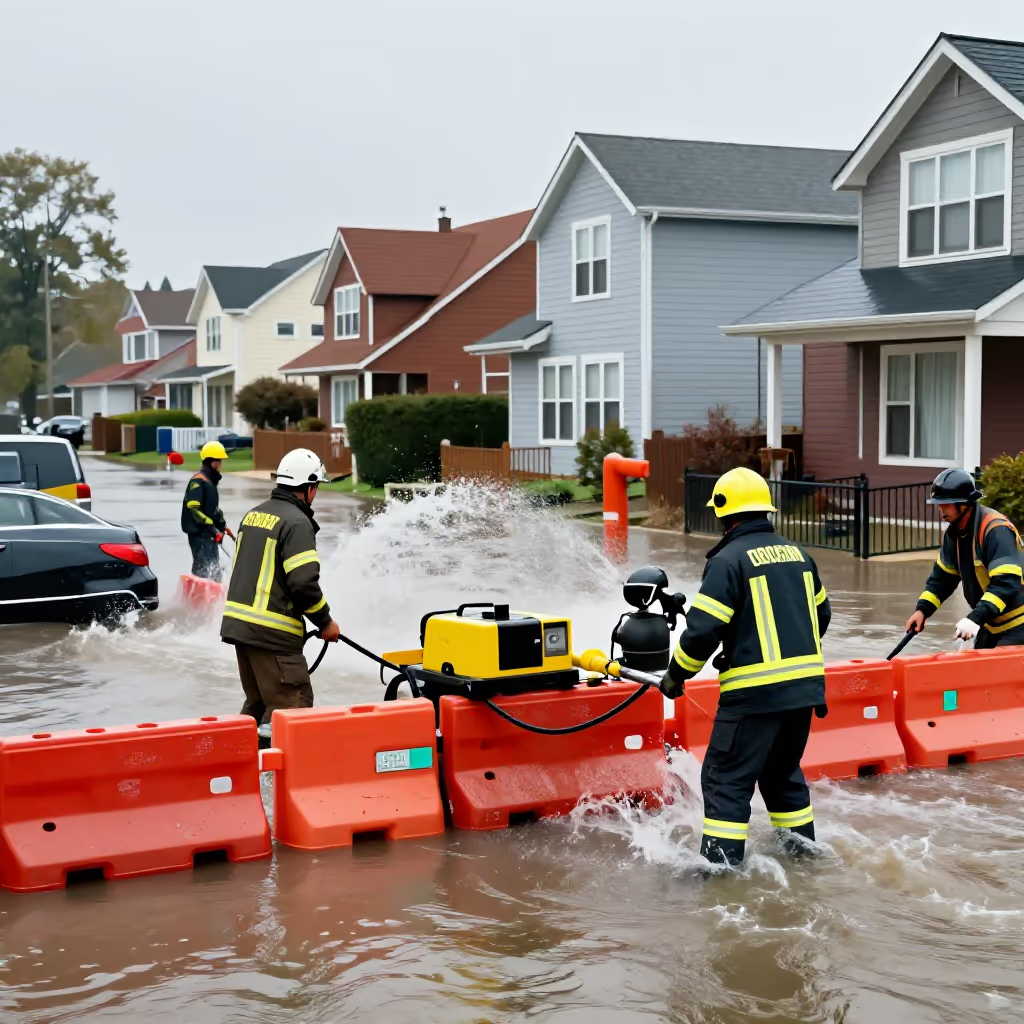
Bitte nicht die Rettungsarbeiten behindern!
Per favore, non ostacolare i soccorsi!
Der Lärm behindert mich bei der Arbeit.
Il rumore mi ostacola nel lavoro.
L'aggettivo «behindert» (disabile) deriva da questo verbo. Descrive una persona le cui capacità fisiche, mentali o psichiche sono limitate in modo permanente. Il verbo descrive l'azione di creare una limitazione di questo tipo o un ostacolo.
Barrierefreie Zugänge helfen, Menschen mit Rollstuhl nicht zu behindern.
Gli accessi senza barriere aiutano a non ostacolare le persone in sedia a rotelle.
prevenire
Entrambe le parole possono descrivere un problema in un progetto. «verhindern» (prevenire) significa che il risultato o l'evento previsto non si verifica affatto, mentre «behindern» (ostacolare) rende soltanto più difficile, disturba o ritarda il progresso. Quando è certo che qualcosa non può avere luogo, è adatto «verhindern»; per difficoltà aggiuntive si usa «behindern».

Der starke Sturm behinderte die Arbeit am Flughafen.
La forte tempesta ostacolò il lavoro all'aeroporto.
Der starke Sturm verhinderte den Start des Flugzeugs.
La forte tempesta impedì all'aereo di decollare.